
In tropical environments like the Philippines, protecting an infant from mosquitoes while ensuring a safe, cool sleeping space is a top priority for parents. A baby crib complete set with a mosquito net seems like an ideal, all-in-one solution. However, buying a bundled nursery set requires looking beyond the aesthetic appeal of matching fabrics and coordinated colors. Before committing to a purchase, your primary focus must be on verifying structural safety, evaluating the breathability and secure installation of the mosquito net, and critically assessing whether the included accessories—such as mattresses and bumpers—align with current safe sleep guidelines. This checklist will help you navigate product specifications, understand tropical nursery requirements, and build a safe, practical shortlist.
Selecting nursery furniture is one of the most significant decisions expectant parents make, both financially and in terms of daily peace of mind. While a complete set offers the convenience of a single purchase, the quality of individual components within these bundles can vary widely. By systematically evaluating each element of the set, you can ensure that your investment provides a secure, comfortable, and healthy sleeping environment for your baby.
Essential Safety Standards and Structural Checks
The physical safety of the crib frame is the absolute foundation of a secure nursery. When evaluating any baby crib, the spacing between the slats is the first critical dimension to verify. Standard safety guidelines dictate that the distance between crib slats must be no more than 6 centimeters (approximately 2.3 inches). This specific spacing prevents a baby’s head, limbs, or torso from slipping through and becoming trapped. When shopping on online marketplaces or visiting local showrooms, look for manufacturer labels indicating compliance with international safety standards, and do not hesitate to physically measure the gaps yourself.
Products mentioned in this guide
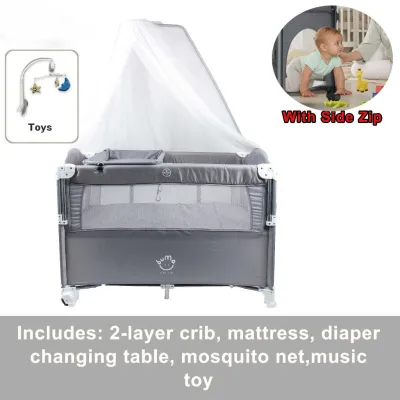
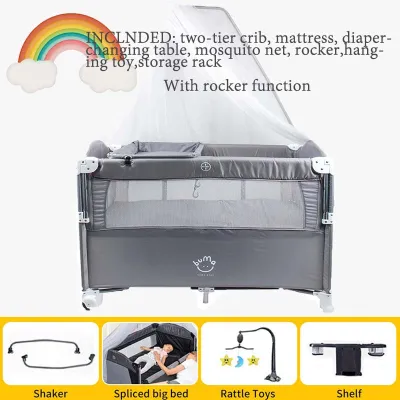
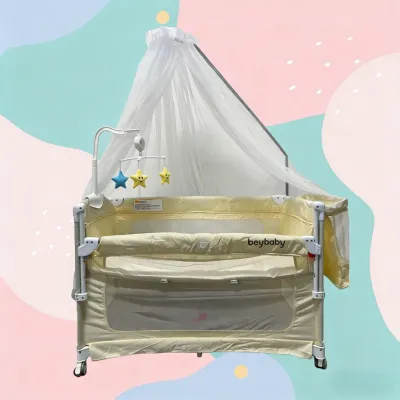
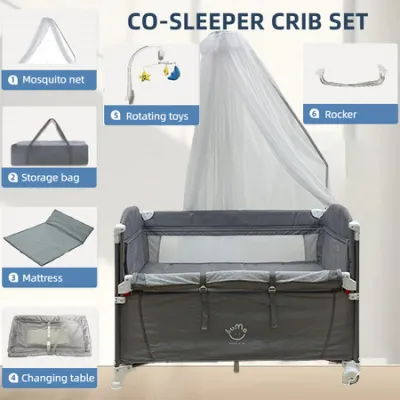
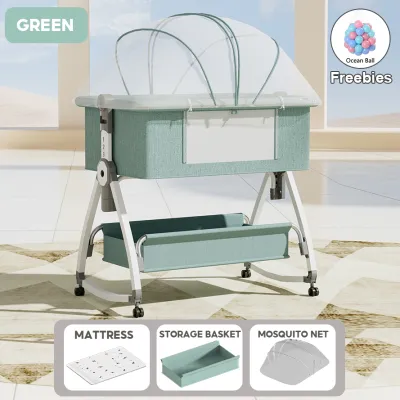
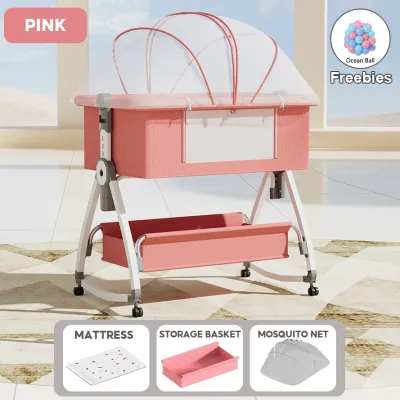
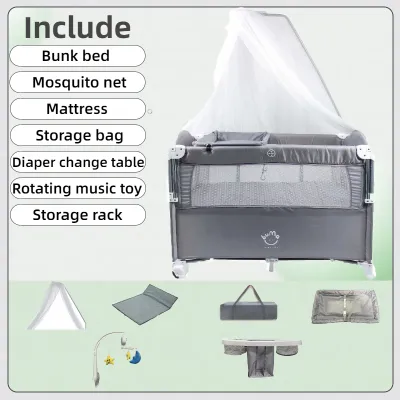
Prices are valid at publication and may change. Please refer to the product page for the latest price.
The structural integrity of the wood or metal frame must be robust enough to withstand daily use and the natural movements of a growing child. Examine the quality of the materials used; solid hardwoods like beech, birch, or rubberwood are generally more durable and less prone to splintering than cheap particleboard or thin plastics. Ensure that all surfaces are smooth, free of splinters, and finished with non-toxic, lead-free paints or varnishes. Since babies often chew on crib rails when teething, verifying the safety of the finish is a vital health consideration.
The mattress support system requires close inspection, as it bears the entire weight of the mattress and your growing child. Look for a system that uses strong metal springs or a solid wooden platform secured by heavy-duty hardware. Check the locking mechanisms for the adjustable height levels. Most modern cribs offer two to three height positions, allowing you to lower the mattress as your baby learns to sit and stand. These adjustment brackets must lock securely into place with no risk of slipping or collapsing under sudden weight or movement.
It is crucial to avoid outdated and hazardous design features that may still appear in older or uncertified models. Drop-side cribs, which feature a side rail that slides down to make accessing the baby easier, have been widely discouraged and banned in many regions due to severe safety risks associated with malfunctioning hardware. Similarly, steer clear of cribs with decorative corner posts that protrude upward. These posts can easily snag loose clothing, sleep sacks, or pacifier clips, presenting a serious strangulation hazard. The top of the corner posts should be virtually flush with the end panels.
Finally, ensure that the crib includes comprehensive, clear assembly instructions and official manufacturer compliance statements. When your package is delivered, cross-reference the included parts list with the physical components before beginning assembly. Any missing screws, misaligned pre-drilled holes, or unstable joints should prompt an immediate return or exchange rather than a DIY fix. A crib’s structural integrity depends entirely on precise assembly with the correct, manufacturer-provided hardware.
Evaluating the Mosquito Net and Canopy Design
In warm, humid climates, a mosquito net is a vital shield against insect bites and insect-borne illnesses, but it must be designed with safety and airflow in mind. The mesh density of the net must strike a delicate balance. It needs to be fine enough to block tiny insects, yet open enough to allow continuous, unrestricted air circulation. A stuffy crib environment can lead to overheating, which is a known risk factor in infant sleep safety. Look for lightweight, breathable materials like high-quality polyester mesh that allow you to easily see your baby through the fabric.

Examine the supporting frame of the canopy or net. Whether it uses a metal rod that clamps directly to the crib frame or a plastic dome structure, the connection points must be exceptionally secure. Evaluate the load-bearing capacity of these brackets and poles. A flimsy support frame can easily bend, slide, or collapse under the weight of the netting, draping dangerous fabric directly over your sleeping baby. The mounting hardware should clamp tightly to the crib rails without slipping, and it should be positioned out of the baby’s reach.
The physical dimensions of the netting itself are equally critical for both safety and efficacy. The edges of the net must have sufficient excess material to be tucked securely under the mattress, or they should feature safe, integrated fasteners that attach to the outer rails of the crib. Gaps at the bottom of the net render the insect protection useless, while loose, dangling edges inside the crib pose a severe entanglement hazard. The net should drape over the outside of the crib frame rather than hanging loosely inside the sleeping area.
Avoid elaborate canopy designs that prioritize aesthetics over safety. Heavy, opaque fabrics, excessively long drapes that pool inside the sleeping area, or decorative elements like long ribbons and tassels should be avoided. These features restrict ventilation, collect dust, and introduce unnecessary strangulation and suffocation risks. Keep the design minimalist, lightweight, and highly functional, ensuring that the net can be easily opened and closed without disturbing a sleeping infant.
Regular maintenance of the mosquito net is also essential, especially in dusty or humid environments. Choose a net that is easily detachable and machine-washable. Dust and allergens can quickly accumulate on the fine mesh, which can irritate your baby’s sensitive respiratory system. Being able to wash the net regularly ensures that the air passing through the mesh remains clean and fresh.
Assessing Included Components and Bundle Value
A “complete set” often promises convenience, but you must deconstruct the individual accessories to judge their true utility and safety. Start with the mattress, which is the most critical component of the bedding set. The mattress must be firm and fit the crib frame perfectly. Test this by checking for gaps: there should be no more than a two-finger gap between the mattress edge and the crib frame. A soft or ill-fitting mattress creates spaces where an infant can become trapped or suffocate. Press down on the mattress; it should snap back immediately and not conform to the shape of your hand.
Review current pediatric safety guidelines regarding soft bedding. Many bundled sets include matching quilts, thick pillows, and fabric crib bumpers. While visually appealing, pediatric health authorities strongly advise against placing soft bedding, pillows, or bumpers in an infant’s sleep environment due to suffocation and sudden infant death syndrome (SIDS) risks. Recognizing that these bundled items are unsafe for newborns allows you to discount their perceived value. If a bundle includes these items, plan to store them away or use them only for supervised tummy time outside the crib.
Focus on practical, safe inclusions instead. A high-quality bundle should prioritize functional items like waterproof mattress protectors and snug-fitting, breathable cotton sheets. In tropical climates, a waterproof protector is essential for shielding the mattress from sweat, spit-up, and diaper leaks, preventing the growth of mold and bacteria in high humidity. Paying a premium for decorative pillows or heavy comforters that will sit unused in a closet is an inefficient use of your nursery budget.
To determine if a complete set offers genuine value, compare the total cost of the bundle in Philippine Pesos (₱) against the cost of purchasing a bare crib, a certified safe mattress, and a separate, high-quality mosquito net. Often, buying these core components individually allows you to select higher-quality, safer items while staying within a similar budget, rather than accepting lower-grade accessories just because they are packaged together. Calculate the individual costs to see if the bundle truly saves you money or simply packages unnecessary decorative items.
How to Build Your Shortlist and Verify Product Claims
When you are ready to shop, begin by defining your filtering criteria based on your nursery’s physical dimensions and your budget limits in ₱. Measure your room carefully, keeping in mind that the crib should be placed away from windows, direct air conditioning drafts, and dangling cords. Establish a strict list of essential components—such as a sturdy frame, a firm mattress, and a secure net—versus optional decorative items. This prevents you from being swayed by attractive but impractical designs.
Cross-reference online merchant descriptions with verified buyer reviews. Do not rely solely on promotional photos. Look for detailed feedback from other parents regarding assembly difficulty, the sturdiness of the frame over months of use, and any persistent chemical or material odors. In humid tropical conditions, strong chemical off-gassing from cheap varnishes or plastics can be particularly unpleasant and irritating to a baby’s sensitive respiratory system. Reviews often reveal the true quality of the product that polished marketing photos hide.
Carefully review the seller’s return policies and warranty terms. Shipping large furniture items can sometimes result in transit damage, particularly to delicate components like the mosquito net frame or the wooden slats. Ensure the merchant offers a clear, hassle-free replacement policy for damaged parts so you are not left with an unsafe or incomplete set. A reliable warranty provides peace of mind, especially when purchasing online.
Finally, verify critical safety specifications directly through the manufacturer’s official channels or customer service before finalizing your purchase. If an online listing lacks clear information about weight limits, material certifications, or slat spacing, ask the seller directly. If they cannot provide verified specifications, it is safer to remove that product from your shortlist and choose a brand that prioritizes transparency and infant safety.
Frequently Asked Questions (FAQ)
Is it safe to leave the mosquito net down while the baby is sleeping?
Using a mosquito net during sleep is highly beneficial for insect protection, especially in tropical regions, provided the net is installed correctly. The net must be suspended from a sturdy, secure frame that keeps the fabric completely out of the baby’s reach. It should never drape loosely over the crib rails where an active infant could pull it down. Ensure the material is highly breathable and that you monitor your baby regularly to confirm they are sleeping comfortably without any obstruction to their airway. If the baby begins to pull themselves up or reach for the net, discontinue its use to prevent entanglement.
Can I use a universal mosquito net if the set does not include one?
Yes, you can use a universal mosquito net, provided it meets strict safety and compatibility criteria. If you choose a standalone net, ensure it is supported by a secure, freestanding frame or robust ceiling-mounting hardware that cannot collapse into the crib. The net’s dimensions must fully cover the crib frame, and the bottom edges must be securely fastened or tucked tightly under the mattress to eliminate any gaps while preventing the baby from pulling the fabric inward. Always prioritize breathability and structural stability when retrofitting a net to an existing crib.

Community discussion
Share your experience or ask a question. Comments are reviewed before publication.