
Deciding between a standalone baby crib and a coordinated nursery furniture set with an integrated changing table is one of the first major design and financial decisions expectant parents face. The right choice depends on your available floor space, your long-term housing plans, and how you prefer to allocate your budget. While a standalone crib offers maximum layout flexibility and allows you to mix and match different decor styles, a complete furniture set provides a cohesive look and the convenience of a pre-packaged storage and changing system. By evaluating your home’s specific layout, your daily caregiving workflow, and the long-term utility of each piece, you can create a safe, functional, and comfortable environment for your growing baby.
Core Differences Between a Standalone Crib and a Furniture Set
A standalone baby crib is designed solely as a dedicated sleep space. This option gives you the freedom to select the crib independently of any other furniture in the room, allowing you to pair it with existing family heirlooms, budget-friendly dressers, or modular shelving. It is highly adaptable, making it ideal if you prefer an eclectic design style or if you need to fit the crib into a multi-purpose room, such as a shared master bedroom.
On the other hand, a nursery furniture set is a curated package designed to establish a unified aesthetic from day one. These bundles typically feature a convertible crib alongside matching pieces, such as a double dresser, a wardrobe, or a dedicated changing table with a removable topper. The primary advantage of a set is design consistency; the wood species, paint finishes, and hardware match perfectly, saving you the time and effort of sourcing individual pieces that coordinate. However, this convenience comes with a fixed design path, meaning you are committed to a specific style and footprint for the entire room.
Products mentioned in this guide
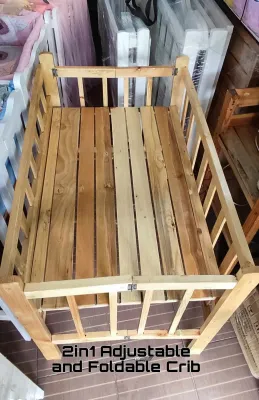
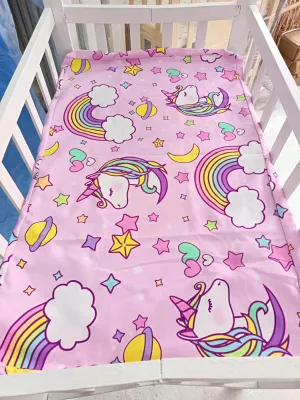
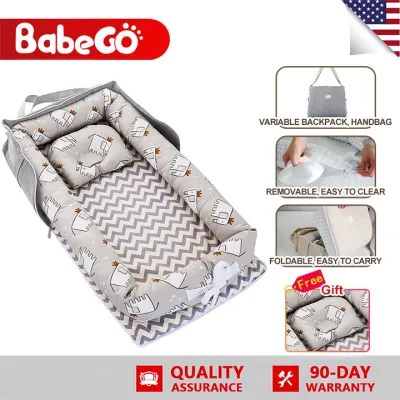
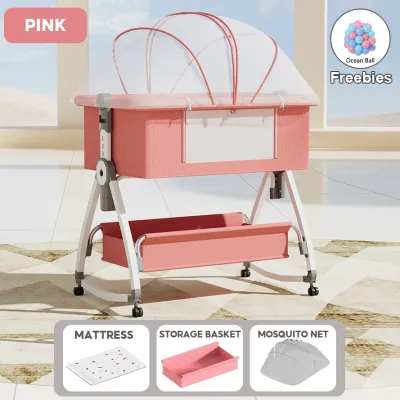
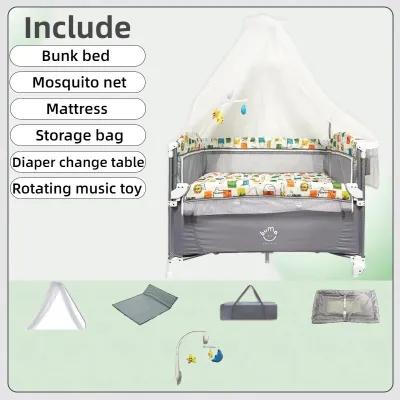
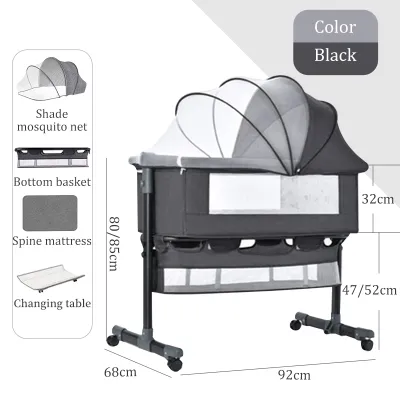
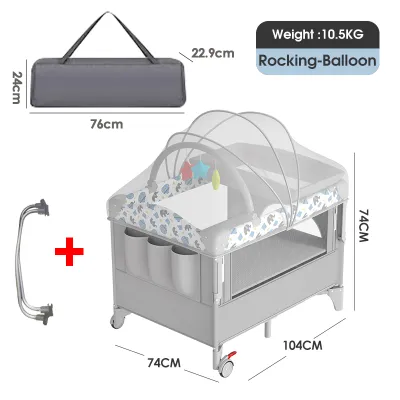
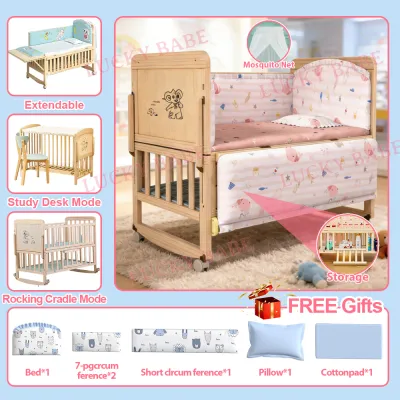
Prices are valid at publication and may change. Please refer to the product page for the latest price.
Space and Layout Considerations for Your Nursery
When planning your nursery layout, floor space is often the deciding factor. Standard nursery furniture sets require a significant amount of wall space to accommodate the wide footprints of matching dressers and changing tables. If your nursery is in a compact urban condo or a townhouse with awkward corners, a large, coordinated set can quickly make the room feel cramped and restrict natural airflow. In tropical climates like the Philippines, maintaining excellent ventilation and avoiding stagnant air pockets is essential for your baby’s comfort, making a minimalist standalone crib layout highly advantageous.

Your daily caregiving workflow, often referred to as the nursery triangle, should also dictate your furniture placement. During late-night diaper changes, you want a seamless transition from the crib to the changing station without navigating a maze of furniture. A standalone crib allows you to position the sleep area away from direct drafts from air conditioning units or open windows, while placing a separate changing station in a well-lit, easily accessible spot.
Storage needs also vary significantly between the two options. Furniture sets often integrate deep drawers directly into the changing table or matching dresser, providing immediate, organized storage for diapers, swaddles, and baby clothes. If you opt for a standalone crib, you must carefully plan where these essentials will live. You might need to utilize vertical wall shelving, under-crib storage boxes, or repurpose an existing wardrobe to keep daily necessities within arm’s reach during active changing sessions.
Budget and Long-Term Value Analysis
Analyzing the financial investment of nursery furniture requires looking beyond the initial price tag in ₱. At first glance, a bundled nursery furniture set can seem like a substantial upfront expense. However, when you calculate the individual costs of purchasing a high-quality crib, a separate changing table, and a matching dresser, a bundled package often offers a lower combined price than buying premium individual pieces. This makes sets an attractive option for parents who want to furnish an entire room quickly and efficiently.
Conversely, if you are working with a strict initial budget, a standalone crib is almost always the more accessible entry point. You can purchase a simple, certified-safe crib first and gradually add storage solutions as your baby grows and your financial priorities shift. This modular approach prevents a large, single cash outflow and allows you to look for secondhand dressers or repurpose furniture you already own.
Long-term value is heavily tied to convertibility. Many modern cribs, whether sold individually or in sets, are designed to convert into toddler beds, daybeds, or even full-sized headboards. However, you must verify if the necessary conversion rails are included in the initial purchase or if they must be bought separately. For furniture sets, check if the changing table can transition into a standard dresser once your child outgrows diapers. If the changing topper is permanently attached, the piece’s lifespan is limited, whereas a removable topper allows the dresser to remain useful well into your child’s school years. Additionally, consider delivery and assembly fees; heavier multi-piece sets often incur higher shipping costs, especially if you live in a multi-story home or a building without an elevator.
Decision Framework: Which Option Fits Your Needs?
To finalize your decision, it helps to align your choice with your current living situation and future family plans. Choose a standalone baby crib if you are working with limited or irregular floor space, if you already have functional storage furniture in the room, or if you enjoy the creative process of mixing different design elements. This path is also highly practical if you prefer to spread your expenses over several months rather than making a single, large purchase.
Choose a nursery furniture set if you are starting with a completely empty room, have ample floor space, and want a polished, cohesive look without the hassle of matching different wood grains or paint colors. Sets are incredibly convenient for busy parents who want a one-and-done shopping experience that guarantees all essential storage and changing functions are covered.
Before committing to either option, verify your long-term housing stability. If you are currently renting or plan to move to a new home in the near future, heavy, matching furniture sets can be difficult to transport and may not fit the layout of your next residence. Standalone pieces are much easier to pack, move, and adapt to new, unpredictable room configurations. Furthermore, if you plan to have more children, standalone pieces offer the flexibility to transition the crib to a new baby while keeping the existing dresser in the older child’s room.
Essential Safety and Specification Checks
Regardless of which furniture path you choose, safety must remain your absolute priority. When evaluating any baby crib, verify that it complies with current safety standards. Check that the distance between the crib slats is no wider than 6 centimeters to prevent your baby’s head or limbs from becoming trapped. Ensure the mattress fits snugly within the frame; there should be no gaps wider than two fingers between the mattress and the crib sides. Avoid any older or secondhand cribs with drop-side mechanisms, as these have been widely recalled due to safety hazards.
For changing tables and combo dressers, stability is critical to prevent tip-over accidents. Always check if the manufacturer includes an anti-tip wall anchor kit, and ensure you install it securely into your wall. In many homes with concrete or masonry walls, this will require using a hammer drill and appropriate masonry wall plugs rather than standard drywall screws. The changing surface should also feature raised safety barriers on all sides and a secure strap to keep your baby in place during changes.
Finally, pay close attention to materials and finishes. Look for manufacturer specifications certifying that the paints, stains, and glues used are non-toxic and low in volatile organic compounds (VOCs). In warm, humid environments, cheap finishes can degrade more quickly or release stronger odors, making high-quality, certified materials even more important. Always adhere strictly to the manufacturer’s stated weight limits for both the crib mattress support and the changing table surface to ensure the furniture remains structurally sound as your baby grows.
Frequently Asked Questions (FAQ)
Is it cheaper to buy a baby crib and changing table separately?
While bundled furniture sets often provide a discounted package price in ₱ compared to buying the same premium pieces individually, they are not always the cheapest route. If you are on a tight budget, purchasing a basic, certified-safe standalone crib and pairing it with a standard dresser you already own—or buying a simple, budget-friendly changing table separately—can result in a lower overall cost. Additionally, remember to check the price and availability of conversion kits for bundled sets, as these hidden costs can sometimes offset the initial package savings.
Can I use a regular dresser as a changing table instead of buying a set?
Yes, you can safely use a standard dresser as a changing table, provided it meets specific safety criteria. The dresser must be at a comfortable working height for you, typically between 85 to 105 centimeters, and have a flat, stable top surface deep enough to accommodate a changing pad. You must securely attach a contoured changing pad with safety straps directly to the back of the dresser to prevent it from sliding. Most importantly, verify the dresser’s stability and always install heavy-duty anti-tip wall anchors to secure the unit to the wall, especially when drawers are pulled out.
Community discussion
Share your experience or ask a question. Comments are reviewed before publication.