
Selecting the appropriate Youkebei feeding bottle during the weaning journey requires matching the bottle’s capacity, nipple flow rate, and transition accessories to your baby’s specific developmental milestones. Because every infant progresses at their own pace, caregivers must observe physical feeding cues rather than relying solely on age-based guidelines. Verifying the manufacturer’s labels, checking for compatible transition parts, and consulting your pediatrician will support a safe, comfortable shift from exclusive milk feeding to independent cup drinking. By understanding how to read product packaging and identify your baby’s readiness, you can make an informed decision that supports their growth and comfort.
Recognizing Your Baby's Weaning Stage and Feeding Cues
Transitioning your baby from exclusive breastfeeding or standard infant bottles to weaning tableware is a gradual process that relies heavily on physical readiness. While general age brackets provide a helpful starting point, your baby’s daily behavior during feeds offers a highly reliable guide. Caregivers should look for specific signs of readiness, such as a baby who suddenly finishes their usual bottle much faster than before or shows visible frustration during feeding sessions. These behaviors often indicate that the current milk volume or nipple flow rate is no longer meeting their growing appetite and sucking strength.
Another key milestone is the introduction of solid foods, which typically begins around six months of age. As your baby starts experimenting with purees and mashed solids, their oral motor skills develop rapidly, changing the way they swallow and manage liquids. This transitional phase is an ideal time to evaluate whether your current bottle setup supports their changing needs. Always cross-reference your observations with your pediatrician and consult the official age guidelines printed on your Youkebei packaging to ensure any changes align with safe developmental standards.
Products mentioned in this guide
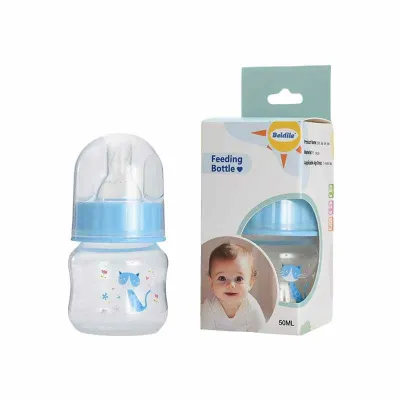

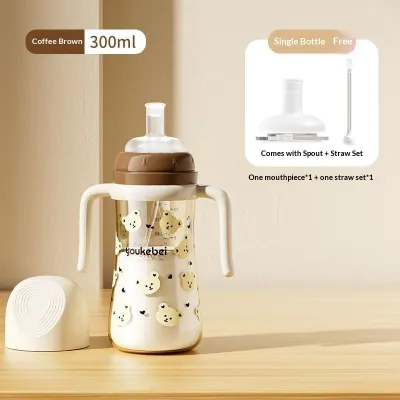
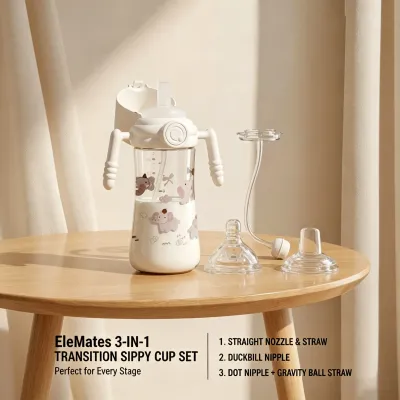
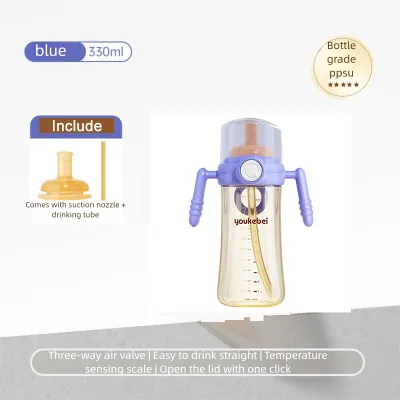
Prices are valid at publication and may change. Please refer to the product page for the latest price.
It is equally important to recognize when a nipple flow rate is incorrect for your baby’s current stage. If the flow is too fast, you may observe your baby choking, coughing, or sputtering during feeds. You might also notice milk leaking from the corners of their mouth or see them swallowing rapidly and gasping for air. These signs indicate that the liquid is overwhelming their swallowing reflex, which can make feeding stressful and increase the risk of spit-ups or discomfort. Caregiver supervision is essential during these moments to prevent choking hazards.
Conversely, a flow rate that is too slow can cause its own set of challenges. Your baby may fall asleep mid-feed due to exhaustion from sucking too hard, or they might become highly fussy and pull away from the bottle repeatedly. Feeding sessions that consistently stretch past thirty to forty minutes are a classic sign of an insufficient flow rate. By closely monitoring these daily patterns, you can determine exactly when it is time to step up to the next stage of bottle capacity or nipple flow.
Matching Youkebei Bottle Sizes and Nipple Flows to Each Stage
Once you have identified your baby’s developmental cues, the next step is selecting the appropriate bottle size and nipple flow from the Youkebei product lineup. Youkebei bottles are designed with clear capacity markings on the side of the bottle body, allowing you to monitor exact liquid intake. For early weaning stages, smaller bottle capacities are generally highly suitable as they match the smaller stomach sizes of younger infants. As your baby grows and begins consuming larger volumes of milk alongside solid foods, transitioning to a larger bottle capacity prevents the need for mid-feed refills.

Nipple flow rates are typically categorized into distinct stages, such as slow, medium, fast, or variable flow. These stages are engineered to match the natural progression of an infant’s sucking strength. Slow-flow nipples feature smaller openings designed for newborns, while medium and fast-flow options have larger or multiple openings to accommodate older babies. Variable-flow nipples, often featuring a Y-cut or X-cut design, are particularly useful during the weaning phase because they only open as wide as the baby sucks, allowing them to manage thicker liquids or adjust the flow dynamically.
To make an accurate selection, always check the manufacturer’s packaging for specific stage recommendations and age ranges. The packaging contains vital information regarding the intended age group, flow speed, and any safety warnings associated with that specific model. It is crucial to read these labels carefully before making a purchase, as choosing a nipple that does not match your baby’s developmental stage can lead to feeding difficulties or discomfort. When purchasing these items in the Philippines, check local retail prices or verify package contents on reputable online marketplaces to ensure you are getting genuine products.
Caregivers should avoid assuming that all bottles labeled for “weaning” or “transition” are identical or universally compatible. Youkebei offers various product lines, and parts such as collars, nipples, handles, and bottle bodies may not be interchangeable across different models. Before purchasing replacement nipples or larger bottle bodies, verify the exact model specifications to ensure a secure, leak-free fit. Using mismatched parts can compromise the bottle’s structural integrity and lead to frustrating leaks during feeding.
Design Features to Support the Milk-to-Cup Transition
The transition from a traditional bottle to an independent drinking cup is a major milestone that requires specific physical design features. When evaluating Youkebei bottles for this stage, look for ergonomic designs that encourage your baby to hold the bottle themselves. Contoured bottle bodies or models equipped with detachable, easy-grip handles are excellent for helping infants develop their fine motor skills and hand-eye coordination. In the warm and humid climate of the Philippines, babies’ hands can easily become sweaty, making textured or non-slip handles particularly beneficial for maintaining a steady grip.
Compatibility with transition accessories is another critical feature to consider during the weaning process. Many modern bottle systems offer interchangeable lids, allowing you to convert a standard feeding bottle into a training cup. Look for compatible spout lids, weighted straw inserts, or open-cup training rims that can be fitted onto your existing bottle body. A weighted straw is especially helpful because it moves with the liquid, allowing your baby to drink comfortably from any angle, whether they are sitting upright in a high chair or reclining.
An effective anti-colic venting system is essential when transitioning to faster flow rates or different drinking angles. As babies become more active during feeds, they are more likely to ingest air if the bottle does not vent properly. Ensure that the bottle you select features a reliable venting mechanism designed to balance the pressure inside the container. When assembling the bottle, double-check that the vent is completely clear of debris and correctly positioned according to the manufacturer’s instructions to prevent air bubbles from mixing with the milk.
Material safety and durability are paramount when choosing weaning tableware. Always check the product labels to verify that the bottle and all its components are certified BPA-free. Because weaning bottles are frequently dropped on hard floors as babies learn to hold them, selecting highly durable materials like PPSU or high-grade polypropylene is advisable. Additionally, ensure the material has high heat resistance to withstand frequent sterilization, which is crucial for maintaining hygiene in tropical environments where bacteria can multiply rapidly.
Safety Checks, Cleaning, and When to Replace Bottles
Maintaining strict hygiene and safety protocols is vital throughout your baby’s weaning journey. Regularly inspect all feeding equipment for signs of wear and tear, paying close attention to the silicone nipples. Over time, constant sucking and biting can cause micro-tears, which can harbor bacteria or pose a choking hazard if a piece of silicone tears off. Check the bottle body for cloudiness, persistent stickiness, deep scratches, or hairline cracks, as these are clear indicators that the material is degrading and needs to be replaced.
Cleaning and sterilization routines must align strictly with the manufacturer’s instructions and your pediatrician’s advice. In the humid climate of the Philippines, damp feeding equipment can quickly become a breeding ground for mold and mildew. Wash all disassembled parts immediately after each feed using a mild, baby-safe dishwashing liquid and a dedicated bottle brush. After washing, sterilize the parts using steam, boiling water, or a UV sterilizer, ensuring that every component is completely dry before storing them in a clean, covered container.
Knowing when to stop using a specific bottle or nipple is critical for your baby’s safety. If you detect any damage, such as a split nipple, a cracked collar, or a damaged vent valve, discard the part immediately. Furthermore, if your baby suddenly exhibits a severe feeding aversion, refuses to drink from the bottle, or shows signs of persistent physical discomfort during or after feeds, stop using the current setup and consult your pediatrician. A sudden change in feeding behavior may indicate an underlying health issue or a significant mismatch in flow rate that requires professional guidance.
Proper storage practices are just as important as thorough cleaning. Avoid storing assembled bottles, as trapped moisture can lead to bacterial growth inside the nipple and venting pathways. Keep all dry, disassembled components in a well-ventilated, dust-free cabinet away from direct sunlight and high-heat sources. By establishing a consistent inspection and cleaning routine, you can ensure that your baby’s transition equipment remains safe, hygienic, and fully functional throughout their development.
Frequently Asked Questions (FAQ)
Can I mix different nipple flow sizes on the same Youkebei bottle?
While some bottle bodies within the same Youkebei product line may accommodate different nipple flow sizes, you must always check the specific model’s instruction manual to confirm cross-compatibility. Forcing a nipple onto an incompatible collar or ring can compromise the anti-colic seal, leading to persistent leaks and messy feeds. More importantly, an improperly fitted nipple can collapse during feeding or slip out of the collar entirely, presenting a serious choking hazard for your baby. Always purchase official replacement parts designed specifically for your exact bottle model to ensure a secure and safe fit.
How do I know if the nipple flow is causing my baby's gas or colic?
If your baby is swallowing too much air during feeds, it may be due to an incorrect nipple flow rate or a malfunctioning anti-colic valve. Observe your baby’s feeding behavior closely; signs like loud clicking sounds, rapid gulping, or frequent gasping for air suggest that the flow rate is too fast, forcing them to swallow air to keep up. Alternatively, if the flow is too slow, they may suck aggressively and draw air in around the corners of their mouth.
To address this, inspect the bottle’s anti-colic valve assembly to ensure it is not blocked by milk residue or incorrectly positioned, as a blocked vent prevents proper air circulation and increases vacuum pressure. If you have adjusted the flow rate, verified the valve assembly, and ensured proper feeding posture, but your baby continues to experience severe gas, fussiness, or colic symptoms, consult your pediatrician for a comprehensive evaluation.

Community discussion
Share your experience or ask a question. Comments are reviewed before publication.