
Choosing the right training cup for your baby is a major milestone in their weaning journey. As your little one transitions from breast or bottle to solid foods, learning how to sip water independently becomes essential. In a tropical climate like the Philippines, keeping your baby hydrated is a daily priority, making the choice of cup even more critical.
The ideal training cup depends entirely on your baby’s current oral motor skills and developmental stage. Spout cups offer a familiar, highly controlled transition that mimics the shape of a bottle nipple. Straw cups encourage active suction and lip-closure skills, which are highly beneficial for speech development. Meanwhile, 360-degree cups teach the mechanics of edge-drinking, preparing your child to use standard open cups without the mess.
Rather than looking for a single perfect cup, parents should view training cups as tools for skill building. Each mechanism serves a specific purpose in your baby’s physical development. By understanding how these cups work and matching them to your baby’s readiness, you can make the weaning process smoother and more enjoyable for both of you.
Products mentioned in this guide
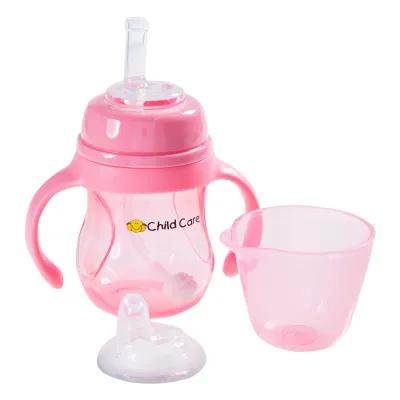
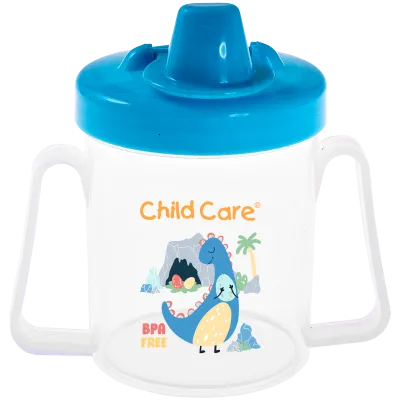

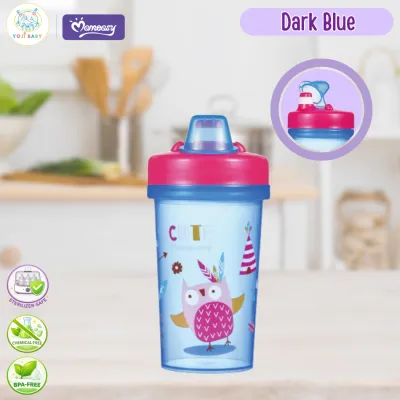
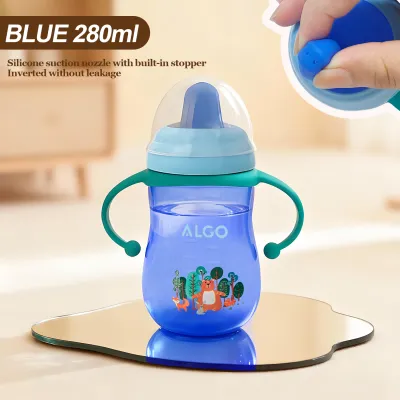
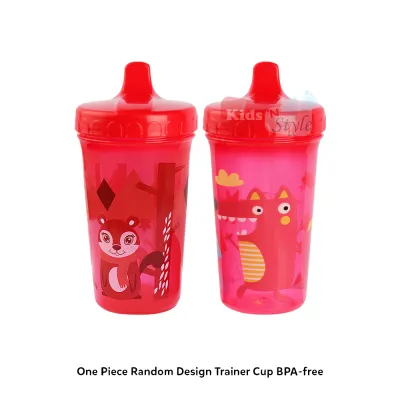
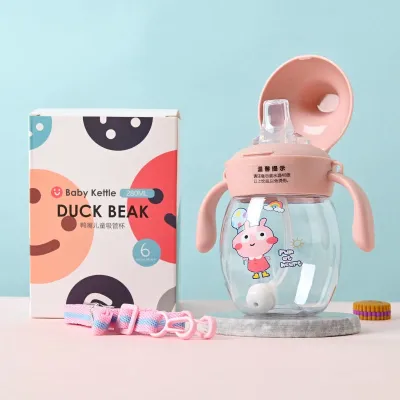
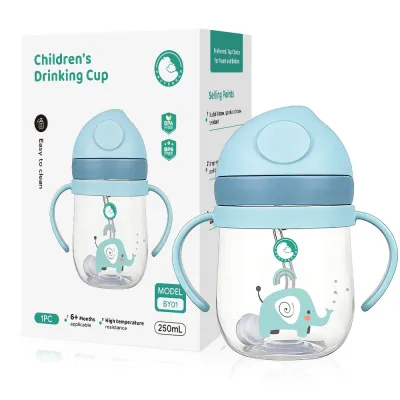
Prices are valid at publication and may change. Please refer to the product page for the latest price.
Quick Guide: Which Training Cup Fits Your Baby Right Now?
Selecting a training cup does not have to be a trial-and-error process. You can quickly identify the best starting point by looking at your baby’s current feeding habits and physical coordination.
If your baby is in the early stages of weaning (typically around six months old) and is just learning to sit up, a spout cup or a small open cup with assistance is often the easiest transition. The familiar shape helps them bridge the gap between sucking on a bottle and sipping liquids.
For babies around eight to nine months who have developed stronger lip control and can sit independently, a straw cup is an excellent choice. This stage is perfect for building the active suction skills needed to draw liquid upward.
If your toddler is around twelve months or older and shows a strong desire to mimic adult behavior, a 360-degree cup is highly suitable. It allows them to practice drinking from any side of the rim, preparing them for a standard glass.
Before introducing any new cup, always verify the manufacturer’s specific age and developmental guidelines printed on the product packaging. These recommendations ensure the cup’s flow rate and weight are safe and manageable for your baby’s specific age group.
How Straw, Spout, and 360-Degree Cups Actually Work
To choose the right cup, it helps to understand the mechanics behind each design and how they deliver liquid to your baby’s mouth.

Spout cups feature a raised, rigid, or semi-soft nozzle that fits easily into a baby’s mouth. These cups generally come in two designs: valved and valve-free. Valved spouts require the baby to apply pressure or suck to release the liquid, which prevents spills but demands more physical effort. Valve-free spouts allow the liquid to flow freely when tilted, making it easier for beginners to get water but increasing the likelihood of messy spills if the cup is dropped.
Straw cups utilize a thin tube that extends to the bottom of the cup, allowing the baby to drink without tilting their head back. Many modern baby straw cups feature a bite-valve mechanism. This design requires the baby to gently squeeze the silicone straw with their lips or tongue while simultaneously sucking to draw the liquid up. This dual action prevents leaks when the cup is tipped upside down but requires a higher level of oral coordination.
The 360-degree cup features a flat, circular lid sealed with a flexible silicone valve. To drink, the baby places their lips anywhere along the edge of the rim and sips. The pressure of their lips against the silicone seal breaks the vacuum, releasing a controlled flow of liquid. Once the baby stops pressing, the valve reseals instantly, preventing spills even if the cup is dropped or thrown.
Keep in mind that specific flow rates, valve sensitivities, and the physical effort required to extract liquid vary significantly by brand. Always check the product label to understand how the specific valve mechanism operates before introducing it to your child.
Matching the Cup Mechanism to Your Baby's Developmental Stage
Aligning the cup mechanism with your baby’s physical milestones ensures a smoother transition and supports healthy oral development.
During the early weaning phase, babies transition from the primitive sucking reflex used during breastfeeding or bottle-feeding to a mature swallowing pattern. Spout cups can serve as a helpful stepping stone because the wide, flat spout feels familiar to a baby accustomed to a nipple. However, pediatric feeding specialists often recommend using soft silicone spouts or transitioning quickly to other cup types to avoid prolonged reliance on a sucking motion that resembles bottle-feeding.
Developing suction skills through a straw cup engages a completely different set of facial muscles. Drinking from a straw requires the baby to purse their lips tightly around the tube, pull their tongue back, and coordinate their breathing with swallowing. This exercise strengthens the lips, cheeks, and tongue, which can positively influence speech development and jaw stability. Most babies are physically ready to practice this coordination between eight and ten months of age.
Advanced drinking skills are best supported by 360-degree cups, which closely mimic the mechanics of an open cup. When using a 360-degree cup, your baby learns to tilt their head back, control the flow of liquid using their upper lip, and swallow without relying on a straw or spout. This teaches them the exact lip placement and tilting motion they will need when they eventually graduate to a standard household glass.
Remember that developmental milestones are highly individual. Rather than relying strictly on age recommendations, observe your baby’s readiness cues. If your baby can sit upright without support, shows interest in your drinking glass, and can close their lips around a spoon, they are likely ready to try a training cup.
Practical Comparison: Cleaning, Durability, and Daily Use
While developmental benefits are crucial, the practicalities of daily cleaning and travel convenience will heavily influence your experience as a parent.
Disassembly and cleaning complexity vary widely among these cup types. Straw cups are notoriously difficult to clean because of the long, narrow straw and the tiny crevices inside the bite valve. In the warm, humid climate of the Philippines, moisture trapped inside these small spaces can quickly lead to mold growth if not cleaned and dried thoroughly. 360-degree cups are generally easier to clean because the silicone valve can be completely detached from the plastic lid, leaving wide, flat surfaces that are easy to scrub. Spout cups fall somewhere in the middle, requiring careful attention to the underside of the spout where residue can accumulate.
Leak resistance is another major factor, especially when packing a diaper bag for a family outing or a trip to the grocery store. Weighted straw cups and 360-degree cups are highly regarded for their spill-proof designs, making them excellent choices for travel. Spout cups with removable valves also offer great leak protection, but if the valve is removed to allow a faster flow, they will leak immediately when tipped over.
When purchasing any training cup, material verification is a vital step. Look closely at the packaging to ensure all components are labeled as food-grade silicone and BPA-free plastic. If you prefer extra durability and temperature control, stainless steel options are also available, though they tend to be heavier for small hands to hold.
There is often a direct trade-off between leak-proof performance and ease of use. Cups that are completely spill-proof require the baby to apply significant suction or lip pressure to get any liquid. If your baby becomes frustrated or refuses to drink, you may need to choose a cup with a freer flow, even if it means managing a few more spills during mealtime.
Decision Framework: Choose Based on Your Baby's Needs
To make your final decision, consider your primary goals, your baby’s current skills, and the specific environment where the cup will be used.
Choose a spout cup if:
- Your baby is under eight months old and is just beginning the weaning process.
- You want a simple, familiar transition from bottle-feeding.
- You are willing to supervise closely to manage potential spills from valve-free designs.
Choose a straw cup if:
- Your baby is at least eight months old and has shown the ability to suck liquid through a straw.
- You need a highly portable, leak-proof cup for travel, outdoor activities, or diaper bags.
- You want to actively promote oral motor strength and lip-closure skills.
Choose a 360-degree cup if:
- Your toddler is around twelve months or older and is ready to transition to an open cup.
- You want to minimize spills at the dining table while teaching adult-like drinking mechanics.
- You prefer a cup that is easy to disassemble, wash, and dry thoroughly.
Before making a purchase, verify if your baby has any specific oral motor delays or physical sensitivities. If your baby has been evaluated by a pediatrician or a pediatric feeding specialist, consult them first to see if a specific cup type or specialized feeding tool is recommended for their developmental needs.
Safety Checks, Maintenance, and Knowing When to Move On
Ensuring the safety and hygiene of your baby’s training cup requires regular inspection and proper maintenance.
Perform a routine inspection of all cup components before each use. Check silicone valves and straws for signs of wear and tear, such as tears, thinning, or bite marks from teething babies. Damaged silicone parts can tear completely, posing a choking hazard, and should be replaced immediately. Inspect the plastic lid seals to ensure they are intact and free from cracks.
Always clean the cup according to the manufacturer’s specific instructions. Use warm water and mild dishwashing liquid, and pay close attention to the valves and straws. In humid environments, allow all parts to air-dry completely in a well-ventilated area before reassembling the cup. Storing a cup with trapped moisture inside the valve is a primary cause of bacterial and mold accumulation.
As your baby grows, look for observable signs that they are ready to graduate to a standard open cup. If your child can hold a cup steadily with two hands, controls the tilt of the cup without dumping the contents, and can sip from the rim of your glass with minimal spilling, they are ready to move away from valves entirely.
If your baby experiences persistent coughing, choking, or extreme frustration while using a specific training cup, stop using it immediately. These signs may indicate that the flow rate is too fast or the mechanism is too difficult for their current developmental stage. In such cases, consult your pediatrician or a pediatric feeding specialist for personalized guidance.
Frequently Asked Questions (FAQ)
Can I skip the spout cup and go straight to a straw or 360-degree cup?
Yes, you do not need to follow a strict sequential progression from spout to straw to 360-degree cup. Cup progression is entirely based on your baby’s individual skill development and oral motor readiness. Many babies successfully bypass spout cups altogether and transition directly from breast or bottle to a straw cup or an open cup with assistance. If your baby shows strong lip control, can sit upright independently, and easily swallows purees or soft foods, they may be ready to try a straw or 360-degree cup directly. If your baby struggles with these alternative mechanisms or shows signs of feeding frustration, consult your pediatrician for advice on the best approach.
How do I properly clean training cup valves to prevent mold?
To prevent mold and bacterial growth, you must follow the manufacturer’s specific disassembly and cleaning instructions for each cup model. Always take the cup completely apart, removing all silicone valves, straws, and rubber seals from the lid. Use specialized, narrow brushes designed for straws to scrub the inner walls of tubes and small valve openings. After washing with warm, soapy water, lay all components out separately to air-dry completely before reassembling or storing them. If you notice any persistent black spots, discoloration, or tears in the silicone parts that cannot be cleaned, discard and replace those components immediately to ensure your baby’s safety.
Community discussion
Share your experience or ask a question. Comments are reviewed before publication.