
Choosing the right breast pump is one of the most personal decisions you will make during your breastfeeding journey. In the Philippines, where mothers often balance demanding office work, long daily commutes, and active household lives, finding a pump that aligns with your daily rhythm is essential. The youha gen 2 breast pump has emerged as a popular option in the local market, offering a hands-free, wearable design that promises to let you pump while multitasking. However, there is no single breast pump that serves as a perfect solution for every mother.
Whether the Youha Gen 2 is the right choice for you depends entirely on your specific lifestyle, your milk expression goals, and how you plan to integrate pumping into your daily routine. A working mother who needs to pump discreetly during office hours or while traveling in transit will have vastly different requirements than an exclusively pumping mother who needs to maximize milk output at home. By comparing this wearable pump against traditional plug-in models and alternative hands-free options, you can determine which design offers the right balance of suction power, portability, and convenience for your needs.
Core Features of the Youha Gen 2 Breast Pump
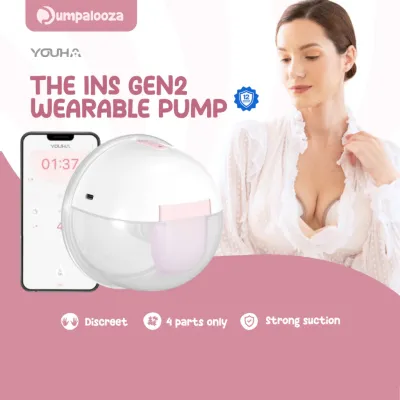
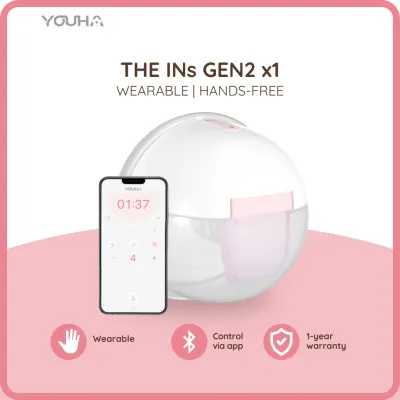
To understand how the Youha Gen 2 fits into your daily routine, it is helpful to look closely at its physical design and technical setup. Unlike traditional breast pumps that rely on a separate, heavy motor unit connected to your breast shields via long silicone tubing, this model features an integrated, all-in-one wearable design. The compact motor unit sits directly on top of the collection cup, allowing the entire assembly to fit securely inside a standard, supportive nursing bra. This eliminates dangling tubes and external wires, giving you the physical freedom to move around your home or workspace while expressing milk.
Products mentioned in this guide
Prices are valid at publication and may change. Please refer to the product page for the latest price.
The control interface is designed for straightforward, user-friendly operation. It typically features a clear LED screen that displays your current pumping mode, suction level, and an elapsed session timer. This visual feedback is particularly useful for tracking your sessions in low-light environments, such as during nighttime pumping or in a darkened office lactation room. Because the controls are positioned on top of the motor unit, you can easily glance down to monitor your settings and make adjustments without having to remove the pump from your bra.
Power flexibility is a critical factor for busy mothers, and this unit is powered by a built-in rechargeable lithium-ion battery. Charging is handled via a standard USB-C port, which provides excellent convenience for local users. This universal charging standard means you can easily power up the device using a laptop, a car charger during your commute, or a portable power bank—a vital backup option during unexpected power interruptions or when outdoor outlets are unavailable.
When purchasing, it is important to inspect the product packaging or official documentation to verify the exact battery capacity (typically measured in milliampere-hours, or mAh) and the specific flange sizes included in the box. Most wearable pumps package a standard 24mm or 28mm silicone breast shield, but you must measure your nipple base accurately to determine if you require smaller sizing inserts. Checking these specifications on the official product label before your first use ensures you achieve a proper fit and optimal suction performance.
How the Youha Gen 2 Compares Across Key Pumping Dimensions
Evaluating a breast pump requires looking beyond basic aesthetics to analyze how the device performs across critical operational categories. Different motor designs, battery capacities, and physical dimensions directly impact your daily comfort, milk yield, and overall pumping experience.

Suction Modes and Comfort Controls
Efficient milk expression relies on mimicking a baby’s natural nursing pattern, which begins with fast, light sucks to stimulate milk flow and transitions to slower, deeper draws once milk begins to flow. The Youha Gen 2 addresses this physiological process by offering multiple pre-programmed modes, typically including a stimulation (or let-down) mode, an expression mode, and a mixed mode that combines the two. These modes allow you to customize the rhythm to match your body’s unique let-down reflex.
While wearable pumps offer convenient multi-mode settings, they differ significantly from traditional hospital-grade pumps in how suction and cycle speed are controlled. Hospital-grade units often allow you to adjust vacuum strength (measured in mmHg) and cycle speed (cycles per minute) independently, giving you precise control over the pumping rhythm. In contrast, wearable pumps like the Youha Gen 2 generally link speed and suction together, meaning that as you increase the suction level, the cycle speed naturally slows down.
When comparing models, check if the pump features an automatic memory function that saves your last used settings, as this saves time during busy sessions. It is also wise to read verified user feedback regarding how smoothly the motor transitions between different suction levels, as sudden jumps in vacuum pressure can cause physical discomfort or temporary breast tissue sensitivity.
Portability, Battery, and Noise Levels
For mothers returning to work or managing active households in the Philippines, portability and discretion are paramount. The integrated design of wearable pumps provides unmatched physical mobility compared to traditional stationary models. You can easily walk around, prepare meals, or work at a desk while pumping. However, because the motor and the collected milk are both supported by your breast, the assembled unit can feel heavy. Using a snug, high-quality nursing bra is essential to keep the cups securely pressed against your chest and prevent suction leaks.
Battery life dictates how many pumping sessions you can complete before needing a power outlet. A reliable wearable pump should comfortably last through three to four 20-minute sessions on a single charge. If you commute long distances or have limited access to private spaces with electrical outlets, verifying the battery’s runtime is a key step.
Noise level is another crucial factor for office pumping or maintaining discretion in public spaces. Most modern wearable motors are engineered to operate quietly, aiming for noise levels below 50 decibels—equivalent to a soft hum or quiet office background noise. However, no motor is completely silent. If you plan to pump during online meetings or in shared workspaces, comparing user reports on motor vibration and noise levels will help you choose a model that minimizes distraction.
Hygiene and safety are also closely tied to pump design. The Youha Gen 2 utilizes a closed-system design, which incorporates a physical silicone diaphragm barrier between the collection cup and the motor. This barrier prevents breast milk from backflowing into the motor housing or tubing. In the warm, humid tropical climate of the Philippines, a closed system is absolutely vital. It prevents moisture from getting trapped inside inaccessible motor components, protecting the device from internal mold growth and ensuring the expressed milk remains clean and safe for your baby.
Flange Fit, Parts Availability, and Cleaning
No matter how powerful a breast pump’s motor is, you will not express milk efficiently if your breast shield does not fit correctly. A flange that is too large will draw too much of your areola into the tunnel, causing swelling and friction, while a flange that is too small will compress your milk ducts and restrict flow. To find your correct size, measure the diameter of your nipple base (excluding the areola) before a pumping session, and add 2 to 3 millimeters to determine your ideal flange size. If the standard sizes included in the pump package do not match your measurements, you will need to purchase silicone flange inserts to adjust the tunnel diameter.
Before finalizing your purchase, consider the long-term availability and cost of replacement parts in the local market. Silicone components like duckbill valves, diaphragms, and breast shields are wear-and-tear items that naturally stretch and degrade over time, leading to a gradual loss of suction. Having a brand with established local distributors in the Philippines is a major advantage. If a valve tears unexpectedly, being able to quickly source authentic replacement parts from local baby boutiques or reliable online marketplaces prevents stressful disruptions to your pumping schedule.
Cleaning requirements also impact daily usability. You must disassemble and wash all parts that come into contact with breast milk after every use. In humid climates, plastic and silicone parts take longer to air dry, making it helpful to have a second set of spare parts on hand. Always check the manufacturer’s care instructions to verify which parts are safe for steam, UV, or boiling water sterilization, as excessive heat can warp delicate silicone pieces and compromise the pump’s airtight seal.
Side-by-Side Specification Checklist for Breast Pump Shoppers
To help you compare different pump styles side-by-side, the checklist below outlines the key structural differences between the Youha Gen 2, a typical alternative wearable pump, and a traditional double electric or hospital-grade pump. Before purchasing, always verify current stock, exact model variations, and regional warranty terms with authorized Philippine sellers.
| Feature / Specification | Youha Gen 2 | Popular Wearable Alternative | Popular Traditional / Hospital-Grade Alternative |
|---|---|---|---|
| System Type | Closed system with silicone diaphragm barrier | Closed system with silicone diaphragm barrier | Closed system with backflow protectors |
| Power Source | Built-in rechargeable battery (USB-C charging) | Built-in rechargeable battery (USB-C or proprietary charging) | AC power adapter; some models include built-in rechargeable batteries |
| Portability & Weight | Highly portable; integrated motor sits directly on the cup | Highly portable; integrated motor sits directly on the cup | Semi-portable; separate motor unit with handle, connected via tubing |
| Included Flange Sizes | Typically 24mm and 28mm (verify exact packaging contents) | Typically 24mm (verify exact packaging contents) | Typically 24mm and 28mm (verify exact packaging contents) |
| Suction Controls | Pre-programmed modes with combined speed/suction levels | Pre-programmed modes with combined speed/suction levels | Independent control of cycle speed and vacuum strength |
| Warranty & Support | Verify local warranty coverage with authorized Philippine distributor | Verify local warranty coverage with authorized Philippine distributor | Verify local warranty coverage with authorized Philippine distributor |
Using this checklist allows you to weigh the physical trade-offs of each design. While wearable models offer unmatched physical freedom, traditional hospital-grade pumps provide superior motor durability and highly precise control settings, making them the preferred choice for establishing milk supply in the early weeks postpartum.
Decision Framework: Which Breast Pump Fits Your Routine?
To make your final decision, evaluate your daily schedule, physical space, and breastfeeding goals against these conditional scenarios:
- Choose the Youha Gen 2 if: You are a working mother, commuter, or active parent who needs a balanced, hands-free pumping solution on a mid-range budget. It is highly suitable for maintaining an established milk supply while multi-tasking at an office desk, managing household chores, or traveling. Its standard USB-C charging capability makes it highly practical for environments where power outlets are limited.
- Choose a Hospital-Grade or Traditional Alternative if: You are exclusively pumping, working to establish your milk supply during the first few weeks postpartum, or dealing with low milk production. The robust, heavy-duty motors in stationary pumps provide consistent, highly customizable suction patterns that are typically more effective at thoroughly emptying the breasts during frequent daily sessions.
- Choose a Premium Hands-Free Wearable Alternative if: You require absolute discretion, ultra-quiet motor operation, and advanced smart-app tracking features, and you have a flexible budget to invest in high-end wearable technology.
- Verify First if: You have unique nipple anatomy that requires specialized flange sizes or custom silicone inserts. You should also confirm the availability of local customer service, repair centers, and genuine replacement parts in your specific province or region of the Philippines before committing to a particular brand.
Frequently Asked Questions (FAQ)
Can I use third-party flanges or bottles with the Youha Gen 2?
You should always check the manufacturer’s compatibility guidelines before attempting to use third-party accessories with your pump. Because wearable breast pumps rely on a highly precise, airtight seal between the silicone diaphragm, the valve, and the collection cup to generate suction, mixing parts from different brands can compromise this seal. Using unverified third-party parts may lead to a significant drop in suction efficiency, milk leakage, or backflow contamination that could damage the motor and void your manufacturer’s warranty. To protect your device and ensure consistent performance, it is best to stick to authentic replacement parts designed specifically for your model.
How do I safely clean and sterilize the pump parts?
To maintain hygiene and protect your infant’s health, you must clean all parts that come into contact with breast milk after every pumping session. Begin by carefully disassembling all washable components, including the silicone breast shield, the collection cup, the duckbill valve, and the diaphragm. Never wash, submerge, or expose the electronic motor unit or charging cable to water; instead, wipe the exterior of the motor with a clean, damp cloth if necessary.
Rinse the washable parts in cold water immediately after use to prevent milk proteins from sticking. Wash all components in warm, soapy water using a mild dishwashing liquid or dedicated baby bottle cleanser, employing a soft brush to clean hard-to-reach areas. Avoid using harsh abrasive scrubbers that can scratch the plastic or tear the delicate silicone valves. Rinse thoroughly under clean running water.
For sterilization, consult your user manual to verify which parts are heat-resistant. If using boiling water, submerge the sterilized parts for 3 to 5 minutes, ensuring they do not touch the hot bottom or sides of the pot. If you use a steam or UV sterilizer, confirm that your specific pump parts are rated for those methods, as prolonged exposure to high heat or UV light can cause silicone to degrade and lose elasticity faster. Allow all parts to air dry completely on a clean, dedicated drying rack in a well-ventilated area before reassembling, as trapping moisture inside the assembled pump can encourage bacterial growth.

Community discussion
Share your experience or ask a question. Comments are reviewed before publication.