
Deciding on a breast pump is one of the most significant choices you will make during your breastfeeding journey. The right equipment helps you maintain your milk supply, provides flexibility in your daily schedule, and ensures your baby continues to receive breast milk even when you are apart. Because every mother’s routine, body, and budget are unique, there is no single option that works perfectly for everyone.
Choosing between a manual breast pump and an electric breast pump comes down to balancing convenience, speed, physical effort, and cost. While one offers ultimate portability and simplicity, the other provides high-speed efficiency and automated comfort. Understanding how each type aligns with your lifestyle will help you make an informed purchase that supports your long-term feeding goals.
Quick Answer: How to Decide Between Manual and Electric
Making a quick decision requires looking honestly at your daily routine, budget, and how often you plan to express milk.
Products mentioned in this guide

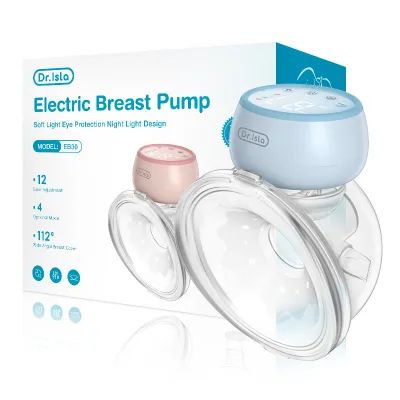
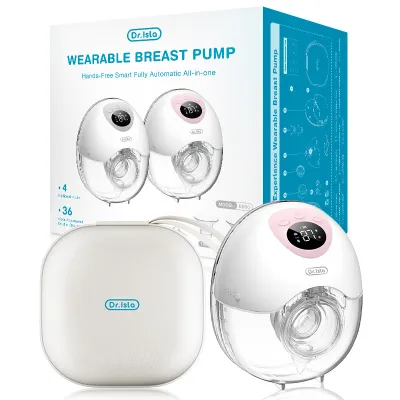
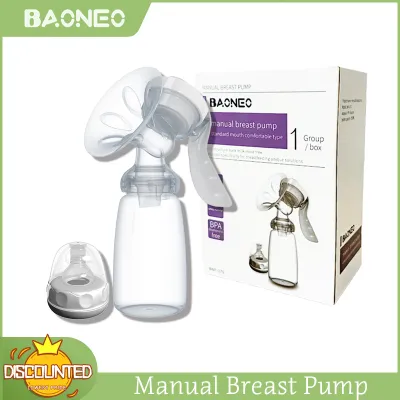
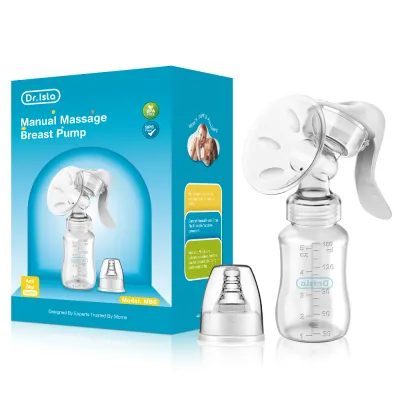
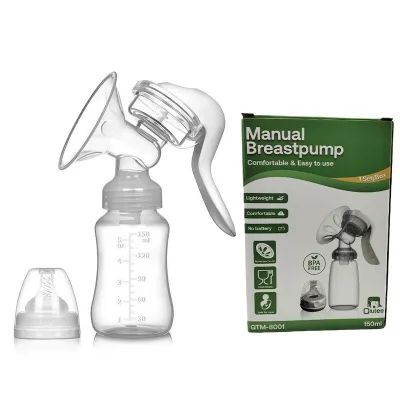
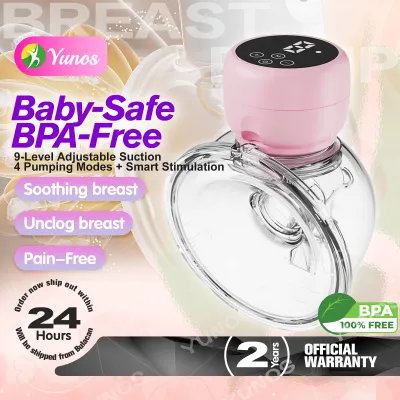
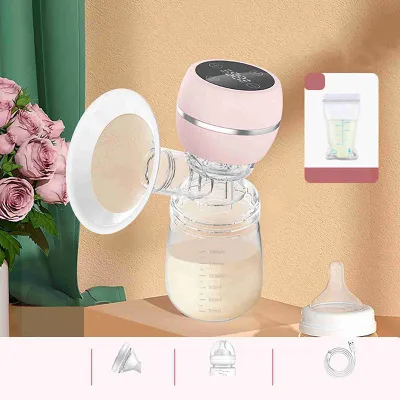
Prices are valid at publication and may change. Please refer to the product page for the latest price.
Choose a manual pump if:
- You plan to express milk only occasionally, such as once or twice a week.
- You have a tight budget and want to avoid ongoing expenses for motors or batteries.
- You travel frequently, commute on public transportation, or need a silent option for public spaces.
- You want a simple, lightweight backup to keep in your diaper bag for emergencies.
Choose an electric pump if:
- You are returning to work full-time and need to pump multiple times a day.
- You are exclusively pumping and rely entirely on a machine to maintain your milk supply.
- You want to save time by expressing milk from both breasts simultaneously (double pumping).
- You prefer a hands-free setup that allows you to multi-task while expressing milk.
Verify first if:
- Your workplace has a private lactation room equipped with electrical outlets, as required by local labor guidelines.
- Your daily commute involves long hours in transit, which might make carrying a heavy motor impractical.
- Your health insurance, HMO, or company maternity benefits offer coverage or rental options for high-end electric models.
Core Mechanics: How Manual and Electric Pumps Operate
To choose the right tool, it helps to understand how these devices physically interact with your body. A manual breast pump relies entirely on physical effort. You compress a hand-operated lever or handle to create suction, releasing it to mimic a baby’s natural pause. This design gives you complete, real-time control over the suction strength and the physical rhythm of each squeeze. However, because it requires continuous hand movement, the speed and consistency depend entirely on your physical stamina.

In contrast, an electric breast pump utilizes an electric motor to generate suction. These machines feature programmable suction cycles that automatically transition from a fast, light stimulation phase (to trigger milk let-down) to a slower, deeper expression phase. You can adjust the speed and suction levels using a digital screen or physical buttons. This automated system ensures a highly consistent rhythm throughout your session without requiring manual labor.
Setup time and power requirements differ significantly between the two types. Manual models consist of only a few pieces and require zero power, making them instantly ready for use anywhere. Electric models require a power source, relying on rechargeable lithium-ion batteries, disposable AA batteries, or a direct connection to an electrical outlet. The presence of tubes, cords, and a motor unit means electric pumps require more space and preparation time before you can begin pumping.
It is important to note that individual body responses to suction patterns vary greatly. Some mothers find that the mechanical, highly consistent rhythm of an electric pump triggers a faster let-down, while others respond better to the gentle, personalized control of a manual lever. What works exceptionally well for one person may not yield the same results for another, regardless of the pump’s price or technology.
Practical Comparison: Efficiency, Portability, and Daily Use
How a pump fits into your daily life depends on several practical factors. Evaluating these dimensions will help you visualize using each device in your home, workplace, or during your daily commute.
Efficiency and Milk Expression
When it comes to time management, electric pumps generally offer superior efficiency. A double electric model allows you to express milk from both breasts at the same time, which typically cuts your total pumping session down to 15 or 20 minutes. Manual pumps can only express milk from one breast at a time, meaning a full session can take 30 to 40 minutes. Additionally, manual pumping requires constant physical exertion, which can lead to significant hand and wrist fatigue over multiple sessions.
Let-down stimulation also differs between the two designs. Electric pumps are engineered to mimic a baby’s natural suckling rhythm, starting with rapid, shallow vibrations to stimulate the nerves in the nipple before moving to deeper draws. With a manual pump, you must manually replicate this pattern by squeezing the handle quickly and shallowly at first, then transitioning to long, slow holds once your milk starts flowing.
Ultimately, your total milk output depends heavily on your individual physiology, hydration levels, and a proper flange fit. A flange that is too large or too small can cause pain and restrict milk flow, regardless of how powerful your pump’s motor is. Ensuring you use the correct shield size is just as critical to your efficiency as the mechanical power of the pump itself.
Portability and Convenience
For mothers navigating daily commutes in busy metropolitan areas, portability is a major consideration. Manual pumps are incredibly lightweight and have a tiny physical footprint. They easily slide into a standard diaper bag or purse without adding noticeable weight. Because they do not require power outlets, charging cables, or battery packs, they offer unmatched convenience when you are on the move.
Electric pumps range from bulky tabletop units to compact, wearable models. While traditional double electric pumps require carrying a dedicated bag for the motor unit, tubing, and power adapter, modern wearable electric pumps fit directly inside your nursing bra. These wearable options offer hands-free convenience, allowing you to move around the house or work at your desk while pumping, though they still require regular charging.
Discreetness is another factor when pumping outside the home. A manual pump is highly discreet because it has no cords and fits entirely in one hand. Wearable electric pumps are also discreet because they sit hidden inside your clothing, but they do add physical bulk to your silhouette, which may be noticeable depending on your outfit.
Noise Level and Privacy
Privacy often depends on how much noise your equipment makes. Electric pumps feature motorized parts that produce an audible hum and physical vibration. While many modern manufacturers design quiet motors, the sound is still noticeable in a quiet room. This hum can make pumping discreetly in a shared office cubicle or a public restroom challenging, and it may occasionally disturb a light-sleeping baby nearby.
Manual pumps operate in near-total silence. Because there is no motor, the only sound produced is the quiet hiss of the vacuum seal releasing and the sound of milk dripping into the bottle. This silent operation makes manual pumps highly desirable for middle-of-the-night pumping sessions at your bedside or when you need to express milk discreetly during a virtual work meeting.
Cleaning, Assembly, and Maintenance
Maintaining strict hygiene is vital for your baby’s health, meaning your pump must be cleaned and sterilized regularly. Manual pumps typically feature very few components—usually just a breast shield, a pump body, a silicone diaphragm, a valve, and a bottle. With fewer parts to wash, sanitize, and dry, the cleanup process is fast and straightforward, which is highly beneficial in humid tropical climates where slow-drying parts can invite bacterial growth.
Electric pumps involve a more complex assembly. In addition to the shields, valves, and bottles, you must manage connectors, diaphragms, and long silicone tubing. Tubing must be kept completely dry to prevent moisture from entering the motor, which can lead to mold development. Cleaning these extra parts takes more time and requires careful attention during reassembly to ensure you do not lose suction.
Always check the manufacturer’s labels and user manuals before washing your pump parts. While some silicone and plastic components are dishwasher-safe, others must be hand-washed in warm, soapy water and sterilized using steam, boiling water, or UV sterilizers. Keeping the part count low generally translates to faster daily maintenance and less stress.
Budgeting: Upfront Costs and Long-Term Value
Financial considerations play a major role in deciding which pump to buy. Manual breast pumps serve as a highly budget-friendly entry point. They are inexpensive to purchase initially, making them an accessible option for families who want to try pumping without making a large financial commitment.
Electric breast pumps represent a much higher initial investment. High-quality single or double electric models, especially those with closed-system motors and smart tracking features, can cost several thousand pesos. However, if you plan to pump daily for a year or more, this upfront cost distributed over hundreds of sessions represents excellent long-term value in terms of time saved.
Beyond the initial purchase, you must factor in the ongoing cost of replacement parts. Silicone valves, membranes, and diaphragms naturally stretch and wear out over time, leading to a loss of suction. These parts must be replaced every few months depending on how frequently you pump. Electric pumps also have tubing that can degrade, and their rechargeable batteries will eventually hold less charge over years of continuous use.
Before purchasing an expensive electric model out of pocket, check if your local health insurance, HMO, or company maternity benefits in the Philippines cover breast pump purchases or offer rental programs. Some employers provide corporate wellness benefits that reimburse maternal care essentials, which can significantly offset your startup costs.
Lifestyle Match: Choosing Based on Your Daily Routine
To make the final choice, look at how your daily schedule is structured and what your specific breastfeeding goals look like over the next few months.
For Exclusive Pumping or Returning to Work
If you are returning to an office or running a business full-time, your time is highly structured. For mothers who must pump three to four times during a workday, a double electric breast pump is almost always the preferred choice. It allows you to maintain your milk supply efficiently by expressing milk quickly during designated office breaks, ensuring you do not fall behind on your professional duties.
When preparing for a return to the workplace, look for electric pumps that are compatible with hands-free pumping bras. A quiet motor is also essential if you need to pump while taking phone calls or working in a shared office space. Having a reliable, automated system makes transitioning back to work much smoother and helps sustain your breastfeeding journey for longer.
For Occasional Use, Travel, or Relieving Engorgement
If you primarily breastfeed directly and only need to pump occasionally, a manual pump is highly practical. It is an excellent tool for building a small freezer stash of milk for when you run errands, or for quickly relieving sudden breast engorgement when your baby sleeps through a feeding. It fits easily into a diaper bag, making it perfect for family day trips or travel.
In the Philippines, where tropical weather can occasionally lead to localized power outages or brownouts, having a manual pump is incredibly reassuring. It guarantees that you can safely express milk and relieve physical discomfort even when there is no electricity or battery power available, making it a reliable emergency tool.
The Combo Approach: Using Both Types
Many experienced mothers find that the most practical solution is not choosing one over the other, but rather utilizing both types of pumps. In this combo approach, you use a double electric pump as your primary workhorse at home or at your office desk to handle high-volume, daily expression sessions quickly and comfortably.
Meanwhile, you keep a lightweight manual pump in your diaper bag or vehicle as a backup. This ensures you are never caught without a way to express milk if your electric pump’s battery dies, if you forget a power cord, or if you need to quickly relieve engorgement while traveling. Having both options provides ultimate peace of mind and flexibility.
Safety and Hygiene: What to Verify Before You Buy
Prioritizing safety and hygiene protects your baby from harmful bacteria and chemical exposure. When shopping for any breast pump, always check the product labels to ensure all plastic and silicone parts that come into direct contact with breast milk are explicitly marked as BPA-free and BPS-free. These chemical-free materials ensure your milk remains safe and uncontaminated during expression and storage.
It is also highly recommended to verify local regulatory compliance. Look for FDA Philippines registration or official clearance marks on the packaging to ensure the device has met local safety and quality standards. Buying unregulated products from unverified online sources can expose your baby to low-grade plastics that may degrade quickly under high sterilization temperatures.
Be highly cautious regarding the hygiene risks of buying second-hand or borrowed breast pumps. Breast pumps are classified as either open or closed systems:
- Closed-system pumps feature a physical barrier (a silicone diaphragm) between the milk collection kit and the pump motor. This barrier prevents milk and moisture from backing up into the motor, making them hygienic and safe for multi-user use, provided you use a brand-new collection kit.
- Open-system pumps do not have this barrier. Aerosolized milk particles can enter the internal motor housing, where they cannot be cleaned or sterilized. This creates a breeding ground for mold and bacteria, making open-system pumps unsafe to share or purchase second-hand.
To protect your investment and your health, purchase your breast pump from authorized retailers, official brand stores, or reputable pharmacies. This ensures your manufacturer’s warranty remains valid, gives you access to reliable customer service, and guarantees you are buying genuine, non-counterfeit replacement parts that fit your machine perfectly.
Frequently Asked Questions (FAQ)
Can I use a manual breast pump every day?
Yes, you can use a manual breast pump every day. However, doing so requires a significant time commitment and can lead to hand and wrist fatigue due to the repetitive squeezing motion. Daily manual pumping is generally most sustainable for mothers who have a highly responsive milk supply, those who only need to pump once a day to supplement direct breastfeeding, or those who prefer shorter sessions.
Do electric breast pumps hurt more than manual ones?
No, electric breast pumps should not hurt. If you experience pain, it is typically caused by using incorrect suction settings, an improper flange size, or experiencing localized tissue damage, rather than the pump type itself. Always start your electric pump session on the lowest suction setting and gradually increase it to a comfortable level. If pain or physical discomfort persists, stop using the pump and consult a lactation professional or healthcare provider.
How do I know if a breast pump is hospital-grade?
True hospital-grade breast pumps are heavy-duty, closed-system devices designed with powerful, highly consistent motors that can initiate and build a milk supply even if a baby cannot nurse directly. These multi-user pumps are typically rented through medical equipment suppliers or used within clinical settings rather than purchased at retail. To verify if a pump is hospital-grade, check the manufacturer’s specifications for closed-system clinical certifications, and consult your healthcare provider or a lactation consultant for personalized recommendations.
Community discussion
Share your experience or ask a question. Comments are reviewed before publication.