
Choosing between the Yootree nursing cover and other nursing covers in the Philippines comes down to verifying specific design features, fabric breathability, and how well the product fits your daily breastfeeding routine. While the Yootree nursing cover is popular for its multi-use design, parents must carefully evaluate its physical dimensions, material composition, and structural features against alternative options to ensure it meets their personal comfort and safety needs. There is no single option that suits every parent, making a hands-on comparison of fabric labels and design styles essential before purchasing.
In the warm and humid climate of the Philippines, a nursing cover must balance privacy with adequate ventilation to keep both the mother and baby comfortable. Evaluating these products requires looking past general marketing claims and focusing on observable features such as neckline rigidity, fabric weave, and strap adjustability. By understanding what to look for on the product packaging and care labels, you can make an informed decision that supports your breastfeeding journey.
Key Features to Compare: Coverage, Fit, and Multi-Use Design
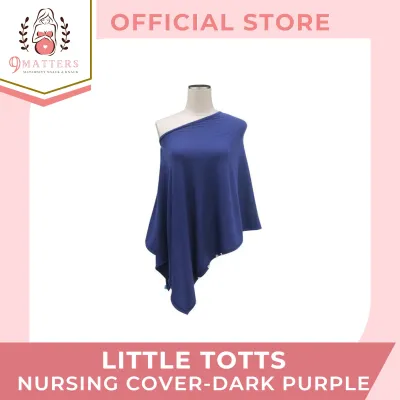
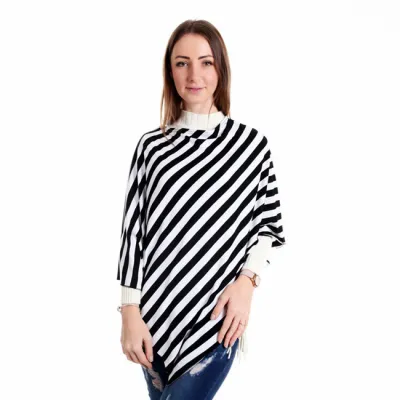
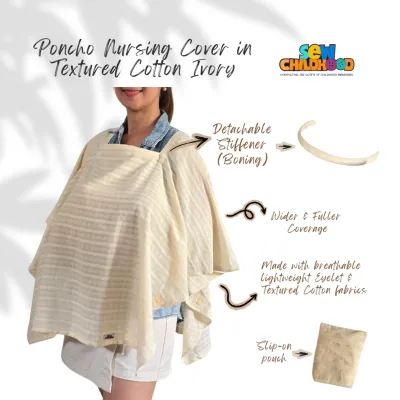
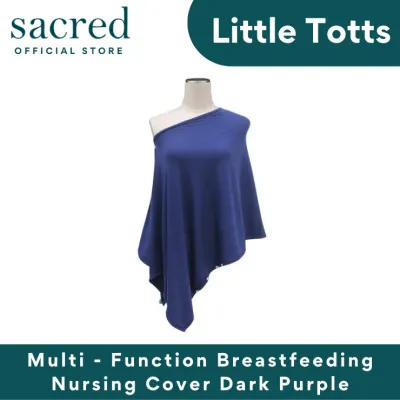
When comparing the Yootree nursing cover to other options on the market, the overall coverage style is one of the first design elements to evaluate. Nursing covers generally fall into three main categories: aprons, infinity scarves, and ponchos. An apron-style cover typically provides front coverage with an adjustable neck strap, allowing for maximum airflow from the sides and back, which is highly beneficial in warm tropical environments. Poncho and infinity scarf styles offer 360-degree coverage, ensuring complete privacy from all angles, but they may trap more body heat depending on the fabric thickness.
Products mentioned in this guide
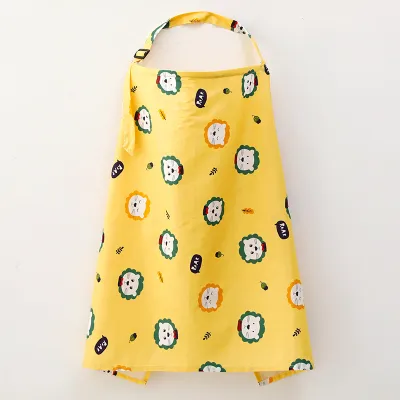
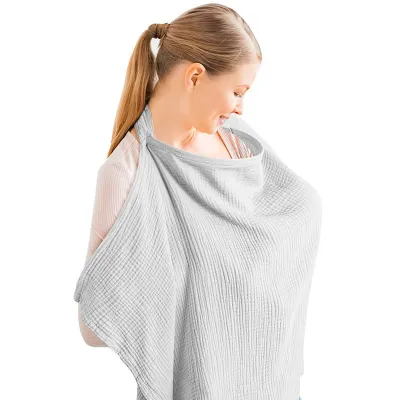
![[Local Shipment] Breathable Baby Nursing Cover Maternity Breastfeeding Cover Cotton Muslin Baby Feeding Blanket Privacy Apron Stroller Blankets](https://img.lazcdn.com/g/p/5d3410978ec8d31ecdb808c17966ff7f.jpg_400x400q80.jpg_.webp)
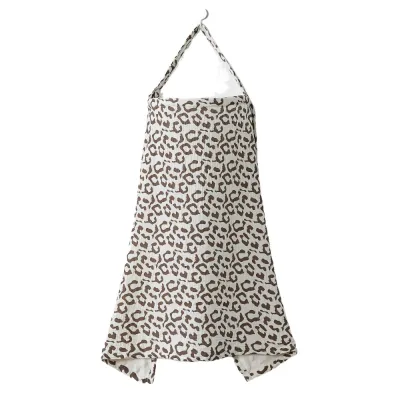
Prices are valid at publication and may change. Please refer to the product page for the latest price.
Another critical feature to inspect is the neckline structure of the cover. Many apron-style covers, including certain designs from Yootree and its competitors, feature a rigid or semi-rigid neckline. This structured bow holds the fabric away from the mother’s chest, creating a small viewing window that allows you to maintain direct eye contact with your baby while nursing. When evaluating a cover in person or reading product specifications, check whether the neckline material is flexible enough to bend without losing its shape, as a flimsy neckline can collapse and block your view of the baby’s latch.
Multi-functionality is a common selling point for modern nursing covers, with many brands claiming their products can double as stroller canopies, high chair covers, or shopping cart liners. To verify these claims, you should check the physical dimensions and stretch of the fabric. A cover intended for multi-use must have sufficient elasticity to stretch over various infant gear shapes without tearing or losing its original form. Additionally, look for secure attachment points, such as snaps or loops, which prevent the cover from slipping off when used on a stroller or high chair.
Caregivers should also consider how easy the cover is to put on and adjust with one hand. When holding a fussy baby, struggling with complicated buckles or tight necklines can cause unnecessary stress. Look for adjustable neck straps with simple slide rings or snap closures that allow you to quickly secure the cover. Comparing these physical design elements will help you determine whether the Yootree cover or an alternative style aligns better with your physical comfort and ease of use.
Evaluating Material Quality and Breathability for Tropical Climates
The climate in the Philippines demands careful attention to fabric selection, as high humidity can quickly make breastfeeding uncomfortable for both mother and child. When shopping for a nursing cover, do not rely solely on vague marketing terms like “ultra-soft” or “breathable.” Instead, locate the physical care label on the product or check the detailed specifications on the manufacturer’s official website to identify the exact fabric blend. Common materials include pure cotton, bamboo viscose, rayon, and polyester blends, each offering distinct physical properties.

Pure cotton is a traditional choice known for its durability and natural feel, though some tightly woven cotton fabrics can feel heavy in humid weather. Bamboo viscose and rayon blends are highly regarded for their lightweight texture, smooth feel, and natural moisture-wicking properties, which help draw sweat away from the skin. Polyester and spandex blends are frequently used in multi-use poncho covers because they provide the necessary stretch to fit over strollers and car seats, but they may offer less breathability than natural fibers if the weave is too dense.
To assess the breathability of a nursing cover before buying, hold the fabric up to a light source to observe the density of the weave. An open, lightweight weave allows air to circulate more freely, reducing the risk of heat buildup underneath the cover. If you are purchasing online, look for user reviews that specifically mention how the fabric performs in non-air-conditioned environments or during outdoor use in warm weather.
Skin safety is another paramount consideration, as the nursing cover directly touches your baby’s sensitive skin. Parents should check the product packaging or official documentation for recognized textile safety certifications, such as the OEKO-TEX Standard 100, which indicates the fabric has been tested for harmful substances. If a brand claims its product is hypoallergenic or organic, verify these assertions by looking for official certification labels rather than taking promotional descriptions at face value. If your baby has extremely sensitive skin or eczema, consulting a pediatrician or dermatologist can help you choose the safest fabric options.
Assessing Price, Value, and Authenticity in the Philippines
Price is a practical factor for most families, and comparing the cost of the Yootree nursing cover against alternatives requires looking at the overall value package. In the Philippines, nursing cover prices can range from budget-friendly options to premium imported brands, with prices typically presented in Philippine Pesos (₱). When comparing prices on authorized online marketplaces or official brand websites, consider what is included in the purchase price.
Some brands justify a higher price point by including practical accessories that enhance the product’s utility. For example, look for packages that include a matching storage pouch to keep the cover clean inside your diaper bag, or built-in features like a corner pocket made of terry cloth for quick cleanups. Adjustable straps, reinforced stitching, and high-quality hardware also add to the long-term value of the product, as they ensure the cover can withstand frequent washing and daily wear throughout your breastfeeding journey.
Due to the popularity of major baby brands, counterfeit products and unauthorized replicas are common on various ecommerce platforms. Purchasing a counterfeit nursing cover poses safety risks, as these items may use cheap, non-breathable synthetic fabrics or chemical dyes that irritate your baby’s skin. To ensure authenticity, look for key red flags such as missing brand tags, uneven or loose stitching, and unauthorized third-party sellers offering the product at unrealistically low prices.
Always prioritize buying from official brand stores, flagship digital storefronts, or authorized local distributors in the Philippines. These sellers are more likely to provide genuine products that adhere to safety standards. Additionally, purchasing from authorized channels often grants you access to reliable customer service, clear return policies, and product warranties, which can be invaluable if you encounter any manufacturing defects.
Decision Framework: Which Nursing Cover Fits Your Routine?
To make your final decision, it helps to match the verified features of the Yootree nursing cover and its competitors to your specific lifestyle and feeding habits. If you primarily nurse in air-conditioned indoor spaces or prefer a highly versatile item that can easily transition from a nursing cover to a stretchy stroller canopy, a multi-use cover like the Yootree may fit your routine well. This option is suitable for parents who value space-saving gear and prefer a modern, streamlined look.
On the other hand, you should choose an alternative nursing cover if your daily routine involves frequent outdoor feeding in humid, non-air-conditioned environments where a highly breathable, open-weave cotton apron-style cover would provide better airflow. An alternative is also preferable if you require specialized features not found on standard multi-use covers, such as integrated nursing pads to absorb leaks, structured internal pockets, or specific ergonomic neck supports that keep the fabric completely away from your baby’s face.
Before finalizing your purchase on any online marketplace, make it a rule to verify the seller’s credentials. Check the seller’s rating, read recent customer feedback, and review the platform’s return and refund policies. Ensuring that you can easily return or exchange the product if it does not match the advertised specifications or if you detect any quality issues upon delivery will protect your investment and ensure a stress-free shopping experience.
Frequently Asked Questions (FAQ)
Can a nursing cover double as a car seat or stroller cover?
While many multi-use nursing covers are advertised as car seat or stroller covers, parents must exercise extreme caution when using them for this purpose. Covering an infant car seat or stroller completely can restrict airflow, trap heat inside, and rapidly increase the temperature around your baby, posing a serious risk of overheating. Always check your car seat or stroller manufacturer’s instruction manual before applying any cover. If you do use a cover to block light or wind, ensure it is made of highly breathable fabric, never leave the baby unattended, and leave a wide opening for fresh air to circulate freely.
How should I wash and maintain my nursing cover?
Proper maintenance is essential to keep your nursing cover hygienic and durable. Always refer to the specific washing instructions on the garment’s physical care label, as different fabric blends require different care to prevent shrinking, color fading, or structural damage. Generally, it is recommended to wash nursing covers using baby-safe, fragrance-free laundry detergents to protect your infant’s sensitive skin from irritation. Avoid using harsh fabric softeners or bleach, as these can leave chemical residues on the fabric and degrade the moisture-wicking properties of synthetic or bamboo fibers over time.

Community discussion
Share your experience or ask a question. Comments are reviewed before publication.