
Choosing the right nursing cover is all about balancing your personal comfort, your baby’s temperament, and the environment where you feed. There is no single design that works perfectly for every mother, but matching the structural style of the cover to your daily routine makes breastfeeding on the go much more manageable. By understanding how each style performs in terms of coverage, airflow, and ease of use, you can select a cover that keeps both you and your baby comfortable.
To make a quick decision, you can match your primary feeding environment to the most suitable design. If you prioritize complete 360-degree coverage and want a versatile accessory you can wear as clothing, a scarf-style cover is your best option. If you frequently nurse in warm or humid environments and need to maintain constant eye contact to help your baby latch, an apron-style cover is the ideal choice. If you want a multi-functional item that stretches over strollers and high chairs while doubling as a high-coverage wrap, a canopy-style cover fits your lifestyle. Ultimately, local weather conditions, your baby’s willingness to be enclosed, and your own comfort will guide your final choice.
Scarf-Style Nursing Covers: Full Coverage and Versatility
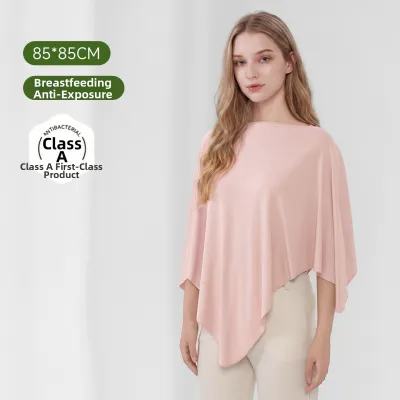
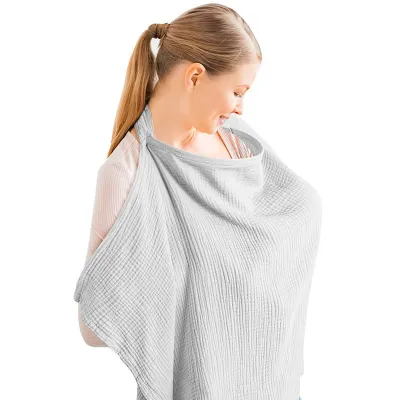
Scarf-style nursing covers, often designed as infinity loops or wide fabric tubes, are highly favored for their fashionable appearance and complete coverage. When you are not feeding, you can wrap the fabric around your neck as a stylish accessory, reducing the amount of baby gear you need to pack in your diaper bag. When it is time to nurse, you simply unloop the fabric and drape it over one shoulder and your baby, creating a secure, private space.
Products mentioned in this guide
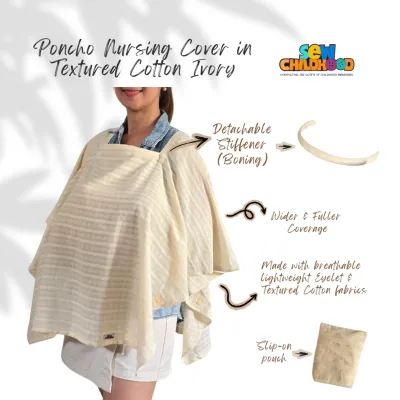
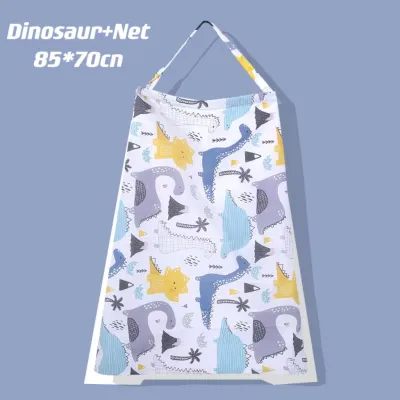
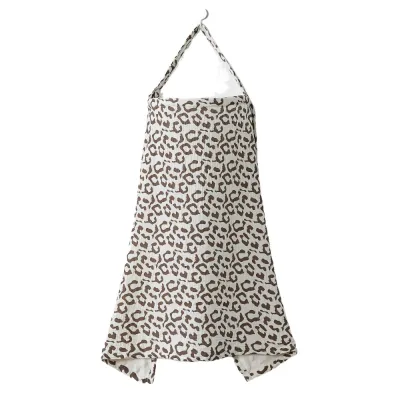
Prices are valid at publication and may change. Please refer to the product page for the latest price.
The primary advantage of the scarf-style cover is its secure, 360-degree coverage. Because the fabric wraps entirely around your torso, you do not have to worry about accidental exposure from the sides or back. This design is particularly useful if you are wearing a lifting top that exposes your midriff or back while nursing. It is also highly effective in busy public spaces, such as air-conditioned shopping malls or transit hubs, where people may pass by from multiple angles.
However, the wrap-around design has distinct limitations in warm climates. In hot or humid weather, the enclosed fabric can trap body heat, making the feeding environment uncomfortably warm for both you and your baby. Additionally, adjusting a scarf-style cover usually requires both hands. Because the fabric rests directly against your body without any internal structure, you must manually hold the collar open to guide your baby to latch, which can be challenging during the early weeks of breastfeeding.
Before purchasing a scarf-style cover, always verify the fabric specifications on the product label. Look for lightweight, breathable materials such as bamboo-derived rayon, modal, or thin cotton jersey. Check the stretch recovery of the fabric to ensure it will not lose its shape after a few uses, and confirm that the care instructions allow for frequent machine washing to easily clean up milk spills.
Apron-Style Nursing Covers: Airflow and Eye Contact
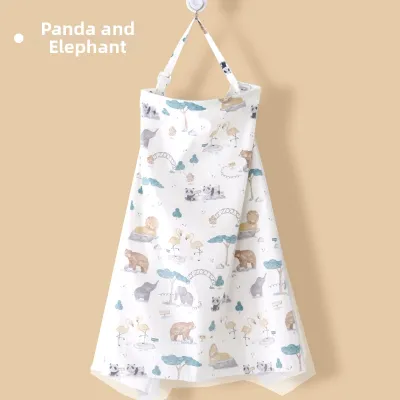
Apron-style covers are a classic choice, featuring a flat panel of fabric that hangs over the front of your body. This panel is secured by a strap that goes around your neck, and many designs include an additional tie or strap that wraps around your waist to keep the fabric close to your body. The sides and back of the cover remain completely open, allowing for natural ventilation.

This open design makes the apron-style cover exceptionally well-suited for warm tropical environments, outdoor parks, or rooms without air conditioning. Because air can circulate freely from the sides, your baby is much less likely to overheat or become sweaty during a feeding session. The lightweight drape keeps the baby shaded without creating a stuffy, enclosed pocket of hot air.
Another major benefit of the apron-style cover is the ease of maintaining eye contact. Most high-quality aprons feature a rigid, bowed neckline made of flexible plastic or boning. This structure holds the top of the fabric away from your chest, creating a convenient viewing window. You can look directly down at your baby to monitor their latch, make eye contact, and adjust your positioning without having to lift or hold the fabric away with your hands.
On the other hand, the open sides and back mean this style offers less overall coverage than a scarf or canopy. A sudden gust of wind outdoors or an active baby kicking their legs can easily lift the fabric, potentially exposing your sides. To prevent this, look for apron covers that feature adjustable waist straps or weighted corners. Additionally, ensure the neck strap is wide and adjustable so it does not dig into your skin during longer feeding sessions.
Canopy-Style Nursing Covers: Multi-Use and On-the-Go
Canopy-style covers, also known as multi-use covers, are made from highly elastic, tube-like fabric. They are designed to perform multiple duties for busy parents on the move. When not used for nursing, these covers can stretch snugly over an infant car seat canopy, a stroller seat, or a public high chair, providing shade and a barrier against dust or bright lights.
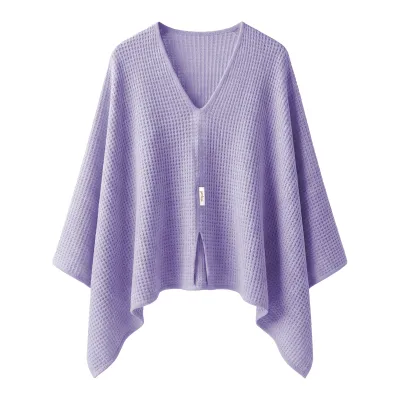
For breastfeeding, you wear the canopy cover around your torso like a snug poncho. The high elasticity of the fabric allows it to stretch over your baby while keeping a secure hold around your body. This hands-free fit is convenient once the baby is positioned, as the tension of the fabric helps keep the cover in place without the need for ties, clips, or constant manual adjustments.
Despite their versatility, canopy covers can feel restrictive for older babies who prefer to look around during feeds. Because the fabric fits snugly, it creates a highly enclosed space that some infants may resist. It can also be awkward to stretch the tight fabric over yourself and your baby with one hand while trying to maintain a proper hold on your infant.
Safety is the most critical factor to verify when using a canopy-style cover, especially when utilizing it on infant gear. You must strictly follow all manufacturer warnings regarding car seat and stroller usage. Never drape a canopy cover over an infant car seat inside a vehicle or in any unventilated, hot environment. Doing so can rapidly increase the temperature inside the car seat and restrict fresh airflow, posing a serious safety risk. Always monitor your baby closely for signs of overheating, and ensure the cover is removed as soon as you enter a vehicle or a warm indoor space.
Side-by-Side Comparison: Scarf vs. Apron vs. Canopy
To help you finalize your decision, it is helpful to compare how these three styles perform across key practical dimensions. Each design serves a different set of priorities, from maximum ventilation to multi-functional gear compatibility.
| Feature | Scarf-Style | Apron-Style | Canopy-Style |
|---|---|---|---|
| Coverage Area | Full 360-degree coverage (front, sides, and back) | Front coverage only; sides and back are open | Full 360-degree coverage with a snug fit |
| Airflow & Ventilation | Moderate to low; can trap heat in warm weather | High; open sides allow excellent air circulation | Moderate; depends heavily on fabric thickness |
| Ease of Latching | Moderate; requires manual adjustment of fabric | High; rigid neckline keeps hands free | Moderate; snug fabric requires stretching |
| Eye Contact | Requires holding the fabric open with one hand | Excellent; rigid neckline creates a viewing window | Requires pulling the elastic collar forward |
| Best Environment | Air-conditioned indoor spaces and public transit | Hot, humid outdoor settings and warm rooms | On-the-go travel and multi-use gear setups |
Your baby’s unique temperament plays a significant role in which style will succeed. Easily distracted babies often benefit from the enclosed, darker environment of a scarf or canopy cover, which helps them focus on feeding. Conversely, babies who dislike being covered or feel frustrated in tight spaces will often kick, pull, or cry under a snug cover; for these infants, the open, structured canopy of an apron-style cover is much more acceptable.
Additionally, consider the learning curve during the early postpartum weeks. When you are first learning to breastfeed, managing a loose piece of fabric while trying to support your baby’s head and guide a proper latch can feel overwhelming. Apron-style covers generally offer the easiest transition for beginners because the rigid neckline keeps the fabric away from the baby’s face, leaving your hands free to focus entirely on positioning and latching.
What to Verify on the Product Label Before Buying
When shopping for a nursing cover on online marketplaces or at local baby boutiques, do not rely solely on promotional descriptions. Instead, perform a careful check of the product label and specifications to ensure the item is safe, comfortable, and practical for your needs.
- Fabric Composition and Breathability: Carefully read the fiber content on the label. For tropical climates, prioritize natural fibers or high-quality semi-synthetics like cotton, bamboo-derived viscose, or modal. Avoid heavy polyester blends that do not allow heat to escape, as they can make feeding uncomfortable for your baby.
- Physical Dimensions: Check the actual measurements of the cover. A cover that is too short may ride up when you sit down to nurse, while one that is too large can drape on the floor or bunch up awkwardly. Ensure the dimensions match your body type and preferred feeding positions.
- Safety Warnings and Certifications: Look for clear safety instructions, particularly on canopy-style covers. Verify that the manufacturer provides explicit guidelines on how to use the cover safely with infant car seats and strollers, emphasizing airflow and temperature monitoring.
- Return and Exchange Policies: Because baby preferences are highly unpredictable, check the retailer's return policy before purchasing. Some stores have strict hygiene policies that prevent the return of opened baby items, so look for retailers that offer flexible exchange options or clear sizing guides to minimize the risk of a mismatched purchase.
Frequently Asked Questions (FAQ)
Do I really need a dedicated nursing cover, or can I use a regular blanket?
While a regular receiving blanket or muslin swaddle can work in a pinch, they lack the structural features that make dedicated nursing covers practical. Blankets easily slip off your shoulder, do not have adjustable neck straps, and can block your view of your baby entirely, requiring you to constantly hold the fabric in place. A dedicated nursing cover with a rigid neckline or secure straps stays positioned automatically, allowing you to focus your hands and attention entirely on supporting your baby and maintaining a comfortable latch.
How do I wash and maintain my nursing cover to keep it hygienic?
Always read the manufacturer’s care label before washing your nursing cover, as different materials require specific care. Generally, you should wash nursing covers in cold or warm water using a mild, hypoallergenic baby detergent to prevent skin irritation. Avoid using harsh fabric softeners, as they can leave a residue that reduces the fabric’s natural breathability and moisture-wicking capabilities. Inspect the cover regularly for loose threads, worn elastic, or damaged clips to ensure it remains safe and fully functional for daily use.
Community discussion
Share your experience or ask a question. Comments are reviewed before publication.