
Quick Guide: Which Yootree Material Is Right for You?
Selecting the perfect baby bottle material is one of the most practical decisions you will make for your child’s daily feeding routine. With several options on the market, finding the right balance between safety, durability, and convenience can feel overwhelming. Yootree offers four primary bottle materials: Polypropylene (PP), Polyphenylsulfone (PPSU), Glass, and Silicone. The ideal choice for your household is not necessarily the most expensive option; rather, it depends on your baby’s current developmental stage, your daily sterilization routine, and your lifestyle. For instance, families living in the warm, humid climate of the Philippines must consider how easily a material dries and whether it resists mold or odor retention during the rainy season.
To help you navigate these choices, here is a direct decision framework to identify the best starting point for your needs:
- Choose PP if you need an exceptionally lightweight, budget-friendly option (typically under ₱500) for occasional feeding, travel, or sending to daycare where bottles might easily be misplaced.
- Choose PPSU if you want a highly durable, medical-grade, and shatterproof plastic bottle that can withstand daily high-heat sterilization and last through months of heavy use without warping.
- Choose Glass if you prioritize absolute material purity, a completely scratch-resistant surface that is easy to clean, and primarily feed your baby at home where the risk of dropping bottles on hard floors is minimized.
- Choose Silicone if your baby is transitioning to self-feeding and would benefit from a soft, squeezable, and impact-resistant bottle that mimics the natural feel of breastfeeding.
Before making a final purchase, always verify the specific age recommendations, nipple flow rates, and safety labels printed on the Yootree packaging to ensure the bottle matches your baby’s current developmental needs.
Products mentioned in this guide
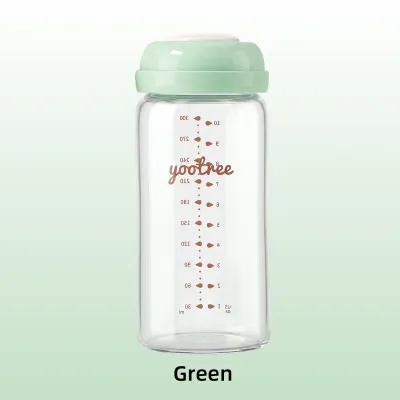
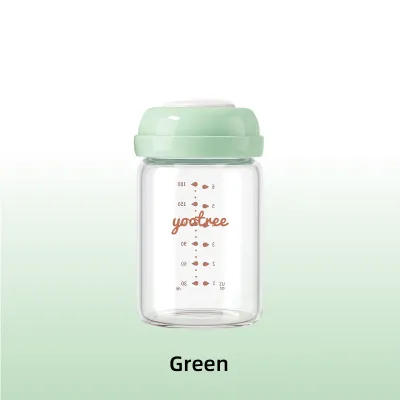
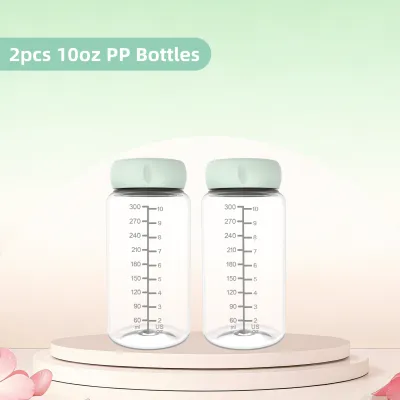
Prices are valid at publication and may change. Please refer to the product page for the latest price.
Detailed Breakdown of Yootree Bottle Materials
To make an informed decision, it is helpful to look closely at the physical properties, advantages, and limitations of each Yootree material. Each option offers a unique set of characteristics that affects how the bottle performs under heat, how it handles accidental drops, and how easy it is to keep sanitary.

Polypropylene (PP): Lightweight and Budget-Friendly
Polypropylene, commonly referred to as PP, is a widely used, BPA-free plastic characterized by its slightly cloudy or semi-translucent appearance. It is highly valued for being the most economical option in the Yootree lineup, making it a popular choice for parents who need to purchase a large starter set of bottles without a significant upfront investment.
- Pros: The standout benefit of PP is its lightweight construction. This makes it incredibly easy for parents to pack multiple bottles in a diaper bag without adding bulk. It is also highly drop-resistant; if a PP bottle slips from your hands onto a tiled kitchen floor, it will not shatter or crack, ensuring immediate safety for nearby children.
- Cons: Because PP is a softer plastic, it is highly vulnerable to micro-scratches from stiff bottle brushes. Over time, these tiny abrasions can harbor stubborn milk fats, soap residue, and bacteria, which can be particularly challenging to eliminate in humid tropical climates. Additionally, PP has a lower heat tolerance compared to PPSU or glass, meaning frequent exposure to boiling water or steam sterilizers can cause the plastic to degrade, warp, or turn cloudy relatively quickly.
When using PP bottles, parents should regularly check the manufacturer’s recommended replacement timeline. Because of the wear and tear from daily washing, these bottles generally need to be replaced more frequently than premium alternatives.
Polyphenylsulfone (PPSU): Durable and Heat-Resistant
Polyphenylsulfone, or PPSU, is a premium, medical-grade plastic that has become highly popular among parents seeking the safety of glass with the convenience of plastic. It is easily recognized by its distinct, natural amber or honey-colored tint.
- Pros: PPSU is incredibly durable and boasts superior heat resistance, often withstanding temperatures up to 180°C. This makes it highly compatible with intense sterilization methods, including steam, boiling, and repeated dishwasher cycles, without any risk of warping or chemical leaching. It is exceptionally shatterproof, highly scratch-resistant for a plastic, and does not easily absorb odors or stains from milk or juices.
- Cons: The primary trade-off with PPSU is its cost. It sits in a higher price band (often ranging from ₱800 to ₱1,500 per bottle), making it a larger financial investment upfront. While it is highly durable, it is still a plastic material, meaning it can eventually sustain minor surface wear after months of continuous use.
Before sterilization, always verify the exact temperature limits and approved cleaning methods on your specific Yootree PPSU product label to ensure you do not exceed the material’s specifications.
Glass: Pure, Scratch-Resistant, and Easy to Clean
Glass is the traditional material of choice for parents who prioritize absolute chemical purity and hygiene. It is completely non-porous and free from any synthetic chemicals, offering a highly stable feeding medium.
- Pros: Because glass is non-porous, it does not absorb milk fats, colors, or odors. It is virtually immune to the micro-scratches that plague plastic bottles, ensuring that bacteria have no place to hide. Glass can withstand extreme sterilization temperatures indefinitely without degrading, warping, or releasing any chemicals.
- Cons: Glass is significantly heavier than plastic or silicone, which can tire out a parent's wrist during long late-night feedings and makes it difficult for a baby to hold independently. The most significant risk is breakage; a glass bottle dropped on a hard kitchen floor or concrete patio will shatter, creating a safety hazard.
- Actionable Tip: If you choose glass, consider using compatible silicone sleeves to improve your grip and provide a protective cushion against minor drops.
Silicone: Soft, Squeezable, and Baby-Led
Silicone is a modern, flexible material that offers a unique tactile experience. It is made from food-grade silicone, giving the bottle body a soft, squeezable texture that closely mimics the feel of skin.
- Pros: Silicone is virtually unbreakable and highly durable. Its soft texture is comforting to babies, and parents can gently squeeze the bottle to assist with paced feeding or to help a baby transition from breast to bottle. It is lightweight, slip-resistant, and handles high-heat sterilization exceptionally well.
- Cons: Because silicone is flexible and slightly porous, it can be more challenging to clean thoroughly. Milk fat can cling to the inner walls, requiring careful scrubbing with a mild detergent. If left unwashed in a warm, humid environment, silicone can retain strong milk odors. It also tends to fall into a higher price bracket.
Comparing Safety, Durability, and Daily Maintenance
Choosing the right Yootree bottle requires looking beyond individual material profiles to see how they perform side-by-side in daily household scenarios.
Safety and Hygiene When evaluating safety, the primary concern is how a material behaves over months of use. Micro-scratches are a critical factor. Glass and PPSU maintain a smooth, scratch-free inner surface much longer than PP. A smooth surface prevents milk residue from building up and harboring bacteria. While all Yootree bottles are designed with baby safety in mind, parents should always inspect the packaging to verify food-grade and BPA-free certifications. In highly humid tropical climates, any trapped residue can quickly lead to mold or bacterial growth, making scratch resistance a vital safety feature.
Durability and Drop Resistance Active babies inevitably drop their bottles. Glass poses the highest risk here; a single drop on a hard floor can end its lifespan and create dangerous shards. PPSU and silicone excel in drop resistance, absorbing impacts effortlessly without cracking. PP sits in the middle; while it won’t shatter upon impact, repeated drops and high-heat exposure can make the plastic brittle over time, increasing the risk of hairline cracks.
Cleaning Efficiency Daily dishwashing can become a chore. Glass is the easiest to clean because its slick, non-porous surface allows milk to slide off easily during rinsing. PPSU is also highly efficient to wash. Silicone, due to its flexible and slightly grippy texture, requires more effort to ensure all milk residue is removed from the corners. If a silicone bottle develops a persistent sour milk smell, parents often have to perform extra maintenance, such as soaking the bottle in a warm water and baking soda mixture.
Weight and Ergonomics For newborns, weight is primarily a concern for the parent holding the bottle. However, as babies grow, lightweight bottles like PP and silicone are much easier for them to lift and tilt. Glass, being heavy, requires constant adult supervision and support to prevent the baby from dropping it on themselves or the floor.
Matching the Bottle to Your Baby’s Feeding Stage
Your baby’s feeding needs and physical abilities change rapidly during their first year. Matching the bottle material to their developmental stage can make feeding times safer and more enjoyable.
Newborns to 3 Months During the first few months of life, your baby’s immune system is still developing, making rigorous hygiene and frequent sterilization the top priorities. At this stage, parents do all the bottle holding. Glass or PPSU bottles are highly recommended for this phase. Their ability to withstand frequent, high-temperature sterilization without degrading ensures the highest level of cleanliness. Since you are holding the bottle, the weight of glass is not an issue for the baby.
4 to 8 Months Around this stage, babies begin developing motor skills, reaching out to touch the bottle, and attempting to hold it. They may also transition to larger feeding volumes. This is an ideal time to transition to PPSU or PP bottles. The lighter weight of these materials makes it easier for your baby to practice holding, while their shatterproof nature ensures safety if the bottle is accidentally knocked off a high chair or playmat.
9 Months and Older (Self-Feeding) As babies enter the self-feeding stage, they become highly active and independent. They will frequently drop, throw, or roll their bottles. Unbreakable and lightweight materials like silicone or PPSU are perfect for this stage. Silicone bottles, with their soft, non-slip grip, are exceptionally easy for older babies to hold securely, reducing drops and preventing accidental bruises from heavy or hard bottles.
Sterilization and Care Guidelines for Each Material
Proper maintenance is key to extending the lifespan of your Yootree bottles and ensuring your baby’s health. Different materials react differently to sterilization methods, so adjusting your routine is essential.
Boiling and Steam Sterilizers Traditional boiling and steam sterilizers are highly effective. Glass, PPSU, and silicone are exceptionally heat-tolerant and can easily withstand these methods. PP bottles can also be boiled or steam-sterilized, but parents must be cautious. Always follow the specific time and temperature limits provided by Yootree to prevent the PP plastic from warping or wearing out prematurely.
UV Sterilizers UV sterilizers are popular for their convenience, but they affect materials differently. Prolonged exposure to UV light can accelerate the aging process of certain plastics, particularly PP, causing them to become brittle, discolored, or cloudy much faster. PPSU and glass are highly resistant to UV degradation. Before placing any plastic bottle in a UV sterilizer, check the Yootree manual to confirm if UV sterilization is officially approved for that specific model.
Dishwasher Safety If you use a dishwasher, place all plastic (PP and PPSU) and silicone bottle components on the top rack. This keeps them away from the intense heat of the bottom heating element, which can warp or damage plastic. Always verify dishwasher compatibility on the product label before washing.
Inspection Routine Establish a weekly inspection routine. Examine all bottles—especially plastic and silicone ones—under bright light. Look for signs of wear such as persistent cloudiness, deep scratches, cracks, discoloration, or a sticky texture. If you observe any of these signs, discard the bottle immediately to ensure your baby’s safety.
Frequently Asked Questions (FAQ)
Can I mix different Yootree bottle materials for the same baby?
Yes, mixing different materials is a highly practical approach. Many parents prefer using glass bottles at home for maximum hygiene and ease of cleaning, while switching to lightweight PPSU or silicone bottles when traveling, visiting family, or heading to daycare. If you do mix materials, always ensure that the bottle nipples, collars, and caps are cross-compatible within the Yootree system to prevent leaks during feeding.
How often should I replace Yootree plastic or silicone bottles?
As a general guideline, plastic bottles made of PP should be replaced every 4 to 6 months due to their susceptibility to micro-scratches and heat wear. Premium PPSU bottles are more durable but should still be replaced if they show visible signs of wear, deep scratches, or cloudiness. Silicone bottles can last longer but must be replaced immediately if they become sticky, tear, or retain a persistent sour odor that cannot be washed away. Glass bottles do not have a set replacement timeline and can be used indefinitely, provided they are completely free of chips, cracks, or deep scratches.

Community discussion
Share your experience or ask a question. Comments are reviewed before publication.