
Choosing the right baby bottle is one of the most frequent decisions new parents face, often accompanied by concerns over chemical safety, durability, and ease of cleaning. While traditional glass and modern food-grade silicone are popular choices, polyphenylsulfone (PPSU)—the material popularized by premium brands like Hegen—has emerged as a highly sought-after alternative. All three materials are generally considered safe and BPA-free when purchased from reputable, certified manufacturers, but the ideal choice depends on how you balance chemical inertness against physical durability.
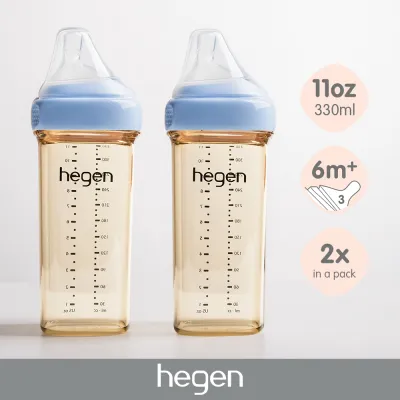
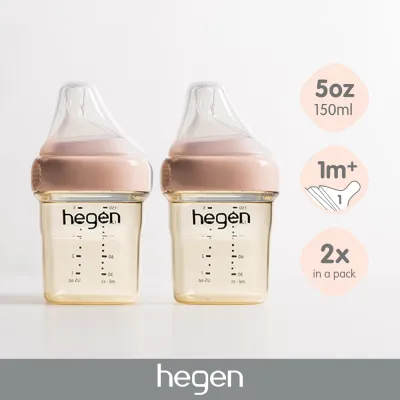
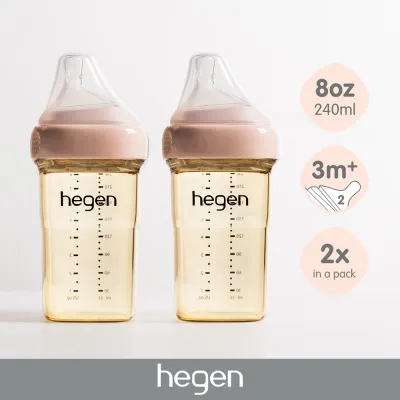
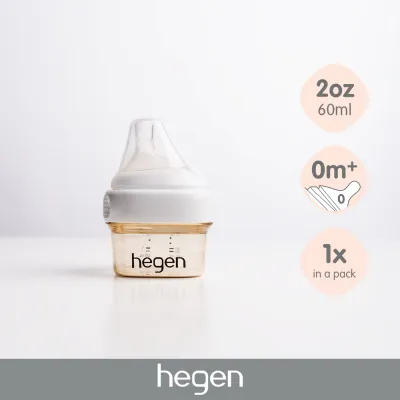
PPSU bottles, such as those designed by Hegen, are highly recommended if you prioritize a lightweight, shatterproof container that can withstand constant drops on hard floors while offering advanced feeding designs. PPSU combines the safety benefits of glass with the lightweight convenience of plastic, making it a highly practical choice for active households and older infants learning to hold their own bottles.
Glass remains the gold standard for parents whose absolute priority is zero chemical leaching and effortless cleaning. Because glass is entirely inert, it does not absorb odors, stain, or release microplastics over time, though caregivers must carefully manage its heavy weight and the constant risk of breakage.
Products mentioned in this guide
Prices are valid at publication and may change. Please refer to the product page for the latest price.
Food-grade silicone offers a soft, tactile, and squeezable alternative that many babies find comforting due to its skin-like feel. However, silicone requires diligent maintenance to prevent odor retention and must be monitored closely for surface degradation and stickiness as it ages.
Ultimately, many parents find that the most practical solution is a hybrid approach. Using glass bottles for early, supervised feedings at home and transitioning to durable PPSU or silicone bottles for travel, daycare, and self-feeding stages offers an excellent balance of safety, convenience, and peace of mind.
Safety and Toxin Exposure: PPSU, Glass, and Silicone Compared
Glass is widely recognized as the safest material from a purely chemical perspective because of its completely inert structure. It does not react with milk, absorb fats, or leach chemicals, even when subjected to extreme sterilization temperatures. For parents concerned about potential chemical exposure or the release of microplastics during heating, glass serves as the baseline safety standard.
PPSU is a medical-grade thermoplastic that represents the premium tier of plastic baby bottles. Naturally amber-tinted, PPSU is completely free from BPA, BPS, and other harmful bisphenols, offering a chemical safety profile that far exceeds standard polypropylene (PP) bottles. It is highly stable and engineered to withstand hundreds of high-heat sterilization cycles without releasing harmful compounds, though parents should always verify official safety certifications on the product packaging.
Food-grade silicone is a flexible, non-toxic polymer primarily made from silica, making it highly resistant to chemical leaching at standard feeding and sterilization temperatures. Because of silicone’s popularity, however, the market contains varying qualities of this material; parents must look for labels specifying 100% food-grade or medical-grade silicone to ensure the product does not contain cheap plastic fillers that could compromise safety.
Despite their high safety profiles, no polymer-based material is designed to last indefinitely under intense daily use. Over time, physical scrubbing, UV exposure, and heat can cause micro-abrasions and structural breakdown in both PPSU and silicone. If a bottle exhibits deep scratches, persistent cloudiness, or physical degradation, it should be replaced immediately, as damaged surfaces can harbor bacteria and degrade faster.
Durability and Daily Wear: Drop Resistance and Scratching
In a busy household, baby bottles are subjected to constant drops, bumps, and rough handling. Glass bottles present a clear physical safety risk in this regard, as dropping a glass bottle on hard kitchen tiles or concrete patios can cause it to shatter instantly. This creates an immediate hazard of sharp shards near babies and pets, requiring constant caregiver vigilance.

PPSU and silicone excel in drop resistance, making them virtually shatterproof. PPSU is highly resilient and absorbs physical impacts easily, allowing it to survive repeated drops from high chairs and strollers without cracking. Silicone is similarly impact-resistant, bouncing harmlessly when dropped and making it an exceptionally safe option for physical handling.
While PPSU is significantly harder and more scratch-resistant than standard PP plastic, it is not entirely immune to surface wear. Months of daily cleaning with bottle brushes will eventually create microscopic scratches on the inner walls, which gradually causes the amber plastic to look cloudy. Silicone, while immune to shattering, is vulnerable to punctures from sharp objects—such as the exposed metal wires on cheap bottle brushes—and can develop a sticky surface texture as the polymer degrades over time.
To maintain optimal feeding safety, caregivers should establish a routine inspection process for all bottles. Retire and replace any bottle immediately if you observe deep scratches on the inner walls, persistent cloudiness that does not wash out, visible cracks or chips, or a sticky, tacky feel on silicone surfaces.
Cleaning, Sterilization, and Heat Tolerance
Glass is exceptionally easy to clean because its smooth, non-porous surface prevents milk fats and proteins from clinging to the walls. It does not retain odors or discolor, even when used for juices or stored for extended periods. PPSU also offers excellent resistance to staining and fat accumulation, making it much easier to clean than standard plastic bottles.
Silicone is naturally hydrophobic and microscopically porous, which means it can easily trap milk fats and retain strong odors if not washed promptly. Parents using silicone bottles often need to use specialized, high-quality baby dishwashing liquids and perform more thorough scrubbing to ensure no greasy residue remains on the bottle walls.
Sterilization requirements vary significantly by material, and understanding heat tolerance is crucial to preventing bottle damage. Glass can tolerate extreme heat without issue, making it compatible with boiling, steam, and UV sterilization. PPSU also boasts an exceptionally high heat deflection temperature—often up to 180°C—allowing it to easily withstand boiling and steam sterilization without warping.
Although silicone handles heat well, prolonged exposure to UV sterilizers can accelerate the aging of both silicone and plastic components, causing them to become brittle, discolored, or sticky over time. Parents must always read the specific care instructions provided by the bottle manufacturer, such as Hegen’s official care guide, before choosing a sterilization method to avoid damaging the bottle and voiding the warranty.
Feeding Experience: Weight, Grip, and Anti-Colic Features
The weight and physical design of a bottle directly impact the comfort of both the caregiver and the baby. Glass bottles are heavy, which can cause hand and wrist fatigue during long, late-night feeding sessions. Additionally, the heavy weight of glass makes it difficult for young infants to hold their own bottles, delaying their transition to independent feeding.
PPSU and silicone bottles are incredibly lightweight, making them easy for small hands to grasp and manipulate. This lightweight profile supports baby-led feeding and helps infants develop fine motor skills. However, silicone bottles are soft and squeezable; if a caregiver squeezes the bottle to encourage milk flow, it can disrupt the baby’s natural sucking rhythm and increase the risk of choking.
Rigid materials like PPSU and glass provide a consistent, predictable milk flow that relies entirely on the baby’s active sucking. The rigidity of PPSU allows brands like Hegen to engineer highly precise, innovative shapes that are difficult to replicate in glass or soft silicone. Hegen’s unique square-ish bottle base and off-center teat mimic the natural angle of a mother’s breast, allowing babies to feed in an upright position.
This ergonomic feeding angle helps prevent the baby from having to tilt their head back, which significantly reduces the amount of air swallowed during feeds. Combined with built-in anti-colic vents, these design features help minimize gas, spit-up, and colic, enhancing the overall feeding experience for both parent and child.
Quick Comparison Table: PPSU vs. Glass vs. Silicone
| Feature | PPSU (e.g., Hegen) | Glass | Silicone |
|---|---|---|---|
| Weight | Extremely Lightweight | Heavy | Lightweight |
| Drop Resistance | Excellent (Shatterproof) | Poor (Fragile) | Excellent (Shatterproof) |
| Chemical Inertness | High (BPA/BPS-Free) | Outstanding (Zero Leaching) | High (Food-Grade) |
| Heat Tolerance | Very High (Up to 180°C) | Extremely High | High (Varies by Brand) |
| Odor Retention | Low | None | Moderate to High |
| Typical Replacement Trigger | Cloudiness or Deep Scratches | Cracks, Chips, or Breakage | Stickiness, Tears, or Odor |
Note: Always check the specific manufacturer’s product label and care instructions for exact material specifications, temperature limits, and safety guidelines.
Price and Long-Term Value: What to Expect in the Philippines
Premium PPSU bottles, particularly from brands like Hegen, require a significant upfront financial investment in the Philippines. These bottles occupy the highest price tier in the local market, often costing several times more than standard plastic options. Glass bottles generally sit in the mid-range price tier, while silicone options vary widely depending on the brand and design complexity.
Despite the high initial cost, PPSU bottles often deliver excellent long-term value due to their extreme durability. Because PPSU is shatterproof, a single set of bottles can last through multiple developmental stages and even be passed down to younger siblings, provided they are cared for correctly. Glass bottles do not degrade or scratch, but the frequent cost of replacing broken glass bottles due to accidental drops can quickly add up over time.
In the Philippine market, the popularity of premium brands like Hegen has led to an influx of counterfeit products on unauthorized online platforms. These counterfeit bottles often use sub-standard plastics that can leach harmful chemicals when heated or sterilized. To ensure your baby’s safety, always purchase Hegen bottles and accessories exclusively from official flagship stores, authorized physical baby specialty shops, or verified department store counters.
Final Verdict: How to Match the Material to Your Family's Routine
There is no single “perfect” bottle material; the best choice is the one that fits seamlessly into your family’s daily lifestyle and feeding routine. If you prioritize absolute chemical purity and do not mind the weight or breakage risk, glass is an excellent choice. If you want a soft, lightweight bottle that mimics skin contact, food-grade silicone is highly suitable.
For parents seeking a highly durable, lightweight, and ergonomically designed bottle that simplifies feeding and transitions easily from breast to bottle, PPSU options like Hegen offer an outstanding balance of safety and daily practicality. A hybrid approach—using glass at home and PPSU for travel—often provides the ultimate peace of mind.
Regardless of the bottle body material you choose, remember that the teat shape, material, and flow rate are equally critical to your baby’s feeding success. Monitor your baby’s feeding cues, inspect all bottle components regularly for wear, and consult a pediatrician or lactation consultant if you experience persistent feeding difficulties.
Frequently Asked Questions (FAQ)
Can I mix PPSU, glass, and silicone bottles for the same baby?
Yes, mixing different bottle materials is entirely safe and very common among busy parents. However, to prevent feeding confusion and maintain a comfortable latch, you should ensure that the teat shape, material, and flow rate remain consistent across all the different bottles you use. Sudden changes in teat design can disrupt your baby’s feeding rhythm and cause frustration.
How often should I replace PPSU or silicone bottles?
Bottle replacement should be decided by the physical condition of the material rather than a strict calendar schedule. As a general guideline, PPSU bottles should be replaced if they become heavily scratched, cloudy, or discolored. Silicone bottles should be retired immediately if they feel sticky to the touch, develop tears, or retain persistent odors that do not disappear after thorough washing.
Is Hegen's square bottle shape better for cleaning than round glass bottles?
Hegen’s unique square-ish, wide-mouth design makes it exceptionally easy to clean compared to traditional narrow-neck round bottles. The wide opening allows parents to easily reach inside with standard cleaning sponges or hands. While the rounded corners of the square design require a bottle brush to clean thoroughly, the overall accessibility of the wide mouth makes the washing process highly efficient.
Community discussion
Share your experience or ask a question. Comments are reviewed before publication.