
Choosing between a Yooboo electric breast pump and other brands in the Philippines comes down to balancing your daily routine, budget, and specific milk expression needs. Yooboo has gained popularity as an accessible, budget-friendly option for many Filipino mothers, particularly those looking for a portable device for occasional use or as a backup. However, premium or hospital-grade brands often provide more extensive flange size options, stronger local warranty support, and specialized suction patterns that may better suit exclusive pumping. To make an informed decision, you must evaluate how each pump fits into your lifestyle, whether you are working in an office, managing a household, or commuting in tropical conditions.
Breastfeeding journeys are deeply personal, and the equipment you choose should support your body comfortably. In the warm and humid Philippine climate, factors like the durability of silicone parts, ease of cleaning, and battery reliability during power interruptions or commutes become highly practical considerations. Rather than searching for a single universally superior brand, the goal is to identify which device aligns with your physical comfort, pumping frequency, and financial plan. By comparing technical specifications, accessory availability, and maintenance requirements, you can select a pump that helps you sustain your breastfeeding goals without unnecessary stress.
Key Factors for Comparing Electric Breast Pumps
When evaluating any electric breast pump, establishing a clear set of criteria helps you look past marketing claims and focus on functional value. The first critical factor is the variety of suction modes and adjustable intensity levels. A high-quality pump typically features a two-phase expression system: a rapid, shallow stimulation or massage phase to trigger milk let-down, followed by a slower, deeper expression phase to draw out milk efficiently. Having multiple adjustable levels within these phases allows you to customize the suction to match your comfort threshold, preventing nipple discomfort and promoting better milk flow.
Products mentioned in this guide
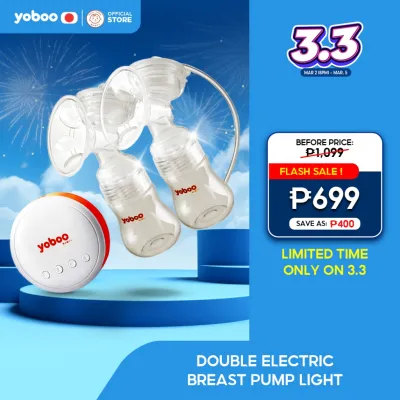
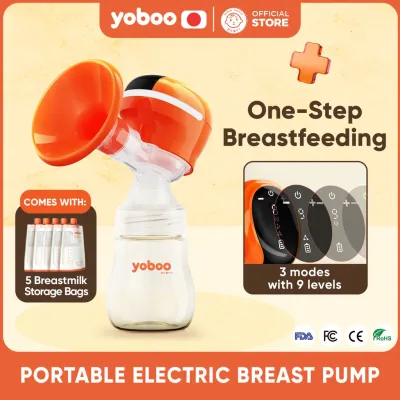
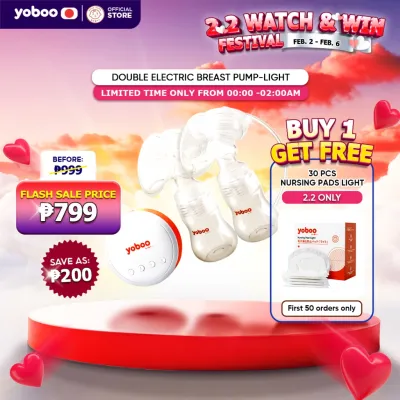
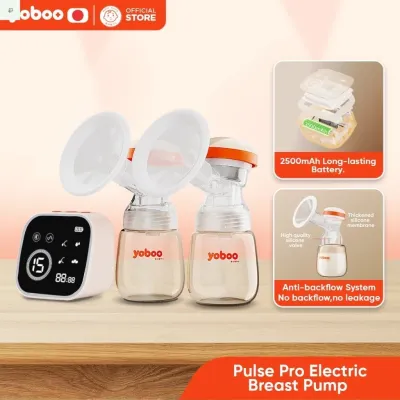
Prices are valid at publication and may change. Please refer to the product page for the latest price.
Portability and power options are equally vital, especially for active mothers or those returning to the workplace. Consider the overall weight of the pump motor and whether the device relies on a built-in rechargeable battery, an external power bank, or a continuous wall plug connection. A lightweight, rechargeable pump offers the freedom to express milk without being tethered to an electrical outlet, which is highly beneficial during travel or unexpected power outages. Conversely, plug-in models often deliver highly consistent suction power but limit your mobility.
Flange sizing and material safety directly impact both comfort and milk output. The breast shield or flange must fit your nipple anatomy correctly; an ill-fitting flange can cause friction, pain, and clogged milk ducts. You should verify what flange sizes are included in the box and whether the manufacturer offers alternative sizes or compatible inserts. Additionally, ensure all parts that come into contact with breast milk are made from food-grade, BPA-free materials to maintain the safety and purity of your expressed milk.
Finally, consider the ease of disassembly and cleaning. A breast pump consists of several small components, including valves, membranes, diaphragms, and connectors, which must be washed and sanitized after every use. Look for designs with fewer parts and straightforward assembly paths. In humid environments, parts must dry thoroughly to prevent mold growth, so choosing components that can withstand standard boiling, steam sterilization, or UV sterilization according to the manufacturer’s guidelines is essential for long-term hygiene.
Evaluating the Yooboo Electric Pump: What to Verify
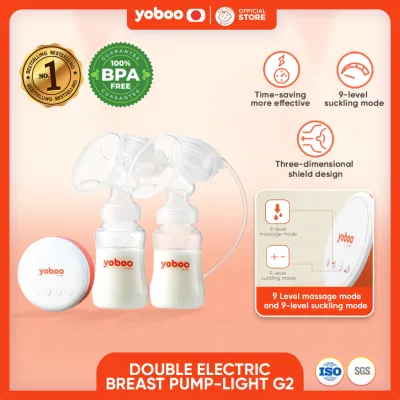
Before purchasing a Yooboo electric breast pump, it is important to verify its specific technical features and limitations to ensure it meets your expectations. Start by checking the exact number of suction and massage modes listed on the product packaging or the official user manual. Yooboo models generally offer multiple levels of stimulation and expression, but you should confirm whether the interface allows you to adjust these settings independently or if they follow pre-programmed cycles. Understanding the control layout helps you anticipate how easy the device will be to operate in low-light conditions, such as during nighttime pumping sessions.

Battery performance is another crucial specification to verify. Look at the manufacturer’s claims regarding battery capacity, typically measured in milliampere-hours (mAh), and the estimated operating time on a full charge. Check whether the pump uses a standard USB-C charging port, which offers convenient compatibility with common phone chargers and power banks, or if it requires a proprietary charging cable. Keep in mind that actual battery life can vary based on the suction intensity levels you use most frequently.
You must also review the included accessories and flange specifications. Many budget-friendly pumps come with a standard 24mm or 27mm flange, which may not fit every mother. Verify if Yooboo provides smaller or larger flange inserts separately, or if the pump design is compatible with third-party silicone inserts. Using a proprietary connector design can make it more challenging to connect the pump directly to your preferred brand of baby bottles, so check whether adapters are required for direct-to-bottle pumping.
Lastly, pay close attention to the care and maintenance instructions for the silicone components. The valves and diaphragms of any electric pump are delicate and can lose their elasticity or tear over time, especially with frequent sterilization. Verify the manufacturer’s recommended cleaning temperatures and sterilization methods. Some silicone parts may degrade faster if exposed to extreme heat or certain chemical sterilizers, so following the official guidelines is necessary to maintain consistent suction pressure and prolong the lifespan of your equipment.
Comparing Yooboo with Alternative Brands
To understand where Yooboo fits in the broader market, it is helpful to compare it against other categories of electric breast pumps available to Filipino consumers. Yooboo primarily competes in the budget-friendly, personal-use category. These pumps are highly accessible and offer excellent value for mothers who pump occasionally or need a secondary device. In contrast, premium or hospital-grade rental pumps are designed for heavy-duty, multi-user, or exclusive pumping scenarios. While premium brands often feature more advanced motor technology and longer warranties, they also require a significantly higher initial financial investment.
Warranty terms and local customer support are critical differentiators when comparing brands. When purchasing a breast pump, check the duration of the motor warranty and the process for claiming repairs or replacements within the Philippines. Some established international brands have dedicated local distributors and service centers that can quickly troubleshoot issues or replace defective units. For budget brands, verify whether customer support is handled directly by the online seller or if there is an official local service channel to assist you if the motor malfunctions.
The long-term availability of spare parts is another practical consideration. Components like silicone duckbill valves, backflow protectors, and tubing are wear-and-tear items that require replacement every few months to maintain optimal suction. Before committing to a specific brand, search online marketplaces and local baby boutiques to ensure that replacement parts for that exact model are readily available and reasonably priced. A pump becomes unusable if you cannot easily source a replacement valve when the original one wears out.
Motor noise is a final point of comparison that affects daily usability. If you plan to pump at your workplace desk, in public spaces, or next to a sleeping baby, a quiet motor is essential. Check manufacturer specifications for decibel ratings and read user feedback regarding the vibration and sound levels of different models. While personal-use pumps are generally designed to be discreet, some motors produce a more noticeable hum or vibration than others, which may influence your comfort level when pumping in shared environments.
Feature and Specification Comparison Checklist
To help you evaluate your options systematically, use the following checklist to compare a specific Yooboo model against any competitor model you are considering. You can find this information on official product packaging, user manuals, or authorized retailer listings.
| Feature | Yooboo Model | Competitor Model |
|---|---|---|
| Suction Levels | e.g., 9 levels of massage & expression | Verify in user manual |
| Motor Weight | Verify product specifications | Verify product specifications |
| Power Source | e.g., USB-C rechargeable battery | e.g., Rechargeable or AA batteries |
| Included Flange Sizes | Verify package contents | Verify package contents |
| Warranty Period | Check seller or official store terms | Check local distributor terms |
| Estimated Price Range | Check current retail price in ₱ | Check current retail price in ₱ |
When filling out this table, ensure you are comparing models with similar configurations, such as comparing a single electric pump to another single electric pump, or a wearable hands-free model to another wearable model, to maintain an accurate comparison.
How to Decide: Matching the Pump to Your Routine
Your daily schedule and breastfeeding goals should be the primary guides in your decision-making process. If you are returning to an office job, face a long daily commute, or frequently run errands, a lightweight, wearable, or battery-operated pump is highly advantageous. These models allow you to express milk discreetly and comfortably without needing to sit near a wall outlet. For mothers on the move, prioritizing a compact motor design and USB-C charging compatibility will make the daily routine much more manageable.
If you are exclusively pumping, working to increase a low milk supply, or caring for a premature infant, your needs will differ. In these situations, a hospital-grade pump or a heavy-duty double electric pump with highly customizable suction patterns is often the most appropriate choice. These robust systems are engineered to stimulate milk production effectively over long periods. While they are less portable and more expensive, the investment supports the high frequency of daily pumping sessions required to maintain a full milk supply.
A budget-friendly option like Yooboo is highly suitable if you primarily direct-latch your baby and only need to pump occasionally, such as when building a modest freezer stash or leaving your baby with a caregiver for a few hours. It also serves as an excellent, low-risk backup pump to keep in your office drawer or travel bag. By matching the pump’s capabilities to your actual usage frequency, you can avoid overspending on features you may not need while still ensuring you have a reliable tool when necessary.
Regardless of the brand you choose, pay close attention to how your body responds during and after use. Pumping should never be painful. If you experience persistent pain, nipple tissue damage, or a sudden drop in milk output, stop using the device and consult a certified lactation consultant or healthcare provider. A professional can help you verify your flange fit, adjust your pumping settings, and address any underlying breastfeeding challenges safely.
Frequently Asked Questions (FAQ)
Is the Yooboo electric pump covered by health insurance or HMOs in the Philippines?
In the Philippines, standard health insurance policies and Health Maintenance Organizations (HMOs) generally do not cover the purchase of personal electric breast pumps as a standard benefit. However, coverage policies can vary depending on your specific corporate plan or premium health package. To confirm if you are eligible for any reimbursement, contact your HMO or insurance provider directly. If coverage is available, you will typically need to submit a formal medical prescription from your obstetrician or pediatrician, a written proof of medical necessity, and an official receipt from an accredited medical equipment supplier or authorized retailer.
How do I know if the flange size is correct for my pump?
A correct flange fit is essential for comfortable and efficient milk expression. To check the fit, observe your nipple during the pumping session: your nipple should move freely back and forth inside the flange tunnel without rubbing against the sides, and very little to no areola (the dark skin surrounding the nipple) should be pulled into the tunnel. If your nipple rubs against the tunnel walls, causes pain, turns red, or if you notice a white ring around the base after pumping, the flange is likely too small. If a large portion of your areola is drawn into the tunnel, the flange is likely too large. For precise measurements and personalized troubleshooting, consider consulting a certified lactation specialist.

Community discussion
Share your experience or ask a question. Comments are reviewed before publication.