
Quick Answer: Which Breast Pump Should You Choose?
Deciding between an electric breast pump and a manual breast pump is a pivotal step in planning your breastfeeding journey. The right choice depends heavily on your daily schedule, how often you plan to express milk, and your personal comfort preferences.
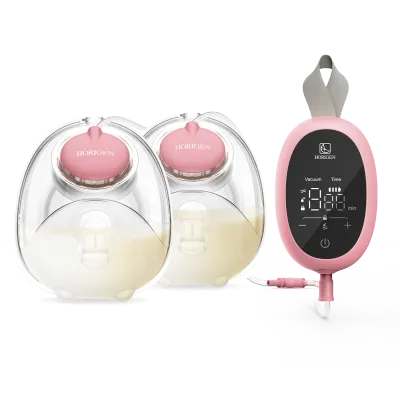
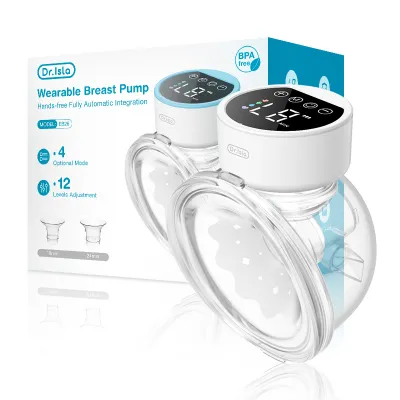
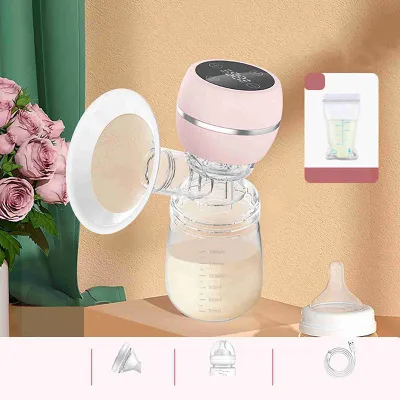
An electric breast pump is generally the most efficient option if you plan to express milk frequently, return to full-time work, or exclusively pump. These motorized devices automate the suction process, allowing you to express milk from both breasts simultaneously and often hands-free, which is highly beneficial for multitasking.
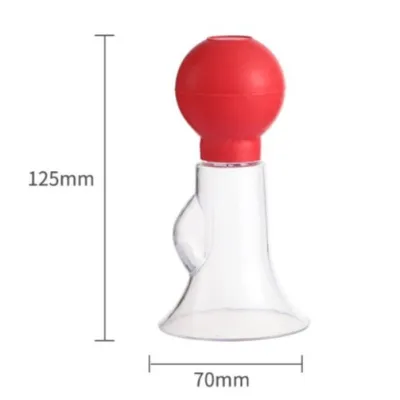
Conversely, a manual breast pump is highly suitable if you only need to express milk occasionally, require a silent and lightweight option for travel, or are working within a tighter budget. Because they rely entirely on manual hand compression, they do not require electrical outlets or batteries, making them highly reliable backups.
Products mentioned in this guide
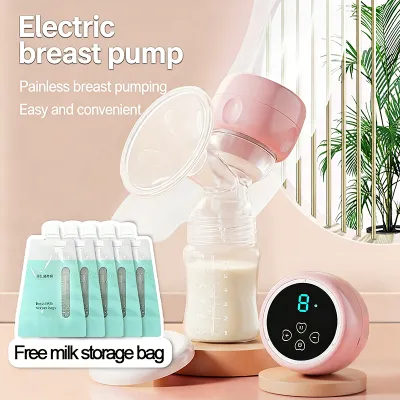
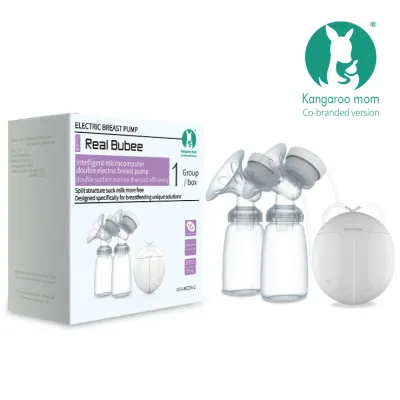
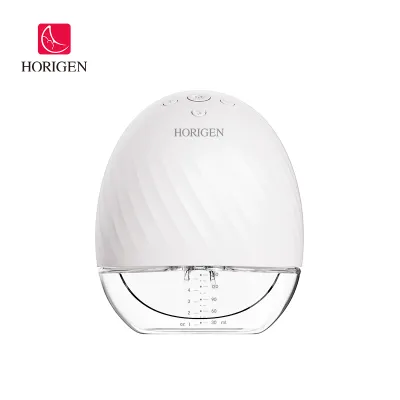
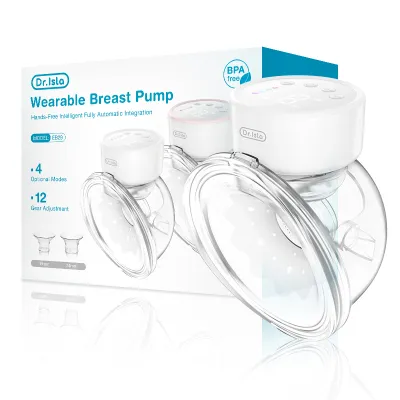
Prices are valid at publication and may change. Please refer to the product page for the latest price.
Before making a final decision, it is highly recommended to consult a lactation consultant or pediatrician. This is especially important if your baby has specific feeding challenges, if you are managing a low milk supply, or if you have medical conditions that require specialized suction patterns.
Core Differences Between Electric and Manual Breast Pumps
Understanding the fundamental differences in how these devices operate will help you evaluate which mechanism fits your lifestyle. The primary distinction lies in the power source and how suction is generated to mimic a baby’s natural nursing rhythm.

An electric breast pump utilizes an electrically powered motor to create suction. Most modern models offer adjustable settings, allowing you to customize both the speed and the strength of the suction cycles. This motor-driven action does the physical work for you, maintaining a consistent rhythm throughout the session.
A manual breast pump relies entirely on physical force. You generate suction by squeezing a hand lever or trigger mechanism. This gives you complete, real-time control over the speed and pressure of each pull, though it requires continuous manual effort and can lead to hand fatigue during longer sessions.
Portability and setup requirements also differ significantly between the two types. Electric models are inherently heavier and bulkier due to the motor unit, tubing, and power adapters. While many contemporary electric pumps feature rechargeable batteries, you must still plan around battery life or proximity to electrical outlets.
Manual pumps, on the other hand, consist of very few parts and have an incredibly small footprint. They easily fit into a standard handbag or diaper bag without adding noticeable weight. This simplicity makes them exceptionally easy to assemble and use at a moment’s notice.
Noise levels and discretion are another major point of contrast. Electric motors produce an audible humming or buzzing sound, which can vary in volume depending on the model’s design. If you need to pump discreetly in a quiet office or near a sleeping baby, you will need to carefully check product specifications for quiet-operation ratings.
Manual pumps operate almost silently. Because there is no motor, the only sound produced is the quiet movement of the silicone diaphragm and the physical release of the lever. This makes manual models highly discreet for use in public spaces or shared rooms.
Key Factors to Consider for Your Pumping Routine
To determine which pump type will serve you best, you must analyze your specific daily routine, physical comfort, and long-term feeding goals.
Your intended pumping frequency is the most critical factor. If you plan to express milk multiple times a day to build a substantial freezer stash or to feed your baby exclusively with expressed milk, a motorized electric breast pump is highly practical. The automated cycle saves physical energy and optimizes milk expression over consecutive sessions.
If you only plan to pump once a day, or just occasionally to relieve engorgement or prepare for an occasional outing, a manual pump is often more than sufficient. Using a manual pump for multiple daily sessions can become physically exhausting and may not stimulate your milk supply as effectively as a dual electric model.
Time availability and your need to multitask should also guide your choice. Electric pumps, particularly wearable or hands-free models, allow you to keep your hands free to work, read, or care for your baby while expressing milk. This can save hours of active attention every day.
Manual pumping requires your full physical engagement. You must hold the pump shield against your breast with one hand while actively operating the lever with the other. This limits your ability to multitask, making manual sessions a dedicated, single-focus activity.
Budget considerations involve both the initial purchase price and long-term maintenance costs. Electric breast pumps represent a more significant upfront investment in ₱. You must also factor in the eventual cost of replacing specialized parts, such as tubing, valves, and rechargeable batteries, which can wear out over months of heavy use.
Manual breast pumps are highly economical, featuring a much lower initial price point in ₱. They have fewer moving parts to replace and do not incur electricity or battery costs, making them an excellent budget-friendly choice or a low-cost secondary option.
Your daily commute and travel habits in the Philippines also play a role. In tropical, high-humidity environments, carrying heavy equipment can be physically taxing. If you commute daily via public transport, a compact manual pump or a highly portable, wearable electric pump is much easier to manage than a large, double-electric setup with multiple cords.
Furthermore, power reliability is a practical consideration. In areas prone to seasonal weather disruptions or power outages, having a manual pump ensures you can always express milk safely without relying on the electrical grid or waiting for a battery to charge.
Comparing Usability and Daily Maintenance
The ease of assembling, cleaning, and maintaining your pump directly impacts your daily stress levels and the safety of your expressed milk.
Assembly and part counts vary widely between these two categories. Electric pumps often feature a complex network of tubes, connectors, valves, membranes, and collection bottles. Each of these parts must be correctly aligned and tightly sealed to maintain proper suction, requiring careful handling during assembly.
Manual pumps are much simpler, typically consisting of a single integrated body, a silicone diaphragm, a valve, a lever, and a bottle. This low part count makes them incredibly quick to assemble, even when you are tired or in a hurry.
Cleaning and sterilization routines are paramount for protecting your baby from harmful bacteria. For both types, you must wash all parts that come into contact with breast milk in warm, soapy water after every use, followed by thorough sterilization according to the manufacturer’s instructions.
In the warm and humid climate of the Philippines, moisture can easily trap bacteria or lead to mold growth if parts are not dried completely. Electric pump tubing requires special attention; it must remain completely dry, as moisture inside the tubes can damage the motor and compromise hygiene. Manual pumps, having no tubing, are generally easier to wash and dry quickly.
Power dependency requires proactive planning if you choose an electric model. You must monitor battery levels, keep track of charging cables, and ensure you have access to compatible power banks or adapters when away from home. Manual pumps eliminate this mental load entirely, offering instant readiness whenever you need it.
How to Build Your Breast Pump Shortlist
When you are ready to select a specific model, focusing on verifiable specifications and physical compatibility will help you make a reliable investment.
First, prioritize checking flange sizing and compatibility. The breast shield, or flange, must fit your nipple correctly to ensure efficient milk expression and prevent painful friction or tissue damage. Many manufacturers offer multiple flange sizes, so measure your nipple diameter and verify that the brand you choose provides compatible sizes or inserts.
Next, review the warranty terms and return policies carefully. Because breast pumps are personal hygiene items, they generally cannot be returned once the box is opened. Ensure you purchase through authorized retail channels or official brand stores to secure a valid manufacturer warranty, which is crucial for resolving any motor issues with electric models.
Finally, verify safety and material standards directly on the product packaging or official documentation. Look for explicit labels confirming that all milk-contact parts are BPA-free. Avoid relying on unverified claims on online marketplaces; instead, look for recognized safety certifications to ensure the materials are completely safe for storing your baby’s milk.
Frequently Asked Questions (FAQ)
Can I use both an electric and a manual breast pump?
Yes, maintaining a dual-pump strategy is a highly practical approach for many parents. You can use a double electric breast pump as your primary device at home or work for efficient, high-volume sessions, while keeping a compact manual pump in your diaper bag for travel, quick relief during errands, or emergency use during power outages. This combination allows you to manage milk supply fluctuations effectively while enjoying the benefits of both motorized efficiency and manual portability.
Do I need a hospital-grade electric pump for exclusive pumping?
A hospital-grade electric breast pump is typically recommended by healthcare providers or lactation consultants under specific circumstances, such as initiating milk supply for a premature infant, managing a severely low supply, or navigating medical feeding challenges. These heavy-duty pumps feature exceptionally durable motors designed for multiple users (with separate personal collection kits) and highly precise suction profiles. For standard exclusive pumping without underlying medical concerns, a high-quality personal-use double electric pump is usually sufficient and much easier to transport.
How do I know if my current pump is no longer effective?
You can identify a declining pump by observing physical changes in the equipment or your body. If you notice a persistent drop in suction strength, unusual grinding noises from the motor, or visible wear like tears in silicone valves and membranes, the pump or its consumable parts may need replacement. Additionally, if you experience unusual physical discomfort during sessions or a sudden, unexplained decrease in your milk output, it is time to inspect your pump parts, verify your flange fit, or consult a lactation professional to reassess your setup.
Community discussion
Share your experience or ask a question. Comments are reviewed before publication.