
Choosing between a Wisemom portable breast pump and a wearable breast pump depends on how you balance your need for physical mobility, milk tracking visibility, and daily maintenance routines. While portable models offer robust, visible pumping setups with external motors, wearable models fit entirely inside your bra for hands-free, tubeless operation. Both designs serve distinct purposes in a mother’s breastfeeding journey, and understanding their unique characteristics will help you select the device that seamlessly integrates into your daily life.
In the Philippines, where daily routines often involve navigating warm tropical weather, busy commutes, and varying work environments, the right breast pump can make a significant difference in maintaining your milk supply. Whether you are working in an air-conditioned office, managing household chores in a humid environment, or traveling between locations, your pump must support your lifestyle without causing unnecessary stress. By evaluating how each form factor operates, you can make an informed decision that keeps your pumping sessions comfortable, efficient, and consistent.
Understanding the Physical Design and Form Factors
The primary difference between these two options lies in their physical architecture and how they are positioned on your body during use. A portable breast pump typically features a compact, external motor unit that connects to traditional breast shields and collection bottles via thin silicone tubing. The motor itself is small enough to be clipped to a waistband, slipped into a pocket, or placed on a nearby table, allowing you to move around within the limit of the tubing length. Because the bottles hang directly from your breasts, this setup has a more traditional, visible footprint that requires a specialized hands-free pumping bra if you want to keep your hands free.
Products mentioned in this guide
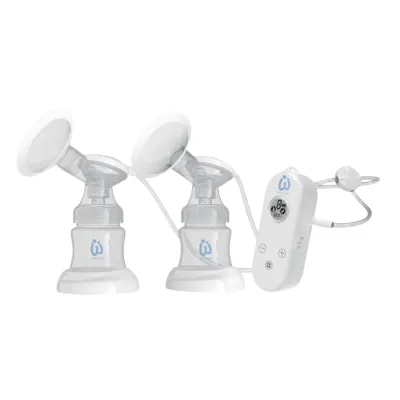
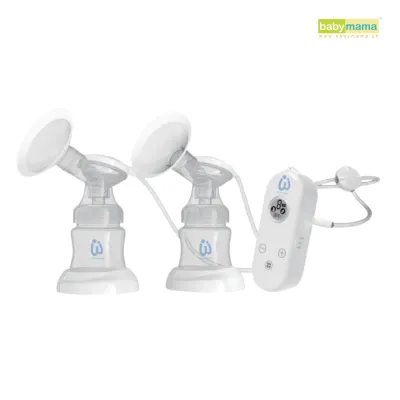
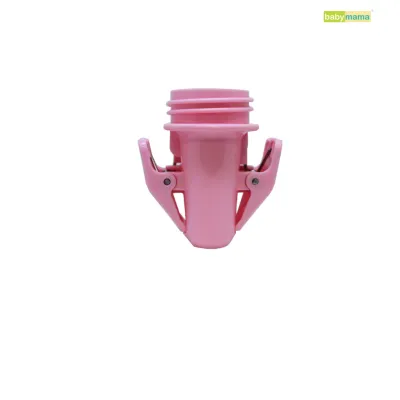
Prices are valid at publication and may change. Please refer to the product page for the latest price.
In contrast, a wearable breast pump is a completely self-contained, tubeless device designed to fit entirely inside a standard nursing bra. The motor, collection cup, and breast shield are integrated into a single, teardrop-shaped unit that sits directly against your breast. There are no external wires, tubes, or dangling bottles, which drastically reduces the physical footprint of the device. When worn, the pump is held in place by the tension of your bra, creating a bulkier silhouette under your clothing but leaving your hands entirely free to perform other tasks.
When considering these designs, it is important to visualize how each device will feel during a typical session. Portable pumps keep the weight of the motor separate from your breasts, meaning the only weight you feel on your chest is the flange and the collecting milk. Wearable pumps place the entire weight of the motor, battery, and collected milk directly on your breasts, which requires a highly supportive bra to prevent sagging or shifting. Before making a purchase, you should verify specific model names, exact dimensions, and device weight on the manufacturer’s official store or product packaging to ensure the physical feel aligns with your comfort expectations.
Matching the Pump to Your Daily Mobility and Discretion Needs
Evaluating your daily environment is crucial when deciding which form factor will best support your multitasking and discretion requirements. Wearable pumps excel in active multitasking because they eliminate the risk of snagging tubes on door handles or furniture. If your day involves light household chores, attending to an older child, or typing at a desk, a wearable unit allows you to move naturally without interrupting your session. Portable models, while still highly mobile compared to heavy hospital-grade tabletop pumps, generally require you to remain relatively stationary or move with caution to avoid spilling milk or disconnecting the tubing.

Discretion is another major factor, especially if you plan to pump in shared workspaces, during virtual meetings, or while commuting. Wearable pumps are designed to be low-profile, allowing you to pump without removing your shirt or exposing your chest. However, you should check the manufacturer’s decibel ratings and read user feedback on local ecommerce platforms to gauge real-world noise expectations. Even the quietest motors produce a rhythmic humming sound that might be noticeable in a very quiet room, so understanding the acoustic profile of each model is essential for shared office environments.
Wardrobe compatibility also differs significantly between the two styles. Wearable pumps require a stretchy, full-coverage nursing bra with adjustable straps to accommodate the extra volume of the pump without compressing your breast tissue too tightly. Excessive compression from a tight bra can restrict milk ducts and lead to clogged ducts or reduced output. Portable pumps are much more forgiving with your choice of clothing, as they only require a standard hands-free pumping bra with circular openings to hold the flanges in place, leaving your regular wardrobe choices largely unaffected.
Additionally, the local climate should play a role in your decision. In the warm and humid conditions of the Philippines, wearing a plastic, battery-operated device directly against your skin inside a bra can generate localized heat and sweat. If you spend a large portion of your day in non-air-conditioned spaces, a portable pump with external bottles might feel cooler and more comfortable against your skin. Conversely, if you work in a well-cooled office environment, the warmth of a wearable pump may not be a concern, making its hands-free convenience the primary benefit.
Weighing Pumping Efficiency and Daily Maintenance
Beyond mobility, you must consider how each pump handles milk expression, volume tracking, and the inevitable chore of daily cleaning. Proper physical fit is the foundation of efficient milk expression and comfort. You should verify the available flange sizes and adjustable suction modes on the product label before purchasing. Portable pumps often accommodate a wider variety of traditional flange sizes and materials, making it easier to find a precise fit. Wearable pumps may have more limited sizing options or require specialized silicone inserts to adjust the tunnel diameter, which you must purchase separately.
Tracking your milk volume in real-time is straightforward with a portable pump. Because the collection bottles are external and transparent, you can easily look down to monitor your milk flow, check if you have reached your target volume, or determine if a letdown has occurred. Wearable pumps hide the collection cups inside your bra, making it difficult to see how much milk you have expressed without pausing the session, unbuttoning your clothing, and pulling the device away from your breast. If you are closely monitoring your supply or need to stop pumping as soon as a specific volume is reached, the visibility of a portable pump is a distinct advantage.
Daily maintenance and cleaning routines can vary greatly between these two form factors. Wearable pumps often feature specialized, proprietary parts—such as integrated diaphragms, duckbill valves, and uniquely shaped collection cups—that must be aligned perfectly during assembly to maintain proper suction. A single misaligned seal can cause the pump to lose suction or leak. Portable pumps typically use standard, widely available bottle and flange parts that are simpler to assemble and clean.
Regardless of which model you choose, you should consult the specific model’s user manual for exact sterilization requirements and dishwasher safety limits. In tropical climates, ensuring that pump parts are thoroughly dried after washing is critical to prevent the growth of mold or bacteria. Some materials may degrade faster when exposed to high-heat steam sterilizers or boiling water, so verifying the manufacturer’s care instructions will help preserve the lifespan of your pump components.
How to Choose: A Decision Framework for Your Lifestyle
To help you decide which Wisemom model fits your routine, consider how your daily environment and personal priorities align with the strengths of each design. There is no universal winner, as the ideal pump is the one that fits seamlessly into your lifestyle and helps you meet your breastfeeding goals comfortably.
You should choose the Portable model if:
- You prioritize easy, real-time milk volume tracking during your sessions.
- You prefer a traditional flange fit and want a wider range of sizing options.
- You primarily pump in a dedicated, private space, such as a home office or a designated lactation room at work.
- You want a straightforward cleaning and assembly routine with fewer specialized parts.
You should choose the Wearable model if:
- You need maximum physical mobility to multitask, do chores, or care for other children while pumping.
- You plan to pump while commuting, traveling, or working in shared spaces where discretion is your top priority.
- You have supportive, stretchy nursing bras that can comfortably accommodate the pump units.
- You do not mind pausing your session or removing the device to check your milk volume.
Before making your final decision, verify your specific flange sizing needs by measuring your nipple diameter, and review the suction specifications on the product packaging. Additionally, compare current retail prices in ₱ across authorized online marketplaces and local baby boutiques to find a model that fits both your lifestyle and your budget.
Frequently Asked Questions (FAQ)
Can I use a wearable breast pump while driving or traveling?
While wearable breast pumps are designed for hands-free use, you should always prioritize road safety and check local traffic regulations regarding distracted driving. Adjusting a pump, changing settings, or dealing with unexpected leaks while operating a vehicle can be highly hazardous. If you must pump while traveling, it is safest to do so as a passenger or to pull over to a safe location to start, adjust, or stop your pumping session.
How do I ensure the flange size is correct for my chosen model?
Nipple size and elasticity can change throughout your postpartum journey, meaning the flange size that fit immediately after birth may not be correct a few weeks later. To find your correct size, measure the diameter of your nipple base (excluding the areola) using a sizing ruler before a pumping session. Consult the specific Wisemom model’s sizing chart or speak with a certified lactation consultant to select the correct flange or silicone insert size, as an improper fit can cause pain and reduce your milk output.

Community discussion
Share your experience or ask a question. Comments are reviewed before publication.