
Choosing between the Spectra S1 and Spectra S2 often comes down to a single lifestyle question: do you need to pump without being tethered to a wall outlet? For working mothers in the Philippines navigating long commutes, unpredictable traffic, and varying office setups, this decision directly impacts your daily comfort and breastfeeding journey. The Spectra S1 features a built-in rechargeable battery, making it the ideal choice if you must pump during a commute or in workplaces lacking accessible power outlets. Conversely, the Spectra S2 relies entirely on an external power source, offering a lighter weight and a more budget-friendly price point for mothers who have a dedicated desk or lactation room with reliable electricity.
Both models are highly regarded double electric breast pumps that share the same hospital-grade performance, closed-system hygiene, and customizable suction settings. Understanding how these technical differences align with your daily routine, office amenities, and travel demands will help you select the model that best supports your transition back to work.
Key Differences Between Spectra S1 and S2
To make an informed choice, it helps to look at how these two popular pumps diverge and where they overlap. The most significant distinction is portability. The Spectra S1 (housed in a signature blue casing) contains an integrated rechargeable battery, allowing you to pump anywhere without searching for an electrical socket. The Spectra S2 (housed in a pastel pink casing) does not have an internal battery and must remain plugged into an electrical outlet or a compatible external power source during use.
Products mentioned in this guide
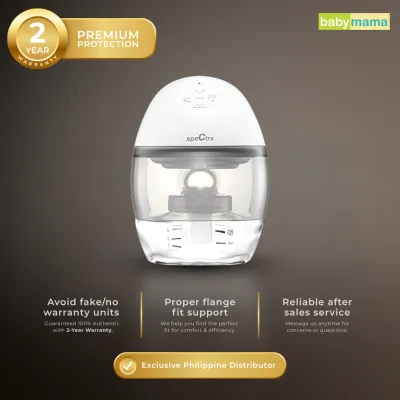
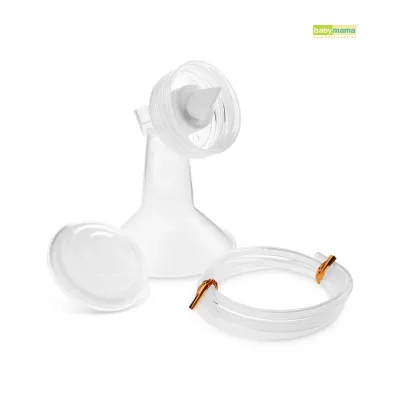
Prices are valid at publication and may change. Please refer to the product page for the latest price.
In terms of physical design, both pumps share a similar spherical shape, a convenient built-in handle, and an integrated nightlight. However, the internal battery of the S1 adds noticeable weight compared to the S2. When packing your daily work bag, this weight difference is an important factor to consider alongside your laptop, insulated cooler bag, and personal items.
Despite the power source difference, the core pumping mechanism remains identical. Both models utilize a closed system with backflow protectors that prevent breast milk from entering the tubing or motor, safeguarding against mold and bacterial growth. They also offer identical adjustable suction levels, cycle speeds, and a dedicated massage mode designed to mimic a baby’s natural nursing pattern and stimulate letdown.
Portability and Battery Management for Commuting
Commuting in Philippine cities often involves long hours in transit, whether you are riding in a shuttle, a private vehicle, or public transport. The Spectra S1 provides complete independence from the power grid, allowing you to pump discreetly during long commutes or during unexpected power interruptions at the office. This battery-operated freedom ensures that your pumping schedule remains uninterrupted, which is crucial for maintaining your milk supply.

For the Spectra S2, operating away from a wall outlet requires planning. While it is lighter to carry because it lacks an internal battery, you must ensure your destination has a reliable power source. Some mothers attempt to use external battery packs or USB adapter cables to power the S2 on the go, but this requires careful verification of voltage compatibility to avoid damaging the motor.
Before purchasing, consult the manufacturer’s manual to verify the expected battery lifespan, charging times, and battery care instructions for the S1. Overcharging or using non-compatible charging cables can degrade battery health over time. If you choose the S2, map out your daily route and office workspace to confirm that you will have consistent access to a standard electrical outlet.
Consider this quick checklist to evaluate your daily power needs:
- Does your workplace have a dedicated lactation room with accessible power outlets?
- How many hours do you spend commuting round-trip each day?
- Do you experience frequent power fluctuations or brownouts in your area?
- Will you need to pump in transit or in shared spaces without electrical sockets?
Pumping Performance, Noise, and Comfort at Work
When pumping in an office environment, discretion and efficiency are paramount. Both the Spectra S1 and S2 deliver hospital-grade suction, meaning they are designed to express milk quickly and effectively. Because they share the same motor design, their suction strength, cycle speeds, and overall performance are virtually identical when plugged into a wall.
Noise level is a common concern for mothers pumping at their desks or in shared lactation spaces. Both models are engineered to operate quietly, producing a low, rhythmic hum rather than a loud mechanical noise. To ensure the noise level meets your workplace needs, check the manufacturer’s specifications or user manuals for official decibel ratings and operational guidelines.
Achieving a comfortable and productive pump session depends heavily on proper flange sizing. Spectra pumps typically come with standard flange sizes, but these may not fit every mother perfectly. Using an incorrectly sized flange can cause friction, pain, and reduced milk output. It is highly recommended to consult a lactation consultant or refer to the brand’s official sizing guides to measure your nipple diameter accurately before your first session.
Additionally, both models are compatible with various hands-free pumping bras and aftermarket collection cups. Utilizing a hands-free setup allows you to manage emails, write reports, or review documents at your desk while pumping, maximizing your productivity and comfort during the workday.
Price, Warranty, and Verification Before Purchase
Investing in a high-quality breast pump is a significant financial decision. In the Philippines, the Spectra S1 generally commands a premium price in ₱ due to its integrated battery technology. The Spectra S2 is positioned as a more budget-friendly alternative, making it an attractive option if you plan to pump primarily at a fixed desk or have a reliable power setup at home and work.
When purchasing either model, it is vital to verify the warranty terms and local support options. Ensure you buy from official brand stores or authorized local distributors to secure a valid local warranty. Authorized service centers in the Philippines can assist with motor testing, battery replacements, and repairs, which is peace of mind that unauthorized third-party sellers cannot guarantee.
Furthermore, using genuine Spectra replacement parts is essential for maintaining optimal suction and hygiene. Components such as silicone valves, membranes, and backflow protector diaphragms wear out over time and require regular replacement. Check the availability and cost of these consumable parts locally, as using counterfeit or incompatible parts can compromise pump performance and potentially void your warranty.
Decision Framework: Which Spectra Pump Fits Your Routine?
To finalize your choice, evaluate how each pump aligns with your daily routine, workplace facilities, and budget.
Choose the Spectra S1 if:
- Your daily commute is long, unpredictable, or involves public transportation.
- Your workplace lacks a dedicated lactation room with easily accessible electrical outlets.
- You travel frequently for work or need to pump in locations without reliable power.
- You prefer the convenience of a single, self-contained unit without carrying extra cords or external battery packs.
Choose the Spectra S2 if:
- You have a dedicated office desk or a fully equipped lactation room with reliable power outlets.
- You want a lighter pump unit to carry in your daily commute bag.
- You are working within a stricter budget and prefer to allocate savings to other breastfeeding essentials.
- You primarily pump at home or in fixed locations where plugging into a wall is never an issue.
Verify first if your employer provides compliant lactation breaks and private spaces as mandated by local labor guidelines. Regardless of which model you select, prioritize your physical comfort, monitor your milk supply closely, and consult a healthcare professional or certified lactation specialist if you experience pain, supply challenges, or need personalized feeding guidance.
Frequently Asked Questions (FAQ)
Can I use a power bank to make the Spectra S2 portable?
While it is technically possible to power the Spectra S2 using an external power bank, you must exercise extreme caution. The S2 requires a specific voltage and current input to operate safely and efficiently. Using an incorrect adapter, a cheap voltage booster, or an incompatible power bank can overheat the pump, permanently damage the internal motor, and void your manufacturer’s warranty. Always consult the official user manual for exact electrical specifications and safety warnings before attempting to connect any third-party power source.
Are the replacement parts for Spectra S1 and S2 interchangeable?
Yes, the majority of the expression collection parts are fully interchangeable between the Spectra S1 and S2. Both models utilize the same wide-neck breast shields, backflow protectors, silicone valves, and tubing. This interchangeability makes it easy to find replacement accessories and share parts if you own both models or use aftermarket accessories designed for Spectra pumps. However, the power adapters are model-specific and must not be interchanged, as the S1 adapter is designed to charge an internal battery while the S2 adapter only powers the unit directly.
How do I clean and maintain the pump parts at the office?
Maintaining strict hygiene at the office is crucial for your baby’s health, especially in warm and humid tropical climates. After each pumping session, disassemble all parts that come into contact with breast milk, rinse them with cold water, and wash them with warm, soapy water using a dedicated brush. If your workplace lacks proper washing facilities, you can temporarily store the dirty parts in a clean, sealed container inside a refrigerator or cooler bag, then wash and sterilize them thoroughly once you return home. Always allow all components, especially the backflow protectors and tubing, to air dry completely on a clean paper towel before reassembling, as trapped moisture can lead to mold growth.
Community discussion
Share your experience or ask a question. Comments are reviewed before publication.