
Buying baby wipes in bulk is one of the most practical strategies for parents and caregivers in the Philippines looking to manage household expenses. With the high humidity and tropical climate, wipes are essential not just for diaper changes but also for cooling down sticky hands, wiping dusty surfaces, and managing quick cleanups on the go. However, purchasing wholesale requires a careful balance between upfront savings and long-term usability. A bulk carton that dries out before you can use it, or one that triggers a sudden skin rash, quickly turns a budget-friendly decision into a costly mistake. To find the best value, you must look beyond the initial price tag and evaluate material thickness, moisture retention, ingredient safety, and storage durability.
Core Criteria for Evaluating Wholesale Baby Wipes
When evaluating wholesale baby wipes, you need objective, measurable criteria to compare different bulk options. The first factor is material thickness and texture, which is often measured in grams per square meter (GSM). Thicker wipes (typically 45 GSM or higher) offer better barrier protection and structural integrity, meaning you will use fewer sheets per diaper change. Textured or embossed patterns also help grab messes more effectively than smooth sheets, reducing overall consumption.
Moisture level is another critical dimension. A high-quality wipe must maintain a balanced liquid-to-wipe ratio; it should feel damp to the touch but not dripping wet. In a tropical climate, wipes with insufficient moisture can dry out rapidly once a pack is opened, rendering the remaining sheets useless.
Products mentioned in this guide
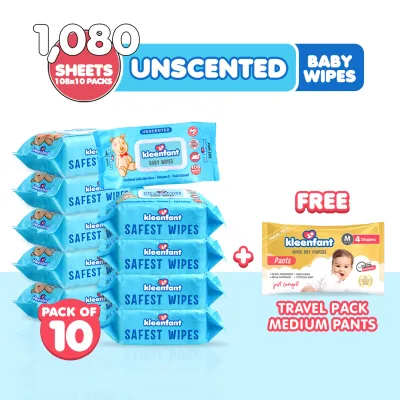
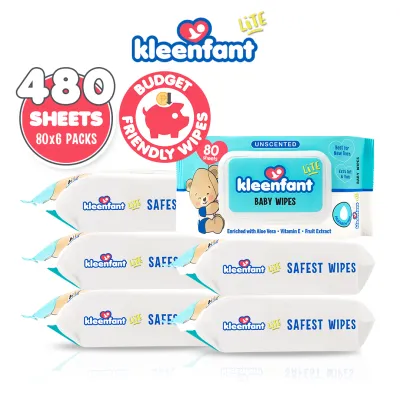
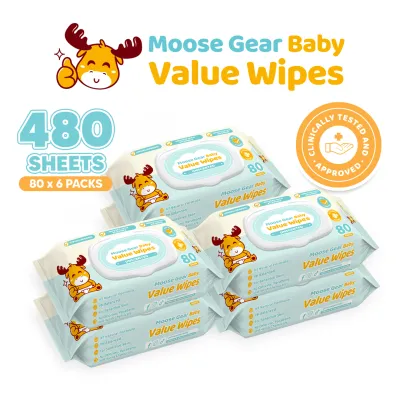
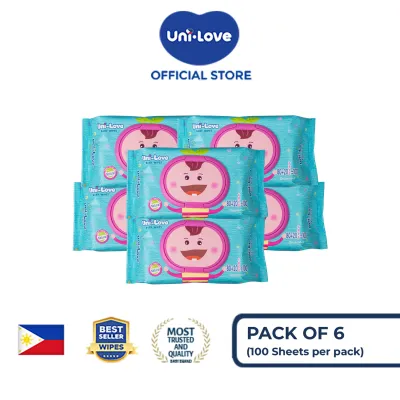
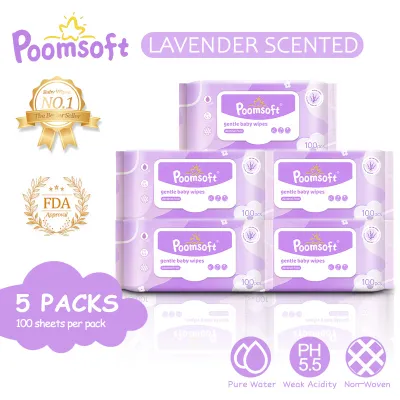
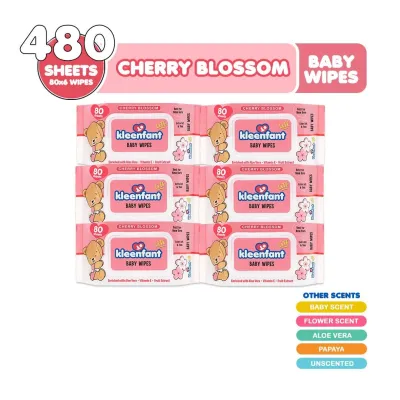
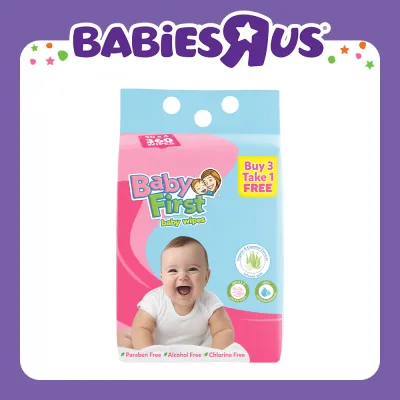
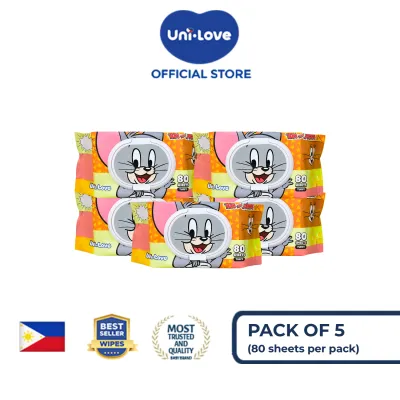
Prices are valid at publication and may change. Please refer to the product page for the latest price.
Finally, consider the pack size configurations. Wholesale cartons usually contain multiple individual packs, ranging from 80-count flip-top packs to large refill packs. Flip-top plastic lids are highly recommended for bulk storage because they provide a tighter seal against humidity and dust compared to simple adhesive sticker closures, preserving the moisture of the wipes over several weeks of use.
Comparing Brand Tiers for Bulk Purchasing
To navigate the wholesale market effectively, it helps to categorize available options into distinct brand tiers. Wipes generally fall into three categories: mainstream everyday brands, premium sensitive-skin brands, and budget or generic bulk brands. Each tier represents a specific trade-off between the cost per piece and the quality of the materials and ingredients used.

While premium tiers prioritize pure water formulations and hypoallergenic certifications, budget tiers focus on delivering the lowest possible price point, often by using thinner materials or simpler packaging. To help you organize your options during your research, you can use the following verification matrix to compare physical product labels and specifications.
| Evaluation Dimension | Mainstream Everyday Brands | Premium & Sensitive-Skin Brands | Budget & Generic Bulk Brands |
|---|---|---|---|
| Typical Thickness (GSM) | Medium (approx. 40–50 GSM) | High (50+ GSM, often embossed) | Low (under 40 GSM, smooth) |
| Primary Closure Type | Plastic flip-top lid | Secure double-seal or rigid lid | Resealable sticker or basic lid |
| Key Ingredient Focus | Standard moisturizers & mild scent | 99% pure water, fragrance-free | Basic cleansing agents, variable scent |
| Target Application | General cleanups, standard skin | Newborns, reactive or sensitive skin | Hands, toys, gear, older toddlers |
Mainstream Everyday Brands
Mainstream everyday brands are designed to handle the bulk of your daily parenting needs, from standard diaper changes to wiping messy hands after meals. These wipes typically feature a medium thickness that offers a reliable balance between durability and cost. When purchasing these in wholesale quantities, check the ingredient label for basic moisturizing agents like aloe vera or chamomile extracts, which help soothe the skin during frequent cleanups. It is also important to verify that the preservative system used is mild and dermatologically tested, ensuring that repeated daily use on non-sensitive skin does not lead to cumulative irritation over time.
Premium and Sensitive-Skin Brands
Premium and sensitive-skin brands are formulated specifically for newborns and babies with highly reactive skin, eczema, or diaper rash. When evaluating these high-tier options in bulk, look for labels indicating a high percentage of purified water—often marketed as 99% water wipes—and the complete absence of added fragrances, alcohol, and parabens. Because these formulations contain fewer chemical stabilizers, they are highly dependent on sterile manufacturing processes. The higher per-unit cost of these wipes is generally justified if your baby has a history of skin allergies or if you receive specific pediatric advice to avoid standard cosmetic ingredients.
Budget and Generic Bulk Brands
Budget and generic bulk brands offer the lowest entry price, making them highly attractive for families looking to maximize their savings. However, these options require the most rigorous safety and quality checks. When inspecting budget wipes, look out for red flags such as strong, artificial perfumes, which are often used to mask low-quality raw materials but can easily trigger contact dermatitis. Additionally, these wipes are often very thin, which may cause you to use double or triple the number of sheets per change, ultimately wiping out any initial cost savings. These budget-friendly options are best reserved for cleaning high chairs, wiping down plastic toys, or cleaning the hands of older toddlers who have less sensitive skin.
Calculating the True Per-Unit Cost
To determine which wholesale option offers the best financial value, you must calculate the true cost per individual wipe rather than relying on the upfront carton price. The formula is straightforward: divide the total price of the wholesale carton by the total number of wipes contained inside (number of packs multiplied by the sheets per pack). For example, if a bulk box costs ₱800 and contains 10 packs of 80 wipes (800 total wipes), the cost is ₱1.00 per wipe.
However, the calculation does not end there. You must also factor in hidden costs that can affect your overall budget. Shipping fees can be substantial when ordering heavy wholesale cartons online, especially if you live outside major metropolitan areas. Minimum order quantities (MOQs) may also require you to purchase more stock than you can safely store, leading to degradation risks. Finally, compare the value of bulk refill packs against individual travel-sized packs; while travel packs are convenient, they carry a much higher per-unit cost due to the increased packaging material.
Safety and Ingredient Verification
Before committing to a large wholesale order, verifying the safety of the ingredients is paramount. Standard pediatric guidelines recommend avoiding wipes that contain parabens, phenoxyethanol, methylisothiazolinone (MIT), and denatured alcohol, as these substances can disrupt the skin barrier or cause allergic reactions. Always read the full ingredient list on the packaging rather than relying on front-label marketing claims like “natural” or “organic.”
In addition to the ingredients, inspect the physical packaging of the wholesale carton. Ensure that the box has clear expiration dates and batch codes printed on it, and verify that the factory seals on both the outer carton and the individual packs are completely intact. Because wholesale wipes may sit in a warehouse for months, a broken seal can lead to bacterial contamination or premature drying. Finally, always perform a patch test: purchase a single pack of the brand first and use it on a small patch of your baby’s skin for a few days to monitor for any adverse reactions before buying a whole carton.
Sourcing Wholesale Baby Wipes in the Philippines
Finding a reliable source for wholesale baby wipes in the Philippines is crucial to ensure you receive authentic, fresh stock. Authorized distributors and official brand stores on major online marketplaces are generally the safest options, as they offer direct supply chains and authenticity guarantees. Warehouse clubs and physical wholesale cash-and-carry outlets are also excellent sources, allowing you to inspect the manufacturing and expiration dates on the cartons before paying.
Be highly cautious of unauthorized third-party sellers offering prices that are significantly below the standard market average. These deeply discounted products may be counterfeit, expired, or stored in substandard conditions that compromise their safety. Always check seller ratings, read recent customer reviews specifically looking for complaints about dry wipes or damaged packaging, and verify the seller’s return policy for damaged bulk shipments.
Decision Framework: Choosing the Right Bulk Wipes
To finalize your wholesale purchase with confidence, you can apply a simple, condition-based decision framework that balances your budget with your baby’s specific skin needs.
Choose a premium, sensitive-skin brand if your baby is a newborn, has diagnosed eczema, or frequently suffers from diaper rashes. In these cases, the higher per-unit cost is a necessary investment in skin health, and you can offset the expense by purchasing the largest wholesale carton size available to lower the cost per wipe.
Choose a mainstream everyday brand if your baby is past the newborn stage, has normal skin, and you need a versatile wipe for both diaper changes and general household cleanups. This tier offers the most balanced value for active families.
Verify first if a budget or generic brand is suitable by checking the ingredient list for harsh chemicals and testing a single pack. If the quality is acceptable, use these budget wipes primarily for non-diapering tasks, such as wiping hands, cleaning toys, or wiping down high chairs, while keeping a smaller stock of higher-quality wipes for sensitive areas.
Regardless of the tier you choose, always start with a smaller trial order of one or two packs before committing to a massive wholesale volume. This step ensures the material and moisture levels meet your expectations under real-world conditions.
Frequently Asked Questions (FAQ)
How Should You Store Bulk Baby Wipes to Prevent Them from Drying Out?
To preserve the moisture of your wholesale baby wipes, store the sealed cartons in a cool, dry place where the temperature remains stable and below 30°C. High tropical humidity and heat can accelerate the evaporation of the liquid formula, even through sealed plastic packaging. Keep the boxes elevated off direct concrete floors—using a pallet, shelf, or plastic bin—to prevent moisture from seeping into the cardboard. Additionally, ensure the storage area is completely away from direct sunlight, which can degrade both the plastic packaging and the preservative systems inside the wipes.
Can You Use Expired Wholesale Baby Wipes for Non-Skin Cleaning?
Yes, expired wholesale baby wipes can be safely repurposed for non-skin cleaning tasks, but they should never be used on a baby’s skin, face, or mucous membranes. Over time, the preservative systems in baby wipes break down, allowing harmful bacteria or mold to grow inside the pack even if it remains sealed. Instead of throwing them away, you can use these expired wipes to clean strollers, plastic toys, high chairs, car seats, or household surfaces. If the wipes have dried out, simply add a small amount of water or a mild household disinfectant to repurpose them as quick-dusting cloths.

Community discussion
Share your experience or ask a question. Comments are reviewed before publication.