
Finding the right baby wipe for sensitive skin in the Philippines is not about finding a single, universally “best” brand. Because every infant’s skin barrier is unique, a product that works perfectly for one baby might cause redness or irritation for another. The ideal choice depends entirely on your baby’s specific skin triggers, local environmental factors like tropical humidity, and how well a product’s formulation aligns with pediatric skin health standards. To make an informed decision, caregivers must look past marketing buzzwords and evaluate wipes based on three core pillars: ingredient transparency, pH balance, and material composition. By understanding these criteria, you can confidently navigate the crowded shelves of local supermarkets and online marketplaces to select a safe, gentle option for your little one.
Essential Criteria for Sensitive Skin Wipes
Hypoallergenic and dermatologically tested labels are common on baby products, but they require careful interpretation. The term “hypoallergenic” simply means the product is formulated to minimize the risk of allergic reactions; it is not a legal guarantee that a reaction will never occur. “Dermatologically tested” indicates that a dermatologist oversaw tests of the product on human skin, but it does not specify the testing parameters, sample size, or results. To verify these claims, look for packaging that details the specific testing standards met or lists certifications from recognized pediatric or dermatological associations.
The physical material of the wipe plays a critical role in preventing mechanical irritation. Standard wipes often utilize synthetic plastic fibers like polyester, which can feel rough and cause friction micro-tears on delicate skin during repeated wiping. For sensitive skin, plant-based fibers such as 100% cotton, bamboo, or wood-derived viscose are generally superior. These natural fibers are inherently softer, hold moisture more effectively, and glide smoothly across the skin, significantly reducing friction-induced redness.
Products mentioned in this guide
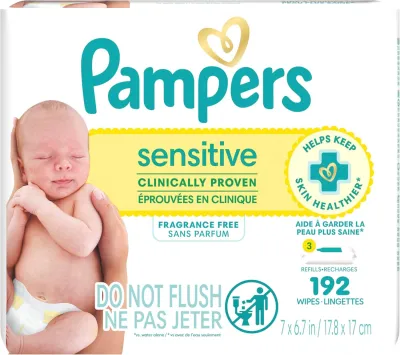
![[Bundle of 6] bean Baby Wipes Fragrance Free 6 x 100 sheets](https://img.lazcdn.com/g/p/e8f0200d9e122dde52d016c8672d9a03.png_400x400q80.png_.webp)
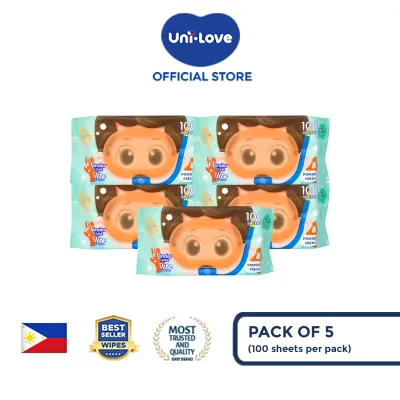
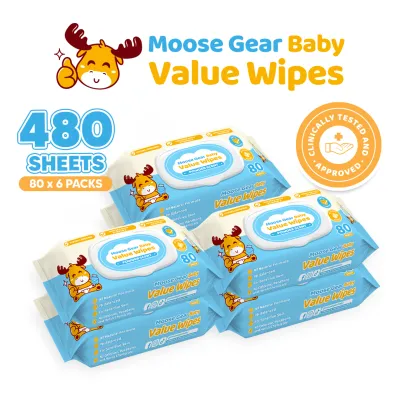
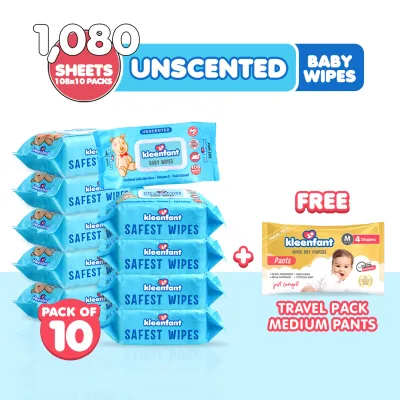
Prices are valid at publication and may change. Please refer to the product page for the latest price.
A baby’s skin barrier has a natural, slightly acidic pH of around 5.5, which helps protect against harmful bacteria and moisture loss. Using wipes that are alkaline or even neutral (pH 7.0) can disrupt this delicate “acid mantle,” making the skin more susceptible to diaper rash and infections. High-quality sensitive wipes are specifically formulated to be pH-balanced, matching the skin’s natural acidity. When comparing products, prioritize those that explicitly state they are pH-balanced or formulated to support the skin’s natural barrier.
Ingredients to Avoid and Seek
Reading the ingredient list (often printed in tiny font on the back of the pack) is the most reliable way to protect your baby’s skin. Several common ingredients should serve as immediate red flags for sensitive skin. Alcohol, specifically ethyl alcohol or isopropyl alcohol, is highly drying and can strip the skin of its natural oils. Parabens, used as preservatives, are known sensitizers that can trigger contact dermatitis. Phenoxyethanol is another preservative that, while widely used, can cause irritation in some newborns and infants with compromised skin barriers. Finally, synthetic fragrances or “parfum” should be strictly avoided, as they are among the leading causes of cosmetic-induced allergic reactions.

Conversely, beneficial sensitive wipes prioritize simple, soothing formulations. The primary ingredient should always be highly purified water, often comprising 99% or more of the total formulation. To support skin recovery and hydration, look for gentle botanical extracts such as aloe vera (Aloe barbadensis) or chamomile (Chamomilla recutita). These natural emollients help soothe minor irritation and provide a protective layer of moisture without leaving a sticky residue.
If your baby has a diagnosed skin condition like eczema or a known allergy, cross-referencing ingredients becomes a necessity. Keep a digital log of the ingredients in any product that has previously caused a flare-up. When evaluating a new brand, compare its ingredient list against your log to identify potential cross-reactants. If you are uncertain about a specific chemical name on the label, consult the International Nomenclature of Cosmetic Ingredients (INCI) database or ask your pediatrician for guidance.
How to Compare and Shortlist Wipe Brands
With dozens of options available in the Philippines, finding a balance between skin safety and household budget requires a structured approach. First, evaluate cost-effectiveness by calculating the price per individual wipe rather than comparing the total pack price. To do this, divide the retail price by the number of sheets in the pack: Pack Price (₱) / Sheet Count = Cost per Wipe. For example, a premium pack of 80 wipes costing ₱160 results in ₱2.00 per wipe, whereas a budget pack of 40 wipes costing ₱100 results in ₱2.50 per wipe. This simple calculation prevents you from overpaying for smaller, seemingly cheaper packages.
In the tropical climate of the Philippines, packaging design is a crucial factor in maintaining product hygiene and moisture. High humidity and ambient heat accelerate moisture evaporation and create an environment where bacteria can thrive if the package is compromised. Wipes with a rigid plastic flip-top lid are highly preferable over those with simple adhesive sticker seals. Sticker seals quickly lose their stickiness due to dust, humidity, and repeated use, leaving the wipes exposed to air, which dries them out and turns them into abrasive sheets that can scratch sensitive skin.
To simplify your shopping decisions, use a conditional framework based on your baby’s current skin condition and practical needs. If your baby has highly reactive skin or active diaper rash, choose ultra-minimalist, water-based wipes with fewer than five ingredients to minimize chemical exposure. If you frequently deal with heavy, messy diaper changes, choose thick, textured plant-fiber wipes that offer high tensile strength, ensuring you use fewer sheets and reduce friction. If your baby has severe eczema or broken skin, verify the formulation with your pediatrician before using any commercial wipe, and consider using warm water and cotton balls instead.
Safe Testing and Usage Practices
Before integrating a new wipe brand into your daily diapering routine, perform a simple patch test to rule out immediate sensitivities. Gently swipe a single wipe over a small, healthy patch of your baby’s skin, such as the inner forearm or the upper thigh. Monitor the area closely for 24 to 48 hours, looking for any signs of localized reaction. If the skin remains clear, smooth, and free of redness, the product is generally safe to use on the rest of the body.
It is vital to establish clear stop-conditions to protect your baby from prolonged discomfort. Discontinue use immediately if you observe redness, raised bumps, dry flaking, swelling, or if your baby cries or flinches during wiping. These symptoms indicate contact irritation or an allergic reaction. If the irritation does not subside within a few days of stopping the product, or if it develops into open sores or blisters, consult your pediatrician promptly for a professional assessment and treatment plan.
Proper wiping technique is just as important as the product itself. Avoid rubbing or scrubbing the skin vigorously, as this mechanical friction damages the epidermal barrier. Instead, use a gentle patting or sweeping motion, moving from front to back to prevent the spread of bacteria. Always allow the skin to air-dry completely for a few moments before applying a diaper cream or putting on a fresh diaper, as trapping residual moisture can lead to fungal infections.
Frequently Asked Questions (FAQ)
Can I use sensitive skin baby wipes on a newborn's face?
While many sensitive wipes are formulated to be gentle, a newborn’s facial skin is exceptionally thin and highly permeable. You should always check the manufacturer’s packaging to confirm if the product is explicitly labeled as safe for facial use. Even then, it is best to use them sparingly around the mouth and eyes, where the skin is most sensitive. For daily facial cleaning, many pediatricians recommend using a soft washcloth dampened with plain, warm water instead of commercial wipes.
Are water wipes truly better for sensitive skin than standard wipes?
Water-based wipes, which typically contain 99% or more purified water, are highly beneficial for sensitive skin because they minimize exposure to potential chemical allergens. However, they are not entirely chemical-free. Because water is a breeding ground for mold and bacteria, even water wipes must contain a mild preservative or antimicrobial agent to remain shelf-stable. When choosing water wipes, always inspect the ingredient list to verify that the preservative used is gentle and non-irritating.
How should I store baby wipes in a humid climate to prevent mold?
The warm, humid climate of the Philippines makes baby wipes susceptible to bacterial and fungal growth once the package is opened. To prevent mold, store your wipe packs in a cool, dry place away from direct sunlight and heat sources, such as windows or sterilizers. Always ensure the plastic flip-top lid is clicked shut tightly after every use to lock out ambient moisture and airborne contaminants. Avoid transferring wipes to decorative, non-airtight dispensers unless the container has been thoroughly cleaned and sanitized beforehand.
Community discussion
Share your experience or ask a question. Comments are reviewed before publication.