
Choosing the right toddler cup is a significant milestone in your child’s weaning journey. Instead of relying solely on age, the best choice depends on your child’s physical coordination and oral motor development. Transitioning from a bottle or breast to a cup helps build the muscles needed for speech and healthy swallowing. By understanding how different cups—such as sippy, straw, 360-degree, and open cups—support your child’s growth, you can make mealtime smoother and support their independence.
As you navigate this transition, keep in mind that every child develops at their own pace. There is no single perfect cup that works for every baby, but matching the cup’s design to your child’s current motor skills will reduce frustration and spills. Let us explore how to assess your child’s readiness and choose the best cup for their developmental stage.
Assess Your Child's Current Weaning and Motor Skills
Before browsing the baby aisle or online marketplaces, observe your child’s physical milestones. Can your little one sit upright without support? Unassisted sitting is a primary indicator that their core muscles are strong enough to handle the mechanics of drinking from a cup. If a child cannot sit steadily, they may struggle to coordinate tilting a cup and swallowing safely.
Products mentioned in this guide
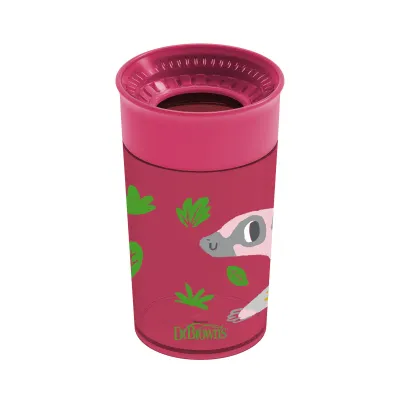
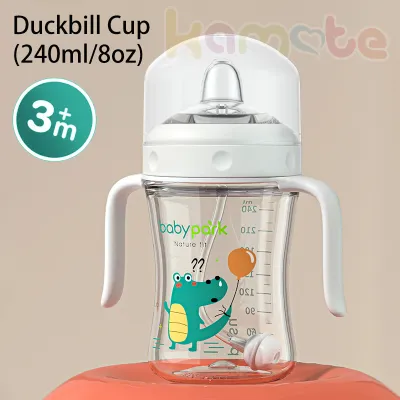
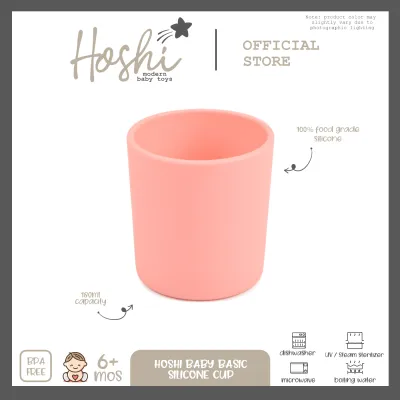
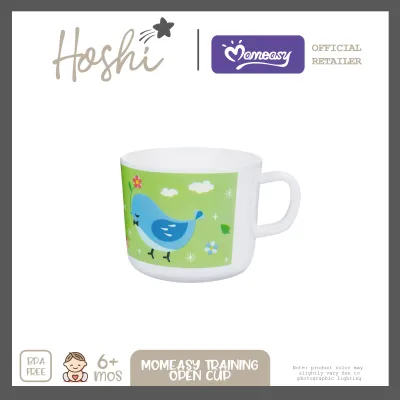

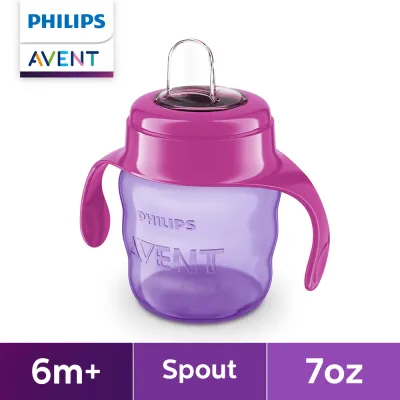
Prices are valid at publication and may change. Please refer to the product page for the latest price.
Additionally, look at how they handle objects in their daily play. If they can grasp a toy with both hands and bring it directly to their mouth, they likely have the hand-eye coordination needed to lift and tilt a cup. Swallowing is another critical milestone. If your child can swallow smooth purees or soft solids without choking or pushing the food back out with their tongue, their swallowing reflex is maturing and ready for liquid transitions.
Weaning progress is closely tied to cup readiness. When you begin introducing solid foods alongside milk, it is the perfect time to introduce water. This transition helps your child learn that liquids can come from sources other than a breast or bottle. Always cross-check your child’s developmental progress with your pediatrician during routine checkups. Additionally, read the manufacturer’s age guidelines on the packaging of any toddler cup you consider, as these provide a helpful baseline for safety and physical design.
Matching Cup Types to Developmental Stages
Each type of toddler cup serves a specific purpose in oral motor development. As your child grows, their drinking mechanism changes from a primitive suckling reflex to a mature swallowing pattern. Choosing a cup that aligns with their current physical abilities prevents frustration and supports natural muscle development in the mouth and jaw.

Sippy Cups (Spout Cups) for Early Transition
Sippy cups, often called spout cups, are a traditional first step for babies transitioning from bottles. They are particularly useful during early weaning when your child is still learning how to tilt a cup to get liquid. The spout design limits spills, making it easier for babies to practice holding a cup without causing a major mess on your dining table or floor.
When choosing a sippy cup, you will find options with either hard plastic spouts or soft silicone spouts. Soft silicone spouts are generally gentler on sensitive, teething gums and feel more familiar to babies accustomed to bottle nipples. Hard spouts are more durable against biting but offer less flexibility.
While sippy cups are convenient, they are best used as a temporary bridge. Prolonged use of traditional spouts can encourage a continuous tongue-thrust swallowing pattern, which some pediatric specialists suggest may impact long-term oral development. Creating a clear transition plan to move your child to straw or open cups within a few months of introduction is a proactive way to support healthy jaw growth.
Straw Cups for Developing Oral Motor Skills
Straw cups are highly recommended by pediatric feeding specialists because they promote excellent oral motor coordination. Drinking from a straw requires your child to retract their tongue and seal their lips around the straw, which strengthens the muscles in the lips, cheeks, and tongue. These are the same muscles your child will use as they begin to babble and speak.
You can look for signs of readiness, such as your child successfully holding a sippy cup or showing curiosity when you drink through a straw. Many toddlers quickly grasp the concept of suction once they realize that pulling liquid up through the straw is highly rewarding. Straw cups with weighted straws are particularly helpful for beginners, as they allow the child to drink from any angle.
One important factor to keep in mind is hygiene. Straw mechanisms have narrow channels that can easily trap moisture, especially in warm, humid tropical climates like the Philippines. This makes them highly susceptible to mold buildup. If you choose a straw cup, ensure you are prepared to clean the internal parts thoroughly after every use.
360-Degree Cups for Spill Prevention and Sipping
A 360-degree cup features a unique lid design that allows your child to drink from any side of the rim, just like an open cup, but without the spills. The cup utilizes a silicone valve that releases liquid only when the child applies gentle lip pressure and sucks on the edge. This mechanism is excellent because it encourages a natural sipping motion and proper tongue placement.
These cups are ideal for active toddlers who want to drink independently while moving around the house, riding in a car seat, or resting. They offer the perfect balance of open-cup practice and complete spill prevention, saving you from constant cleanups on your carpets or wooden floors.
To maintain hygiene, the silicone valve must be removed and washed regularly. Because moisture can easily get trapped beneath the seal, daily disassembly is necessary to prevent mold and bacteria from growing in the hidden crevices. Always inspect the valve for wear and tear to ensure it continues to seal properly.
Open Cups for Advanced Drinking Skills
Transitioning to a standard open cup is the ultimate goal for your child’s hydration and mealtime independence. Drinking from an open cup teaches your child how to judge distances, control their hand movements, and regulate the flow of liquid using their lips and tongue.
Your child may be ready for an open cup when they display steady hand-eye coordination, can hold a cup with both hands without immediately tipping it, and can take controlled sips rather than large gulps. This stage requires patience, as spills are a natural part of the learning process.
When starting out, look for small, lightweight cups designed specifically for tiny hands. Shatterproof materials like food-grade silicone, durable plastic, or stainless steel are excellent choices. Keep the liquid volume low—just a few sips at a time—and always supervise your child closely during practice to minimize messes and prevent choking.
Key Features to Check Before Buying
When shopping for a toddler cup, safety and ease of maintenance should be your top priorities. Always check the product packaging or online product descriptions to verify that the materials are labeled as BPA-free, PVC-free, and phthalate-free. These labels ensure that no harmful chemicals will leach into your child’s drinks.
Next, examine how easily the cup can be disassembled. Look for designs with minimal parts, where all valves, straws, and silicone seals can be fully removed. If a cup has permanently attached parts or deep, unreachable cavities, it is highly likely to harbor mold and bacteria over time, particularly in humid environments.
Check the manufacturer’s instructions regarding dishwasher compatibility and sterilization limits. Some cups can handle high-temperature steam sterilizers, while others may warp or degrade. Knowing these limits beforehand helps you maintain the cup’s structural integrity and hygiene.
Finally, consider the ergonomics of the cup. For younger babies, easy-grip handles help them build confidence and control. A stable, weighted base is also a valuable feature for both transitional and open cups, as it helps prevent accidental tipping when your toddler sets the cup down on the table.
Transitioning Between Cups: Signs It Is Time to Move Up
Children develop at their own pace, and their cup preferences will change as they grow. Paying attention to behavioral cues can tell you when it is time to introduce a new cup style. If your child constantly chews on their sippy cup spout, throws the cup in frustration, or struggles to get enough liquid, they may be ready for a faster flow or a different drinking mechanism, such as a straw cup.
Physical cues are also telling. If your toddler can drink from their current cup without spilling a single drop and handles it with absolute ease, they have likely mastered that developmental stage. Keeping them on a transitional cup for too long may limit their opportunity to practice more advanced oral motor skills.
To make the transition smooth and stress-free, introduce the new cup gradually. Try offering it during low-stress playtimes or afternoon snack times rather than during main meals when your child might be tired or hungry. Let them explore the cup, play with the handles, and practice sipping at their own pace before making it their primary hydration tool.
Frequently Asked Questions (FAQ)
When should I completely stop using a sippy cup?
Many pediatric dentists and speech specialists recommend transitioning away from traditional spout sippy cups by the time your child is around 12 to 18 months old. Prolonged use of hard spouts can interfere with natural tongue placement and jaw development. If your child is showing steady hand-eye coordination or successfully using a straw, it is an excellent time to phase out the sippy cup entirely.
Can I put milk or juice in a toddler straw cup?
While you can put milk or diluted juice in a straw cup, it requires extra vigilance. Milk residue and sugary juices can quickly spoil and cling to the inner walls of straws and valves, creating a breeding ground for bacteria. For daily hydration, it is best to restrict complex straw and valve cups to water, and use simpler, easily washable open cups or basic cups for milk and other beverages.
How do I clean the hidden mold in cup valves?
To prevent mold, establish a daily routine of fully disassembling every part of the cup, including the silicone valves, straws, and rubber rings. Rinse them immediately after use to prevent liquids from drying inside. Use specialized, thin cleaning brushes designed for straws and small valves to scrub the interior surfaces. Always allow the parts to air-dry completely in a well-ventilated area before reassembling them.

Community discussion
Share your experience or ask a question. Comments are reviewed before publication.