
When your little one transitions from breast or bottle to solid foods, choosing the right cup is a crucial milestone. The ideal sippy cup for kids depends entirely on your child’s age, physical readiness, and oral motor development. Rather than relying on a one-size-fits-all solution, matching the cup design—whether a spout, straw, or 360-degree rim—to your child’s developmental stage ensures a safer, smoother transition that supports healthy jaw and dental growth. In the tropical climate of the Philippines, where keeping active babies and toddlers hydrated is a daily priority, selecting a cup that is both easy to use and simple to clean is essential.
Observe Your Child's Readiness and Oral Motor Skills
Introducing a cup too early can lead to frustration, while waiting too long might make the transition away from the bottle more difficult. To pinpoint the right moment, observe your child’s physical milestones. Most infants show readiness around six months of age, which often coincides with the introduction of solid foods. Look for key physical signs: sitting up unassisted in a high chair, demonstrating good neck control, and showing a keen interest in what you are drinking. Your child should also possess the hand-eye coordination required to grasp objects, hold them steady, and bring them directly to their mouth.
Beyond basic motor skills, oral motor development plays a massive role in how your child manages liquids. Drinking from a cup requires a completely different set of muscle movements than sucking from a breast or bottle nipple. Instead of a simple forward-and-backward tongue pumping motion, a cup requires your child to elevate the tip of their tongue, seal their lips around a rim or straw, and coordinate swallowing with breathing. If a child’s oral motor skills are still developing, they may struggle with the faster flow of a cup, resulting in coughing or liquid escaping from the sides of their mouth.
Products mentioned in this guide
![I know Re-Play Spill-proof Sippy Cup 10oz Kids-friendly [Made in USA]](https://img.lazcdn.com/g/ff/kf/Sa9dc62157d3d4e309a32209a39028687J.jpg_400x400q80.jpg_.webp)
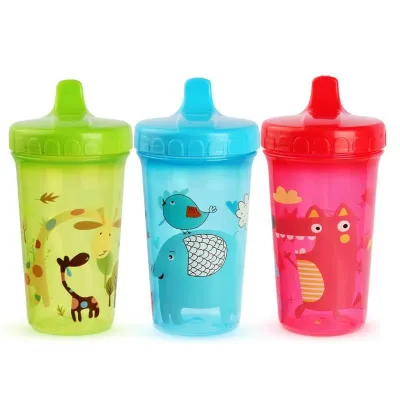
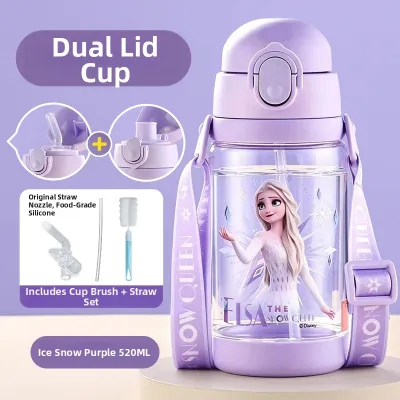
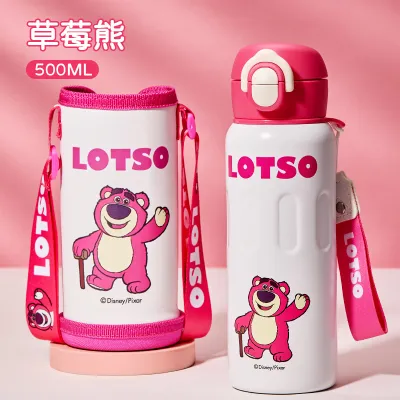
Prices are valid at publication and may change. Please refer to the product page for the latest price.
Every child develops at their own pace, but some may need extra support during this transition. If your child experiences persistent difficulties, such as frequent gagging, severe coughing while drinking, or a strong, ongoing resistance to any cup style, it is best to pause and consult your pediatrician or a pediatric dentist. They can evaluate your child’s oral anatomy and motor milestones to ensure there are no underlying feeding challenges or developmental delays that require specialized guidance.
Match the Cup Design to the Developmental Stage
Navigating the wide array of cups available on the market can feel overwhelming for parents. To make an informed decision, it helps to view these products not just as containers, but as active tools for oral development. Each design—spout, straw, and 360-degree—targets a specific stage of physical coordination and muscle strength. By matching the cup’s mechanics to your child’s current abilities, you can support their natural growth while minimizing spills and frustration. Keep in mind that you do not have to follow a strict linear progression; some children skip certain styles entirely depending on their unique preferences.

Spout Cups: For Early Weaning and Transitioning
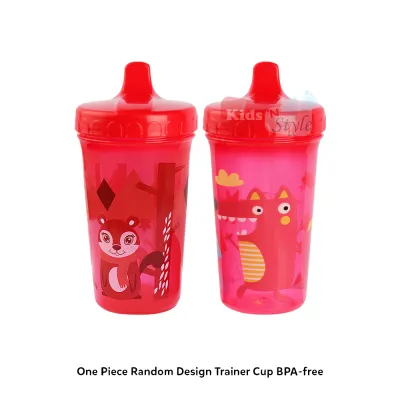
Spout cups are often the first step for babies around six months of age who are just beginning their weaning journey. During this early stage, infants are transitioning from the instinctual sucking reflex used for bottle or breast feeding to the active sipping motion required for open cups. Spout cups bridge this gap by providing a familiar shape that is easy for small mouths to latch onto.
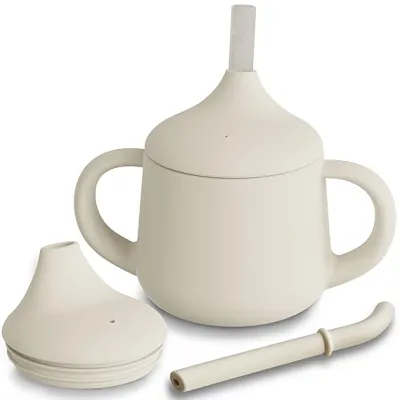
These cups generally come with either soft silicone or hard plastic spouts. Soft silicone spouts are highly recommended for the initial transition because they mimic the familiar texture of a bottle nipple, making the change feel less abrupt. Hard spouts, on the other hand, introduce your child to firmer textures and are more durable against newly emerging baby teeth.
However, spout cups should be viewed as a temporary transition tool. Pediatric dentists often caution that prolonged use of hard, rigid spouts can put pressure on the developing palate and potentially affect the alignment of primary teeth. To support healthy oral development, limit the use of spout cups to a few weeks or months before introducing more advanced drinking designs.
Straw Cups: For Developing Suction and Tongue Control
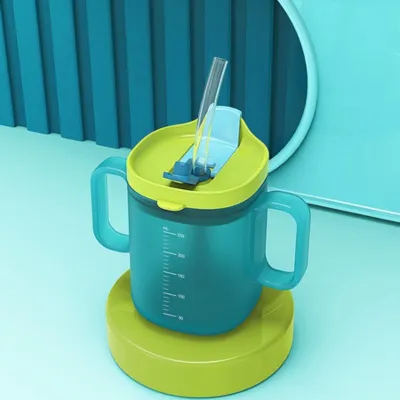
Straw cups are an excellent next step and can be introduced as early as six to nine months of age. Many speech therapists and pediatric dentists prefer straw cups over traditional spout cups because of the specific oral mechanics they require. Drinking through a straw teaches your child how to draw liquid up using active suction, which requires them to retract their tongue and seal their lips tightly around the straw.
This action strengthens the muscles in the lips, cheeks, and tongue, which are critical not only for mature swallowing but also for future speech development. Because straw cups do not require the child to tilt their head back to drink, they also help babies practice sitting upright and maintaining a natural head posture while swallowing.
When shopping for a straw cup, look for designs featuring weighted straws. A weighted straw moves with the liquid, allowing your child to drink from almost any angle—whether they are sitting upright at a high chair or slightly reclined. This feature is particularly helpful for younger babies who are still mastering the concept of gravity and cup positioning.
360-Degree Cups: For Advanced Drinking and Spill Prevention
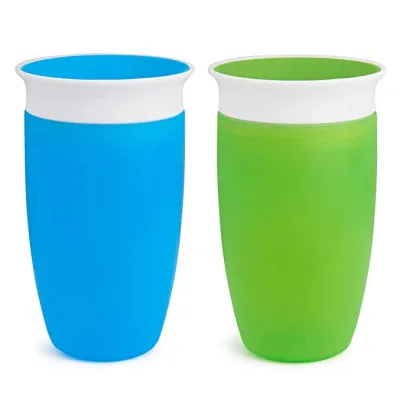
As your child approaches their first birthday and enters toddlerhood (around 12 months and older), they are ready to practice the mechanics of drinking from an open cup. This is where 360-degree or rim-drinking cups become incredibly valuable. These cups feature a unique lid design that allows liquid to flow from any point along the rim when the child applies gentle lip pressure, yet seals completely when they stop drinking.
The primary mechanism of a 360-degree cup requires your child to use the exact same lip and jaw movements they would use with a regular open cup. They must seal their upper and lower lips against the rim and tilt the cup to receive the liquid, all without the risk of a massive spill across your living room or high chair.
Pediatric dentists widely recommend 360-degree cups because they promote normal tongue resting positions and do not interfere with natural teeth alignment. They serve as the perfect training tool, giving your toddler the independence they crave while keeping your floors dry.
Key Features to Check Before You Buy
Once you have determined the best cup style for your child’s developmental stage, you need to evaluate the specific features of individual products to ensure they are safe, hygienic, and practical for daily use.
- Material Verification: Always check the product packaging and manufacturer documentation directly to verify the materials used. Look for food-grade silicone and high-quality plastics. Ensure the packaging explicitly states that the product is "BPA-free" and "BPS-free" rather than relying solely on online marketing descriptions. Because these cups are frequently washed and subjected to warm liquids, verifying chemical safety standards is a vital first step.
- Cleaning and Hygiene: In the warm, humid climate of the Philippines, mold and bacteria can rapidly accumulate in small, damp crevices. Prioritize cups with simple designs, fewer parts, and no complex, hard-to-reach valves. Inspect the manufacturer's care instructions to see if the parts are dishwasher-safe or if they require specialized straw brushes for thorough hand washing. Regularly sterilizing silicone parts according to the manufacturer's guidelines is highly recommended to maintain hygiene.
- Flow Rate and Valves: A cup's flow rate must match your child's ability to swallow to prevent choking or sputtering. Many transition cups feature built-in anti-leak valves that control the flow of liquid. While these valves are excellent for preventing spills, they require a stronger sucking force from your child. As your child grows more confident, look for cups where these valves can be removed. Removing the valve allows for a more natural, free-flowing sip and makes the cup much easier to clean thoroughly.
- Handles and Grip: For younger babies and early toddlers, look for cups equipped with ergonomic, non-slip handles. These handles should be sized appropriately for tiny hands, allowing your child to lift and tilt the cup independently. As your child's grip strength and hand-eye coordination improve, you can transition to handle-free cups with contoured grips that fit comfortably in their hands.
When to Transition and When to Stop Using Sippy Cups
While sippy cups are incredibly convenient tools for parents, they are designed to be temporary stepping stones, not permanent fixtures. Relying on sippy cups for too long can have unintended consequences for your child’s oral health. When a child constantly sucks on a spout or valve, it can cause liquids—especially milk or juice—to pool around their front teeth, significantly increasing the risk of early childhood tooth decay. Furthermore, prolonged use of certain cup styles can alter the natural shape of the palate and affect bite alignment, which may impact speech development.
To protect your child’s dental health, pay attention to the signs that they are ready to transition to a standard open cup. These signs include advanced hand-eye coordination, the ability to lift and tilt objects steadily, and a demonstrated ability to take controlled sips from your own open cup with minimal spilling.
As a general guideline, pediatric dentists recommend aiming to transition your child away from all types of sippy cups and onto regular open cups by 18 to 24 months of age. Introduce open cups in a controlled environment, such as during bath time or outdoor play, using small amounts of water to keep messes manageable. Always consult your pediatric dentist during regular checkups to receive personalized advice tailored to your child’s unique dental and oral motor development.
Frequently Asked Questions (FAQ)
Can I put hot liquids in a sippy cup?
You should avoid putting hot liquids in any sealed sippy cup. When a cup is sealed, hot liquids create steam and pressure buildup inside the container. When your child opens the valve, straw, or spout, this pressure can cause the hot liquid to spray out unexpectedly, posing a serious burn risk. Always serve drinks at room temperature or cool, and test the temperature of any liquid on the inside of your wrist before offering it to your child.
How often should I replace my child's sippy cup?
You should inspect your child’s cups regularly for wear and tear. Replace the cup or its individual parts immediately if you notice cracks in the plastic, a cloudy or heavily scratched appearance, or any chewed, torn, or stretched silicone spouts and straws. Damaged silicone can become a choking hazard, and deep scratches can harbor stubborn bacteria. Always refer to the manufacturer’s specific guidelines and age recommendations printed on the product packaging for replacement intervals.

Community discussion
Share your experience or ask a question. Comments are reviewed before publication.