
Transitioning your baby from exclusive breast or bottle feeding to solid foods is a major developmental milestone. In the Philippines, where the warm, tropical climate demands constant hydration, choosing the right sippy cup is essential for a smooth weaning process. The best sippy cup for your baby depends entirely on their developmental stage, oral motor skills, and safety needs. For early weaning, a cup with a soft silicone spout or dual handles helps ease the transition. As your baby grows into an active toddler, weighted straw cups and 360-degree rimless cups support natural oral development and prevent spills during active play.
Finding the right cup involves balancing oral development, material safety, ergonomics, and ease of maintenance. Because every child develops at their own pace, understanding the mechanics of different cup styles will help you make an informed decision that keeps your little one hydrated and safe.
How to Choose the Right Sippy Cup for Your Weaning Baby
Selecting a cup requires looking beyond aesthetics to evaluate how the design interacts with your baby’s developing mouth, hands, and digestive system.
Products mentioned in this guide
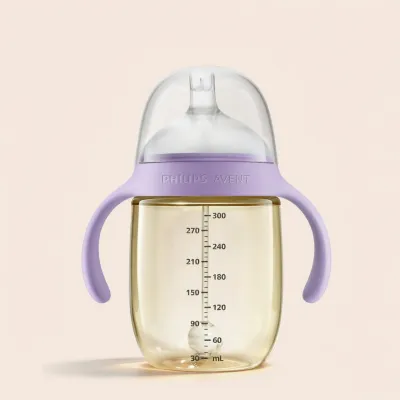
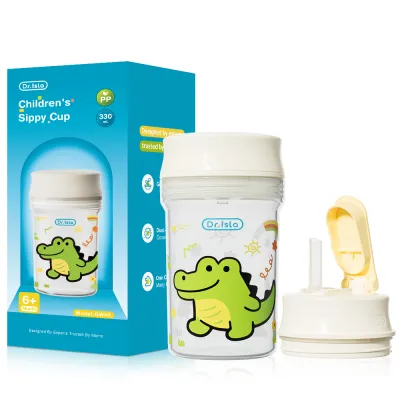
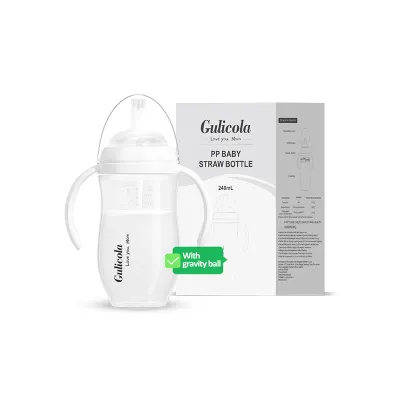
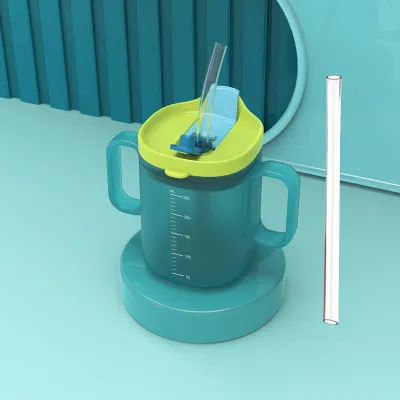
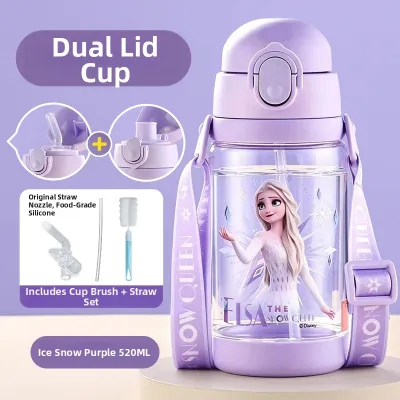
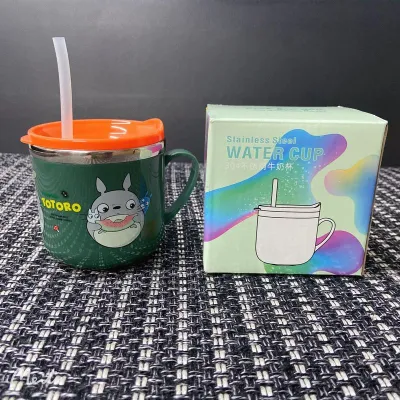
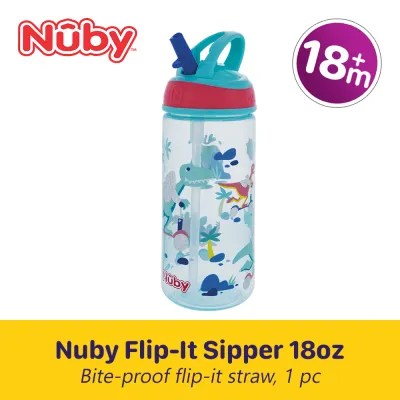
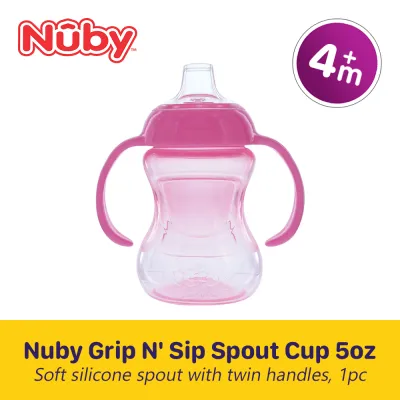
Prices are valid at publication and may change. Please refer to the product page for the latest price.
Spout Types and Oral Motor Development
Different cup designs require different oral motor skills, and mapping them to your baby’s developmental milestones ensures a smoother transition.
- Soft Silicone Spouts: These spouts mimic the familiar feel of a baby bottle nipple. They are highly flexible and require minimal coordination, making them an excellent starting point for babies who are just beginning to explore water at the start of solid feeding.
- Hard Plastic Spouts: These offer a highly durable, bite-resistant option for teething babies. However, because they do not yield to pressure, they do not actively encourage mature swallowing patterns. They should generally be used as a short-term transitional option.
- Weighted Straws: Straw drinking encourages excellent oral motor coordination. A weighted straw features a flexible silicone tube with a weighted anchor at the bottom, allowing the straw to follow the liquid regardless of the angle at which the baby holds the cup. This design helps build lip strength and tongue retraction.
- 360-Degree Rimless Cups: These cups allow your baby to drink from any side of the rim, much like a regular open cup. A silicone valve releases liquid only when the baby applies lip pressure to the edge. This design supports natural tongue placement and jaw alignment, making it highly recommended by pediatric dentists.
Material Safety and Durability
When shopping for baby tableware in local department stores or online marketplaces, always check the product labels for material composition.
- Polypropylene (PP): This is a lightweight, shatterproof, and highly affordable plastic widely used in budget-friendly cups (typically priced under ₱300). Ensure the label explicitly states it is BPA-free, PVC-free, and phthalate-free. While durable, PP plastic is prone to scratching over time, which can create microscopic crevices where bacteria can hide.
- Tritan: A premium co-polyester that offers the crystal-clear appearance of glass without the weight or fragility. Tritan is highly impact-resistant, odor-resistant, and completely BPA-free, making it a popular mid-range choice (typically ₱400 to ₱800) for active toddlers.
- Polyphenylsulfone (PPSU): Often recognized by its natural honey-colored tint, PPSU is a medical-grade plastic that offers extreme durability and heat resistance. It can withstand repeated high-temperature sterilization without degrading, making it an excellent investment if you rely heavily on steam or UV sterilizers.
- Silicone: Used primarily for spouts, straws, and protective sleeves, food-grade silicone is naturally flexible, hypoallergenic, and gentle on sensitive gums. It is highly heat-resistant but can absorb strong food odors if not cleaned promptly.
- Stainless Steel: Double-walled, insulated stainless steel cups are highly beneficial in the Philippines' hot and humid climate, as they keep water cool for hours during outdoor trips. They are naturally hygienic and exceptionally durable, though they are heavier and generally carry a higher price tag (often exceeding ₱1,000).
Ergonomics and Independence
To encourage self-feeding and independence, look for design features that accommodate a baby’s developing physical abilities.
- Easy-Grip Handles: Removable or integrated dual handles help young babies practice their pincer grasp and hand-eye coordination. Textured or rubberized grips prevent the cup from slipping out of soapy hands.
- Lightweight Construction: A cup that is too heavy when filled with water will frustrate a baby who is still building upper-body strength. Opt for lightweight plastics or single-walled metals for early training.
- Non-Slip Bases: Silicone-coated or weighted bases prevent the cup from sliding off high chairs during enthusiastic meal times, reducing spills and clean-up time.
Ease of Cleaning
The high humidity in the Philippines accelerates mold and mildew growth in damp, enclosed spaces. When choosing a cup, prioritize designs with minimal parts, wide openings, and simple valve mechanisms. Avoid cups with complex, non-removable internal valves that trap moisture, as these are incredibly difficult to clean and sanitize thoroughly.
Safety Boundary
Always verify the manufacturer’s specific age, weight, and developmental recommendations on the product packaging before introducing a cup. Never leave your baby unattended during feeding or drinking times. If you notice any signs of coughing, choking, or persistent difficulty swallowing, stop using the cup immediately and consult your pediatrician or a pediatric dentist.
Top Sippy Cup Recommendations for Early Weaning (6 to 9 Months)
At 6 to 9 months, your baby is just beginning to explore solid foods, and water is introduced in very small amounts alongside breast milk or formula.

Focus on Gentle Transition
Babies at this stage are accustomed to the sucking motion required for breastfeeding or bottle-feeding. A soft, flexible silicone spout is crucial because it yields to gentle pressure, protecting emerging incisors and tender, swollen gums during teething phases.
Key Features to Look For
- Dual Handles: Look for wide, easy-to-hold handles that allow your baby to guide the cup to their mouth independently.
- Slow-Flow Valves: These prevent a sudden rush of water, giving your baby time to coordinate their sucking, swallowing, and breathing.
- Clear Measurement Markings: Essential for tracking daily water intake, especially during hot afternoon hours when monitoring hydration is critical.
Recommended Archetypes
- Soft-Spout Trainer Cups with Removable Handles: These cups typically feature a wide, stable base and a soft silicone spout that mimics a bottle nipple but has a flatter shape to encourage sipping. The handles can be detached as your baby's grip strength improves. These are widely available in local baby boutiques and department stores, ranging from ₱250 to ₱500.
- Transitional Bottles with Soft Spout Attachments: Many premium bottle brands offer interchangeable collar systems. This allows you to swap the standard bottle nipple for a soft spout attachment, utilizing the bottle body your baby is already comfortable holding. These systems generally cost between ₱300 and ₱600.
Limitations and Trade-offs
While soft silicone spouts are excellent for transitioning, they are highly vulnerable to sharp new teeth. Once your baby’s front incisors emerge, they can easily chew through the silicone, creating a potential choking hazard. Caregivers must inspect the spout before every use and be prepared to transition to a harder spout or a straw cup as soon as teething begins in earnest.
Best Sippy Cups for Older Babies and Active Toddlers (9 to 18 Months)
As babies become highly mobile, their hydration needs and physical abilities change rapidly. They require durable, spill-proof cups that can keep up with their active movements.
Focus on Spill-Proof and Advanced Designs
Active toddlers need cups that can withstand being dropped from high chairs, tossed across the living room, or packed into diaper bags for outdoor trips.
- Weighted Straw Cups: These feature a flexible silicone straw with a weighted anchor at the bottom. The weight follows the liquid, allowing your child to drink from any angle, even while tilted back in a stroller. Many models feature a flip-top lid that slides over the straw to keep it clean and prevent leaks during travel.
- 360-Degree Rimless Cups: These cups use a circular silicone seal that opens only when the child applies lip pressure to the edge. When the child stops drinking, the seal automatically closes, making the cup virtually spill-proof even when dropped or knocked over.
Oral Motor Benefits
Pediatric dentists generally recommend transitioning away from traditional spouts toward straws and open cups by the age of one. Weighted straws promote lip closure, cheek strength, and tongue retraction, which are vital for speech development. 360-degree cups encourage natural jaw alignment and mimic the muscle movements required for drinking from a regular glass, helping your toddler transition smoothly to open cups.
Recommended Archetypes
- Weighted Straw Cups: Highly popular for active toddlers, these cups are widely available on local e-commerce platforms and in baby specialty stores, ranging from ₱400 to ₱900. Look for models made of Tritan or PPSU for enhanced durability against drops.
- 360-Degree Trainer Cups: Typically priced between ₱500 and ₱1,200 depending on the material (plastic versus insulated stainless steel). These are excellent for family meal times, allowing your toddler to practice table manners without the mess.
Limitations and Trade-offs
Weighted straws and 360-degree valves consist of multiple intricate parts. Cleaning these components requires specialized tiny brushes and thorough air-drying, which can be time-consuming for busy parents. Additionally, while hard plastic spouts are highly durable, they pose a minor safety risk if a toddler falls while running with the cup in their mouth. Always supervise active toddlers while they drink, and encourage them to sit down during hydration breaks.
Quick Comparison of Sippy Cup Features by Stage
To help you quickly identify the most suitable option for your baby’s current developmental stage, the table below summarizes the key characteristics of each cup type.
| Cup Type | Best Age Range | Key Developmental Benefit | Spill-Proof Level | Cleaning Complexity |
|---|---|---|---|---|
| Soft Spout | 6 to 9 Months | Gentle on gums; mimics bottle feel | Moderate (may drip if shaken) | Low (few parts) |
| Hard Spout | 9 to 12 Months | Bite-resistant for teething babies | High (usually has a valve) | Moderate (requires valve cleaning) |
| Weighted Straw | 9 to 18+ Months | Promotes lip closure and tongue strength | High (excellent for active play) | High (requires straw brush) |
| 360-Degree Rimless | 12 to 18+ Months | Mimics open-cup drinking; supports jaw alignment | High (spill-proof when dropped) | Moderate (removable silicone valve) |
Cleaning, Maintenance, and Transitioning to an Open Cup
Proper hygiene and knowing when to retire the sippy cup are critical for your child’s long-term health and development.
Daily Cleaning Routine
The warm, humid climate of the Philippines creates a prime breeding ground for mold, mildew, and bacteria. After every use, disassemble the cup completely. Remove the silicone valves, straws, and rubber seals from the lid. Use a specialized bottle brush and a small straw brush to clean inside all crevices. Wash with mild, baby-safe dishwashing liquid and warm water. Ensure all parts are completely dry on a clean drying rack before reassembling.
Sterilization Limits
Before boiling, steam-sterilizing, or using a UV sterilizer, always check the manufacturer’s care instructions. High heat can warp polypropylene plastic, degrade silicone seals, and cause valves to lose their spill-proof seal over time. If the manufacturer advises against heat sterilization, stick to thorough washing with warm, soapy water. If you use a UV sterilizer, verify that the cup’s materials (such as PPSU or Tritan) are compatible with UV exposure to prevent premature yellowing or degradation.
When to Transition
Sippy cups are meant to be a temporary bridge, not a permanent fixture. Most pediatricians and pediatric dentists recommend transitioning your child to a regular open cup between 12 and 18 months. Signs of readiness include your child being able to sit upright independently, hold a small cup with two hands, and control the tilt of the cup without immediately spilling the contents.
Transition Tips
- Start Small: Introduce the open cup during controlled situations, such as meal times while your child is securely seated in their high chair. Start with very small amounts of water—just a tablespoon or two—to minimize mess.
- Choose Toddler-Sized Cups: Use a small, lightweight, shatterproof open cup designed specifically for toddlers. Cups with a weighted base or dual handles can help them maintain control.
- Reserve Straws for Travel: Keep spill-proof weighted straw cups reserved for travel, car rides, or outdoor activities where spills are difficult to clean, while prioritizing open cups at home to support proper dental alignment and speech development.
Frequently Asked Questions (FAQ)
Are sippy cups bad for a baby's teeth and speech development?
Prolonged or improper use of traditional hard-spout sippy cups can potentially impact dental alignment and speech development. When a baby drinks from a spout, they use an immature swallowing pattern where the tongue thrusts forward under the spout. Continuous sucking on a hard spout can contribute to an open bite or a narrow palate. Furthermore, if the cup is filled with milk, juice, or formula and sipped constantly throughout the day, the continuous pooling of sugars around the teeth increases the risk of early childhood caries. To mitigate these risks, use sippy cups only as a short-term transitional tool and aim to introduce open cups or straw cups by 12 to 18 months.
Can I put hot liquids or formula in a sippy cup?
It is generally not recommended to put hot liquids in a sealed, spill-proof sippy cup. Hot liquids generate steam, which builds up pressure inside the sealed chamber. This pressure can cause hot liquid to spray out of the spout or straw when opened, posing a severe burn risk to your baby. Additionally, extreme temperatures can degrade silicone valves and plastic structural integrity. Always check the manufacturer’s maximum temperature guidelines. If you are serving warm formula or milk, ensure it is lukewarm, and test the temperature on your wrist before giving the cup to your baby.
How often should I replace my baby's sippy cup?
Rather than relying on a strict calendar timeline, regularly perform a visual and tactile inspection of all cup components. Replace any parts immediately if you notice deep bite marks, cracks, tears in the silicone spout or straw, persistent discoloration, or a lingering sour odor. Damaged silicone can break off and become a choking hazard, while deep scratches in plastic can harbor harmful bacteria that standard washing cannot reach. For safety, inspect the cup before every use and replace silicone straws or spouts every two to three months of regular use, or as recommended by the manufacturer.
Community discussion
Share your experience or ask a question. Comments are reviewed before publication.