
Choosing the right Scott’s vitamin product for your child requires a careful look at their age, developmental milestones, and specific nutritional needs. Because children grow at a rapid pace, their bodies require different levels of support at different stages of life. Scott’s offers a variety of formulations, including liquid emulsions and chewable pastilles or gummies, each tailored to specific age groups. However, parents must never assume a product is suitable based on the brand name alone. Selecting the correct supplement involves verifying the age recommendations on the packaging, understanding the active ingredients, and consulting with a pediatrician to ensure the choice aligns with your child’s health profile.
Understanding Your Child's Nutritional Needs by Age
During the first few years of life, a child’s nutritional requirements undergo significant shifts. In infancy, breastmilk or infant formula generally provides all the essential vitamins and minerals a baby needs for healthy development. As babies transition into toddlerhood, usually around one year of age, their diet expands to include a wider variety of solid foods. This transition can sometimes be accompanied by picky eating habits, which may lead parents to worry about potential nutritional gaps.
As children progress from toddlers to preschoolers and eventually to school-aged individuals, their physical activity levels and cognitive demands increase. Their growing bones, developing immune systems, and active brains require consistent nutritional support. While a balanced diet rich in fruits, vegetables, whole grains, and proteins is always the primary source of nutrients, certain situations may warrant the use of dietary supplements. For instance, children who are extremely selective eaters, those with specific dietary restrictions, or those recovering from illness might benefit from targeted supplementation.
Products mentioned in this guide


![Scotts DHA Gummies Strawberry + Orange 60s [Pack of 2] Helps Support Brain Development](https://img.lazcdn.com/g/p/57c252d1cbab5822cf70bdee533730fd.png_400x400q80.png_.webp)


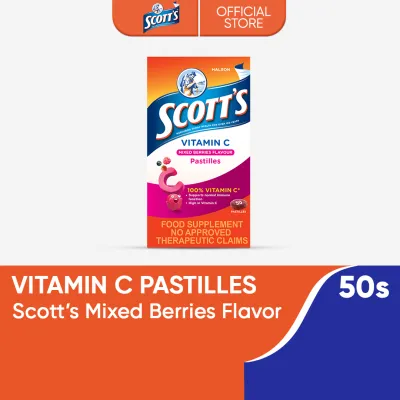
![Scotts Pastilles Orange + Mixed Berries 50s [Pack of 2] with 100% Vitamin C](https://img.lazcdn.com/g/p/4c2c859221999560b5bd386fa289ab04.jpg_400x400q80.jpg_.webp)
![Scotts Pastilles Orange + Mixed Berries 30s [Pack of 2] with 100% Vitamin C](https://img.lazcdn.com/g/p/cb759bf2604fd97fc785573be2979189.jpg_400x400q80.jpg_.webp)
Prices are valid at publication and may change. Please refer to the product page for the latest price.
However, introducing any supplement should never be a guessing game. It is vital to understand that vitamins are active compounds that can impact a child’s delicate system. Before purchasing or administering any vitamin product, parents must consult a qualified pediatrician. A healthcare professional can assess the child’s growth, evaluate their dietary intake, and determine whether a supplement is truly necessary. They can also provide personalized recommendations on the exact nutrients your child might need, helping you avoid unnecessary or excessive supplementation.
How to Read and Verify Scotts Vitamin Labels
Navigating the supplement aisle can be overwhelming, making it essential for parents to know how to read and verify product labels accurately. The most critical piece of information on any vitamin packaging is the stated age range. Manufacturers formulate products with specific age groups in mind to ensure that the nutrient concentrations are safe and appropriate. Giving a product designed for older children to a younger toddler can lead to accidental overconsumption of certain vitamins, which can be harmful to their developing organs.

In addition to the age range, parents must carefully examine the recommended dosage instructions. This section outlines exactly how much of the product should be given daily and how often. It is important to remember that more is not always better when it comes to vitamins. Fat-soluble vitamins, such as Vitamin A and Vitamin D, can accumulate in the body if taken in excess, making strict adherence to the recommended dosage crucial for safety.
When reading the ingredient list, look for the active components and understand their general purposes. For example, cod liver oil is a traditional source of Vitamin A and Vitamin D, which are often associated with supporting immune function and bone development. However, parents must also look beyond the active ingredients to check for inactive components. This includes checking the sugar content, artificial colors, flavors, and potential allergens like gluten, soy, or dairy. In the Philippines, where food sensitivities and allergies are common concerns, verifying these details on the label helps prevent adverse allergic reactions.
Furthermore, parents should verify the authenticity of the product. Ensure the packaging features a clear batch number, manufacturing date, expiration date, and registration details from the local Food and Drug Administration (FDA). When purchasing supplements from an online marketplace or local retail store, checking these details helps ensure you are receiving a genuine, safe product that has been stored and handled correctly.
Comparing Liquid, Chewable, and Gummy Formats
Scott’s vitamins are available in several physical formats, each designed to accommodate different stages of physical development and swallowing ability. Understanding the differences between liquid emulsions, chewable pastilles, and gummies is key to making a safe and practical choice for your child.
Liquid emulsions are a traditional format often recommended for younger children who have not yet mastered the ability to chew solid foods safely. An emulsion is a mixture of two liquids that do not easily combine, such as oil and water, which allows fat-soluble nutrients like cod liver oil to be suspended in a palatable liquid base. One of the primary advantages of liquid formats is dosing accuracy, as parents can measure the exact amount required using a standardized measuring tool. However, taste and texture can sometimes be a challenge, as some children may find the thick consistency or distinct flavor of emulsions difficult to accept, even when flavored with orange or other fruit extracts.
Chewable pastilles and gummies offer a more appealing alternative for older children who enjoy the chewy texture and sweet taste. These formats are designed to make daily supplementation a more pleasant experience, reducing the struggle often associated with giving medicine or supplements to kids. However, chewable formats carry specific age requirements to ensure safe consumption. Children must have a full set of teeth and the developmental capability to chew thoroughly before they can safely consume gummies or pastilles. Without these skills, chewable vitamins pose a significant choking hazard.
Another critical consideration for chewable formats is their sugar content. Many gummies and pastilles contain added sugars or sweeteners to mask the taste of active ingredients. Parents must be mindful of this, as frequent consumption of sugary chewables can contribute to dental cavities, especially if given right before bedtime without subsequent teeth brushing. Additionally, the physical format dictates how the product must be stored. In hot and humid tropical climates, such as in the Philippines, gummies and pastilles are highly susceptible to melting, clumping, or degrading if exposed to heat and moisture. Checking the storage instructions on the label is essential to maintain the product’s integrity and shelf life.
Matching the Right Format to Your Child's Age Group
To simplify the decision-making process, parents can use a conditional framework that matches the vitamin format to their child’s specific age bracket and physical capabilities. While general guidelines exist, always remember that individual development varies, and the product label remains the ultimate authority on age suitability.
For toddlers, typically defined as children aged one to three years, the primary focus should be on liquid formats. At this stage, the risk of choking on solid objects is relatively high, making liquid emulsions a safer choice for delivering essential nutrients. When introducing a liquid supplement to a toddler, parents must seek strict pediatrician guidance. The doctor can help determine if the child’s diet lacks specific nutrients and can recommend the precise daily dosage. Never introduce a supplement to a toddler without verifying the minimum age limit on the product packaging, as some liquid formulations may not be suitable for children under a certain age.
As children transition into the preschool years, generally between ages three and five, their physical capabilities expand. Many preschoolers have developed the dental structure and coordination required to chew soft foods thoroughly. During this stage, parents might consider transitioning from liquid emulsions to chewable pastilles or gummies, provided the child can chew safely under direct supervision. It is important to monitor this transition closely and adjust the dosage as recommended on the product label or by your pediatrician. Preschoolers are also highly observant, so parents must clearly explain that these vitamins are not candy, despite their appealing taste and shape.
For school-aged children, typically aged six and older, chewable options are often the most convenient and well-received format. These children are generally capable of chewing and swallowing safely, and their busy schedules of school, sports, and extracurricular activities may benefit from a quick, fuss-free supplement routine. Chewable pastilles or gummies can help address specific dietary gaps that may arise from eating school lunches or participating in active outdoor play. However, even with older children, parents must continue to monitor intake, verify the correct dosage on the label, and ensure the supplements are kept out of reach to prevent unsupervised consumption.
Safe Storage and Daily Administration Guidelines
Proper storage and administration are just as important as choosing the right vitamin product. Because many children’s vitamins are formulated to taste like fruit or candy, children may perceive them as treats rather than dietary supplements. This makes safe storage a top priority for preventing accidental overconsumption.
Always store vitamin products in a secure, locked cabinet or on a high shelf that is completely out of reach and sight of children. Never leave the bottle on a kitchen counter or dining table, even if it has a child-resistant cap. Child-resistant does not mean child-proof, and curious toddlers can often find ways to open packaging if left unattended. In the tropical climate of the Philippines, where high humidity and temperatures are common, store the vitamins in a cool, dry place away from direct sunlight to prevent the liquid from spoiling or the gummies from melting into a single mass.
When administering liquid formats, always use the measuring cup, spoon, or dropper provided by the manufacturer. Standard household spoons vary widely in size and are not accurate tools for measuring medicine or supplements. Using an incorrect tool can easily lead to under-dosing or accidental overdosing. For chewable formats, ensure your child chews the pastille or gummy completely before swallowing, and always supervise the process to prevent choking.
Finally, parents must remain vigilant for any signs that indicate a need to stop using the product. If your child experiences any adverse reactions, such as skin rashes, hives, stomach discomfort, nausea, vomiting, or sudden changes in appetite, discontinue use immediately. Consult a qualified healthcare professional or pediatrician right away to evaluate the symptoms and determine if the reaction was caused by the supplement or an underlying health issue.
Frequently Asked Questions (FAQ)
Can I Give My Baby Vitamins Before They Turn One?
Generally, healthy infants under twelve months of age do not require commercial vitamin supplements if they are receiving adequate nutrition from breastmilk or infant formula. Breastmilk is uniquely formulated to provide the essential nutrients a growing baby needs, while commercial infant formulas are fortified to meet standard nutritional requirements. Introducing dietary supplements to an infant under one year of age should only be done under the direct supervision and explicit recommendation of a pediatrician. Most commercial vitamin products, especially chewable pastilles and gummies, have strict minimum age restrictions and are not safe for infants due to choking hazards and developmental readiness. Always check the product label for age warnings and consult your doctor before introducing any new substance to your baby’s diet.
What to Do If Your Child Misses a Dose or Takes Too Much
If your child misses a scheduled dose of their daily vitamin, the standard safety practice is to simply skip the missed dose and resume the regular schedule the following day. Never double up on the dosage to make up for a missed day, as this can lead to an excessive intake of certain vitamins, particularly fat-soluble ones like Vitamin A and D, which can strain your child’s liver and kidneys. In the event that you suspect your child has consumed more than the recommended dose, take immediate action. Contact your pediatrician, visit the nearest emergency room, or reach out to a local poison control center right away. Keep the product packaging with you so that medical professionals can quickly identify the exact ingredients, concentrations, and batch details to provide the appropriate care.

Community discussion
Share your experience or ask a question. Comments are reviewed before publication.