
Quick Answer: The Core Ingredients in Kids Vitamins for Brain Development
When searching for kids vitamins for brain development, parents should look for specific, scientifically backed nutrients rather than relying on flashy marketing claims. The primary ingredients linked to cognitive growth are docosahexaenoic acid (DHA), iron, zinc, choline, B-complex vitamins (specifically B6, B9, and B12), and vitamin D. Each plays a distinct role: DHA serves as a structural building block for brain tissue; iron and zinc support oxygen transport and neurotransmitter function; B vitamins and choline fuel cellular energy and nerve signaling; and vitamin D provides neuroprotective benefits.
It is crucial to understand that these nutrients are not “smart pills” that instantly boost intelligence. Instead, they function as essential physiological support systems that work best alongside a balanced diet, adequate sleep, and cognitive stimulation. Supplementation should always be treated as a targeted bridge to fill dietary gaps, rather than a replacement for whole foods.
Why Brain-Specific Nutrients Matter in Early Childhood
During the first few years of life, a child’s brain undergoes a massive developmental surge, forming millions of neural connections every second. This rapid growth demands a high and consistent supply of metabolic energy and specific micronutrients. In the Philippines, ensuring consistent daily intake can sometimes be challenging due to picky eating habits, busy family schedules, or dietary transitions. For example, while fresh fish is a staple in many coastal areas, young children may refuse seafood due to its texture or strong taste, leading to a gap in essential fatty acids.
Products mentioned in this guide
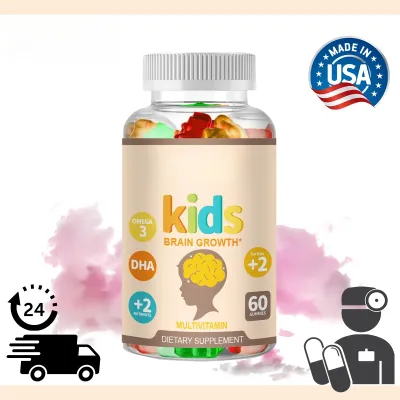
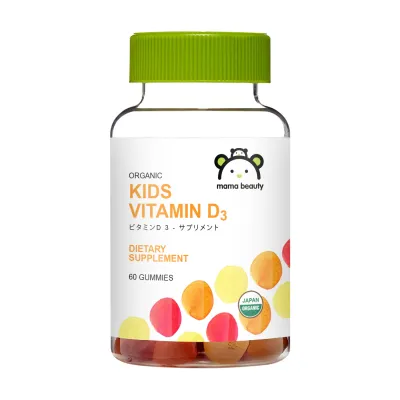
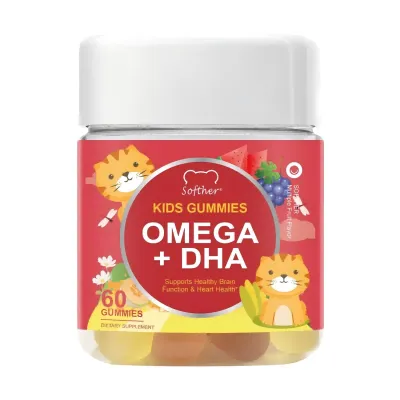
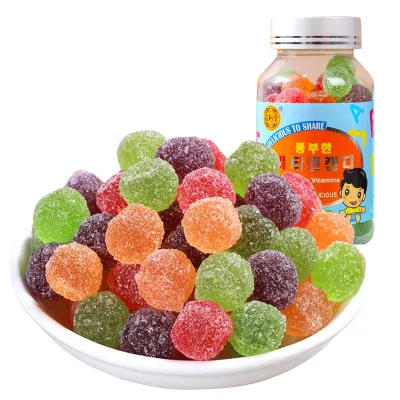
Prices are valid at publication and may change. Please refer to the product page for the latest price.

When nutritional gaps persist, the brain’s rapid development can be affected, as it prioritizes immediate metabolic needs over long-term cognitive scaffolding. A targeted dietary supplement can act as a reliable nutritional bridge, filling specific gaps without replacing the foundational role of a diverse, whole-food diet. Understanding what to look for on a product label empowers you to choose a supplement that safely and effectively supports your child’s growing mind.
Breakdown of Key Brain-Boosting Ingredients
Evaluating a supplement requires looking past the front of the bottle and carefully analyzing the Supplement Facts panel. Different chemical forms of vitamins and minerals vary widely in how well they are absorbed and utilized by a child’s body.
DHA and Omega-3 Fatty Acids
Docosahexaenoic acid (DHA) is a major structural component of the human brain, particularly concentrated in the cerebral cortex, which governs memory, attention, executive function, and social development. When reviewing labels, look closely at the specific milligram count of DHA rather than the general “total fish oil” or “omega-3” content. Many general supplements contain high amounts of other fatty acids but very little actual DHA.
Parents should verify whether the source is purified fish oil or marine algae oil. Marine algae oil is a highly bioavailable, plant-based option that is excellent for vegetarian families or children with fish allergies. Because marine oils are susceptible to environmental contaminants, check that the manufacturer specifies molecular distillation or independent third-party testing for heavy metals like mercury, lead, and cadmium. Avoid products that list DHA under a “proprietary blend” without disclosing its exact dosage, as this often masks sub-therapeutic levels.
Iron and Zinc
Iron is essential for myelination—the process of insulating nerve fibers to speed up brain signaling—and for transporting oxygen to highly metabolic brain tissues. A deficiency in iron, even a mild one, can manifest as fatigue, poor concentration, and cognitive delays. Zinc acts as a vital catalyst for neurotransmitter synthesis and regulates synaptic plasticity, which is essential for learning and memory retention.
When reading labels, look for chelated or amino acid-bound mineral forms, such as ferrous bisglycinate or zinc picolinate. These organic compounds are generally gentler on a child’s sensitive stomach and offer higher bioavailability compared to inorganic salts like ferrous sulfate or zinc oxide. However, because excess iron can accumulate to toxic levels in a child’s organs, never start an iron-containing supplement without first consulting a pediatrician to confirm your child’s specific nutritional status and dosage requirements.
B-Complex Vitamins and Choline
The B-complex family, particularly vitamins B6 (pyridoxine), B9 (folate), and B12 (cobalamin), is indispensable for cellular energy production and the synthesis of neurotransmitters. Choline, though technically not a vitamin, is a closely related essential nutrient that serves as a precursor to acetylcholine, a neurotransmitter critical for memory, mood, and cognitive control.
To maximize absorption, look for active, methylated forms of these nutrients on the supplement facts panel. For instance, search for methylcobalamin instead of synthetic cyanocobalamin, and L-methylfolate (or 5-MTHF) instead of folic acid. These methylated forms bypass the need for complex enzymatic conversions in the body, making them highly bioavailable. This is especially beneficial for children with genetic variations (such as the MTHFR gene mutation) that hinder folic acid metabolism.
Vitamin D and Neuroprotective Antioxidants
Vitamin D3 (cholecalciferol) is a powerful neurosteroid that influences brain development, neuroplasticity, and the synthesis of nerve growth factors. It is vital to choose vitamin D3 over vitamin D2 (ergocalciferol), as D3 is significantly more effective at raising and maintaining optimal vitamin D levels in the blood.
Alongside vitamin D, look for antioxidant vitamins like vitamin C and vitamin E (listed as d-alpha-tocopherol). These antioxidants protect the delicate lipid membranes of brain cells from oxidative stress and damage caused by environmental pollutants. Always verify the overall dosage of these fat-soluble vitamins against age-specific upper limits established by pediatric health authorities to prevent accidental accumulation over time.
How to Read and Evaluate Kids' Vitamin Labels
Translating ingredient knowledge into shopping decisions requires a systematic approach to reading the back panel of a supplement bottle.
1. Check the Sugar and Additives
Many commercial kids’ vitamins, particularly gummies, are loaded with added sugars, high-fructose corn syrup, or artificial sweeteners to mask the bitter taste of minerals. High daily sugar intake can lead to rapid blood sugar spikes and crashes, which may negatively impact a child’s focus, behavior, and energy levels, ultimately counteracting the cognitive benefits of the vitamins. Additionally, check the ingredient list for artificial food dyes such as Red 40, Yellow 5, or Blue 1. Some children exhibit sensitivities to these synthetic colorants, which have been linked in observational studies to increased hyperactivity and behavioral changes.
2. Decode the Supplement Facts Panel
Always examine the “% Daily Value” (% DV) column on the back of the bottle. Ensure that the daily value percentage is tailored specifically to your child’s age bracket (typically split into “children 1 to 3 years” and “children 4 years and older”). Giving a toddler a supplement formulated with adult-sized nutrient percentages can easily lead to accidental over-supplementation of fat-soluble vitamins and minerals.
3. Identify Fillers and Allergens
Carefully scan the bottom of the supplement panel for common allergens and unnecessary fillers. Many children have sensitivities or mild allergies to common binders and carriers, such as soy, wheat, gluten, dairy, or corn-derived ingredients like maltodextrin. If your child has a known sensitivity, prioritize products explicitly labeled as allergen-free and formulated without artificial preservatives, fillers, or hydrogenated oils.
4. Verify Third-Party Testing
Because the dietary supplement industry is not regulated as strictly as pharmaceutical drugs, parents must actively verify the purity of what they buy. Look for independent, third-party testing seals on the packaging. Organizations such as the United States Pharmacopeia (USP), NSF International, or equivalent local regulatory clearances (like registration with the Food and Drug Administration of the Philippines) confirm that the product actually contains the ingredients listed on the label without harmful levels of heavy metals, pesticides, or microbial contaminants.
Safety, Dosage, and When to Consult a Pediatrician
While vitamins are available over the counter, they are active physiological compounds that carry risks if misused.
Toxicity Risks
While water-soluble vitamins (like vitamin C and the B complex) are generally excreted in urine when taken in excess, fat-soluble vitamins (A, D, E, and K) accumulate in the body’s fatty tissues and liver. Chronic over-supplementation of these vitamins can lead to toxicity, causing symptoms ranging from nausea and joint pain to organ damage. The most severe toxicity risk in pediatric supplementation comes from iron. Accidental iron overdose is a leading cause of poisoning in young children, making it critical to strictly adhere to recommended pediatric dosages and avoid dual-supplementing with multiple products that both contain iron.
Form and Absorption
The delivery format of the vitamin affects both compliance and nutrient stability. Gummy vitamins are highly appealing to children, but they often lack essential minerals like iron or calcium because these minerals have strong, metallic tastes that are difficult to mask. Gummies are also prone to nutrient degradation over time, meaning manufacturers sometimes over-formulate them to guarantee potency, which can lead to unpredictable dosing. Liquid vitamins allow for highly precise dosing and rapid absorption, but they require careful measurement with a calibrated syringe or dropper. Chewable tablets offer a stable, middle-ground option, often containing a more comprehensive mineral profile than gummies with less sugar.
Storage and Supervision
In tropical, high-humidity environments like the Philippines, vitamin storage requires extra care. High humidity and heat can cause gummy vitamins to melt, stick together, and degrade rapidly, while liquid vitamins may spoil if not kept in a cool, dark place or refrigerated as instructed by the manufacturer. Always store all dietary supplements in their original, child-resistant containers, tightly sealed, and locked away in a high cabinet completely out of reach of children. Treat vitamins as medicine rather than treats, and never refer to them as “candy” to prevent unsupervised ingestion.
When to Stop and Seek Help
Monitor your child closely after introducing any new supplement. If you observe adverse reactions—such as persistent nausea, vomiting, stomach cramps, diarrhea, dark or unusually colored stools, skin rashes, or sudden behavioral changes like extreme hyperactivity—stop administering the vitamin immediately and consult your pediatrician. Keep in mind that a comprehensive blood test and professional medical evaluation are the only definitive ways to diagnose a nutritional deficiency. Never attempt to self-diagnose or treat suspected cognitive or developmental delays with over-the-counter supplements without professional medical guidance.
Frequently Asked Questions (FAQ)
Can my child get all these brain nutrients from food alone?
Yes, a diverse and balanced diet is the absolute gold standard for pediatric brain development. Whole foods provide a complex matrix of nutrients, healthy fats, and fiber that work synergistically to support growth. Excellent dietary sources include fatty fish (such as local mackerel or sardines) for omega-3s, eggs (especially the yolk) for choline, lean meats and legumes for iron and zinc, and a variety of colorful vegetables for essential vitamins. However, if your child is an extremely picky eater, has severe food allergies, or follows a restricted diet (such as veganism), a targeted supplement can serve as a safe, pediatrician-approved bridge to prevent nutritional gaps.
Are gummy vitamins as effective as liquids or chewables for brain development?
Gummy vitamins can be highly effective for children who refuse other formats, as they ensure consistent daily compliance. However, they have distinct nutritional limitations compared to liquids and chewables. Gummies rarely contain iron or significant amounts of calcium because these minerals have strong, metallic tastes that are hard to mask. They also tend to have higher sugar contents and lower shelf-life stability, meaning the active nutrient levels can decline over time. Liquid vitamins and chewable tablets generally provide a more robust, stable, and complete nutrient profile, but the most effective vitamin is ultimately the one your child can safely and consistently take under your supervision.
What is the best time of day to give my child a brain-support vitamin?
The optimal timing depends on the specific nutrients in the supplement. Fat-soluble vitamins, including DHA, vitamin D, and vitamin E, are absorbed much more efficiently when taken alongside a meal that contains healthy fats, such as eggs, avocado, or dairy. If the supplement contains B-complex vitamins, it is best administered in the morning or early afternoon, as B vitamins play an active role in energy metabolism and can occasionally cause mild sleep disturbances if given right before bedtime. Always read the manufacturer’s instructions on the product label and consult your pediatrician to establish a safe, consistent daily routine.
Community discussion
Share your experience or ask a question. Comments are reviewed before publication.