
Choosing the right Pigeon sippy cup depends primarily on your baby’s oral motor skills and physical coordination rather than their chronological age. While age ranges on packaging serve as a helpful starting point, babies develop at their own pace. Transitioning from breastfeeding or bottle-feeding to an open cup involves distinct milestones: spout cups offer a familiar, nipple-like feel for early weaning; straw cups build essential oral muscle strength through suction; and 360-degree rim cups mimic open-cup drinking while preventing spills during active play. By observing how your baby handles liquids and holds objects, you can select the cup type that matches their current developmental stage, supporting a smoother transition and healthy oral development.
In a tropical climate like the Philippines, keeping your little one hydrated is a constant priority. Warm afternoons and high humidity mean babies lose moisture quickly, making a reliable, user-friendly drinking cup an essential part of your daily routine. Whether you are packing a diaper bag for an outing to the mall or setting up a highchair at home, matching the cup design to your baby’s physical readiness helps them drink comfortably and stay hydrated without unnecessary frustration.
Matching Cup Types to Your Baby's Developmental Stage
Before purchasing a training cup, observing your baby’s physical and motor milestones provides the most accurate guide for selection. Babies typically show readiness for independent drinking when they can sit upright with minimal support, hold their head steady, and demonstrate interest in what family members are drinking. Another key indicator is the ability to grasp objects with both hands and guide them accurately toward the mouth, which shows the hand-eye coordination required to manage a cup.
Products mentioned in this guide
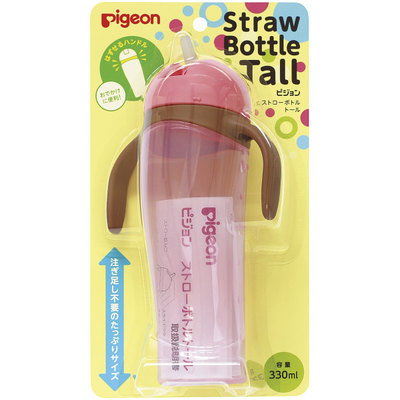
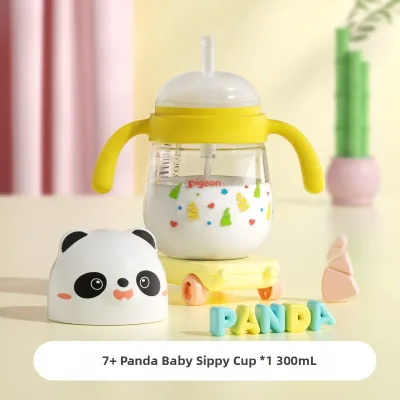
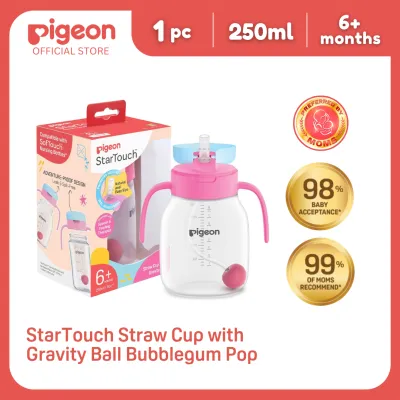
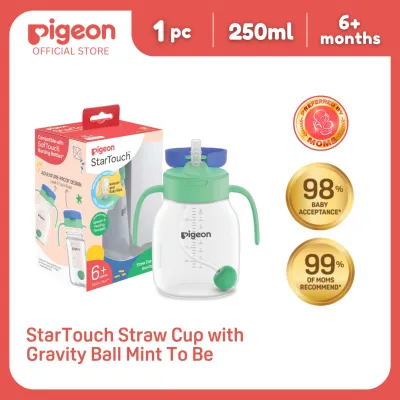
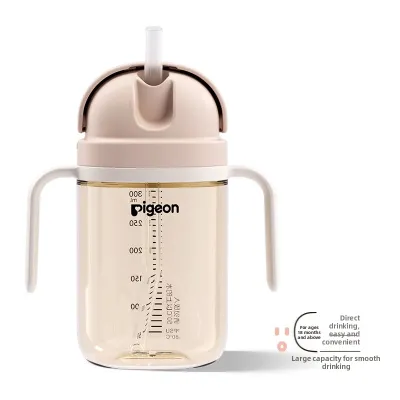
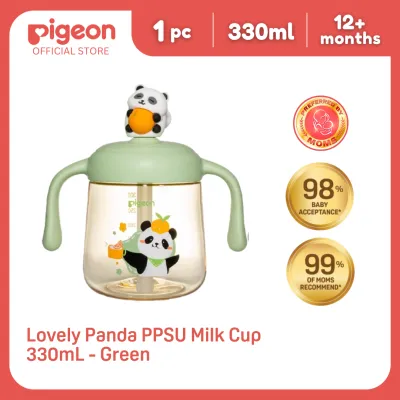
Prices are valid at publication and may change. Please refer to the product page for the latest price.
In the Philippines, babies often start weaning around six months of age, which coincides with the introduction of solid foods, often referred to as complementary feeding. During this period, introducing water is essential to help digest new textures and prevent constipation. However, because their digestive systems and motor skills are still developing, using a cup that matches their physical ability prevents accidental spills and ensures they get the hydration they need during hot days.
Relying solely on the age printed on a product box can sometimes lead to frustration. A baby who is technically old enough for a straw cup might still struggle with the necessary lip seal, while a younger baby might show advanced coordination early on. Oral motor skills, such as how your baby moves their tongue and swallows, are far more critical than chronological age. Forcing a cup type before these muscles are ready can lead to frequent choking, coughing, or a complete refusal to drink.
If your baby experiences persistent difficulties with swallowing, shows a strong aversion to different textures, or struggles to transition away from a standard bottle nipple past their first year, it is wise to seek professional guidance. Consulting a pediatrician, pediatric dentist, or a certified lactation consultant can help identify underlying feeding delays or physical challenges. These professionals can offer personalized strategies and recommend specific cup designs tailored to your baby’s unique developmental path.
Pigeon Spout Cups for Early Transitioning
Spout cups serve as an intermediate step for babies transitioning away from the breast or a standard bottle. The spout design typically features a flattened, wide shape that fits comfortably in a baby’s mouth, allowing them to use a familiar sucking motion similar to what they use during milk feeds. This familiarity helps ease the emotional and physical transition of weaning, making the introduction of water or expressed breast milk less intimidating.

You can look for specific behavioral cues to determine if your baby is ready to try a spout cup. If your baby readily reaches for toys, holds their baby bottle independently, or tries to grab your glass during meals, they likely possess the basic motor skills needed. At this stage, they are learning to tilt their head back slightly to allow gravity to assist the flow of liquid, which is a new skill compared to the horizontal positioning of bottle feeding.
The handles on spout cups are specifically designed for tiny hands to grip easily. Many models feature angled or textured handles that make it easier for a baby to hold the cup steady. This design helps build the muscle memory needed to lift objects to their mouth independently. Parents should observe if their baby can hold the cup steady without dropping it, as this is a key milestone before moving to cups without handles.
While spout cups are excellent for early training, prolonged reliance on them is generally discouraged by pediatric dentists. Overusing a spout cup can keep the tongue in a forward, immature position, potentially affecting the natural alignment of emerging teeth and the development of mature swallowing patterns. To protect oral and dental health, it is ideal to view the spout cup as a temporary tool, moving toward straws or open cups once the baby demonstrates stronger control.
When selecting a spout cup, examine the product packaging to verify the materials used. Look for options labeled as BPA-free to verify chemical standards, and prioritize soft silicone spouts over hard plastic ones, as silicone is gentler on sensitive, teething gums. Additionally, check the manufacturer’s age guidelines on the packaging to ensure the flow rate and cup size are appropriate for your baby’s current physical strength.
Pigeon Straw Cups for Building Suction Skills
Transitioning to a straw cup represents a significant step forward in your baby’s oral motor development. To use a straw successfully, a baby needs to master a complex set of movements, including sealing their lips tightly around the straw, retracting their tongue so it does not push the straw out, and creating internal suction to draw liquid upward. These actions require a different muscle coordination pattern than the simple sucking reflex used with bottles or spouts.
Drinking from a straw is highly beneficial for a baby’s developing mouth and jaw muscles. The effort required to pull liquid through a straw strengthens the lips, cheeks, and tongue, which plays a supportive role in speech development and the ability to chew solid foods effectively. Because straw drinking keeps the liquid toward the middle and back of the mouth, it also minimizes the time sugary liquids spend in contact with the front teeth, reducing the risk of early childhood tooth decay.
Straw cups are also highly versatile for outdoor use and travel. In the Philippines, family outings to parks, malls, or beach trips are common, and having a straw cup with a sliding lid keeps the straw clean and hygienic when stored in a diaper bag. This sliding mechanism also prevents accidental leaks, making it a reliable companion for active families on the go.
Parents should expect a learning curve when introducing a straw cup, as babies do not always understand the concept of suction immediately. You might observe your baby biting the straw, blowing bubbles into the cup, or letting liquid dribble out of their mouth during the first few attempts. To assist them, you can start by offering small sips from a short, open straw held in your hand, or choose a training cup with a soft, flexible straw that requires minimal suction pressure to activate.
Before purchasing, verify the specific features of the straw cup by reading the product label and inspecting the design. Look for cups equipped with a leak-proof valve mechanism that prevents liquid from escaping when the cup is tipped or dropped. It is also highly practical to check if the brand offers readily accessible replacement straws and cleaning brushes, as these components require regular replacement due to wear and tear from biting.
Pigeon 360 Cups for Active and Independent Toddlers
The 360-degree rim cup is designed to mimic the experience of drinking from a regular open cup while eliminating the mess of spills. These cups feature a circular valve system that seals the entire rim of the cup; liquid flows when the baby applies gentle lip pressure along the edge. This design requires a mature level of coordination, as the child must tilt the cup, place their lips on the rim, and sip simultaneously.
Using a 360 cup supports natural dental health and muscle development by encouraging the same lip and tongue movements used when drinking from a standard glass. Unlike spouts or straws, which can sometimes encourage improper tongue placement if used excessively, the 360 cup allows the tongue to rest naturally in the lower jaw. This makes it an excellent preparatory tool for transitioning to completely open cups at the family dinner table.
The 360 cup also helps toddlers feel like “big kids” during family meals. Toddlers love to copy their parents and older siblings, and when they see others drinking from open glasses, they want to do the same. The 360 cup provides this experience without the mess, boosting their confidence and independence during family meals.
For active toddlers who are constantly on the move, the 360 cup offers a practical solution for staying hydrated during play. Whether they are running around the living room or riding in a stroller on a warm day, the spill-proof valve keeps water contained even if the cup is dropped sideways or held upside down. However, because these cups rely on a silicone valve that presses against a plastic rim, parents should regularly disassemble and inspect the parts to verify that no dirt or debris interferes with the seal.
In humid climates, checking for removable, simple-to-clean valves is absolutely essential to prevent the buildup of mold and bacteria in hidden crevices. When shopping, look for models that allow you to separate the silicone seal completely from the plastic lid. Review the manufacturer’s age and skill prerequisites on the packaging to ensure your toddler has the jaw strength and coordination needed to activate the valve without becoming frustrated.
Quick Comparison: Spout vs. Straw vs. 360
To help you decide which cup type suits your baby’s current stage, the following matrix compares the key features and requirements of each design:
| Cup Type | Primary Drinking Mechanism | Required Motor Skills | Spill Resistance Level | Cleaning Complexity |
|---|---|---|---|---|
| Spout Cup | Sucking and tilting the cup | Basic grasping, head tilting | Moderate (may drip if shaken) | Low (few parts to wash) |
| Straw Cup | Active suction through a tube | Lip sealing, tongue retraction | High (usually features a leak-proof valve) | Moderate to High (requires straw brush) |
| 360 Cup | Lip pressure along the rim | Lip coordination, controlled tilting | High (seals automatically when not in use) | Moderate (requires disassembling the valve) |
Matching the cup type to your daily routine can make managing your baby’s hydration much simpler. For instance, a straw cup with a secure flip-top lid is often the most convenient choice for stroller rides or car trips, as it prevents leaks in transit and does not require the baby to tilt their head back while moving. On the other hand, a 360 cup is ideal for highchair meals, where you want to encourage proper table manners and open-cup habits without risking a soaked outfit.
Before making your final purchase, take a moment to verify the specific model features, liquid capacity, and material specifications on the physical box or the official product page. Ensure the cup size is manageable for your baby’s hands; a cup that is too large or heavy when filled can discourage them from lifting it independently. Checking these details beforehand helps support a successful transition and a positive drinking experience for your child.
Essential Care and Hygiene Checks
Maintaining a strict cleaning routine is vital for your baby’s health, especially in warm and humid environments where mold and bacteria can multiply rapidly. Each time your baby uses their cup, disassemble removable parts completely, including straws, silicone valves, and rubber gaskets. Leaving these components assembled during washing can trap moisture and milk residue, leading to mold growth that is difficult to remove and potentially harmful to your baby.
The high humidity in the Philippines can slow down the drying process, creating a perfect breeding ground for mold. After washing, place all parts on a clean, well-ventilated drying rack away from direct sunlight. Ensure every component is completely dry before reassembling or storing them in a cabinet.
Consult the manufacturer’s instructions on the packaging to verify the sterilization limits for your specific cup model. While some materials can withstand the high heat of boiling water or steam sterilizers, other plastic components might warp or degrade under extreme temperatures. If you use a UV sterilizer, check if the cup’s materials are compatible, as prolonged exposure to UV light can sometimes cause certain plastics and silicones to become brittle over time.
Regularly inspect cup components for visible signs of wear, damage, or deterioration. Look closely for bite marks on silicone spouts, cracks in plastic threads, or stretched-out valves that no longer seal properly. If you notice mold spots that cannot be thoroughly cleaned, or if a valve shows signs of tearing, replace the damaged part immediately or discard the cup to prevent choking hazards and help your baby always drink from a clean, reliable vessel.
Frequently Asked Questions (FAQ)
Can I use a Pigeon sippy cup for hot liquids?
No, standard sippy cups, including spout, straw, and 360 designs, are not intended for use with hot liquids. Pouring hot liquids into a sealed cup can cause air pressure to build up inside the container, which may force hot liquid to spray out unexpectedly through the straw or valve, posing a significant burn risk to your baby. Additionally, extreme heat can damage the silicone valves and warp the plastic components, compromising the cup’s leak-proof seal. Check the manufacturer’s maximum temperature limits printed on the packaging, and stick to cool or room-temperature water and milk for your baby’s comfort.
How do I know when it is time to switch to the next cup type?
You can identify the right time to transition by observing your baby’s behavior and physical coordination during meals. If your baby begins chewing excessively on their silicone spout, seems frustrated by a slow flow rate, or easily handles the cup with one hand, they may be ready for a straw or 360 cup. Additionally, as toddlers become more active and start walking, they often demand more independence and may reject cups that require them to stop moving or tilt their heads back. Paying attention to these developmental cues, rather than strictly following age guidelines, will help you introduce the next cup type at a pace that keeps your child comfortable and motivated.

Community discussion
Share your experience or ask a question. Comments are reviewed before publication.