
Infant congestion can be incredibly stressful for parents, especially since babies are obligate nasal breathers who primarily breathe through their noses during their first few months of life. When a baby’s nasal passages are blocked by mucus, simple daily activities like feeding, sleeping, and resting become difficult and exhausting. Because infants cannot clear their own nasal passages, choosing the right pigeon nasal aspirator is one of the most practical decisions you can make to support your child’s daily comfort and respiratory health.
Selecting the ideal model requires matching the device’s suction mechanism to your baby’s specific age, developmental stage, and current level of congestion. Pigeon offers three distinct categories of nasal aspirators: the manual bulb, the mouth-suction (or nose cleaner) model, and the electric nasal aspirator. Each type serves a unique purpose, ranging from quick, portable relief for minor runny noses to steady, motorized suction for stubborn, thick mucus.
Quick Guide: Matching Pigeon Aspirator Types to Your Baby's Needs
To help you identify the right tool for your current situation, it is best to evaluate how each aspirator type aligns with your baby’s symptoms and your comfort level as a caregiver. Nasal congestion can vary from a mild, clear trickle to thick, obstructive blockages, and having the appropriate mechanism on hand prevents unnecessary irritation to your baby’s delicate nasal lining.
Products mentioned in this guide

Prices are valid at publication and may change. Please refer to the product page for the latest price.
- Choose a Manual Bulb if: You need a highly portable, basic option for mild, runny mucus, and your baby is comfortable with quick, simple suctioning. This is an excellent budget-friendly choice to keep in a diaper bag for quick outings.
- Choose a Mouth-Suction Model if: You require precise, parent-controlled suction for moderate or deep congestion. This mechanism allows you to adjust the pressure in real-time based on your baby's immediate comfort and reactions.
- Choose an Electric Model if: You are dealing with thick, stubborn, or persistent mucus, prefer consistent motorized power, or need a hands-free suction mechanism that lets you focus entirely on stabilizing a squirming infant.
Before purchasing or using any device, parents must always verify the specific product’s age recommendations, weight limits, and safety warnings on the retail packaging, as manufacturing specifications can vary across different models.
| Aspirator Type | Suction Control | Best Congestion Level | Cleaning Effort | Noise Level | Price Category |
|---|---|---|---|---|---|
| Manual Bulb | Fixed (Single Squeeze) | Mild / Runny Mucus | Moderate (Hard to dry) | Silent | Budget-friendly (Under ₱500) |
| Mouth-Suction | Parent-Controlled (Inhale) | Mild to Moderate / Stubborn | Easy (Fully disassembles) | Silent | Budget-friendly (Under ₱500) |
| Electric | Motorized (Continuous) | Moderate to Severe / Thick | High (Base must stay dry) | Low Motor Hum | Premium (Over ₱1,500) |
How the Three Pigeon Nasal Aspirator Mechanisms Work
Understanding the mechanical differences and operational methods of each suction type helps you choose a device that fits your lifestyle and comfort level. Each mechanism leverages a different physical method to create the vacuum pressure necessary to draw mucus out of narrow nasal passages.

Manual Bulb Aspirators
The manual bulb aspirator is the most traditional design, utilizing a simple squeeze-and-release mechanism to generate suction. To operate it, you compress the rubber or silicone bulb fully before gently placing the soft nozzle tip at the entrance of your baby’s nostril. As you slowly release your grip on the bulb, the expanding air chamber creates a vacuum that pulls loose mucus into the bulb.
While this design is highly valued for its simplicity, lack of cords, and silent operation, it does have notable practical limitations. Because the bulb is completely opaque, it is highly difficult to see how much mucus has been extracted or to evaluate its color and consistency. Additionally, controlling the exact suction strength can be challenging, and if you accidentally squeeze the bulb while the tip is already inside the nostril, you risk pushing a sudden puff of air into your baby’s nose, which can cause discomfort or startle them.
Mouth-Suction Aspirators
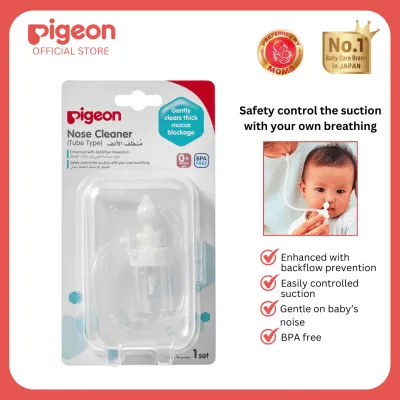
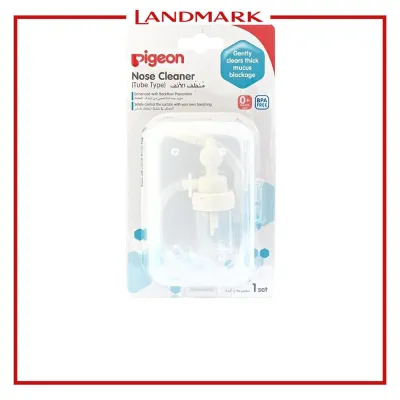
Mouth-suction aspirators, often referred to as tube-style nose cleaners, leverage the parent’s own breath to create highly adjustable negative pressure. The device consists of a soft silicone nasal nozzle connected via a flexible tube to a small, transparent collection chamber, which in turn connects to a second tube with a mouthpiece for the parent. You place the nasal tip at the baby’s nostril and place the mouthpiece in your own mouth, then gently inhale.
Your inhalation creates a highly responsive suction force that you can instantly modulate based on how your baby reacts. If the baby squirms or shows distress, you can immediately stop inhaling to halt the suction. To address hygiene concerns, these models feature a built-in collection chamber and a protective design or filter that physically blocks mucus and airborne germs from traveling up the tubing, ensuring that nothing reaches the parent’s mouth.
Electric Nasal Aspirators
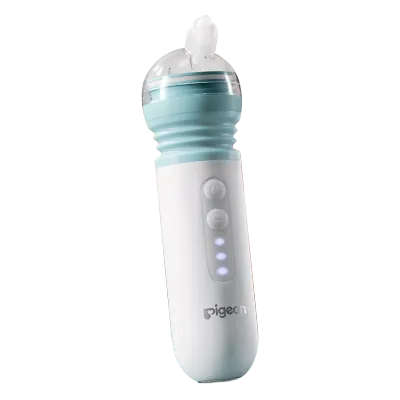
Electric nasal aspirators utilize a small, battery-operated or rechargeable motor to deliver continuous, steady suction at the press of a button. Instead of relying on manual hand coordination or lung power, the motorized pump maintains a consistent level of negative pressure, allowing you to focus your attention on keeping the baby still and safe during the process.
This continuous suction is highly effective for clearing deep-seated blockages quickly, making it a favorite for parents managing squirming older infants or toddlers single-handedly. However, caregivers should consider that the motor produces a low humming noise and slight vibration, which might startle highly sensitive infants. Additionally, electric models require ongoing battery management or regular charging to ensure they are functional when an emergency arises.
Comparing Suction Control, Age Suitability, and Comfort
Evaluating these models across core decision dimensions helps ensure you select an aspirator that is both highly effective for the baby’s symptoms and gentle enough for their specific developmental stage.
Suction Power vs. Congestion Severity
Thin, watery mucus—often triggered by sudden weather shifts or the transition from hot outdoor air to cold, air-conditioned rooms in tropical climates—is easily cleared by the quick, gentle pull of a manual bulb or a mouth-suction model. These lightweight fluids do not require heavy suction to move, meaning a basic manual tool is often more than sufficient for daily maintenance.
Conversely, thick, stubborn, or dried mucus requires sustained suction power to dislodge. In these scenarios, manual bulbs often fall short because their suction is brief and cannot be sustained. Mouth-suction models excel here because you can take a deep, steady breath to draw out stubborn blockages, while electric models provide the continuous motorized draw needed to pull thick mucus from deeper within the nasal cavity.
Regardless of the aspirator type you choose, utilizing pediatric saline drops is a critical step to loosen and liquefy thick or dried mucus before attempting to suction. Attempting to draw out dry mucus without lubrication can cause friction, pain, and swelling of the delicate nasal tissues.
Age Suitability and Nasal Sensitivity
Newborn nasal passages are incredibly narrow, and the protective mucosal lining is highly vascularized, meaning it can easily bruise or bleed if subjected to harsh friction or excessive suction. For the youngest infants, a soft, flexible silicone tip is absolutely essential to prevent physical injury. Parents must carefully inspect the manufacturer’s specific packaging to verify that the chosen model is rated safe for newborns.
Because of their delicate anatomy, newborns generally benefit most from mouth-suction aspirators. This type allows you to apply the absolute minimum pressure required to clear the nostril, ensuring a highly gentle experience. Electric models, even on their lowest settings, may sometimes deliver a more intense suction than a fragile newborn requires; therefore, many parents prefer to reserve motorized units for older infants and toddlers whose nasal passages are wider and more resilient.
Baby's Comfort and Parental Control
An infant’s emotional comfort during suctioning plays a huge role in how easy the process is for the caregiver. The sudden noise and physical vibration of an electric aspirator can trigger the startle reflex in younger babies, causing them to cry or thrash, which increases nasal pressure and makes suctioning more difficult. Manual bulbs and mouth-suction models are completely silent, allowing you to clear your baby’s nose quietly, sometimes even while they are asleep or feeding.
Parental control is another vital safety factor. With a mouth-suction model, your natural sensory feedback loop is highly active; if your baby suddenly jerks their head away, your breathing reflex naturally pauses, instantly stopping the suction. With an electric model, the continuous suction remains active until you manually release the power button, requiring extra vigilance and a steady hand to avoid scraping the inner nasal walls if the baby moves unexpectedly.
Hygiene, Cleaning, and Maintenance Requirements
Maintaining strict hygiene is essential when using any nasal clearance device. In warm, humid tropical environments, moisture trapped inside closed chambers can quickly become a breeding ground for mold, bacteria, and mildew, posing a direct health risk to your baby’s respiratory system.
- Manual Bulbs: These models require meticulous care because their single-piece, opaque design makes it difficult to inspect the interior. To clean a manual bulb, you must flush it repeatedly with warm, soapy water, shake it vigorously, squeeze the water out completely, and prop it upright in a well-ventilated area to dry. Because of the high risk of internal mold growth, manual bulbs should be replaced regularly.
- Mouth-Suction Models: These are highly hygienic because they are designed to be fully disassembled. You can easily separate the silicone nozzle, the flexible tubing, and the collection chamber to wash each part thoroughly in warm, soapy water. Many parents find this transparency reassuring, as they can visually verify that every component is completely clean and dry before reassembling.
- Electric Models: Motorized units require extra care during cleaning to protect the electronic components. You must carefully detach the silicone tip and the plastic collection cup to wash them separately, ensuring that no water ever enters the motorized base unit. The base itself should only be wiped down with a clean, damp cloth.
Always consult the specific Pigeon product manual to verify sterilization limits for your model. Some silicone parts are safe for boiling, steam sterilization, or microwave sterilizing bags, whereas plastic connectors, flexible tubing, or motorized parts may warp or degrade under high heat and should only be washed with warm water and mild soap.
Safe Usage Guidelines for Your Pigeon Nasal Aspirator
Using proper technique ensures that nasal suctioning remains a safe, comforting, and effective routine rather than a source of physical irritation or emotional distress for your child.
To prepare your baby’s nose, administer one to two drops of pediatric saline solution into each nostril and wait approximately one to two minutes. This allows the saline to thoroughly lubricate the nasal passage and break down any hardened or sticky mucus. When inserting the aspirator, gently place the soft silicone tip at the entrance of the nostril; do not force the nozzle deep into the nasal cavity. Angle the tip slightly outward toward the outer corner of the baby’s eye or ear, rather than pointing it straight up or inward against the nasal septum, which is highly sensitive and prone to bleeding.
Limit nasal suctioning to essential times, such as right before feeding or before putting your baby down to sleep, and restrict use to no more than two to three times a day. Over-suctioning can cause the delicate nasal membranes to become inflamed, swollen, and irritated, which ironically increases mucus production and makes the baby feel even more congested.
Stop suctioning immediately if you notice any blood in the mucus, if your baby shows signs of extreme physical pain, or if the nasal tissues appear visibly red and swollen. Caregivers must keep in mind that nasal aspirators are designed solely to manage symptoms by physically removing blockages; they do not cure the underlying viral or bacterial infections causing the congestion.
Seek immediate professional medical evaluation from a pediatrician if your baby exhibits any of the following red flags:
- Signs of respiratory distress, such as rapid breathing, chest retractions (the skin pulling in tightly around the ribs or collarbone), grunting, or severe nasal flaring.
- A high fever, especially if the infant is under three months of age.
- Persistent congestion that lasts for more than a few days without any signs of improvement.
- Extreme lethargy, refusal to feed, or signs of dehydration, such as significantly fewer wet diapers.
Frequently Asked Questions (FAQ)
Can I use a Pigeon nasal aspirator on a newborn?
Yes, certain Pigeon models are designed to be safe for newborns, but you must always verify the specific model’s age guidelines on the packaging before use. When using an aspirator on a newborn, select a model with a very small, soft silicone tip, and apply the gentlest pressure possible—such as through a mouth-suction model—to protect their highly delicate nasal passages.
How often should I suction my baby's nose?
Suctioning should be limited to two to three times a day, ideally right before feeding times and bedtime to help your baby breathe easier while eating and resting. Avoid excessive suctioning, as overusing the device can irritate and inflame the nasal lining, which can cause rebound swelling and make congestion worse.
Do mouth-suction aspirators expose parents to the baby's germs?
No, Pigeon mouth-suction models are engineered with an integrated collection chamber and a protective pathway designed to trap mucus and prevent liquid or moisture from traveling up the tube. As long as you assemble the device correctly, use the protective design as instructed, and wash all parts thoroughly after every use, there is no risk of drawing mucus or germs into your mouth.

Community discussion
Share your experience or ask a question. Comments are reviewed before publication.