
A baby’s stuffy nose can quickly disrupt the peace of your entire household. Because infants are obligate nasal breathers—meaning they naturally breathe through their noses rather than their mouths for the first several months of life—even mild congestion can make feeding, sleeping, and settling down incredibly difficult. In a tropical, humid climate like the Philippines, where sudden shifts between outdoor heat and indoor air conditioning can trigger nasal congestion, having a reliable nose pump for baby care is an absolute necessity.
Choosing the right tool can feel overwhelming when you are faced with manual bulbs, mouth-suction tubes, and battery-powered electric devices. There is no single universal choice that works perfectly for every family; the ideal option depends on your baby’s developmental stage, the consistency of their mucus, and your personal comfort with the cleaning and operating mechanisms. By understanding how each device performs, you can select a tool that minimizes stress for both you and your little one.
To help you decide quickly, consider this straightforward decision framework:
Products mentioned in this guide

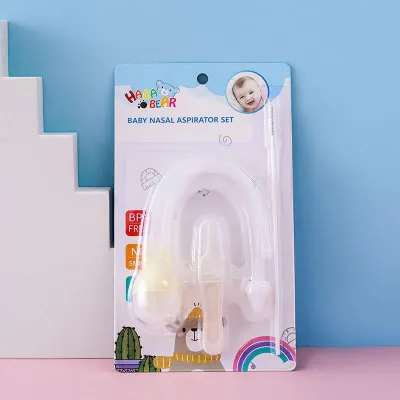
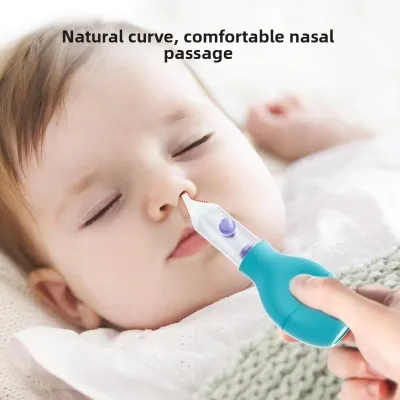
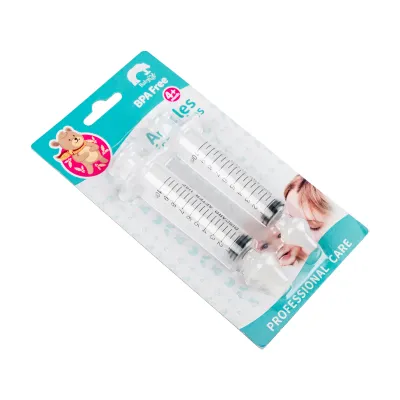
Prices are valid at publication and may change. Please refer to the product page for the latest price.
- Choose a Manual Bulb Syringe if: You want a highly affordable, simple backup tool for occasional, very mild congestion, and you are prepared to clean and dry it with extreme care.
- Choose a Mouth-Suction Aspirator if: You want immediate, precise control over the suction strength to safely clear thick, stubborn mucus, and you do not mind using your own breath or purchasing replacement hygiene filters.
- Choose an Electric Aspirator if: You prefer easy, one-handed operation to manage a wriggling toddler, want consistent suction at the press of a button, and appreciate built-in distractions like lights or music to keep your baby calm.
How the Three Main Types of Nasal Aspirators Work
Every nasal aspirator relies on pressure differentials to draw mucus out of your baby’s nasal passages, but they generate this vacuum in fundamentally different ways. Understanding these mechanical differences will help you anticipate how each device behaves during a frantic midnight clearing session.
Manual Bulb Syringes
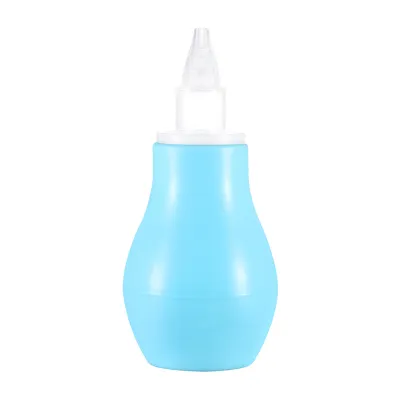
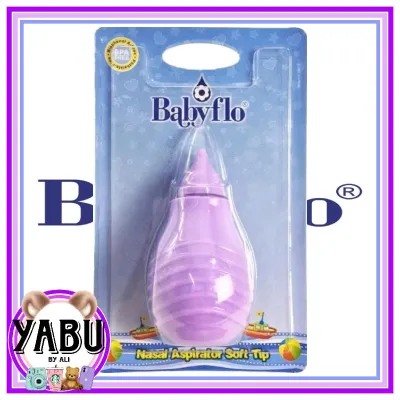
The classic manual bulb syringe is the traditional, teardrop-shaped rubber or silicone bulb that has been a standard inclusion in hospital take-home kits for generations. Its operation relies on basic physics: you squeeze the bulb to expel the air inside, gently insert the narrow tip into your baby’s nostril, and then release your grip. As the bulb expands back to its original shape, it creates a vacuum that draws air and mucus into the chamber.
These devices are highly accessible, incredibly cheap, and widely available in local neighborhood pharmacies and baby specialty shops across the country. They feature a simple, one-piece design with no moving parts, cords, or batteries to worry about, making them highly portable.
However, manual bulbs carry significant practical drawbacks. Because most traditional models are molded as a single piece, you cannot see inside the chamber, making it nearly impossible to verify if the interior is completely clean and dry. Over time, this dark, damp environment becomes a breeding ground for mold and bacteria. Additionally, the suction power is entirely dependent on how quickly you release your grip, offering limited control, and the rigid tips can easily scrape or irritate your baby’s delicate nasal lining if they make a sudden movement.
Mouth-Suction (Tube) Aspirators
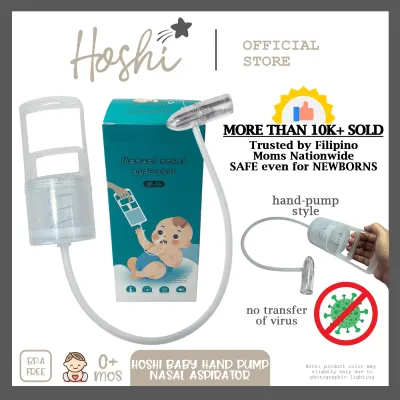
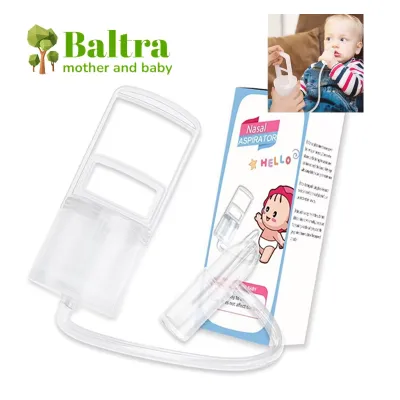
Mouth-suction aspirators, often referred to as tube or aspirator-style nose pumps, utilize parent-powered suction. The design consists of a soft silicone tip placed at the entrance of the baby’s nostril, a flexible plastic tube, a central collection chamber, and a mouthpiece for the parent. You place the mouthpiece in your mouth and gently suck to create a vacuum, drawing the mucus directly into the collection chamber.
To prevent any physical contact with the mucus, these devices feature a built-in physical barrier, typically a disposable foam filter or a specialized moisture trap. This design gives you complete, real-time control over the suction force. If the mucus is thin and runny, you can apply a very gentle draw; if it is thick and stubborn, you can increase your breath power instantly to clear the blockage.
While highly effective, mouth-suction models require physical effort and comfort with the concept of inhaling to draw out mucus. Although the protective filters are highly reliable, some parents find the process psychologically unappealing. You must also factor in the ongoing cost and availability of replacement filters, as reusing a damp or soiled filter compromises both hygiene and suction efficiency.
Electric (Battery or Rechargeable) Aspirators
Electric nasal aspirators use a small, motorized pump to generate continuous, automated suction at the push of a button. These devices typically feature rechargeable lithium-ion batteries or use standard AA batteries, making them fully portable. They usually come with multiple interchangeable silicone nozzles of varying shapes and depths to accommodate growing nasal passages.
One of the primary benefits of an electric model is easy, one-handed operation. This leaves your other hand completely free to gently cradle your baby’s head or hold their hands to prevent them from swiping the device away. Many modern electric models also feature built-in distractions, such as soft, color-changing lights or gentle lullabies, which can help soothe and distract a nervous infant during the process.
On the downside, electric aspirators represent a much higher upfront financial investment compared to manual options. The internal motor also produces a low humming sound and vibration that can startle sensitive newborns or highly anxious infants. Furthermore, because they rely on electronic components, you must ensure the device is regularly charged or stocked with fresh batteries, and you must take care not to submerge the motorized base during cleaning.
Comparing Effectiveness, Hygiene, and Ease of Use
To make an informed choice, you must weigh how these three categories perform across the practical realities of daily parenting. Each mechanism offers a distinct set of trade-offs regarding suction control, sanitation, and how well your baby will tolerate the process.

Suction Power & Control
When dealing with thin, watery mucus, all three types of aspirators can get the job done quickly. However, thick, sticky, or crusted mucus presents a much tougher challenge. Mouth-suction aspirators excel here because your lungs can generate a strong, sustained pull that you can modulate instantly based on how the mucus is moving.
Electric models provide highly consistent suction, but to comply with pediatric safety guidelines, their maximum suction limits are intentionally capped to prevent damage to delicate nasal tissues. Consequently, an electric model may require multiple passes or the assistance of saline drops to clear very thick congestion. Manual bulbs offer the least amount of suction control, delivering a single, brief burst of vacuum pressure that may not be sustained long enough to pull stubborn mucus out of the nasal passage.
Hygiene & Cleaning
Hygiene is where these devices differ most dramatically. Traditional one-piece manual bulbs are notorious for harboring mold because you cannot scrub or dry the inside of the bulb. If you use a manual bulb, look for modern two-piece designs that twist apart for complete visibility and cleaning.
With mouth-suction devices, cleaning is straightforward because the tubing and collection chamber disassemble completely, allowing you to wash every surface with warm, soapy water. However, you must replace the single-use protective foam filter after every suctioning session to maintain sanitary boundaries. Electric models are also highly hygienic, as the silicone nozzles and collection cups detach fully for washing and sterilization, keeping the liquid completely isolated from the dry motor compartment.
Baby's Comfort & Tolerance
Babies naturally dislike having objects inserted into their nostrils, meaning some level of resistance is almost guaranteed. Manual bulbs are silent and fast, but the lack of tip flexibility can cause physical discomfort if your baby squirms. Mouth-suction devices are also silent, and because you control the pace, you can pause the instant your baby becomes too distressed.
Electric models are often the most polarizing for infants. While the soft, flexible silicone tips are exceptionally gentle on tiny nostrils, the sound and vibration of the motor can cause some babies to panic. If your child is highly sensitive to noise, a silent mouth-suction device may be much easier to use than a motorized electric pump.
| Feature / Dimension | Manual Bulb Syringe | Mouth-Suction Aspirator | Electric Aspirator |
|---|---|---|---|
| Suction Control | Low (Single, manual release) | High (Directly controlled by parent's breath) | Moderate (Preset electronic levels) |
| Cleaning Ease | Difficult (High mold risk in one-piece models) | Easy (Disassembles completely) | Easy (Detachable tips and collection cup) |
| Maintenance | High (Requires frequent replacement due to mold) | Moderate (Requires replacement filters) | Low to Moderate (Requires charging or batteries) |
| Price Range | Low (Typically under ₱300) | Moderate (₱300 to ₱1,000) | High (Typically above ₱1,000) |
| Best Use Case | Emergency backup or occasional mild congestion | Thick, stubborn mucus requiring precise control | Frequent congestion, squirmy babies, one-handed use |
Matching the Aspirator to Your Baby's Needs and Age
Your baby’s physical development and age play a massive role in determining which nasal aspirator will be the most effective and safe. A tool that works beautifully for a toddler can be entirely inappropriate—and potentially harmful—for a delicate newborn.
Newborns (0-3 months)
Newborn nasal passages are incredibly narrow, and the mucous membranes lining them are exceptionally delicate and easily bruised. For infants in this fragile stage, gentleness must be your absolute priority. Always verify the manufacturer’s age and size recommendations on the product packaging before use.
For newborns, choose an aspirator with an ultra-soft, wide-based silicone tip that cannot be inserted too deeply into the nostril. Mouth-suction aspirators are highly recommended for this age group because they allow you to apply the absolute minimum pressure required to draw out loose mucus. If you use an electric model, ensure it is set to its lowest suction setting, and always stop immediately if you notice any redness or swelling.
Older Infants & Toddlers
As your baby grows into an active toddler, their nasal passages widen, but their physical strength and ability to resist the aspirator increase dramatically. Toddlers often actively fight the suctioning process, turning a simple task into a two-person job.
In this stage, the one-handed operation of an electric aspirator is incredibly valuable. You can use one arm to gently secure your child while your other hand quickly positions and operates the device. Because toddlers produce larger volumes of thicker mucus, the consistent, continuous suction of an electric pump or the high-volume capacity of a mouth-suction device is necessary to achieve a thorough clear.
Scenario-Based Selection
Your choice of device should also adapt to the specific situation and time of day:
- Nighttime and Naptime: If your baby is congested in the middle of the night, you want to clear their airway with minimal disruption. A silent mouth-suction aspirator is ideal here, as it allows you to clear their nose in a dimly lit room without the startling hum of an electric motor or the sudden, jarring movement of a manual bulb.
- Severe Congestion and Colds: During active viral infections or peak allergy seasons, congestion can be severe and constant. For these intense periods, a mouth-suction aspirator combined with a gentle saline solution offers the best performance for drawing out deep-seated, thick mucus safely.
Essential Safety, Hygiene, and Maintenance Rules
Using a nose pump for baby nasal care requires strict adherence to safety and hygiene protocols. Because a baby’s nasal tissue is highly vascularized, improper or excessive use can cause physical trauma, swelling, and even make the congestion worse.
Frequency Limits
It is vital to understand that nasal suctioning should be done sparingly. Limit suctioning to essential times, such as immediately before a feeding or right before putting your baby down to sleep. Suctioning more than three times a day can severely irritate the delicate nasal lining, causing inflammation and localized swelling.
This swelling mimics the feeling of congestion, creating a frustrating loop where parents continue to suction a nose that is actually swollen from irritation rather than blocked by mucus. If your baby’s breathing sounds clear but they are still fussy, avoid the temptation to use the aspirator.
The Role of Saline
Never perform “dry” suctioning on your baby. Attempting to pull dry or highly viscous mucus out of a dry nasal passage can cause micro-tears in the tissue, leading to pain, swelling, or nosebleeds. Always soften the mucus first.
Administer one to two drops of sterile, over-the-counter nasal saline solution into each nostril, then wait approximately one to two minutes. This allows the saline to break down the ionic bonds in the mucus, thinning it out and making it incredibly easy to draw out gently with your chosen aspirator.
Cleaning Protocols
Keeping your device sterile is critical to prevent reintroducing bacteria or mold into your baby’s respiratory system. Follow these specific cleaning guidelines based on the device type:
- Manual Bulbs: If using a two-piece bulb, twist it apart, wash thoroughly with warm, soapy water, and sterilize in boiling water if the manufacturer's care instructions explicitly allow it. For one-piece bulbs, draw warm soapy water into the chamber, shake vigorously, squeeze it out, and repeat multiple times with clean water. Always prop the bulb upright, tip down, in a well-ventilated area to dry completely.
- Mouth-Suction: Disassemble all plastic and silicone tubing. Wash the components in warm, soapy water. Discard the single-use filter immediately after use, and allow all parts to air dry completely before inserting a fresh, dry filter.
- Electric: Detach the silicone nozzle and the clear collection cup. Wash them thoroughly and sterilize according to the manufacturer's guidelines. Wipe down the exterior of the motorized base with a damp cloth, but never submerge the motor unit in water.
Always inspect your aspirator before use. If you observe any signs of black mold inside a manual bulb, cracks in the plastic, or degraded, sticky silicone tips, stop using the device immediately and replace it.
When to Stop Suctioning and Consult a Pediatrician
Nasal aspirators are highly effective tools for managing symptoms and helping your baby breathe more comfortably, but they do not treat or cure underlying medical conditions. It is crucial to recognize the limits of home care and understand when a stuffy nose requires professional medical intervention.
Stop suctioning immediately and seek professional medical care if you notice any of the following warning signs:
- Signs of Respiratory Distress: This includes rapid breathing, flaring nostrils, grunting sounds, or chest retractions (where the skin sucks in deeply under the ribs or around the collarbone with every breath).
- Fever: Any fever in an infant under three months of age requires immediate pediatric evaluation.
- Nasal Bleeding: If you observe active bleeding or persistent blood-streaked mucus after suctioning, stop using the device and consult your doctor.
- Persistent Congestion: Congestion that lasts longer than a few days without improvement, or is accompanied by extreme lethargy, poor feeding, or signs of dehydration (such as fewer wet diapers).
Always consult your pediatrician before administering any medicated nasal drops, decongestants, or herbal remedies in conjunction with your nasal aspirator, as many over-the-counter cold medications are unsafe for infants and young children.
Frequently Asked Questions (FAQ)
Can I use a nasal aspirator on my baby every day?
Yes, you can use a nasal aspirator daily during periods of active congestion, but you must limit the frequency. Restrict suctioning to two to three times a day, specifically before feedings and bedtime, to ensure your baby can eat and sleep comfortably. Overusing the device can irritate the delicate nasal membranes, leading to localized swelling that actually worsens your baby’s congestion.
Do electric nasal aspirators have enough suction for thick mucus?
Electric nasal aspirators are highly effective, but their suction limits are capped for safety to prevent tissue damage. If your baby has very thick, dry, or sticky mucus, an electric aspirator may struggle to clear it on its own. To maximize its effectiveness, always apply one to two drops of sterile saline solution to each nostril to thin the mucus before using the electric device.
How do I know if the nasal aspirator filter needs replacing?
For mouth-suction aspirators, you should replace the hygiene filter after every single use. If the filter becomes visibly soiled, damp, or discolored during a session, replace it immediately. Reusing a damp or dirty filter drastically reduces the suction efficiency of the device and compromises the sanitary barrier, increasing the risk of cross-contamination.
Community discussion
Share your experience or ask a question. Comments are reviewed before publication.