
Establishing a healthy oral care routine early in your child’s life sets the foundation for strong permanent teeth and healthy gums. When selecting a toothpaste from the Pigeon range, the decision should not be based on packaging colors or appealing flavors alone. Instead, parents must carefully match the specific toothpaste variant to their child’s age, current teething milestones, and physical ability to spit out the product. In tropical environments like the Philippines, where warm temperatures and high humidity are constant, maintaining a consistent oral hygiene routine is particularly vital. Warm weather often leads to frequent snacking on sweet tropical fruits or hydrating juices, which can leave sugary residues on delicate primary teeth. By understanding your child’s developmental stage and verifying the ingredients on the product label, you can confidently select the safest and most effective formulation for their daily routine.
Identify Your Baby's Current Oral Development Stage
Before purchasing any oral care products, it is essential to assess where your child stands on the dental milestone timeline. The first phase is the pre-teething stage, which begins at birth and lasts until the first tooth erupts. During this period, even though there are no visible teeth, milk residue and bacteria can still accumulate on the gums and tongue. In warm, humid climates, keeping the oral cavity clean is crucial to prevent oral thrush or discomfort. Parents should gently wipe their baby’s gums with a clean, damp cloth or a sterile gum wipe after each feeding to establish a clean environment for future teeth.
The second phase begins with the eruption of the very first primary tooth, which typically occurs around six months of age, though this timeline varies for every child. The emergence of this first tooth marks the physical transition from simple gum wiping to active brushing. At this stage, the enamel on newly erupted teeth is thin and highly susceptible to decay. Introducing a soft-bristled baby toothbrush alongside an age-appropriate training gel helps clean the tooth surfaces while gently massaging the sensitive gums surrounding the new eruption.
Products mentioned in this guide
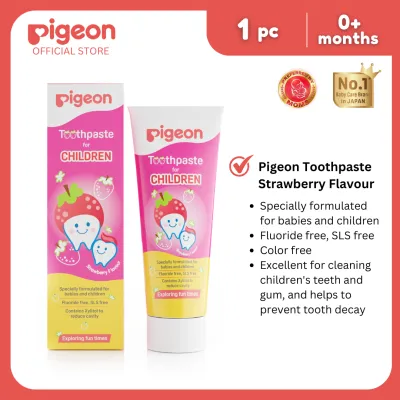


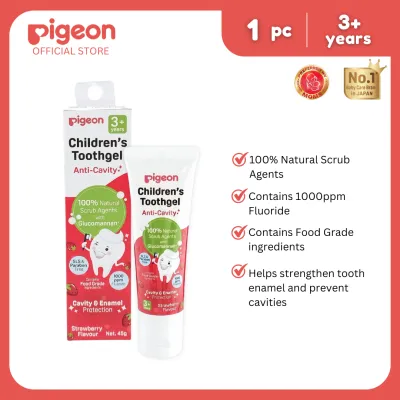
Prices are valid at publication and may change. Please refer to the product page for the latest price.
The third phase is the toddler stage, characterized by the eruption of multiple teeth, including molars, and a transition to a more diverse diet of solid foods. This stage presents a dual challenge: increased plaque accumulation from a wider variety of foods and the developmental transition of swallowing versus spitting. Toddlers are still developing their oral motor skills and naturally tend to swallow anything placed in their mouths. Recognizing when your child can reliably spit out toothpaste—usually around the age of three—is the key milestone that dictates when you can transition from a training gel to a standard toddler toothpaste.
Evaluate Pigeon Toothpaste Options Based on Age Labels and Formulation
Pigeon designs its baby oral care products with explicit age-range recommendations printed directly on the packaging. These labels, such as 6+ months, 12+ months, or 18+ months, serve as a primary guide for parents navigating the selection process. However, these age labels are not arbitrary; they correspond directly to the formulation’s safety profile and the child’s expected developmental capabilities at that stage. Parents should always physically inspect the packaging of the specific variant they are considering to verify that the age recommendation aligns with their child’s current growth stage.

The primary distinction among Pigeon’s variants lies between training formulations and standard toddler toothpastes. Training toothpastes are typically formulated as clear, gentle gels. Because infants and young toddlers cannot spit, these gels are designed to be safe if swallowed in the tiny, recommended brushing amounts. They generally rely on food-grade ingredients and are often fluoride-free or contain extremely low concentrations of fluoride. In contrast, standard toddler toothpastes are formulated for older children who have mastered the spitting reflex. These formulations may contain mild cleaning agents and active ingredients like fluoride to help strengthen developing enamel against cavities.
Another critical factor in daily oral care is compliance, which can be heavily influenced by the toothpaste’s flavor and texture. Brushing can easily become a daily battle of wills, particularly in warm, tropical climates where toddlers may already be irritable due to heat or teething discomfort. Pigeon addresses this by offering child-friendly flavors such as strawberry, grape, and natural fruit blends. Introducing a flavor that your child enjoys can make the brushing experience pleasant and cooperative. However, parents must ensure that the appealing flavor does not encourage the child to eat the toothpaste directly from the tube, emphasizing that it is a cleaning tool rather than a treat.
Verify Safety, Ingredients, and Fluoride Guidelines on the Packaging
When choosing a toothpaste, parents must look beyond the front label and carefully verify the safety claims and ingredient list on the back of the packaging. For infants who have not yet learned to spit, look for explicit “swallow-safe” or “made with food-grade ingredients” claims. These labels indicate that the formulation has been designed with the understanding that a young child will inevitably ingest the product during brushing. Never assume a product is safe for ingestion without verifying these specific manufacturer declarations on the physical packaging.
Fluoride guidelines are another essential aspect that requires careful verification. While fluoride is highly effective at preventing dental caries, excessive ingestion by young children can lead to dental fluorosis, which causes discoloration or spotting on developing permanent teeth. Parents should check the packaging for the exact fluoride concentration, usually measured in parts per million (ppm). Because local water fluoridation levels and individual cavity risks vary across different regions in the Philippines, it is highly recommended to consult a pediatric dentist. A professional can provide personalized advice on whether your child should use a fluoride-free training gel or a low-fluoride toothpaste based on their specific environmental exposure and dental health.
Additionally, take the time to review the complete ingredient list for potential allergens, artificial additives, or known sensitivities. High-quality baby toothpastes are typically formulated without harsh foaming agents like Sodium Lauryl Sulfate (SLS), which can cause mouth ulcers or irritation in sensitive individuals. They should also be free from artificial colors and strong preservatives. If your child has a history of skin sensitivities or food allergies, verifying the absence of these additives on the packaging is a critical step before introducing any new product to their oral care routine.
Establish Safe Brushing Habits and Portion Sizes for Your Child
Selecting the correct toothpaste is only half the battle; applying it safely and establishing proper brushing habits is equally important. The portion size of the toothpaste must be strictly controlled based on your child’s age and spitting ability. For babies and toddlers under three years of age, a tiny, thin smear of toothpaste—no larger than a single grain of rice—is all that is required. This minimal amount is highly effective for cleaning newly erupted teeth while minimizing the risk of excessive ingestion. Once your child reaches three years of age and can reliably spit out the paste, you can transition to a slightly larger, pea-sized amount.
Active parental supervision and assistance are mandatory during every brushing session. Young children do not possess the manual dexterity or coordination required to clean their teeth thoroughly on their own. Parents should physically brush their child’s teeth twice daily, ensuring that all surfaces—front, back, and chewing areas—are gently cleaned. In tropical climates, maintaining a strict brushing schedule is especially important, particularly before bedtime. Saliva flow, which naturally protects teeth against decay, decreases significantly during sleep, leaving teeth more vulnerable to plaque and acid damage overnight.
Finally, parents must remain observant during and after the brushing routine. Look for any physical signs that might indicate a need to adjust your routine or seek professional advice. If you notice gum redness, swelling, localized irritation, or if your child complains of discomfort during brushing, stop using the toothpaste immediately. Additionally, keep an eye out for early signs of tooth decay, such as chalky white spots or dark stains on the tooth surfaces. If any of these signs appear, or if you have questions about your child’s dental development, consult a qualified pediatric dentist promptly for a professional evaluation.
Frequently Asked Questions (FAQ)
Can I continue using a swallow-safe training toothpaste once my toddler learns to spit?
Once your toddler demonstrates the ability to spit consistently without swallowing, you can begin transitioning to a standard toddler toothpaste. However, do not rush this process. Assess their spitting habits over several weeks to ensure they are not swallowing the paste out of habit. Check the manufacturer’s packaging for any upper age limits or specific developmental guidelines. Because cavity risk increases as children consume a wider variety of solid foods, consulting a pediatric dentist is highly recommended to determine if a transition to a fluoride-containing variant is necessary for your child’s dental protection.
What should I do if my baby swallows a large amount of toothpaste?
If your child accidentally ingests a larger-than-normal amount of toothpaste directly from the tube, remain calm and immediately check the product packaging for specific manufacturer instructions regarding accidental ingestion. Keep a close eye on your child for any immediate physical reactions, such as an upset stomach or nausea. If the amount swallowed exceeds the safe limits indicated on the label, or if your child shows signs of discomfort, contact a healthcare professional or a local medical helpline immediately for professional guidance.

Community discussion
Share your experience or ask a question. Comments are reviewed before publication.