
Choosing the right toothpaste for your child is a vital step in establishing a lifetime of healthy smiles, but the wide array of options on pharmacy shelves in the Philippines can feel overwhelming. The key to making a safe choice lies not just in the number of candles on their last birthday cake, but in their physical coordination—specifically, their ability to spit reliably. While chronological age serves as a useful starting point, developmental readiness is the ultimate safety metric that determines whether your child should use a fluoride-free training toothpaste or a cavity-fighting fluoride formula.
Quick Diagnostic: Matching Toothpaste to Your Child's Readiness
To help you navigate this transition, here is a quick-reference framework mapping your child’s current spitting skills to the most appropriate type of toothpaste:
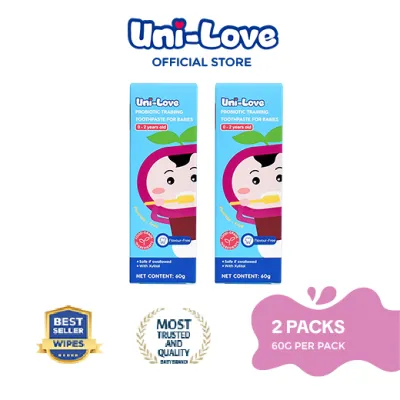
- Stage 1: Cannot Spit Reliably (Typically 0 to Under 3 Years): Best suited for fluoride-free training toothpaste. The primary focus at this stage is habit-building, sensory adjustment, and mechanical plaque removal.
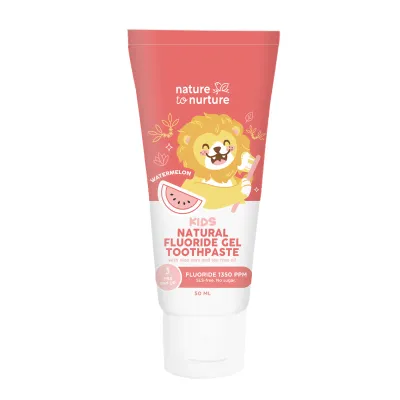
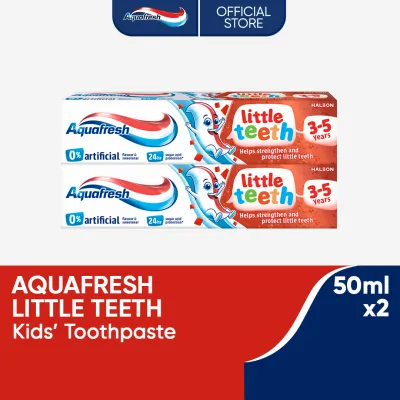
- Stage 2: Transitioning (Typically 3 to 6 Years): Ready for kids' fluoride toothpaste, but only under strict caregiver supervision. Use a tiny, controlled amount (pea-sized) and ensure they actively spit out the residue.
- Stage 3: Can Spit Reliably (Typically 6 Years and Older): Ready for standard kids' fluoride toothpaste. They can begin brushing more independently, though periodic parental checks remain necessary to monitor technique.
Always verify the manufacturer’s label on the packaging and consult a pediatric dentist to tailor these guidelines to your child’s specific oral health needs and cavity risk profile.
Products mentioned in this guide
![[BUY 2 FREE 1] Colgate Minions Anti-Cavity Kids Toothpaste in Bubble Fruit 40g Pack of 3](https://img.lazcdn.com/g/p/e0e52da6f2a3d9a919aa40ebb4906448.png_400x400q80.png_.webp)
![[BUY 2 FREE 1] Colgate Kids Barbie Toothpaste - Strawberry Kids Ages 2-5 Anticavity Value Pack Pack of 3 40g](https://img.lazcdn.com/g/p/230310ea633993b10057650644d71016.png_400x400q80.png_.webp)
![[Bundle of 3] Hapee Kiddie Bubblegum Pop Toothpaste 40g](https://img.lazcdn.com/g/p/7d69f7556ac53ce6e2280d0d14fb5101.png_400x400q80.png_.webp)
![[Bundle of 3] Hapee Kiddie Strawberry Bloom Toothpaste 40g](https://img.lazcdn.com/g/p/a12e967f298dfd18d16df4b3c5c19b31.png_400x400q80.png_.webp)
Prices are valid at publication and may change. Please refer to the product page for the latest price.
The Core Safety Signal: Why Spitting Skills Dictate Toothpaste Choice
Fluoride is a naturally occurring mineral that plays a critical role in pediatric oral health by strengthening developing tooth enamel. It makes the outer layer of the teeth highly resistant to the acids produced by plaque and dietary sugars. In a tropical climate like the Philippines, where sweet drinks, tropical fruits, and local treats are common, fluoride is a powerful ally in preventing childhood dental caries.

However, the benefits of fluoride must be balanced with careful safety measures. If young children consistently swallow fluoride toothpaste during the critical years when their permanent teeth are still forming under the gums, they run the risk of developing dental fluorosis. This condition manifests as mild white spots, streaks, or in rare cases, pitting on the surface of the permanent teeth. While fluorosis is primarily a cosmetic concern rather than a functional defect, it is entirely preventable by managing fluoride exposure.
This is why “training toothpaste” is formulated without fluoride. Designed to be completely safe if swallowed, training toothpaste allows babies and toddlers to get accustomed to the physical sensation of brushing, the foaming action, and the mild flavors without any risk of mineral build-up in their developing bodies.
Ultimately, while age-based charts on packaging offer a convenient baseline, they cannot account for individual motor skill progression. A child’s ability to control their oral muscles and spit on command is the true diagnostic signal for a safe transition to fluoride formulas.
Age-by-Age Toothpaste Guide and Label Checks
Babies and Early Toddlers (First Tooth to Under 3 Years)
For infants and toddlers who are just sprouting their first baby teeth, the primary goal of oral care is removing food debris and establishing a comfortable routine. At this stage, children naturally swallow everything placed in their mouths, making fluoride-free training toothpaste the safest default option. Brushing twice a day with a soft-bristled baby toothbrush and a smear of training toothpaste keeps the gums clean and fresh.
There are instances where a pediatric dentist may recommend introducing fluoride toothpaste earlier than age three, particularly if a child is assessed as having a high risk for early childhood caries. If your dentist advises this route, you must strictly limit the portion to a “rice-grain” or “smear” amount. This tiny amount provides localized enamel protection while keeping the total ingested fluoride well within safe limits even if the child swallows it.
When shopping at local pharmacies or online marketplaces, always check the product labels for age-specific indications. Look for formulas that explicitly state they are safe if swallowed and are free from harsh chemical foaming agents like sodium lauryl sulfate (SLS), which can irritate sensitive young gums. Opt for very mild, non-spicy fruit flavors that make the experience pleasant rather than shocking to their delicate taste buds.
In terms of cost, quality kids’ toothpastes in the Philippines typically fall into broad price bands ranging from ₱80 for local standard brands to ₱350 for imported organic or specialty formulations, making safe oral care accessible across various budgets. Keep in mind that during these early years, physical plaque removal via the gentle scrubbing action of the toothbrush bristles is far more important than any chemical ingredients. Focus on making the brushing session a playful, stress-free bonding moment rather than a struggle for deep chemical sterilization.
Preschoolers (3 to 6 Years): The Transition Phase
Between the ages of three and six, children enter a dynamic transition phase where their motor skills and cognitive understanding improve rapidly. This is typically the window when most kids develop the muscle control required to spit out fluids on demand. Once you have verified that your child can spit consistently, it is time to transition to a dedicated kids’ fluoride toothpaste to protect their growing teeth from decay.
Even though they are ready for fluoride, the amount used must still be carefully controlled. The global standard recommendation for children in this age bracket is a “pea-sized” portion of toothpaste. Dispensing more than this does not improve cleaning efficiency; instead, it merely increases the volume of foam, making it harder for the child to control and significantly rising the risk of accidental swallowing.
Active parental supervision is non-negotiable during this transition phase. Parents should always be the ones to hold the tube, dispense the pea-sized amount onto the brush, and closely monitor the entire brushing session. Watch your child’s face in the mirror to ensure they are actively spitting out the lather rather than swallowing it because of its sweet taste.
School-Aged Children (6 Years and Older)
By the time children reach school age, around six years and older, they have generally mastered the physical skill of spitting and can brush with greater autonomy. At this stage, their permanent molars begin to erupt, making the daily application of fluoride toothpaste essential for long-term tooth preservation. Regular kids’ fluoride toothpaste, which typically contains a standard pediatric concentration of fluoride, should be used twice daily.
To encourage consistent brushing habits as kids seek more independence, consider letting them choose their own toothpaste flavors. While mint is the standard for adults, many school-aged kids still find it too strong or “spicy.” Allowing them to select approved kids’ formulas in flavors like mild strawberry, bubblegum, or grape can dramatically reduce bedtime brushing battles.
Even though older children brush independently, parents should still perform periodic check-ins. It is common for school-aged kids to rush through the process, use too much toothpaste, or swallow the sweet residue out of convenience. Observing them occasionally ensures they maintain proper technique, brush for the recommended two minutes, and thoroughly rinse and spit.
Additionally, if your child begins to experience tooth sensitivity or is undergoing orthodontic treatment with braces, check product labels for specialized pediatric formulas. Some school-age toothpastes are formulated to offer extra enamel protection or mild desensitizing properties, but always verify these benefits with your pediatric dentist before making a change.
How to Test if Your Child is Ready for Fluoride Toothpaste
Before making the transition from fluoride-free training paste to a fluoride formula, you can conduct a simple, practical “spit test” at home using plain water. This test allows you to safely observe your child’s muscle control without the risk of them swallowing active chemical ingredients.
To perform the test, have your child stand at the bathroom sink. Give them a tiny sip of clean, lukewarm water—about a teaspoon—and instruct them to hold it in their mouth without swallowing. Ask them to look at you, count to three in their head, then lean forward over the sink and blow or push the water out of their mouth.
A child is considered ready for fluoride toothpaste when they can perform this sequence successfully and consistently over several days. They must demonstrate that they can hold the liquid, understand the command to expel it, and physically push it out rather than letting it slide down their throat.
If your child struggles with the test, swallows the water, or simply lets it drool down their chin without a controlled spitting motion, they are not yet ready. In this scenario, simply revert to using fluoride-free training toothpaste or brush with a wet, clean toothbrush. There is no need to rush; wait a few weeks and try the spit test again when their coordination has developed further.
If you ever feel uncertain about your child’s spitting capabilities or if you notice early signs of tooth decay despite diligent brushing, pause the transition. Consult a pediatric dentist for a professional assessment; they can evaluate your child’s specific cavity risk and provide a personalized recommendation on the safest timeline and toothpaste type.
Daily Supervision and What to Do if They Swallow
Supervising daily brushing sessions is about more than just watching; it is an active coaching process. To make brushing effective and safe, try brushing your teeth alongside your child in front of a well-lit mirror. This allows them to mirror your movements, learn how to angle the brush, and watch how you spit out the foam. If your child is still struggling with physical coordination, you can stand behind them, gently cup their chin, and guide their hand to ensure all tooth surfaces are reached.
A common challenge for parents in the Philippines is that many kids’ toothpastes are formulated with sweet, appealing fruit flavors. While this helps prevent resistance, it also makes the toothpaste highly tempting to eat. Treat toothpaste strictly as a hygiene product rather than a snack or a toy; always store the tube in a high cabinet or a locked drawer completely out of your child’s reach when not in use.
If your child manages to get hold of a tube and swallows a large, concentrated amount of fluoride toothpaste, stay calm and follow a clear safety protocol. Do not attempt to induce vomiting, as this can cause unnecessary throat irritation and distress. Instead, immediately give your child a small glass of milk or water; the calcium in milk binds with fluoride in the stomach, helping to reduce its absorption into their system.
After administering milk or water, immediately contact your pediatrician, a local healthcare professional, or the nearest poison control center for guidance. Be prepared to tell them the exact brand of toothpaste, the estimated amount swallowed, and your child’s approximate weight so they can provide accurate medical advice.
Frequently Asked Questions (FAQ)
Can I use adult toothpaste for my child if they can spit?
While adult toothpaste contains the same active cavity-fighting ingredient—fluoride—it is generally not recommended for children. Adult formulations often feature significantly higher concentrations of fluoride and much stronger abrasives designed to scrub away adult stains, which can wear down a child’s softer, thinner tooth enamel. Additionally, the intense mint or menthol flavors common in adult products can cause a burning sensation in a child’s sensitive mouth, potentially discouraging them from brushing altogether. Stick to age-appropriate kids’ toothpastes that are specifically balanced for developing teeth.
What should I do if my child refuses the taste of kids' toothpaste?
If your child exhibits a strong aversion to their current toothpaste, try experimenting with different mild flavors, such as fruit-punch, strawberry, or even unflavored varieties. Some children are highly sensitive to the foaming agents (surfactants) in toothpaste rather than the flavor itself, so look for low-foaming options. If they continue to reject all toothpaste, do not abandon oral hygiene; continue brushing their teeth twice daily using just a soft-bristled toothbrush dampened with clean water to mechanically sweep away plaque, and consult your pediatric dentist for alternative brushing strategies.
Is it safe to use toothpaste with xylitol for toddlers?
Xylitol is a natural sugar alcohol that is commonly included in children’s oral care products because it helps inhibit the growth of cavity-causing bacteria. It is widely considered safe and beneficial for toddlers when used in standard, brush-on quantities. However, because xylitol can have a mild laxative effect if ingested in large volumes, parents must ensure that toddlers do not consume toothpaste directly from the tube. Always check the product packaging for specific age guidelines and verify suitability with your pediatric dentist.
Community discussion
Share your experience or ask a question. Comments are reviewed before publication.