
Choosing the right Nurture sterilizer requires matching the device’s physical capacity and heating modes to your daily bottle volume and the specific materials you use. With a wide range of baby bottles, breast pump parts, and accessories filling up your kitchen sink, finding a sterilizing routine that fits your lifestyle is essential for maintaining a clean and organized feeding station. In the warm and humid climate of the Philippines, where airborne moisture can encourage the rapid growth of mold and bacteria on damp surfaces, selecting a sterilizer that not only sanitizes but also thoroughly dries your equipment is a practical step toward protecting your infant’s developing immune system.
Instead of simply purchasing the largest or most expensive model available, parents should evaluate their household’s specific feeding patterns, kitchen space, and bottle materials. A sterilizer that is too small will lead to constant, frustrating washing cycles throughout the day, while an oversized unit might clutter your countertop and consume unnecessary electricity. By taking a systematic approach to assessing your daily bottle collection size, understanding how different materials react to heat, and comparing key appliance features, you can select a model that integrates seamlessly into your daily parenting routine.
Assessing Your Daily Bottle Collection Size
To determine the ideal capacity for your sterilizer, start by tracking your baby’s daily feeding frequency alongside your washing habits. Newborns typically feed eight to twelve times in a twenty-four-hour period, meaning a family relying entirely on bottle-feeding will accumulate a substantial pile of equipment very quickly. If you prefer to wash and sterilize bottles in a single bulk batch at the end of the day, you will require a high-capacity sterilizer that can accommodate at least six to eight full bottle setups simultaneously. Conversely, if you tend to wash bottles immediately after each feed or run multiple small batches, a compact, space-saving model will easily suffice.
Products mentioned in this guide
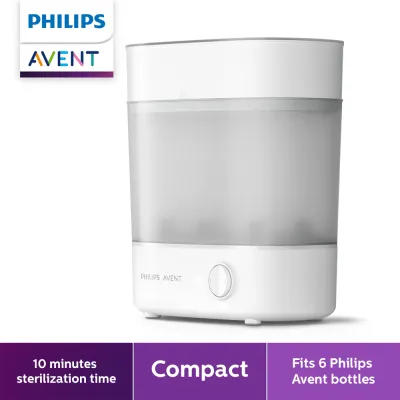
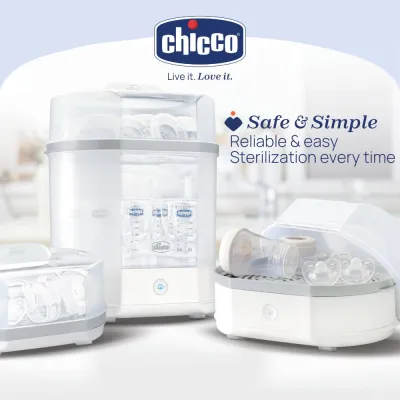
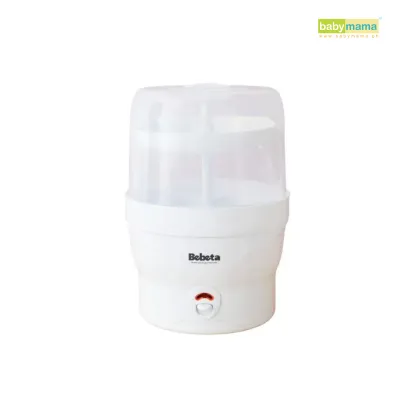
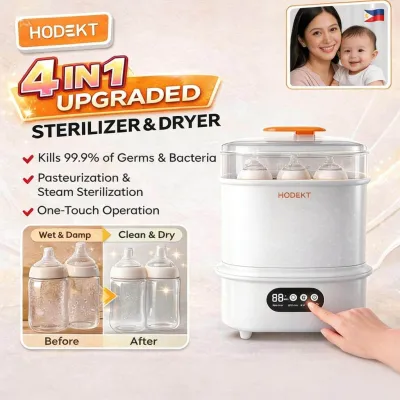
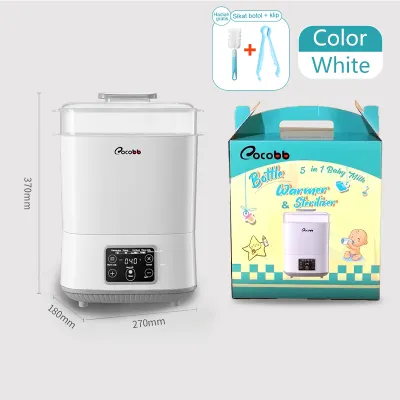
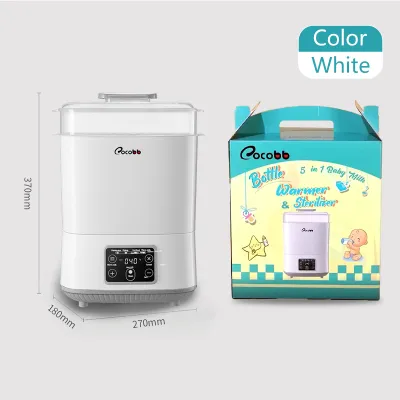
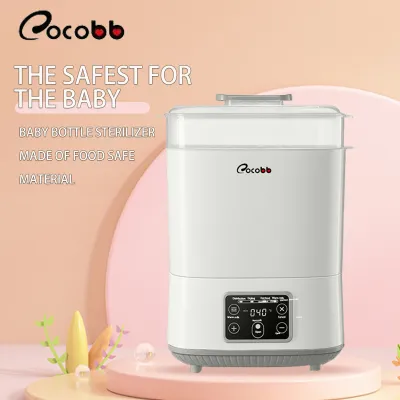
Prices are valid at publication and may change. Please refer to the product page for the latest price.
Do not forget to account for the extra volume of breast pump components, pacifiers, training cups, and soothing toys that also require regular sanitization. Breast pump flanges, silicone valves, and milk collection bottles are bulky and can quickly crowd a sterilizer’s interior chamber. When reviewing manufacturer specifications for any sterilizer model, look closely at how the internal space is configured rather than just the advertised bottle count. A model rated for six standard-neck bottles may only fit four wide-neck bottles comfortably, as wide-neck designs occupy significantly more horizontal space on the loading rack.
Crowding too many items into a single cycle is a common mistake that can compromise the sterilization process. When bottles and accessories are packed too tightly or stacked on top of one another, steam or heat cannot circulate freely around every surface, leaving potential cold spots where bacteria can survive. If you use tall, nine-ounce bottles, verify that the height of the sterilizer’s main chamber can accommodate them standing upright. Balancing your daily bottle volume with the physical footprint of the appliance ensures you do not end up with a unit that is either constantly overloaded or taking up valuable prep space in a compact kitchen.
Matching Sterilizer Modes to Bottle Materials
Baby bottles and feeding accessories are manufactured from a variety of materials, each possessing distinct thermal properties and maintenance requirements. Glass bottles are highly durable, scratch-resistant, and can withstand extreme temperatures, making them compatible with almost any steam or boiling sterilization cycle. However, they are heavy and prone to thermal shock if subjected to rapid temperature changes, such as placing a cold glass bottle directly into a preheated steam chamber. Understanding these material differences is the first step in preventing damage to your feeding collection.

Plastic bottles require closer attention to heat tolerance limits, which are typically printed on the product packaging or detailed in the user manual. Polypropylene (PP) is the most common plastic used for baby bottles; it is lightweight and affordable but has a relatively low heat tolerance, usually around 110°C to 120°C. Over time, frequent exposure to high-heat steam cycles can cause PP bottles to warp, cloud, or degrade. Premium plastics like Polyphenylene Sulfone (PPSU) and Polyethersulfone (PES) offer much higher heat resistance, often up to 180°C, allowing them to endure repeated, intense sterilization cycles without losing their structural integrity or clarity.
Silicone components, such as bottle nipples, anti-colic valves, and breast pump membranes, are highly flexible and heat-resistant, but they require gentle handling. High-heat steam can accelerate the degradation of silicone, causing nipples to become sticky, stretched, or prone to tearing over months of continuous use. When loading your sterilizer, always separate these delicate, heat-sensitive parts from the main plastic or glass bottle bodies. Placing smaller silicone accessories in the upper basket of a steam sterilizer, where the direct heat from the heating plate is slightly diffused, helps prolong their lifespan and maintains a secure fit during feeding.
Before running any cycle, cross-reference the sterilization guidelines provided by both the bottle manufacturer and the sterilizer brand. Some modern sterilizers utilize ultraviolet (UV) light instead of steam to eliminate germs. While UV sterilization is highly effective and operates at much lower temperatures—making it excellent for heat-sensitive plastics and electronic accessories—it can cause certain types of polypropylene and silicone to discolor or degrade faster than steam. Additionally, UV light requires a direct line of sight to sterilize effectively, meaning any shadowed areas inside a bottle or nipple will not be fully sanitized. Steam, on the other hand, naturally expands to fill the entire chamber, penetrating deep into narrow bottle necks and valve crevices.
Key Features to Compare Across Nurture Models
When evaluating different Nurture sterilizer configurations, the presence of a dedicated drying function is often the deciding factor for many households. Standard steam-only sterilizers leave bottles coated in hot condensation at the end of the cycle. If you leave these wet bottles inside the closed unit, the damp environment becomes a breeding ground for bacteria within a few hours. If you remove them to air-dry on a traditional countertop rack, they are immediately exposed to household dust, pet dander, and insects. A sterilizer with an integrated drying cycle uses warm, filtered air to dry the bottles completely inside the sanitized chamber, ensuring they are ready for immediate assembly or storage.
Modular design is another highly practical feature to look for when comparing models. Many advanced sterilizers feature a multi-tier system with removable baskets and adjustable racks. This allows you to customize the interior layout based on what you need to sanitize at any given moment. For instance, you can run a small, energy-efficient cycle using only the upper basket for pacifiers and teething toys, or combine the upper and lower chambers to accommodate tall bottles and bulky breast pump parts. Removable accessory trays also make loading and unloading much easier, preventing you from dropping clean items onto the floor.
Beyond basic sterilization and drying, some models offer secondary utility features such as bottle warming, baby food heating, or even a food-steaming function. While these multi-functional appliances can save counter space by replacing separate gadgets, consider whether you will actually use these extra modes or if they simply add unnecessary complexity to the control panel. A straightforward, user-friendly interface with clear digital displays, countdown timers, and intuitive buttons is often much easier to operate during late-night feeding sessions when you are tired and distracted.
Finally, review the technical specifications of each model, focusing on cycle duration, power consumption, and safety mechanisms. A standard steam sterilization cycle typically takes between eight and twelve minutes, while a full sterilize-and-dry cycle can range from forty to sixty minutes depending on the load size. Ensure the model you select features an automatic shutoff safety mechanism. This function automatically turns off the heating element once the water reservoir is completely dry, preventing the appliance from overheating, damaging your bottles, or posing a fire hazard in your home.
How to Verify Model Specifications Before Purchase
Before finalizing your purchase on any online marketplace or at a local baby boutique, it is crucial to verify that the specific model matches your home’s electrical and physical setup. Start by cross-referencing the exact model number found on the retailer’s listing with the official Nurture product documentation. This step ensures you are purchasing an authentic, up-to-date version of the appliance rather than an older, discontinued model that may lack updated safety features or replacement part availability in the local market.
Take physical measurements of your designated kitchen or nursery counter space and compare them directly to the dimensions listed in the product specifications. Keep in mind that steam sterilizers release hot water vapor from vents located on the top lid during operation. Because of this, you should avoid placing the unit directly underneath low-hanging wooden kitchen cabinets, as the rising steam can warp the wood and encourage mold growth over time. Additionally, check the length of the power cord and the plug type; ensure it can safely reach a grounded wall outlet without the use of extension cords or unstable adapters, which can cause electrical shorts.
Confirm the warranty terms and the availability of local after-sales support in the Philippines before checking out. A baby bottle sterilizer is an appliance you will likely use multiple times a day for at least the first year of your child’s life, making reliable warranty coverage essential. Check if the manufacturer offers a local service center or an authorized distributor who can assist with troubleshooting, repairs, or supplying replacement parts. For models equipped with drying functions, verify how often the internal air filter needs to be replaced and ensure that these replacement filters are readily available for purchase locally.
Frequently Asked Questions (FAQ)
Can I sterilize silicone nipples and plastic bottles in the same cycle?
Yes, you can sterilize silicone nipples and plastic bottles in the same cycle, provided both materials are rated to withstand the temperatures reached by your sterilizer. Most standard steam sterilizers operate at approximately 100°C, which is well within the safe heat tolerance limits of high-quality silicone and common bottle plastics like polypropylene (PP) and polyphenone sulfone (PPSU). Always place the delicate silicone nipples and small valves in the upper accessory basket of the sterilizer, away from the intense direct heat of the bottom heating plate, to prevent premature wear and warping.
How often should I descale my Nurture steam sterilizer?
In the Philippines, tap water often contains high concentrations of dissolved minerals like calcium and magnesium, which leave behind a chalky white, grey, or brown residue known as limescale on the heating plate. To maintain heating efficiency and prevent bacterial buildup, you should descale your steam sterilizer every one to two weeks, or as soon as you notice mineral deposits forming. To descale safely, unplug the unit and allow it to cool completely, then pour a mixture of equal parts white vinegar and distilled water into the reservoir. Let the solution sit for thirty to sixty minutes to dissolve the scale, wipe the plate clean with a soft cloth, rinse thoroughly with clean water, and dry the interior before the next use.

Community discussion
Share your experience or ask a question. Comments are reviewed before publication.