
Choosing the right sterilizer for baby bottles is a highly personal decision that depends on your household’s daily rhythm, kitchen space, and feeding setup. In tropical climates like the Philippines, where high humidity can encourage bacterial growth on damp surfaces, selecting a system that fits seamlessly into your routine is essential for maintaining infant feeding safety. Rather than searching for a single universal solution, parents should evaluate how their specific constraints align with the available sterilization technologies.
By understanding the strengths and limitations of each sterilizer type, you can make an informed investment that protects your baby while simplifying your daily chores. This guide provides a structured framework to help you assess your household needs, compare the main types of sterilizers, and establish safe usage habits.
Assess Your Household Needs Before Buying
Before browsing specific models, take a close look at your family’s daily routine and physical space. The frequency of your feeding sessions is the first major factor to consider. If you are exclusively bottle-feeding or pumping, you will go through multiple bottles, collar rings, and silicone nipples every day, requiring a high-capacity unit that can handle large batches. Conversely, if you are primarily breastfeeding and only occasionally using a bottle, a smaller, more compact option will prevent unnecessary kitchen clutter.
Products mentioned in this guide
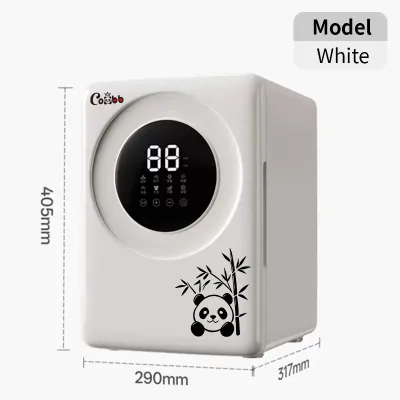
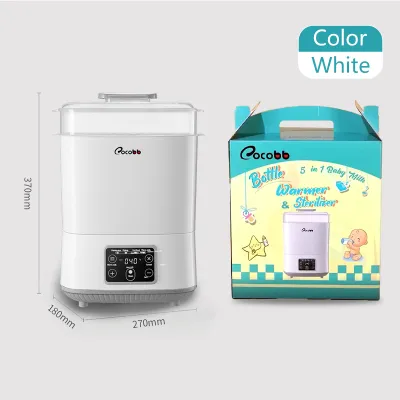
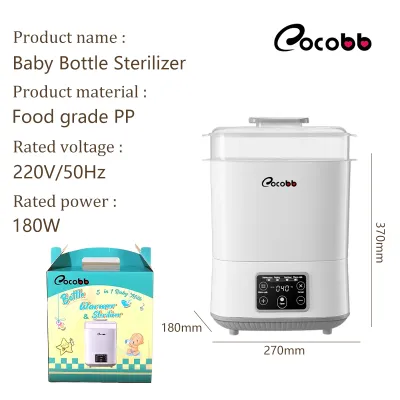
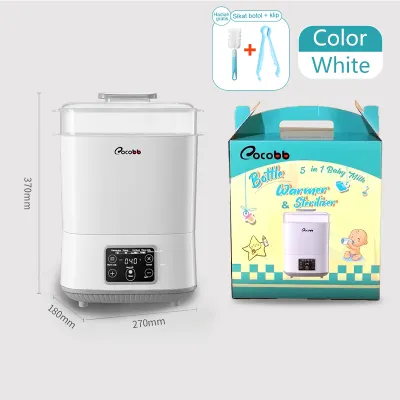
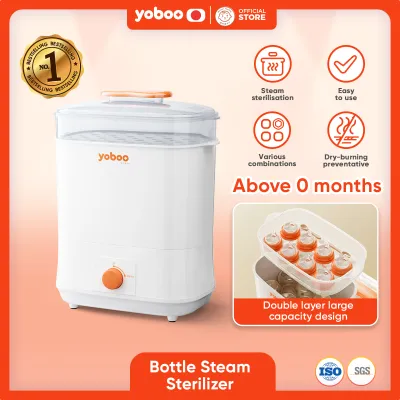
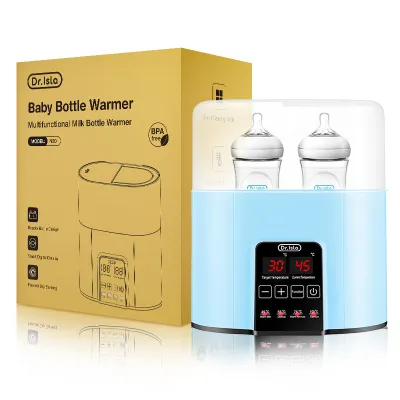
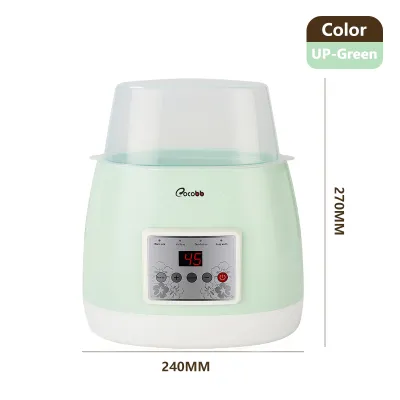
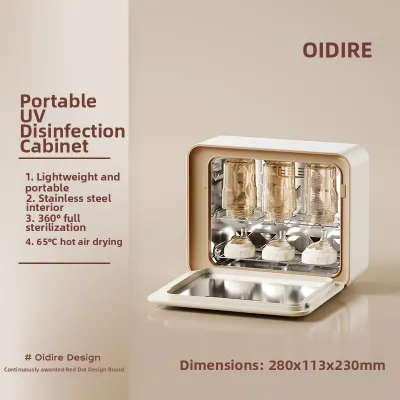
Prices are valid at publication and may change. Please refer to the product page for the latest price.
Kitchen counter space is often at a premium in modern households. Measure your intended sterilization station before making a purchase, keeping in mind both the footprint and the height clearance. Electric steam sterilizers release hot steam upward, which can damage the underside of low-hanging wooden kitchen cabinets over time. If space is limited, a unit that can be easily stored in a cabinet or a compact microwave-safe container might be the most practical choice.
Your budget in ₱ is another critical consideration, both for the initial purchase and long-term utility. Entry-level options like microwave sterilizers offer excellent value for budget-conscious families, while mid-range electric steam units provide automated convenience. Premium UV sterilizers represent a larger upfront investment in ₱ but often offer extended utility, as they can transition to sterilizing toddler utensils, small toys, and even household electronics once your baby outgrows bottle-feeding.
Finally, consider your daily schedule and how much time you can dedicate to appliance maintenance. Some sterilizers complete their cycles in minutes but leave the items wet, requiring you to air-dry them on a clean rack. In humid environments, open-air drying can expose clean bottles to airborne dust and moisture. If you prefer a hands-off approach where bottles emerge completely dry and ready for immediate use, a sterilizer-dryer combo or a UV cabinet will save significant time and manual effort.
Compare the Main Types of Baby Bottle Sterilizers
Electric Steam Sterilizers
Electric countertop steam sterilizers are among the most popular choices for busy households. These appliances use electricity to heat a small amount of water to a boil, creating high-temperature steam that rapidly surrounds and sanitizes the bottles. They offer generous capacities, often accommodating up to six or eight bottles along with breast pump components in a single cycle.

While highly reliable and fast, electric steam sterilizers require a dedicated spot near a power outlet. They also leave bottles wet at the end of the cycle, meaning you must either use them immediately or transfer them to a clean drying rack. Additionally, because they rely on boiling water, the heating plate is prone to mineral buildup, requiring regular maintenance to keep the unit running efficiently.
Microwave Steam Sterilizers
Microwave steam sterilizers consist of a durable, heat-resistant plastic chamber that you fill with a small amount of water, load with bottles, and place inside your household microwave. The microwave’s energy heats the water to generate sanitizing steam. This option is highly cost-effective, lightweight, and easy to store when not in use, making it excellent for travel or smaller kitchens.
However, this method relies entirely on your microwave’s internal dimensions and wattage. You must measure your microwave beforehand to ensure the sterilizer fits and can rotate freely on the turntable. Because these units do not have built-in drying functions, you must exercise extreme caution when opening the lid to avoid steam burns, and you will need a clean space to dry the sterilized items.
UV (Ultraviolet) Sterilizers
UV sterilizers utilize UV-C light technology to neutralize microorganisms by disrupting their DNA. Because this process is entirely water-free and operates at lower temperatures, it is highly versatile. You can safely sterilize items that cannot tolerate high heat or moisture, such as electronic breast pump parts, plastic toys, keys, and mobile phones. Many UV units also double as sterile storage cabinets, keeping items clean until you need them.
The primary trade-offs are a higher price point in ₱ and the need for precise loading. UV-C light can only sterilize surfaces it directly reaches; any shadowed areas or overlapping items will not be fully sanitized. Additionally, UV sterilizers require periodic bulb inspections and replacements to maintain their effectiveness over time.
Sterilizer-Dryer Combos
Sterilizer-dryer combos are typically electric steam units equipped with an integrated hot-air blower. Once the steam sterilization phase is complete, the machine automatically transitions to a drying cycle, blowing filtered warm air throughout the chamber. This all-in-one convenience ensures that bottles emerge completely dry, eliminating the need for external drying racks and reducing the risk of mold or mildew growth in humid climates.
These units are generally larger and heavier than standard steam sterilizers, demanding more counter space. They also carry a premium price tag and require you to monitor and replace the built-in air filters regularly to ensure the air blown onto your clean bottles remains pure.
Key Features to Check on the Product Label
When evaluating different models, always check the product packaging or manufacturer specifications for material compatibility. Ensure that your specific bottle brands—whether made of glass, polypropylene (PP), or polyphenylsulfone (PPSU)—and your silicone nipples are explicitly rated as safe for the sterilizer’s technology. Some plastics can degrade or release odors when subjected to continuous UV exposure, while others may warp under localized high steam heat.
Look for adjustable cycle settings and built-in safety controls. An automatic shut-off mechanism is an essential safety feature for any electric steam unit, preventing the heating element from running dry and overheating if you are distracted by your baby. Clear digital displays or indicator lights are also helpful for tracking how much time remains in a cycle.
If you are purchasing a sterilizer-dryer combo, verify the type of air filtration system used. High-efficiency particulate air (HEPA) filters are highly recommended, as they trap airborne dust, pollen, and particles before the air is circulated inside the chamber. Check the product label to see how often these filters must be replaced and whether replacements are easily accessible in the local market.
Finally, review the manufacturer’s warranty terms and the availability of replacement parts. Because a sterilizer is a daily-use appliance, components like silicone sealing rings, heating plates, or UV-C lamps will experience wear. Choosing a brand with reliable local customer support and readily available spare parts ensures your appliance remains functional throughout your baby’s bottle-feeding stage.
Safe Usage and Maintenance Practices
Before placing any item into a sterilizer, you must thoroughly wash it first. Sterilizers are designed to kill bacteria, viruses, and mold, but they do not remove physical debris, milk fat, or protein residue. Wash all bottles, nipples, and pump parts with warm, soapy water and a dedicated bottle brush, rinsing them thoroughly. Any milk residue left on the items can bake onto the bottles or the sterilizer’s heating plate, creating a breeding ground for bacteria and damaging the appliance.
For steam-based sterilizers, regular descaling is necessary to maintain efficiency. Tap water contains minerals that leave white, grey, or brown chalky deposits (scale) on the heating plate over time. To descale, pour a mixture of equal parts white vinegar and water onto the cold heating plate, let it sit according to the manufacturer’s instructions, and then wipe it clean with a soft cloth. Avoid using abrasive scrubbing pads or harsh chemical cleaners, which can permanently damage the heating surface.
Proper loading is critical to ensure effective sanitization. For steam sterilizers, always place bottles upside down so the rising steam can easily enter and circulate inside them. For UV sterilizers, arrange items so that the UV-C light has a direct line of sight to every surface, ensuring that nipples are upright and bottles are not stacked on top of one another. Never overcrowd the chamber, as this blocks the flow of steam or light.
Always operate the appliance under adult supervision and keep it out of reach of children. Establish clear stop conditions for your safety: if you notice unusual burning odors, exposed wiring, persistent error codes, water leaking from the base, or cracked silicone seals that allow steam to escape, unplug the device immediately. Discontinue use and consult the manufacturer or a qualified professional to address the issue before attempting to run another cycle.
Frequently Asked Questions (FAQ)
Do I really need a dedicated sterilizer, or is boiling water enough?
While boiling water in a pot on the stove is a traditional and budget-friendly method, it carries distinct safety and material risks. Boiling requires constant supervision to prevent the pot from running dry, which can melt your bottles and create a severe fire hazard. Additionally, the intense, uneven heat of boiling water can accelerate the warping and degradation of plastic bottles and silicone nipples. A dedicated sterilizer provides controlled, automated cycles that protect your feeding gear and allow you to walk away safely.
How often should I sterilize baby bottles?
For newborns, premature infants, or babies with weakened immune systems, daily sterilization of all feeding equipment is highly recommended to protect them from harmful pathogens. As your baby grows, reaches developmental milestones, and begins putting household objects in their mouth, their immune system naturally strengthens. At this stage, you may transition to thorough daily washing with warm, soapy water, reserving sterilization for once or twice a week, or as advised by your pediatrician.
Can I sterilize silicone nipples and plastic bottles in a UV sterilizer?
Yes, but you must verify the manufacturer’s guidelines for both the sterilizer and the feeding items first. While UV sterilizers operate without high heat, prolonged exposure to UV-C light can cause certain low-grade plastics and silicone to discolor, become brittle, or degrade over time. High-quality, medical-grade silicone and UV-resistant plastics (such as PPSU) generally withstand UV sterilization well, but checking the product labels ensures you do not inadvertently shorten the lifespan of your baby’s bottles.
Community discussion
Share your experience or ask a question. Comments are reviewed before publication.