
Nasal congestion can be incredibly distressing for both infants and parents. In the Philippines, where tropical humidity, dust, and sudden weather shifts during the rainy season can trigger frequent stuffiness, finding an effective way to clear your baby’s nasal passages is essential. Because newborns are obligatory nasal breathers—meaning they naturally breathe through their noses rather than their mouths for the first few months of life—even mild blockages can disrupt their feeding, sleeping, and overall comfort.
Choosing the best nose suction device is not a one-size-fits-all decision. The right tool for your family depends on your baby’s age, developmental stage, the thickness of the mucus, and your own comfort level with using the device. While some parents prefer simple, traditional tools, others find that modern manual or electric options provide better control and relief.
To help you make an informed choice, this guide compares the three primary types of nasal aspirators: traditional bulb syringes, manual mouth-suction tubes, and electric devices.
Products mentioned in this guide
Prices are valid at publication and may change. Please refer to the product page for the latest price.
Before using any device, it is critical to prioritize your baby’s safety. If your baby is under three months old and has a fever, shows signs of respiratory distress (such as rapid breathing or chest retractions), or if congestion completely prevents them from feeding, consult a pediatrician immediately rather than attempting home suctioning.
Understanding the Main Types of Nose Suction Devices
Navigating the baby care aisle or browsing online marketplaces reveals a wide variety of tools designed to clear tiny nostrils. Each category relies on a different mechanism to generate suction, and each comes with its own set of advantages and limitations.
Bulb Syringes (The Traditional Option)
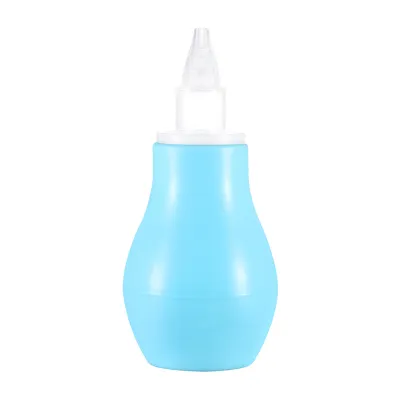
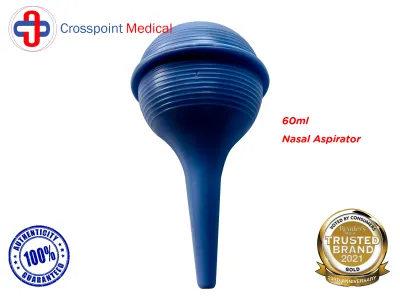
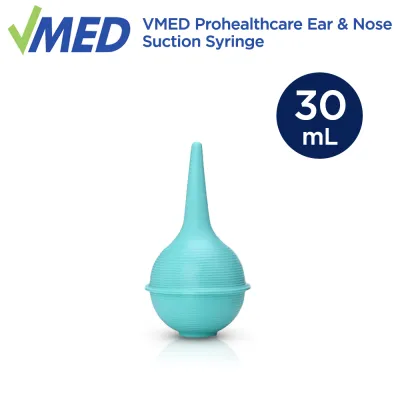
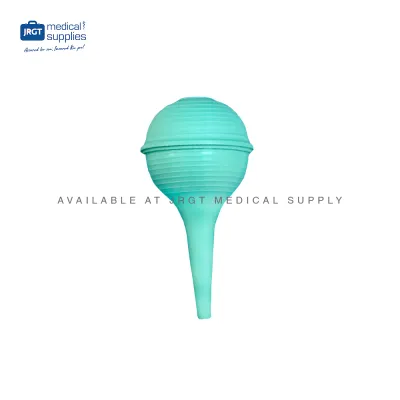
The classic rubber or silicone bulb syringe is the most familiar nose suction tool, often provided to parents in hospitals right after delivery. Its simple, one-piece design has been a nursery staple for generations.
To operate a bulb syringe, you compress the round bulb with your thumb to expel the air inside. While holding the bulb down, you gently insert the narrow tip into the entry of your baby’s nostril, taking care not to push it too deep. Slowly releasing your grip on the bulb creates a vacuum that draws mucus out of the nasal passage and into the bulb.
Pros of Bulb Syringes
- Affordability: They are highly budget-friendly, typically costing under ₱150, making them accessible to almost every family.
- Availability: You can easily find them in local drugstores, supermarkets, and convenience stores across the country.
- Simplicity: They require no batteries, charging cables, or ongoing purchases of replacement filters, making them highly portable.
Cons of Bulb Syringes
- Hygiene Concerns: Because most traditional bulb syringes are opaque and cannot be disassembled, the dark, moist interior is highly susceptible to mold and bacterial growth.
- Unregulated Suction: It is difficult to control the exact amount of suction pressure applied, which can lead to accidental irritation of delicate nasal tissues if squeezed too forcefully.
- Limited Power: They struggle to extract thick, sticky mucus, making them less effective during moderate to severe colds.
Manual Tube Aspirators (Mouth-Suction)
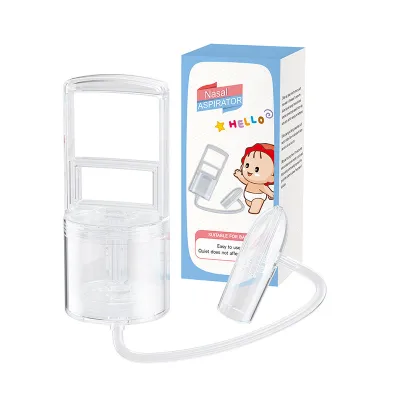
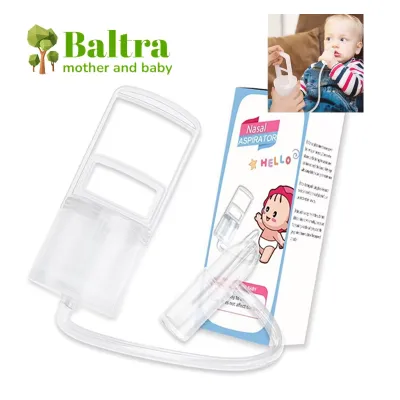
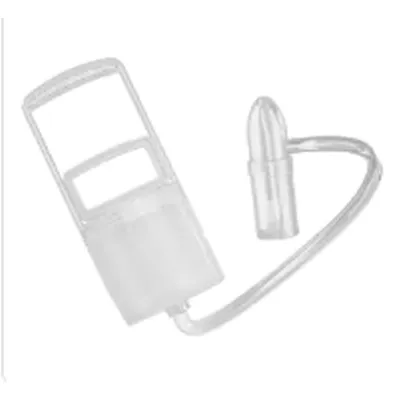
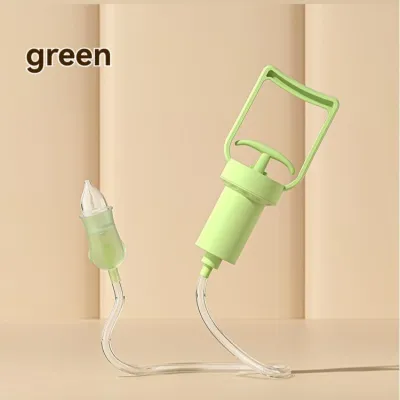
Manual tube aspirators, often referred to as mouth-suction devices, have become increasingly popular among modern parents. This design utilizes a mouthpiece, a flexible tube, and a plastic collection chamber with a soft silicone tip.
To use this device, you place the silicone tip gently against the opening of your baby’s nostril to create a seal. You then place the mouthpiece in your own mouth and suck gently or firmly, depending on the congestion level. The suction you generate pulls the mucus out of the baby’s nose and directly into the collection chamber. A disposable or washable hygiene filter sits between the tube and the chamber, ensuring that no mucus or bacteria can reach your mouth.
Pros of Manual Tube Aspirators
- Precise Control: You can dynamically adjust the suction strength in real-time using your own breath, allowing for gentle suction on loose mucus or stronger suction on stubborn blockages.
- High Efficiency: They are exceptionally effective at clearing thick, deep-seated mucus that bulb syringes cannot reach.
- Visibility: The transparent collection chamber allows you to inspect the color, consistency, and volume of the extracted mucus, which can be useful information to share with your pediatrician.
Cons of Manual Tube Aspirators
- Physical Effort: Operating the device requires active lung power, which can be tiring if your baby has a prolonged illness or requires frequent clearing throughout the night.
- Ongoing Costs: Most brands require proprietary single-use filters to maintain hygiene, which adds a recurring expense over time.
- The "Ick" Factor: Although the physical filter completely blocks any mucus from traveling up the tube, some parents still feel uncomfortable with the concept of mouth-suction.
Electric and Battery-Operated Aspirators
Electric nasal aspirators offer a modern, automated approach to clearing infant congestion. These devices feature a motorized pump housed in a handheld wand, powered either by disposable alkaline batteries or a built-in rechargeable battery via a USB cable.
To operate an electric model, you select the desired suction level, gently place the silicone nozzle into the baby’s nostril, and hold down the power button. The motor provides continuous, steady suction to draw mucus into a small, detachable collection cup. Many electric models also include built-in features such as colorful LED lights or soft lullabies designed to distract and soothe a fussy baby during the process.
Pros of Electric Aspirators
- Consistent Suction: The motorized pump provides steady, uninterrupted suction, eliminating the manual squeezing or sucking required by other models.
- Ease of Use: They can be operated easily with one hand, leaving your other hand free to gently cradle or stabilize your baby's head.
- Adjustable Settings: Most models offer multiple suction levels, allowing you to start with a gentle setting and increase the power if needed.
Cons of Electric Aspirators
- Higher Cost: These devices represent a significant upfront investment, often ranging from ₱800 to over ₱2,500 on online marketplaces.
- Power Dependence: You must ensure the device is charged or has fresh batteries, which can be inconvenient during power outages or when traveling.
- Motor Noise: The humming or buzzing sound of the motor, combined with any vibrations, can startle or frighten some infants, leading to resistance.
Key Comparison Dimensions: Power, Hygiene, and Usability
Choosing between these three options requires balancing several practical factors that will impact your daily routine.

Suction Strength and Control
The ability to regulate suction is crucial for preventing injury to your baby’s delicate nasal membranes. Manual tube aspirators offer the highest level of control, as your own breath dictates the pressure. Electric aspirators provide consistent, measured suction that is pre-programmed to stay within safe limits, though they may occasionally lack the quick burst of power needed for extremely sticky mucus. Bulb syringes offer the least control, as the suction is determined entirely by how quickly you release your grip on the rubber bulb.
Cleaning and Hygiene
Moisture and organic matter create a breeding ground for bacteria. Traditional bulb syringes are notoriously difficult to clean and dry, often requiring parents to discard them after a single illness period to avoid reintroducing bacteria. Manual tube aspirators excel in this category because they are designed to be fully disassembled, washed with warm soapy water, and sterilized. Electric models also feature detachable, washable collection chambers and tips, but you must take care never to get water inside the motorized handle, which can damage the electrical components.
Baby's Comfort and Cooperation
An infant’s nasal passages are highly sensitive, and any suctioning process can cause discomfort. Hard plastic tips can scratch the nasal lining if the baby suddenly wiggles, which is why soft, medical-grade silicone tips are highly recommended. While electric models are convenient, their noise and vibration can cause some babies to cry or resist. Manual tubes are completely silent, making them less intimidating, though the sight of the tubing can still cause mild apprehension in older infants.
Comparison Matrix
The following table summarizes the key differences between the three main types of nose suction devices to help you compare your options at a glance:
| Device Type | Suction Control | Cleaning Ease | Ongoing Costs | Best Use Case |
|---|---|---|---|---|
| Bulb Syringe | Poor (unregulated) | Very Low (opaque, prone to mold) | None | Occasional mild, watery congestion in newborns |
| Manual Tube | Excellent (breath-controlled) | High (fully disassembles for washing) | Low to Medium (replacement filters) | Thick, stubborn mucus and daily congestion |
| Electric Aspirator | Good (adjustable preset levels) | Medium (washable tips and cup only) | Low (recharging or batteries) | Frequent congestion, heavy colds, or multi-child homes |
Decision Framework: Matching the Device to Your Baby
To select the most suitable device for your household, consider your baby’s specific symptoms, age, and your family’s daily lifestyle.
Choose a Bulb Syringe if:
- You are looking for a highly affordable, low-cost backup device.
- Your newborn only experiences occasional, mild, and watery congestion.
- You need a simple, compact tool to keep in your diaper bag for emergencies or travel.
Choose a Manual Tube Aspirator if:
- Your baby frequently suffers from thick, stubborn mucus that requires strong, targeted suction.
- You want complete, real-time control over the suction strength to ensure your baby's comfort.
- You do not mind washing multiple small parts and purchasing replacement filters periodically.
Choose an Electric Aspirator if:
- Your baby experiences frequent, severe congestion due to seasonal allergies or recurring colds.
- You want a quick, automated, and consistent solution that minimizes physical effort.
- You prefer a one-handed operation that allows you to easily comfort and stabilize your baby during use.
Verify First if:
Before purchasing or using any nasal clearance device, always verify if your baby has any underlying medical conditions. If your baby was born prematurely, has a bleeding disorder, nasal polyps, a deviated septum, or any anatomical differences in their nasal passages, do not use a suction device without consulting your pediatrician first. In these cases, delicate tissues may be more susceptible to injury, and a professional can guide you on the safest clearance methods.
Additionally, when purchasing any device from online marketplaces, verify that the product has passed international safety standards, check for any manufacturer recalls, and read user reviews regarding the durability of the silicone tips.
Safe Usage, Maintenance, and When to See a Doctor
Using a nose suction device correctly is just as important as choosing the right type. Improper technique or excessive use can cause physical harm to your baby.
Safe Suctioning Practices
To protect your baby’s delicate nasal lining, limit suctioning to 2 to 3 times per day, or as specifically directed by your pediatrician. Over-suctioning can cause the nasal tissues to swell and become inflamed, which actually worsens congestion and creates a cycle of discomfort. Always read the manufacturer instructions for your specific model before its first use.
To make the process smoother and safer, always apply 1 to 2 drops of sterile saline solution to each nostril before suctioning. Wait about 30 seconds to allow the saline to soften and loosen dry or thick mucus. This step ensures that the nose suction device can draw out the mucus easily without requiring excessive pressure or causing pain.
Cleaning and Storage
Proper maintenance is essential to prevent mold growth and cross-contamination. After every use, disassemble all washable parts of the device. Wash them thoroughly with warm, soapy water, and rinse them with clean water. Allow all components to air-dry completely in a clean, well-ventilated area before reassembling or storing them.
If your device uses disposable filters, discard the filter immediately after use and insert a fresh one before the next session. Inspect silicone tips regularly for signs of wear, cracking, or discoloration, and replace them promptly according to the manufacturer’s care guidelines. If the manufacturer’s instructions conflict with standard cleaning practices, or if you are unsure how to sterilize a specific material, consult the manufacturer or a qualified professional.
When to Stop and Seek Medical Help
Nasal suctioning is meant to provide temporary relief for mild to moderate congestion. You must stop using the device immediately and seek professional medical care if you observe any of the following red flags:
- Bleeding from the nose or visible injury to the nasal tissues.
- Worsening congestion that does not improve after gentle suctioning.
- Signs of respiratory distress, such as flaring nostrils, rapid breathing, or chest retractions (the skin pulling in tightly around the ribs or collarbone).
- A fever in infants under three months of age.
- The baby refusing to feed or drink liquids due to extreme difficulty breathing.
Frequently Asked Questions (FAQ)
Can I use a nose suction device while my baby is sleeping?
While it might seem convenient to suction your baby’s nose while they are asleep to avoid resistance, it is generally not recommended. The physical sensation of the nozzle in their nostril, combined with the noise or vibration of electric models, will almost certainly startle and wake them, causing unnecessary distress. Instead, try applying gentle saline drops while they rest to keep the nasal passages moist, and wait until they are awake and held in an upright position to perform any suctioning. This upright posture provides better safety, control, and natural drainage.
How often should I replace the tips or filters on a manual aspirator?
To maintain proper hygiene and prevent the growth of mold or bacteria, you should replace the disposable internal filters of a manual tube aspirator after every single use, or whenever they become visibly soiled. Reusable silicone nasal tips should be inspected regularly for signs of wear, tearing, or discoloration. If the silicone becomes sticky, cracked, or impossible to clean thoroughly, replace it immediately with a fresh, manufacturer-approved tip to ensure a safe, hygienic, and airtight seal.

Community discussion
Share your experience or ask a question. Comments are reviewed before publication.