
When your baby is congested, finding the right nose suction method is crucial for their comfort, sleep, and feeding. Because infants are obligate nasal breathers—meaning they naturally breathe almost exclusively through their noses for the first few months of life—even mild nasal congestion can cause significant distress. Choosing the best device depends on your baby’s age, the thickness and severity of the mucus, and your comfort level with different cleaning and operating mechanisms.
To help you navigate the options, this guide compares the three primary types of nasal aspirators: traditional bulb syringes, manual mouth-suction tube aspirators, and electric or battery-operated devices. Each option offers distinct trade-offs in suction control, ease of cleaning, portability, and cost. By understanding these differences, you can select the safest and most effective tool to keep your baby’s airways clear.
Quick Guide: Which Nasal Aspirator Should You Choose?
Selecting a nasal aspirator requires balancing your immediate situation with the long-term needs of your child. In the Philippines, where the transition between humid outdoor air and dry, air-conditioned indoor spaces can trigger sudden mucus production, having a reliable clearing tool is a household necessity. The choice generally comes down to how often your baby experiences congestion and how much control you want over the process.
Products mentioned in this guide
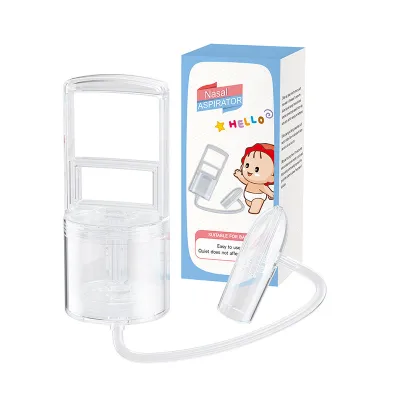
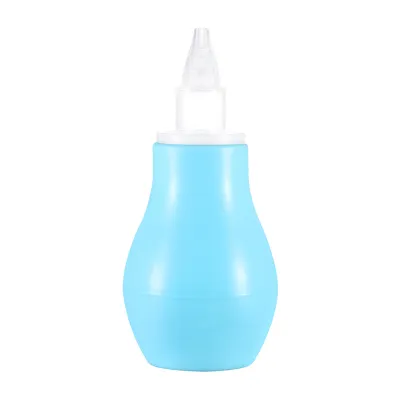
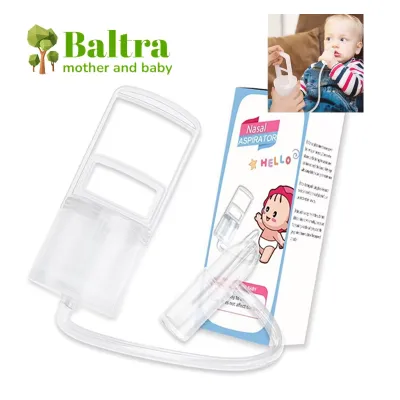
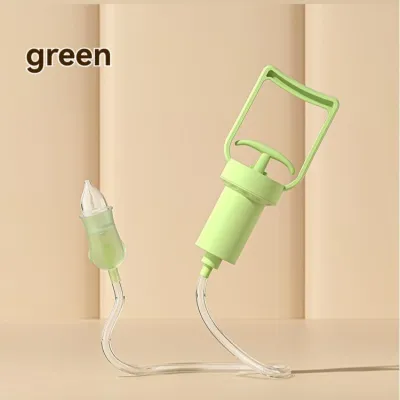
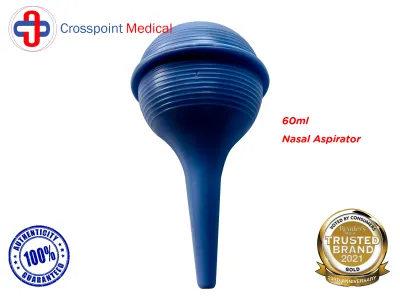
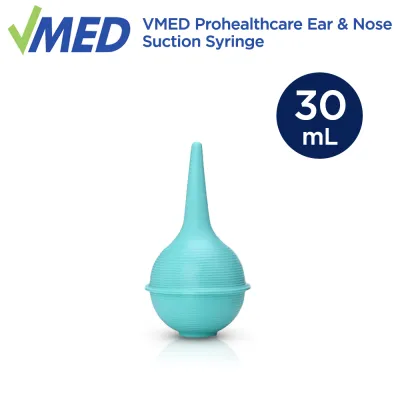
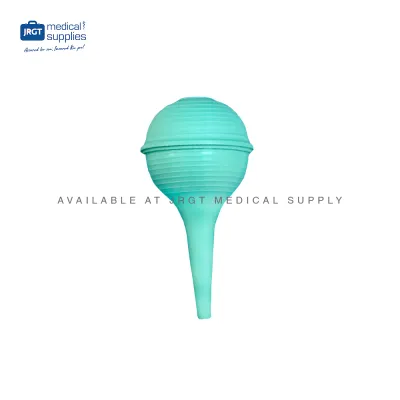
Prices are valid at publication and may change. Please refer to the product page for the latest price.
Use this quick decision framework to identify the right tool for your family:
- Choose a bulb syringe if: You need an inexpensive, highly portable, and simple backup for mild, occasional congestion in a newborn, and you are prepared to perform rigorous cleaning and drying after every single use.
- Choose a manual tube aspirator if: You want absolute, precise control over the suction power using your own breath, need to clear moderate to deep congestion, and prefer a clear chamber where you can visually confirm the color and volume of mucus removed.
- Choose an electric aspirator if: Your baby is older, experiences frequent or severe congestion (such as from seasonal allergies or recurring colds), you require easy one-handed operation, or your baby is highly resistant to suctioning and needs built-in distractions like music or lights.
- Verify first if: Your baby is under a specific manufacturer-stated age or weight threshold, has a known bleeding disorder, or is showing any signs of respiratory distress. If your baby exhibits rapid breathing, flaring nostrils, or chest retractions, skip home suctioning entirely and seek immediate medical attention from a pediatrician.
Understanding the Three Main Types of Nose Suction Devices
To make an informed choice, it helps to understand how each device functions, along with its inherent design advantages and limitations. Nasal aspirators have evolved from simple rubber bulbs to highly controlled manual systems and automated electric devices, each serving a specific role in infant care.

Bulb Syringes (The Traditional Option)
The classic rubber bulb syringe is the most familiar nasal clearing tool, often provided to parents in the hospital after delivery. Its operating mechanism is entirely mechanical: you manually squeeze the spherical bulb to expel the air, insert the narrow tip gently into the baby’s nostril, and slowly release your grip to create a vacuum that draws mucus into the chamber.
- Pros: These devices are highly affordable, typically costing between ₱50 and ₱150 in local pharmacies. They are widely available, require no batteries, filters, or external parts, and their compact size makes them exceptionally easy to pack in a diaper bag for travel.
- Cons: The greatest drawback of traditional bulb syringes is hygiene. Because most classic models are molded as a single piece of opaque rubber or silicone, the interior is completely hidden from view. This makes it incredibly difficult to verify if the inside is fully clean and dry, creating a high risk of hidden mold and bacterial growth. Additionally, the suction power is fixed and cannot be adjusted mid-use, which can sometimes feel too abrupt for a sensitive newborn.
- Ideal Use Case: Bulb syringes are best reserved as a low-cost backup for mild, occasional congestion in young infants, or as a temporary travel option when more complex devices are impractical to carry.
Manual Tube Aspirators (Mouth-Suction)
Manual tube aspirators, often referred to as mouth-suction devices, have become a favorite among modern parents and pediatricians. This design consists of a soft silicone nasal tip connected via a flexible plastic tube to a mouthpiece. The parent places the nasal tip at the entry of the baby’s nostril and draws breath through the mouthpiece to pull mucus into a collection chamber. A replaceable physical filter sits between the tube and the chamber, ensuring that no mucus or airborne pathogens reach the parent’s mouth.
- Pros: This style offers unparalleled suction control. Because your own lung power drives the vacuum, you can instantly modulate the suction from a gentle whisper to a stronger pull depending on how stubborn the mucus is. The collection chamber is entirely transparent, allowing you to monitor the color and consistency of the congestion. Furthermore, these devices easily disassemble into separate, washable parts, making them highly hygienic.
- Cons: Using a manual tube aspirator requires close physical proximity and active coordination. If your baby is squirming or if you are managing a struggling toddler, holding the tip in place while maintaining suction can be challenging. It also requires physical effort from the parent, which can be exhausting if you are also feeling unwell.
- Ideal Use Case: Manual tube aspirators are ideal for moderate congestion in infants and toddlers where precise suction control and visual confirmation of mucus clearance are your primary goals.
Electric and Battery-Operated Aspirators
Electric nasal aspirators utilize a small, motorized pump to generate continuous, automated suction. These devices are typically shaped like a handheld wand, featuring a silicone nozzle, a removable collection cup, and a battery compartment or rechargeable USB port. Many modern electric models offer multiple suction levels and integrated entertainment features to make the process smoother.
- Pros: The primary benefit of an electric model is ease of use. It allows for steady, hands-free (or rather, one-handed) operation, leaving your other hand free to gently cradle or stabilize your baby's head. The suction is highly consistent and does not rely on your breath or hand coordination. To ease a baby's anxiety, many electric models include built-in distraction features, such as soft color-changing lights or gentle lullabies. They also feature washable catch cups that isolate the mucus from the motor unit.
- Cons: Electric aspirators are significantly more expensive, typically ranging from ₱1,500 to ₱3,500 or more on local e-commerce platforms. The hum of the motor, even on quieter models, can startle some sensitive babies. They are bulkier than manual options, rely on battery life or charging access, and require careful maintenance to ensure liquid never enters the motor compartment.
- Ideal Use Case: This type is highly recommended for infants and toddlers who suffer from frequent, severe congestion, families who prefer a completely automated process, and parents who find the concept of mouth-suction unappealing.
Key Comparison Dimensions for Baby Nose Suction Devices
When deciding which device to purchase, comparing them side-by-side across performance, hygiene, and comfort dimensions will help you identify the best fit for your daily routine.
Suction Power and Control
The ability to adjust suction is critical because infant nasal tissues are incredibly delicate. Bulb syringes offer a single, unadjustable vacuum level that depends entirely on how quickly you release your hand pressure. Manual tube aspirators provide the highest level of real-time control, allowing you to start incredibly gently and increase power only as needed. Electric aspirators provide a steady, continuous pull, which is highly effective for drawing out thick mucus, though you must select from preset power levels rather than adjusting the force dynamically mid-breath.
Hygiene and Maintenance
In a warm, tropical climate like the Philippines, high humidity levels accelerate the growth of mold and bacteria in damp spaces. This makes the cleanability of your nose suction device a major health consideration. Bulb syringes are notoriously difficult to dry internally, making them the highest risk for mold. Manual tube aspirators are highly hygienic because they can be completely disassembled, washed, and boiled or sterilized. They also use replaceable filters to prevent cross-contamination. Electric aspirators keep mucus confined to a small, detachable silicone cup that is easy to wash, though the main body must be wiped down carefully to protect the internal motor.
Baby's Comfort and Tolerance
Babies rarely enjoy having their noses cleared, so choosing a device that minimizes distress is key. The silent operation of bulb syringes and manual tube aspirators is less likely to trigger a startle reflex. However, the physical proximity required for manual suction can sometimes make babies feel confined. Electric aspirators introduce motor noise and vibration, which can cause initial anxiety, but this is often successfully offset by their built-in musical melodies and light displays, which serve as excellent sensory distractions.
Comparison Table
| Feature | Bulb Syringes | Manual Tube Aspirators | Electric Aspirators |
|---|---|---|---|
| Suction Control | Low (Fixed manual release) | High (Directly controlled by parent's breath) | Medium (Preset electronic levels) |
| Cleaning Ease | Difficult (Opaque, closed design) | Easy (Fully disassembles and sterilizes) | Medium (Washable cup, wipe-down body) |
| Noise Level | Silent | Silent | Low Hum (Motorized) |
| Portability | High (Pocket-sized, no accessories) | High (Compact, requires filters) | Medium (Bulkier, requires batteries/charger) |
| Price Range | Low (₱50 – ₱150) | Medium (₱300 – ₱800) | High (₱1,500 – ₱3,500+) |
| Best For | Mild, occasional newborn congestion | Moderate congestion with visual tracking | Severe, frequent congestion & distraction |
Safety, Age-Appropriateness, and When to Stop
Regardless of which device you choose, prioritizing safety is essential to protect your baby’s fragile nasal passages. Improper or excessive suctioning can cause physical harm and worsen your baby’s symptoms.
Age and Size Limits
Always consult the manufacturer’s documentation to verify the recommended age, weight, and nozzle size guidelines before using any device on your baby. Newborns have extremely narrow nasal passages that require specialized, extra-small silicone tips. Using a nozzle that is too large, or forcing a tip too far into the nostril, can easily bruise or tear the delicate mucosal tissue, leading to pain and nosebleeds.
Frequency Limits
It is natural to want to clear your baby’s nose every time you hear a sniffle, but over-suctioning is counterproductive. Pediatricians generally recommend limiting nasal suction to no more than 2 to 4 times a day, ideally right before feeding and bedtime. Suctioning too frequently irritates the sensitive lining of the nasal passages. This irritation causes the tissues to swell and produce even more mucus, leading to chronic inflammation and rebound congestion that makes your baby feel more stuffed up than before.
When to Stop and Seek Help
Home nasal suction is designed for temporary comfort, not medical treatment. Stop using the device immediately and consult your pediatrician or seek professional medical care if you observe any of the following warning signs:
- Persistent bright red blood in the mucus (occasional tiny pink flecks can happen, but active bleeding requires evaluation).
- A high or persistent fever.
- Signs of respiratory distress, including rapid breathing, flaring nostrils, grunting sounds, or chest retractions (where the skin sucks in tightly around the ribs or collarbone when breathing).
- The baby is lethargic, unusually irritable, or refuses to feed despite your attempts to clear their nasal passages.
Saline Preparation
Dry nasal passages are highly susceptible to irritation and bleeding. To protect the nasal lining and make suctioning significantly more effective, always precede suctioning with saline drops or spray. Administer 1 to 2 drops of sterile, preservative-free infant saline into each nostril, and wait approximately 30 to 60 seconds. This simple step lubricates the nasal passages and thins out thick, sticky mucus, allowing the aspirator to draw it out gently and completely without requiring excessive suction force.
How to Use and Clean Your Chosen Aspirator Safely
To ensure your nasal aspirator remains a safe, hygienic, and effective tool, you must follow proper insertion techniques and strict cleaning protocols.
Safe Insertion
When inserting the aspirator tip, gentleness is key. Never push the nozzle deep into your baby’s nose; it should only sit just inside the nostril opening to form a gentle seal.
Always angle the tip slightly outward, pointing toward the outer corner of the eye or the ear on that same side, rather than pointing straight up or inward toward the center of the nose. Pointing the tip toward the nasal septum (the middle wall dividing the nostrils) can cause direct friction against a highly vascularized area, which is the primary cause of minor nosebleeds during suctioning.
Cleaning Protocols
Moisture control is vital to prevent bacterial contamination. Follow these specific cleaning guidelines based on your device type:
- For Bulb Syringes: Fill the bulb with hot, soapy water. Shake it vigorously, then squeeze the soapy water out completely. Repeat this process several times with clean, hot water to rinse out all soap residue. To disinfect and displace remaining water, draw a small amount of 70% isopropyl rubbing alcohol into the bulb, shake it, squeeze it out, and place the bulb tip-down in a clean glass to air dry completely.
- For Manual Tube Aspirators: Disassemble all plastic and silicone components. Wash them thoroughly in warm, soapy water. If allowed by the manufacturer's care instructions, sterilize the silicone parts in boiling water for a few minutes. Always discard the single-use filter after each session and replace it with a fresh one before the next use. Allow all parts to air dry completely on a clean paper towel.
- For Electric Aspirators: Detach the silicone nozzle and the mucus collection cup from the main motor housing. Wash these detachable parts in warm, soapy water, and sterilize them according to the manufacturer's guidelines. Never submerge the motorized handle or body in water; instead, wipe the exterior down with a damp cloth or a disinfecting wipe, ensuring no moisture enters the charging port or battery compartment.
Inspection
Before every single use, perform a quick visual inspection of your device. Check for any physical cracks in the plastic, degradation or stickiness in the silicone tips, or any dark spots that could indicate internal mold growth. If you detect any signs of damage, wear, or mold that cannot be thoroughly cleaned, discard the device immediately and replace it to protect your baby’s health.
Frequently Asked Questions (FAQ)
How often can I use a nasal aspirator on my baby?
You should limit the use of a nasal aspirator to a few times a day—typically no more than 2 to 4 times. The best times to suction are right before your baby feeds and before they go to sleep, as a clear nose makes it much easier for them to suck, swallow, and rest comfortably. Suctioning more frequently than this can irritate and inflame the delicate nasal tissues, which actually increases mucus production and worsens congestion.
Can nose suction damage my baby's nasal lining?
Yes, improper or excessive suctioning can damage your baby’s delicate nasal lining. Tissue damage, inflammation, and nosebleeds are usually caused by inserting the nozzle too deeply into the nasal cavity, pointing the tip directly at the sensitive nasal septum, suctioning without first softening the mucus with saline drops, or using the device too many times throughout the day. Always keep the insertion shallow and use saline to lubricate the nasal passages first.
Are electric aspirators safe for newborns?
Electric aspirators can be safe for newborns, but safety depends entirely on the specific manufacturer’s age and weight guidelines and the design of the device. Many electric models include specialized, ultra-soft newborn silicone nozzles designed to fit tiny nostrils safely and feature lower suction settings specifically calibrated for infants. Always read the product manual carefully to verify newborn suitability, and ensure you are using the correct nozzle size before attempting to suction a newborn’s nose.

Community discussion
Share your experience or ask a question. Comments are reviewed before publication.