
Choosing the right nasal aspirator is one of the most practical decisions you will make to keep your baby comfortable during bouts of congestion. Because infants are obligate nasal breathers—meaning they naturally breathe primarily through their noses, especially during their first few months—even a minor buildup of mucus can significantly disrupt their feeding, sleeping, and general comfort. The most suitable nasal aspirator depends directly on your baby’s age, physical mobility, and the severity of their congestion. While a simple bulb syringe works well for occasional, mild congestion in newborns, more active infants and toddlers experiencing stubborn mucus often require the controlled suction of a mouth-suction pump or the quick, automated efficiency of an electric nasal aspirator.
In the tropical and humid climate of the Philippines, sudden weather shifts, seasonal rains, and constant transitions between humid outdoor air and air-conditioned indoor spaces can easily trigger nasal congestion (locally referred to as sipon) in young babies. Managing this congestion effectively requires understanding the strengths and limitations of each aspirator type. By matching the tool to your child’s developmental stage and the thickness of their mucus, you can clear their airways safely without irritating their delicate nasal lining.
Quick Reference: Matching Aspirator Types to Age and Congestion
To help you make an immediate decision when your baby is struggling to breathe comfortably, it is helpful to look at how different aspirator types align with specific age groups and congestion levels. Selecting the wrong tool can lead to ineffective clearing or unnecessary discomfort for your child.
Products mentioned in this guide
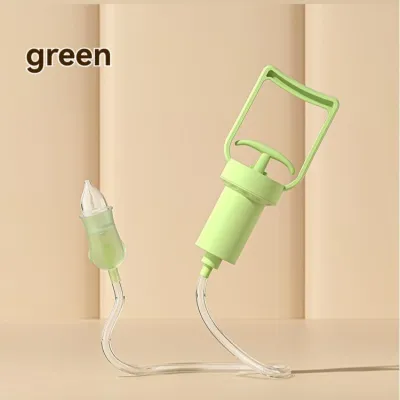
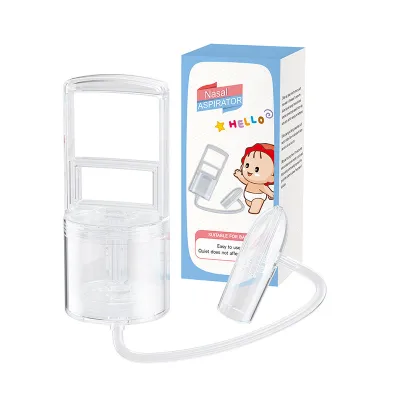
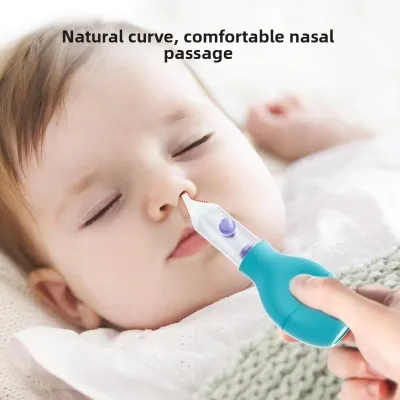
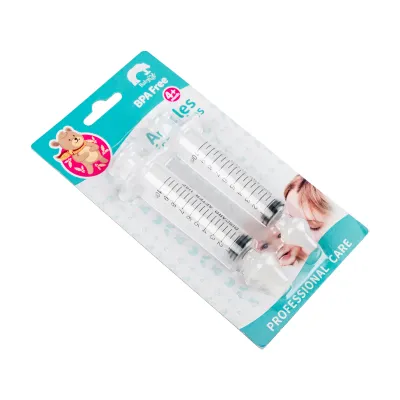
Prices are valid at publication and may change. Please refer to the product page for the latest price.
- Newborns (0 to 3 Months): Best suited for bulb syringes or gentle mouth-suction pumps. At this fragile stage, congestion is typically mild or composed of thin fluids. The primary goal is extreme gentleness to avoid irritating narrow nasal passages.
- Infants (3 to 12 Months): Best suited for mouth-suction pumps or electric aspirators. As babies gain head control and begin to resist manual clearing, mouth-suction pumps allow you to adjust suction power instantly based on the baby's movements. Electric models offer a quick alternative if the baby tolerates the motor's sound.
- Toddlers (1 Year and Older): Best suited for electric aspirators or robust mouth-suction pumps. Toddlers often exhibit strong physical resistance and produce thicker, more stubborn mucus during colds. High-efficiency tools are necessary to clear the nasal passages rapidly before the child pulls away.
Regardless of the aspirator type you select, keeping a bottle of baby-safe saline drops on hand is highly recommended. Saline drops serve as a non-negotiable prerequisite whenever you are dealing with dry, crusty, or thick mucus. Attempting to suction dry nasal passages can cause friction, pain, and minor bleeding. Administering a few drops of saline beforehand softens and thins the mucus, making the extraction process significantly easier and safer for your baby.
Understanding the Three Main Nasal Aspirator Types
Before purchasing a nasal aspirator, it is essential to understand the mechanics, advantages, and drawbacks of the three primary categories available in local pharmacies and baby specialty stores. Each type operates on a distinct suction principle and requires a different level of maintenance.

Bulb Syringes
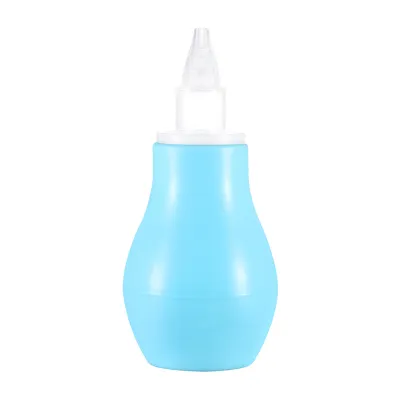
Bulb syringes are the classic, teardrop-shaped rubber or silicone bulbs that have been a staple in newborn care packages for generations. They operate on a simple manual squeeze-and-release mechanism. To use one, you compress the bulb to expel the air, gently insert the narrow tip into the baby’s nostril, and slowly release your grip to create a vacuum that draws the mucus into the bulb.
Pros:
- Extremely inexpensive, typically costing between ₱50 and ₱150.
- Widely available in almost every local drugstore and supermarket across the Philippines.
- Completely silent, making them highly suitable for quick, non-startling cleanups while the baby is asleep.
Cons:
- The opaque, one-piece design makes it nearly impossible to see inside the bulb, which poses a significant hygiene challenge.
- Moisture trapped inside the dark, rubber cavity can easily harbor mold and bacterial growth over time, especially in warm, humid tropical climates.
- Suction power is highly variable and depends entirely on the strength and speed of your hand grip, making it difficult to maintain consistent pressure.
Mouth-Suction Pumps (Manual Tube Aspirators)
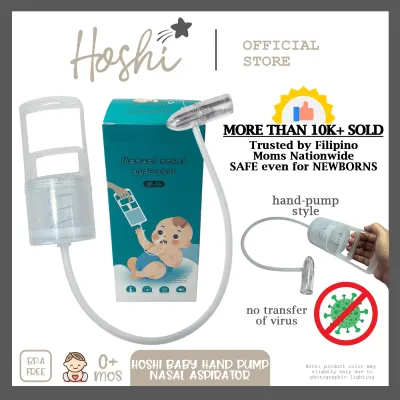
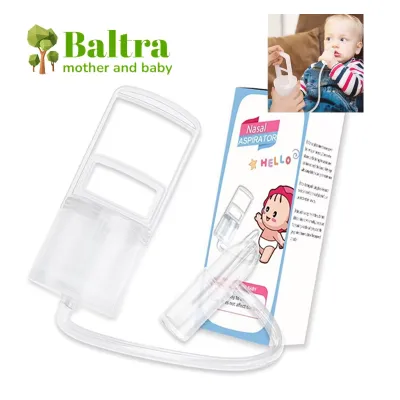
Often referred to as manual tube aspirators, mouth-suction pumps consist of a soft silicone nozzle that rests against the baby’s nostril, connected by a flexible plastic tube to a mouthpiece held by the parent. A physical, replaceable hygiene filter is positioned inside the chamber to prevent any mucus or bacteria from traveling up the tube into the parent’s mouth.
Pros:
- Provides highly controlled, responsive, and consistent suction because you use your own breath to draw out the mucus.
- Easy to disassemble completely, allowing you to wash, sanitize, and visually inspect every component for cleanliness.
- Highly effective at extracting moderate to thick mucus without inserting a hard object deep into the baby's nose.
- Moderately priced, generally ranging from ₱200 to ₱600.
Cons:
- Requires physical lung effort from the caregiver, which can be tiring during long nights of illness.
- Some parents experience an initial psychological barrier or "ick factor" regarding the close proximity to their baby's nasal secretions, despite the absolute protection offered by the internal filter.
- Requires a steady supply of replacement filters, which must be factored into the long-term cost.
Electric Aspirators
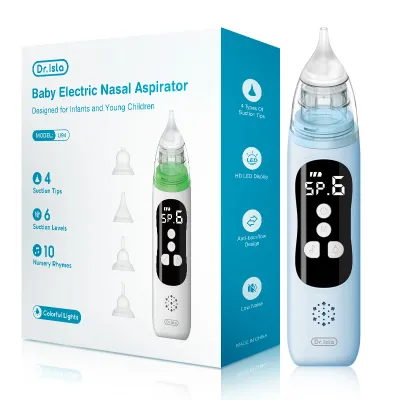
Electric nasal aspirators are battery-operated or USB-rechargeable devices equipped with a small motorized pump. They provide automated, continuous suction at the push of a button, removing the need for manual squeezing or oral suction.
Pros:
- Delivers consistent, steady suction power that does not rely on manual coordination or lung capacity.
- Allows for easy, one-handed operation, leaving your other hand free to gently cradle or stabilize your baby's head.
- Many modern models include built-in distractions, such as soft lights or playful melodies, to keep babies calm during the process.
- Comes with multiple interchangeable silicone tips of varying sizes to accommodate your growing baby.
Cons:
- Features a higher upfront cost, with quality models ranging from ₱800 to over ₱2,500.
- Requires regular battery replacements or consistent charging, which can be inconvenient during travel or power outages.
- The mechanical motor produces a low humming noise that can startle or frighten highly sensitive babies, leading to resistance.
Matching the Aspirator to Your Baby's Age and Mobility
As your baby grows, their nasal anatomy, head control, and level of cooperation change dramatically. A tool that worked perfectly during the first month of life may become highly impractical or unsafe once your child reaches toddlerhood.
Newborns (0 to 3 Months)
During the first twelve weeks of life, a newborn’s nasal passages are incredibly narrow, delicate, and easily irritated. Because newborns cannot clear their own noses by blowing, even minor congestion can make breastfeeding or bottle-feeding difficult, as they must pause frequently to breathe through their mouths.
When caring for a newborn, gentleness is your absolute priority. A basic bulb syringe with a soft, flexible silicone tip or a gentle mouth-suction pump is ideal for this stage. Avoid inserting any nozzle deeply into the nostril; the tip should only rest gently at the very entrance of the nasal opening to create a seal. Always administer a single drop of mild saline solution to lubricate the nasal passage before attempting any suctioning, and limit the procedure to avoid causing swelling in the delicate mucosal tissues.
Infants (3 to 12 Months)
Between three and twelve months of age, infants undergo rapid physical development. They gain strong neck control, become highly aware of their surroundings, and develop the physical strength to turn their heads, push your hands away, and actively resist nasal clearing.
This developmental shift makes mouth-suction pumps highly advantageous. Because you control the suction pressure with your breath, you can instantly pause or reduce the suction if the baby suddenly jerks their head, preventing accidental trauma to the inside of the nose. If your baby is relatively calm and tolerates moderate noise, you can also transition to an electric nasal aspirator. The quick, automated suction of an electric model allows you to clear the nasal passages in a matter of seconds before the infant becomes too fussy.
Toddlers (1 Year and Older)
Toddlers present a unique challenge because they possess significant physical strength, a strong desire for independence, and a high likelihood of throwing tantrums when confronted with a nasal aspirator. Furthermore, toddler congestion during cold seasons often involves thicker, more abundant mucus that manual tools struggle to clear efficiently.
For toddlers, electric aspirators are often the most practical choice. The continuous, motorized suction is highly effective at drawing out heavy, stubborn mucus quickly, allowing you to complete the process before the toddler can pull away. To minimize resistance, try to involve your toddler in the process. You can let them hold a favorite toy, choose the musical setting on the electric device, or practice “suctioning” a stuffed animal first to demystify the tool and reduce their anxiety.
Selecting the Right Tool for Congestion Severity
In addition to age, the volume and consistency of your baby’s mucus should guide your choice of tool and technique. Adjusting your approach based on the severity of the congestion prevents over-suctioning and ensures maximum relief.
Mild to Moderate Congestion (Routine Clearing)
Routine congestion is characterized by slight sniffles, minor crusting around the nostrils, normal feeding patterns, and uninterrupted sleep. This type of congestion is often caused by environmental factors, such as dust, pet dander, or dry air from indoor air conditioning.
For mild cases, a conservative approach is best. Use a bulb syringe or a mouth-suction pump sparingly, focusing primarily on clearing the nose right before feeds and before putting your baby down for bedtime. Avoid the temptation to suction your baby’s nose throughout the day. Over-suctioning can irritate the sensitive nasal lining, causing it to swell and produce even more mucus, which ultimately worsens the congestion.
Severe or Stubborn Congestion (Colds and Infections)
Severe congestion typically arises from viral infections, such as common colds or flu. It is characterized by thick, yellow or green mucus, audible rattling or whistling sounds when the baby breathes, disrupted sleep, and difficulty latching or sucking during feeds.
To tackle severe congestion, you need a high-power approach. A mouth-suction pump is excellent for targeted, deep extraction because you can apply strong, controlled bursts of suction to pull out stubborn plugs. Alternatively, a high-quality electric aspirator provides the continuous suction required to clear heavy flows of thick mucus.
Before using either tool, you must apply saline drops or a gentle saline nasal spray. Allow the saline to sit in the nasal passages for one to two minutes to break down the chemical bonds of the thick mucus. Without this step, mechanical suction will be highly ineffective and may cause discomfort or minor tissue damage.
Essential Safety, Hygiene, and Maintenance Practices
Because nasal aspirators come into direct contact with bodily fluids and respiratory pathogens, strict adherence to safety, hygiene, and maintenance protocols is vital to protect your baby from secondary infections and physical injury.
Cleaning Protocols by Aspirator Type
- Bulb Syringes: If you use a traditional one-piece bulb syringe, wash it immediately after every use by drawing warm, soapy water into the bulb, shaking it vigorously, and squeezing the water out. Repeat this process multiple times with clean, hot water to rinse. Prop the bulb upright, tip down, to allow it to drain and dry completely. If your bulb syringe has a detachable design, disassemble it and wash the interior thoroughly. Do not boil rubber bulbs unless the manufacturer's instructions explicitly state it is safe to do so.
- Mouth-Suction Pumps: Disassemble all plastic and silicone parts after each use. Wash them thoroughly with warm, soapy water. Most silicone nozzles and collection chambers can be sterilized in boiling water or a steam sterilizer; however, always verify this in your specific product manual. Throw away the single-use hygiene filter immediately and replace it with a fresh one before the next assembly.
- Electric Aspirators: Detach the silicone tips and the collection cup from the motorized base. Wash these removable parts with warm, soapy water and sterilize them according to the manufacturer's guidelines. Never submerge the motorized housing or battery compartment in water; instead, wipe the exterior of the device with a damp cloth or a sanitizing wipe.
Safe Usage Limits and Guidelines
To prevent physical trauma to your baby’s delicate nasal passages, limit suctioning sessions to two to three times a day. Excessive suctioning can lead to localized inflammation, swelling, and nosebleeds. If you find that your baby’s nose remains congested despite regular suctioning, focus on alternative supportive measures, such as using a cool-mist humidifier in the nursery to keep the air moist.
Always check the manufacturer’s label and product documentation before using a nasal aspirator for the first time. Verify the recommended age limits, weight ranges, and specific nozzle sizes. Never force a nozzle that is too large into a small infant’s nostril, and never use a damaged, cracked, or degraded device.
When to Stop Suctioning and Consult a Pediatrician
While nasal aspirators are highly effective tools for managing symptoms and improving your baby’s comfort, they do not cure underlying respiratory infections, allergies, or structural nasal issues. It is critical to recognize the boundaries of home care and understand when professional medical evaluation is required.
Stop suctioning immediately and consult a pediatrician or seek emergency medical care if you observe any of the following clinical warning signs:
- Signs of Respiratory Distress: Rapid breathing (tachypnea), flaring nostrils, grunting sounds during exhalation, or chest retractions (where the skin pulls in sharply under or between the ribs when breathing).
- Color Changes: A bluish or pale tint around the baby's lips, mouth, tongue, or fingernails, which indicates poor oxygenation.
- Persistent High Fever: A fever that does not respond to pediatric fever reducers, or any fever in a newborn under three months of age.
- Dehydration or Poor Feeding: Complete refusal to feed, inability to latch, or a significant decrease in wet diapers (fewer than six wet diapers in a 24-hour period).
- Extreme Lethargy: A baby who is unusually drowsy, difficult to wake up, or unresponsive to your voice and touch.
- Prolonged Symptoms: Nasal congestion that persists for more than 10 to 14 days without improvement, or mucus that remains consistently foul-smelling.
Monitoring these symptoms closely ensures that temporary nasal congestion does not mask a more serious lower respiratory tract infection, such as bronchiolitis or pneumonia, which requires targeted medical treatment from a healthcare professional.
Frequently Asked Questions (FAQ)
Can I use a nasal aspirator on a newborn every day?
You should avoid using a nasal aspirator on a newborn every day as a routine habit. Daily, unnecessary suctioning can easily irritate the highly sensitive, fragile lining of a newborn’s nasal passages, leading to localized swelling, increased mucus production, and minor bleeding. Only use a nasal aspirator when your newborn is actively congested, showing visible signs of discomfort, or struggling to feed or sleep due to nasal blockage. For daily maintenance of dry nasal passages without active congestion, a single drop of saline solution is usually sufficient to help the baby clear their nose naturally through sneezing.
Do electric nasal aspirators have enough suction power for thick mucus?
Modern, high-quality electric nasal aspirators are engineered to deliver a precise balance of safety and efficacy. Their suction power is carefully regulated to ensure it remains within a range that will not damage a baby’s delicate nasal tissues. While their continuous suction is highly effective for moderate mucus, it may struggle with very thick, sticky, or dry mucus if used alone. To clear thick mucus successfully with an electric model, you must use saline drops first to thin out the secretions. If you require maximum peak suction for exceptionally stubborn mucus, a manual mouth-suction pump often provides stronger instant suction power than standard battery-operated models.
How do I know if the aspirator nozzle is the right size for my baby?
To determine if an aspirator nozzle is the correct size, refer to the age and size guidelines provided in the manufacturer’s documentation. When placing the nozzle against your baby’s nose, the tip should rest gently and snugly at the entrance of the nostril, creating a complete seal to allow the vacuum to work. It should never be small enough to slip deep inside the nasal cavity, nor should it be so large that it stretches or distorts the nostril. If the device comes with multiple silicone tips, start with the widest tip that fits comfortably against the nostril opening to minimize the risk of accidental deep insertion.

Community discussion
Share your experience or ask a question. Comments are reviewed before publication.