
Quick Answer: Which Nasal Aspirator Type Is Safest for Newborns?
When your newborn is congested, finding a safe and effective way to clear their tiny nasal passages is a top priority. While no single nasal aspirator is universally designated as the absolute safest under every circumstance, pediatricians and pediatric specialists generally favor manual (mouth-operated) or adjustable electric aspirators over traditional rubber bulb syringes for newborns. The safety of any nasal clearing device relies heavily on the caregiver’s technique and three critical design factors: controllable suction strength, a soft and appropriately sized tip, and the ability to thoroughly clean and sanitize the device.
Traditional bulb syringes, though widely distributed in hospital discharge kits, present significant safety challenges. Their opaque, one-piece construction makes them nearly impossible to clean or dry internally, creating a breeding ground for mold and bacteria. Furthermore, their vacuum pressure is difficult to control, which increases the risk of injuring delicate nasal tissues. In contrast, modern manual suction aspirators allow you to use your own breath to modulate the suction pressure instantly, while high-quality electric models offer standardized, low-power settings specifically designed for sensitive newborn noses. Ultimately, the safest device is one that allows you to control the suction force precisely, features a soft, medical-grade silicone tip, and can be completely disassembled for sterilization.
Why Newborn Nasal Anatomy Requires Gentle Suction
To understand why choosing the right aspirator is so critical, it helps to look at the unique anatomy of a newborn’s nasal passages. Infants are obligate nasal breathers for the first few months of life, meaning they naturally breathe primarily through their noses. Their nasal passages are incredibly narrow, highly vascularized, and lack the rigid cartilage support found in older children and adults. In tropical climates like the Philippines, where families frequently transition between hot, humid outdoor air and dry, air-conditioned indoor spaces, newborn nasal passages can easily become congested. Air conditioning can dry out the mucus membranes, causing the lining to swell and the mucus to become sticky and difficult to clear.
Products mentioned in this guide
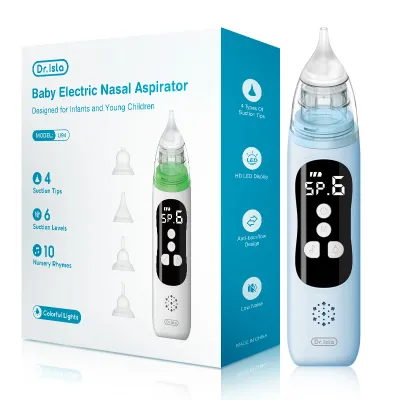
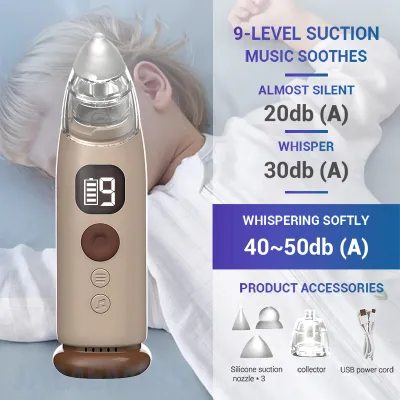
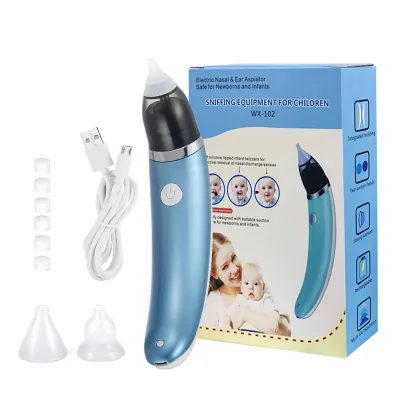
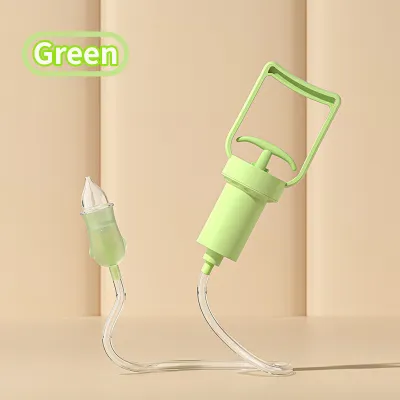
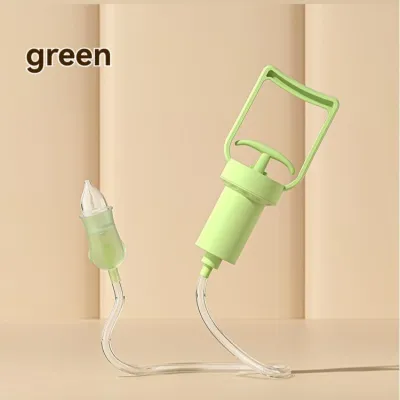
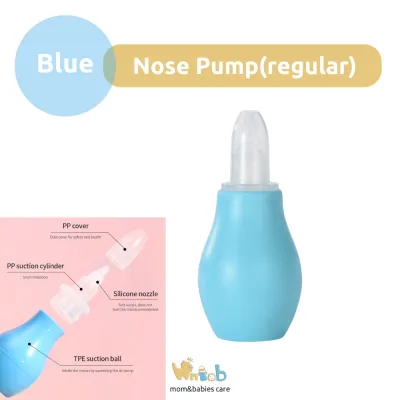
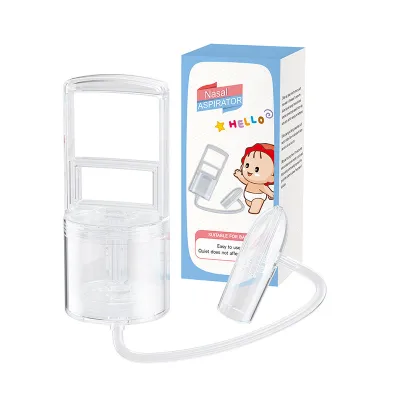
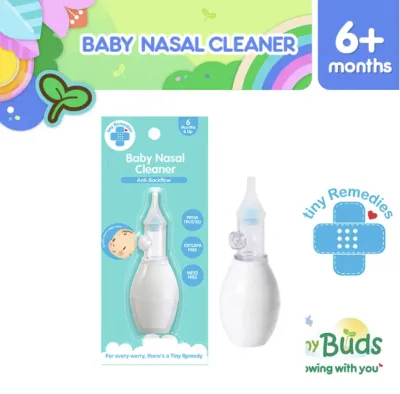
Prices are valid at publication and may change. Please refer to the product page for the latest price.

When a caregiver applies excessive suction or inserts an aspirator tip too deeply, the risks to these delicate tissues are substantial. Aggressive suction can cause mucosal micro-tears, leading to nosebleeds and localized inflammation. Ironically, this physical irritation often triggers reactive swelling of the nasal tissues, which actually worsens the baby’s congestion and makes breathing even more difficult. Additionally, the lining of a newborn’s nose is highly sensitive to friction; rough or rigid plastic tips can easily scrape the nasal canal if the baby wiggles. Therefore, the primary objective of safe nasal aspiration is to remove obstructing mucus from the very entry of the nostril with minimal tissue contact and the lowest effective vacuum force, rather than trying to vacuum deep inside the nasal cavity.
Bulb Syringes: Safety Profile and Common Risks
The classic rubber bulb syringe is a household staple, often costing under ₱150 and widely available in local pharmacies. Its simple, one-piece design requires no batteries, charging cables, or replacement filters, making it a highly accessible option for quick use. To operate it, you simply compress the bulb, insert the tip into the nostril, and release the bulb to create a vacuum that draws mucus into the chamber.
Despite their popularity, bulb syringes carry several distinct safety and hygiene risks that make them less ideal for newborns:
- Unpredictable Suction Control: It is exceptionally difficult to modulate the vacuum force of a rubber bulb. A sudden, forceful release of the bulb can generate a sharp spike in suction that is far too aggressive for a newborn's fragile mucosal lining.
- Severe Hygiene Hazards: Because these bulbs are opaque and molded as a single piece, you cannot see inside them. Moisture from nasal secretions and washing becomes trapped in the dark, warm interior. Over time, this creates an ideal environment for mold, mildew, and bacterial colonies to grow. Squeezing a contaminated bulb near a baby's nose can aerosolize these pathogens, potentially introducing harmful bacteria back into their respiratory tract.
- Rigid Tips: Many traditional bulb syringes feature firm, tapered tips that do not yield when the baby moves, increasing the risk of accidental bruising or scraping if the infant startles.
If you must use a bulb syringe, select a model that can be split open for thorough cleaning, or treat the traditional one-piece models as disposable items that must be replaced frequently. Always compress the bulb completely before gently placing the tip at the entrance of the nostril to avoid blowing air directly into the baby’s nose.
Manual Suction Aspirators: Safety and Hygiene Considerations
Manual suction aspirators, often referred to as siphon-style or mouth-operated aspirators, consist of a soft silicone tip, a lightweight collection chamber, a flexible tube, and a mouthpiece for the caregiver. These devices generally range from ₱200 to ₱600 in the Philippines. To use this device, you place the soft tip at the opening of your baby’s nostril and gently inhale through the mouthpiece to draw the mucus into the collection chamber.
From a safety perspective, manual aspirators offer several outstanding benefits:
- Natural Suction Modulation: Your own lung capacity provides unmatched control over the suction force. You can start with an incredibly gentle draw and slowly increase the pressure only as much as needed to move the mucus, allowing you to react instantly if the baby flinches or shows discomfort.
- Visual Monitoring: The collection chamber and tubing are completely transparent, allowing you to inspect the color, consistency, and volume of the mucus, which can be useful information to share with your pediatrician.
- Soft, Non-Invasive Tips: These devices typically feature wide, soft silicone tips designed to sit at the entrance of the nostril rather than penetrating deep into the nasal canal, significantly reducing the risk of tissue trauma.
The primary safety risk associated with manual aspirators is cross-contamination. If the internal hygiene filter is missing, worn out, or improperly installed, there is a risk that the caregiver could inhale airborne pathogens or mucus particles. To maintain safety, you must strictly follow the manufacturer’s instructions regarding filter replacement, wash all components in warm, soapy water after every use, and ensure the tubing is completely dry before reassembly to prevent mold growth.
Electric Nasal Aspirators: Suction Control and Device Safety
Electric nasal aspirators are battery-operated or rechargeable devices that provide continuous, automated suction at the push of a button. In the local market, these devices represent a premium segment, typically ranging from ₱1,000 to ₱3,500 or more. They generally come with multiple detachable silicone tips of varying sizes and shapes to accommodate growing infants.
The advantages of electric aspirators center on convenience and consistency:
- One-Handed Operation: Because the device generates its own suction, you have one hand completely free to cradle your baby's head or gently hold their hands, which is highly beneficial if the infant is fussy.
- Standardized Safety Limits: Quality electric models are engineered with maximum suction limits to prevent accidental over-suctioning, and many offer multiple adjustable power levels.
- Easy Sanitation: The mucus collection cup and silicone tips detach easily and can usually be boiled or sterilized according to the manufacturer's guidelines.
However, electric aspirators present unique safety challenges that caregivers must navigate. Cheap, unbranded electric models may lack regulated suction limits, potentially delivering a continuous vacuum that is too powerful for a newborn. Additionally, the motor’s hum and vibration can easily startle a 0-3 month old baby. If the baby thrashes or turns their head suddenly while the motorized tip is inside the nostril, it can cause localized bruising or minor nosebleeds. To maximize safety, always test the suction on your own inner wrist first, use only the lowest power setting, and ensure you are using a soft silicone tip specifically sized for newborns.
Step-by-Step Guide to Safe Nasal Aspiration for Newborns
Performing nasal suctioning on a newborn requires patience, a gentle hand, and a structured approach to minimize the risk of tissue irritation. Always read your specific device’s instruction manual before use, and follow these practical steps to ensure a safe experience:
- Prepare with Saline: Before introducing any suction device, place 1 to 2 drops of sterile, preservative-free saline solution into each nostril. Saline is crucial because it hydrates and loosens dry or sticky mucus, allowing it to slide out easily with minimal suction force. This step is especially important in air-conditioned rooms where the air is dry. Wait about 30 to 60 seconds after applying the drops to let the saline work.
- Position the Baby Correctly: Lay your baby on their back on a flat, secure surface, such as a changing table or bed. Gently support and slightly elevate their head with a folded towel or your hand to prevent them from choking on loosened secretions.
- Insert the Tip Gently: Hold the aspirator tip and place it gently at the very opening of the baby's nostril. Do not push the tip deep into the nasal passage. The tip should create a gentle seal at the nostril entrance rather than entering the canal. Point the tip slightly outward toward the ear or the side of the nose rather than straight up, as this avoids direct contact with the highly sensitive nasal septum.
- Apply Controlled Suction: If using a manual aspirator, inhale gently through the mouthpiece. If using an electric model, turn it on to the lowest setting and apply suction for no more than 2 to 3 seconds at a time. If using a bulb syringe, release your thumb slowly to draw the mucus in.
- Observe Frequency Limits: Limit nasal suctioning to 2 or 3 times a day, ideally right before feeding times or bedtime. Suctioning too frequently can irritate the delicate nasal lining, causing rebound swelling that makes the baby feel even more congested.
- Sanitize the Device Thoroughly: Immediately after use, disassemble all parts of the aspirator. Wash them thoroughly with warm, soapy water, using a small brush if provided by the manufacturer. Rinse completely and allow all components to air-dry in a clean, well-ventilated space. If the manufacturer's manual permits, sterilize the silicone tips regularly.
When to Stop Suctioning and Seek Pediatric Care
While mild nasal congestion is common in newborns, nasal suctioning is a supportive measure rather than a medical cure. It is vital to recognize when to stop using home devices and seek professional medical evaluation.
Stop suctioning immediately if you observe any of the following signs:
- The baby exhibits extreme distress, panic, or struggles excessively during the process.
- You notice blood or pink-tinged discoloration in the extracted mucus, which indicates the suction is too strong or the tissue has been scraped.
- The skin around the nostrils or the visible nasal tissue inside appears bright red, swollen, or inflamed.
You should consult a pediatrician promptly if your newborn’s congestion does not improve after a few days, or if it is accompanied by any of these symptoms:
- A fever (a rectal temperature of 38°C or higher is a medical emergency for newborns).
- Signs of respiratory distress, such as rapid breathing, flaring nostrils, chest retractions (the skin pulling in tightly around the ribs or collarbone), or audible grunting.
- Difficulty feeding, poor latching, or a noticeable decrease in wet diapers, which suggests the congestion is severely impacting their ability to swallow and hydrate.
- Persistent lethargy, unusual sleepiness, or inconsolable crying.
Disclaimer: This guide is intended for general educational and safety purposes only. It does not replace professional medical advice, diagnosis, or treatment. Always consult your pediatrician or a qualified healthcare professional regarding any concerns about your newborn’s health, breathing, or medical care.
Frequently Asked Questions (FAQ)
Can I use a nasal aspirator on a newborn every day?
You should avoid using a nasal aspirator on a newborn on a rigid daily schedule. Nasal suctioning should only be performed when there is visible or audible mucus that is actively interfering with your baby’s ability to breathe, feed, or sleep comfortably. Using an aspirator multiple times every day can dry out and irritate the delicate nasal mucosa, leading to chronic inflammation and increased mucus production. For mild congestion or dry nasal passages, rely instead on a cool-mist humidifier in the nursery or use simple saline drops without suction to help the baby sneeze out the mucus naturally.
Are electric nasal aspirators safe for 0-3 month olds?
Electric nasal aspirators can be safe for infants aged 0 to 3 months, provided they are designed with adjustable, low-suction settings and include extra-soft, newborn-sized silicone tips. However, because newborns have exceptionally delicate nasal passages and are easily startled by motor noises and vibrations, many pediatricians recommend using manual, mouth-operated aspirators during the first few weeks of life. If you choose an electric model, always verify the manufacturer’s minimum age recommendations, test the suction force on your own skin first, and use only the gentlest setting.
How do I know if the suction is too strong?
You can identify excessive suction by closely monitoring your baby’s physical responses and the condition of their nasal secretions. Signs that the suction is too intense include the baby crying out in sudden pain, visible redness or swelling around the nostril rims, or the appearance of blood-tinged mucus in the collection chamber. Additionally, if your baby’s congestion seems to worsen immediately or shortly after suctioning, this is often a sign of reactive tissue swelling caused by excessive vacuum pressure.

Community discussion
Share your experience or ask a question. Comments are reviewed before publication.