
Choosing the right nasal aspirator for a toddler is a common challenge for parents, especially when dealing with the stubborn congestion that accompanies seasonal weather changes, urban dust, or common childhood colds. The ideal nasal aspirator for a toddler is one that balances effective suction power, precise parent control, and the child’s sensory tolerance. Unlike infants, toddlers are highly active, more resistant to physical restraint, and possess wider nasal passages that produce thicker, more stubborn mucus.
For most parents, manual (mouth-suction) nasal aspirators emerge as the overall best option because they offer unmatched, real-time control over suction strength, allowing you to clear thick congestion quickly before a toddler grows impatient. However, electric nasal aspirators are an excellent alternative for parents who prefer a consistent, automated draw and want a hands-free option to help manage a squirming child. Traditional bulb syringes remain a low-cost, highly portable choice for mild, watery secretions, though they offer the least control and present significant cleaning challenges. Finding the right fit requires looking closely at your child’s temperament, the frequency of their congestion, and how comfortable you are with operating each device.
Quick Guide: Matching Aspirator Types to Your Toddler's Needs
Selecting a nasal aspirator for a toddler involves assessing how well the device matches your daily routine, your budget, and your child’s comfort level. Toddlers are notorious for resisting nasal clearing, so matching the device to their specific behavioral patterns and the type of congestion they experience can save both time and tears.
Products mentioned in this guide
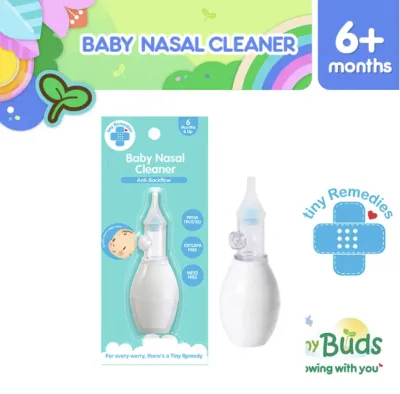
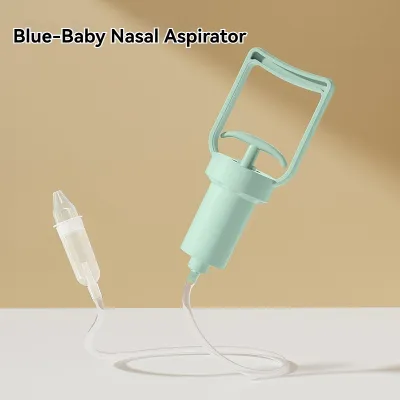
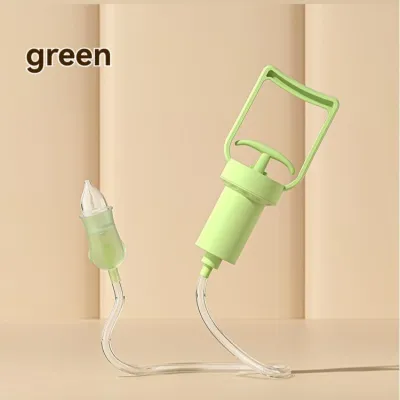
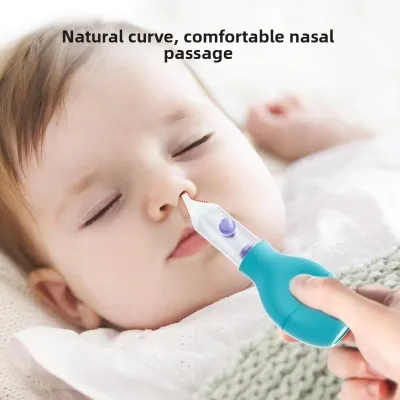
Prices are valid at publication and may change. Please refer to the product page for the latest price.
To help you make an immediate, informed decision, the table below compares the three primary types of nasal aspirators available on the market, highlighting their suitability, control mechanisms, maintenance needs, and typical price ranges in the Philippines.
| Aspirator Type | Best Suited For | Suction Control | Cleaning & Maintenance | Average Price Range |
|---|---|---|---|---|
| Bulb Syringe | Mild, watery mucus; quick, occasional use; budget-conscious parents. | Low (fixed suction based on manual squeeze) | High difficulty; opaque body makes visual inspection for mold impossible. | ₱50 – ₱200 |
| Manual (Mouth-Suction) | Thick, stubborn congestion; parents wanting precise, gentle control. | High (directly controlled by the parent's inhalation force) | Low difficulty; fully disassembles for washing; requires replacement filters. | ₱300 – ₱800 |
| Electric Aspirator | Frequent congestion; squirming toddlers; parents who prefer automated convenience. | Moderate (multiple preset motor speeds) | Medium difficulty; requires chamber washing and battery replacement or charging. | ₱1,000 – ₱3,500+ |
While a basic bulb syringe might suffice for an occasional runny nose, parents dealing with chronic congestion or allergies often find that investing in a manual or electric model provides a much more efficient and less stressful experience. The right choice ultimately depends on whether you prioritize absolute control over suction, automated ease of use, or maximum portability.
Bulb, Manual, or Electric: Comparing the Main Aspirator Types
As infants transition into toddlerhood, their physical strength and sensory awareness increase dramatically. A tool that worked seamlessly during their first few months of life may suddenly spark intense resistance. Understanding how each aspirator type functions, along with its specific benefits and drawbacks, is key to choosing a device that minimizes distress for both you and your toddler.

Bulb Syringes: The Traditional Option
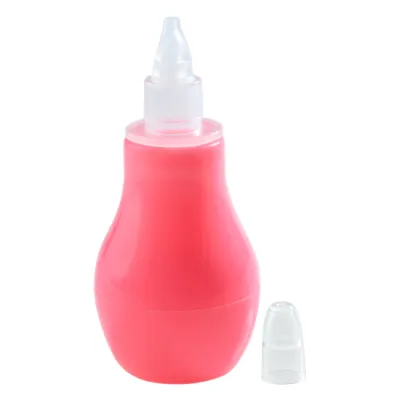
The classic rubber bulb syringe is the most familiar nasal clearing tool, frequently provided by hospitals and widely sold in local pharmacies across the Philippines. Its design is incredibly straightforward, consisting of a single, hollow rubber or silicone bulb attached to a tapered nozzle.
To operate a bulb syringe, you compress the bulb to expel the air, gently insert the tip into the entry of the toddler’s nostril, and rapidly release your grip. The resulting vacuum draws mucus out of the nasal passage and into the bulb. Because they are inexpensive, lightweight, and require no batteries or external parts, they are highly convenient for travel or keeping in a diaper bag for emergencies.
However, bulb syringes carry distinct disadvantages when used on toddlers. The suction force is entirely dependent on how quickly you release the compressed bulb, making it difficult to gauge or adjust the pressure. If the suction is too sudden or intense, it can startle a toddler or cause discomfort against their sensitive nasal tissues. Conversely, if the release is too slow, it may fail to extract thick, sticky mucus.
Furthermore, traditional bulb syringes present a major hygiene hazard. Because the body is typically opaque and molded as a single piece, the interior is nearly impossible to clean or dry completely. Over time, the dark, damp environment inside the bulb becomes a breeding ground for mold and bacteria. If you choose a bulb syringe, look for modern designs that twist apart in the middle for easy washing, and always verify that the material is completely BPA-free and latex-free.
Manual (Mouth-Suction) Aspirators: Controlled and Portable
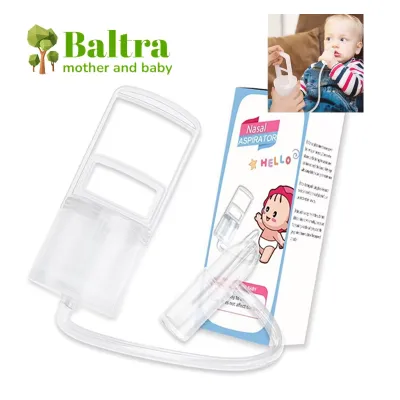
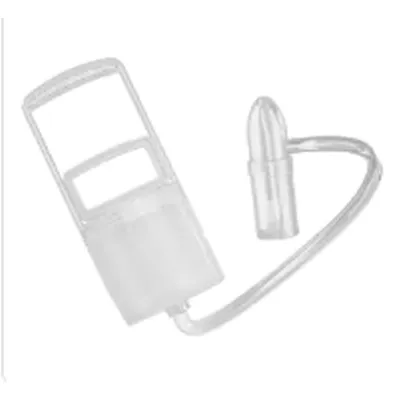
Manual nasal aspirators, often referred to as mouth-suction aspirators, have become highly popular among parents due to their superior efficiency and safety. These devices consist of a soft silicone tip that rests against the toddler’s nostril, a flexible plastic tube, a central collection chamber, and a mouthpiece for the caregiver.
To use this device, you place the mouthpiece in your mouth and gently inhale. This action creates a vacuum that draws mucus directly out of the toddler’s nose and into the collection chamber. The primary advantage of this design is the absolute control it grants the parent. You can instantly adjust the suction force in response to your toddler’s comfort and the thickness of the mucus, applying a very soft draw for light blockages or a stronger, steady pull for deep, stubborn congestion.
Despite their high efficacy, many parents hesitate to use manual aspirators due to hygiene concerns, fearing they might accidentally inhale mucus or pathogens. To address this, reputable manufacturers design these devices with built-in, high-quality physical filters or protective chambers. These medical-grade foam filters completely block mucus, bacteria, and moisture from traveling up the tube, ensuring that nothing reaches the parent’s mouth.
Manual aspirators are highly portable, quiet, and exceptionally easy to clean because they disassemble completely into simple parts. However, they do require the caregiver to be comfortable with the mouth-suction method, and parents must factor in the minor ongoing cost of purchasing replacement hygiene filters as recommended by the manufacturer.
Electric Aspirators: Hands-Free and Consistent
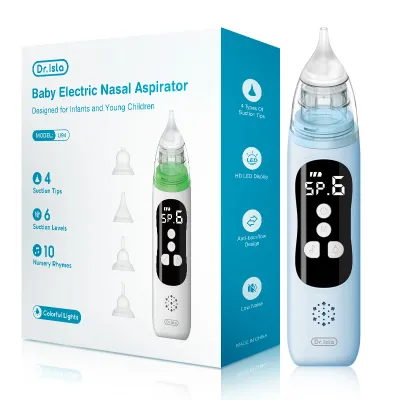
Electric nasal aspirators utilize a small, battery-operated or USB-rechargeable motor to generate continuous suction. They are designed for maximum convenience, allowing parents to clear nasal passages quickly with the simple press of a button.
One of the greatest benefits of an electric model is that it provides steady, consistent suction without requiring any physical effort from the parent. Because you do not need to squeeze a bulb or inhale through a tube, you can use one hand to operate the device while keeping your other hand free to gently soothe, stabilize, or distract a squirming toddler. Many modern electric aspirators also feature built-in child-friendly distractions, such as soft LED lights that change color or cheerful pre-programmed melodies, which can help reduce anxiety and make the process feel like a game.
On the downside, electric aspirators represent a much higher initial financial investment, with quality models ranging from ₱1,000 to over ₱3,500. They also rely on consistent battery power or charging, which can be inconvenient if the device loses power during a middle-of-the-night congestion emergency. Additionally, some parents find that the motorized suction of consumer-grade electric models is slightly weaker than the sudden, powerful draw that can be achieved with a manual mouth-suction device, particularly when dealing with highly dense, dried mucus.
When shopping for an electric aspirator, it is crucial to check the motor’s noise level. A loud, vibrating device held close to a toddler’s face can easily trigger fear, making future nasal clearing sessions much more difficult. Look for models that specify quiet operation (ideally below 60 decibels) to ensure a calmer experience.
Key Features to Check Before You Buy
Before purchasing any nasal aspirator for your toddler, it is essential to look beyond the branding and carefully evaluate specific design features. Because a toddler’s nasal passages are highly vascular and easily irritated, choosing a device with the wrong specifications can lead to physical discomfort or minor tissue damage.
- Suction Control: Look for devices that offer adjustable settings. For electric models, verify that the device has multiple suction levels (such as low, medium, and high) so you can start with the gentlest setting and increase power only as needed. For manual models, ensure the mouthpiece is ergonomically designed to allow you to modulate your inhalation effortlessly.
- Tip Design and Material: The tip of the aspirator must be made of soft, flexible, medical-grade silicone. Hard plastic tips should be avoided entirely, as they can easily scratch or bruise the delicate inner lining of the nose if your toddler suddenly jerks their head. Additionally, check the manufacturer's packaging for age and size recommendations; toddlers require a wider, more tapered tip than infants to prevent the tip from inserting too deeply while still maintaining an airtight seal.
- Ease of Cleaning: To prevent the growth of mold, mildew, and harmful bacteria, choose an aspirator that can be completely disassembled. Verify whether the parts are dishwasher-safe or can be sterilized in boiling water, according to the manufacturer's specific care instructions. Avoid any design with sealed, narrow cavities that cannot be reached with a small cleaning brush or dried completely.
- Filter System: If you opt for a manual mouth-suction aspirator, check the availability and cost of replacement filters. Ensure that the filter design is robust enough to prevent any cross-contamination and that replacement packs are easily accessible from reliable local retailers or online marketplaces.
- Safety and Compliance: Do not assume a product is safe simply because it is marketed for babies. Look for recognized medical device registrations or baby product safety certifications on the packaging. Ensure all plastic and silicone components are certified food-grade, BPA-free, phthalate-free, and lead-free.
Safe Usage and Cleaning Practices for Toddler Comfort
Using a nasal aspirator correctly is just as important as choosing the right type. Because toddlers can be highly resistant to the process, establishing a gentle, systematic routine will help minimize their discomfort, protect their nasal tissues, and ensure the device remains perfectly hygienic.
Step 1: Soften the Mucus
In the warm, tropical climate of the Philippines, air-conditioned bedrooms can dry out a toddler’s nasal passages overnight, turning mucus into hard, stubborn crusts. Attempting to suction dry mucus is highly ineffective and can cause pain or minor bleeding. Always begin by applying one to two drops of pediatrician-approved saline solution or a gentle saline nasal spray into each nostril. Have your toddler sit upright, and wait approximately one to two minutes to allow the saline to thoroughly moisten and loosen the congestion before you begin suctioning.
Step 2: Mind the Frequency Limits
While it can be tempting to clear your toddler’s nose every time you hear a sniffle, over-suctioning can irritate the delicate nasal mucosa. This irritation can cause local swelling, inflammation, and ironically, trigger the body to produce even more mucus. Limit the use of a nasal aspirator to key moments in your toddler’s daily routine, such as right before bedtime, before naps, or before meals to help them breathe and swallow comfortably. Generally, avoid suctioning more than three to four times a day unless explicitly directed by your pediatrician.
Step 3: Observe Safe Insertion Depth
Never force the tip of the aspirator deep into your toddler’s nasal cavity. The tip is designed to sit gently at the very opening of the nostril, just deep enough to form a complete seal against the rim. Let the suction draw the mucus out naturally. If your toddler is squirming, gently cradle their head against your body or seek the assistance of another caregiver to prevent sudden movements that could cause the tip to scrape the inside of the nose.
Step 4: Execute a Thorough Cleaning Routine
Immediately after each use, disassemble all removable parts of the aspirator. Wash them thoroughly with warm, soapy water, using a small cleaning brush to clear out any residue from the narrow channels. Rinse every part completely with clean water. In highly humid environments, mold can develop rapidly on damp surfaces; therefore, lay all washed parts out on a clean, dry towel in a well-ventilated area to air-dry completely before reassembling or storing them. Replace single-use filters or worn-out silicone tips exactly as directed by the manufacturer’s instruction manual.
When to Stop and Seek Professional Help
Nasal aspirators are designed to provide temporary relief for simple, uncomplicated congestion. You should immediately stop using the device and consult a pediatrician or seek professional medical care if you observe any of the following warning signs:
- Signs of respiratory distress, such as rapid breathing, flared nostrils, grunting sounds, or chest retractions (where the skin pulls in tightly around the ribs or collarbone when breathing).
- Frequent or persistent nasal bleeding.
- Congestion that lasts for more than ten days without improvement, or is accompanied by a high fever, lethargy, or severe ear pain.
- Signs of dehydration, such as producing significantly fewer wet diapers, crying without tears, or refusing to drink fluids—a critical concern in warm tropical climates.
Frequently Asked Questions (FAQ)
Can I use a newborn nasal aspirator for a toddler?
While the basic suction mechanism of an infant aspirator is identical to one designed for older children, the tip size and shape differ significantly. Newborn aspirators feature very narrow tips tailored for tiny nostrils. If used on a toddler, these small tips can easily slip too deep into the nasal cavity, increasing the risk of tissue irritation. Additionally, a tip that is too small will fail to form the airtight seal necessary to draw out the thicker, heavier mucus typical of toddlers. Always check the manufacturer’s age guidelines and utilize the wider, toddler-specific tips provided with your device to ensure both safety and efficacy.
How often should I suction my toddler's nose?
To protect your toddler’s delicate nasal lining from swelling and inflammation, you should limit nasal suctioning to three or four times per day. It is best to schedule these sessions around critical times, such as right before meals or sleeping, when clear airways are most necessary for your child’s comfort. For mild congestion throughout the day, avoid relying solely on the aspirator; instead, use pediatrician-approved saline drops, encourage your toddler to sit in a warm, steamy bathroom, or run a cool-mist humidifier in their bedroom to help naturally loosen and drain mucus.

Community discussion
Share your experience or ask a question. Comments are reviewed before publication.