
Selecting the right Momwell breast pump depends heavily on your daily routine, how often you plan to pump, and your specific comfort needs. While some mothers require a heavy-duty double electric pump to maintain their milk supply while working, others may only need a simple manual pump for occasional relief. Finding the perfect match ensures a comfortable, efficient breastfeeding journey that fits seamlessly into your lifestyle.
Every mother’s lactation journey is unique, meaning the ideal pump for one person might not suit another. Factors such as your return-to-work schedule, the amount of time you can dedicate to each pumping session, and your budget all play critical roles in this decision. By understanding the key differences between the available models, you can make an informed investment that supports your feeding goals without causing unnecessary stress.
Quick Guide: Match Your Pumping Routine to the Right Type
Identifying your primary pumping routine is the first step in narrowing down your choices. Mothers generally fall into one of three categories: exclusive pumpers, working mothers who need to pump discreetly throughout the day, or stay-at-home mothers who pump occasionally to build a small freezer stash or relieve engorgement. Matching your specific profile to the corresponding pump type saves time and prevents the frustration of using a tool not designed for your daily demands.
Products mentioned in this guide
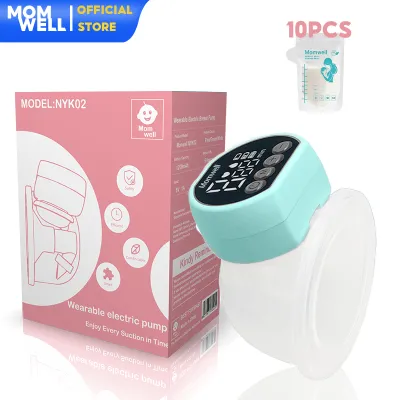
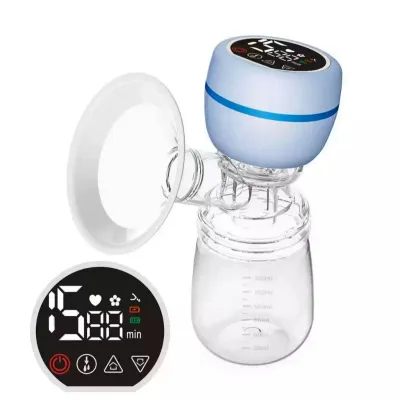
Prices are valid at publication and may change. Please refer to the product page for the latest price.
Exclusive pumpers require a robust, highly efficient setup. Because these mothers rely entirely on a pump to stimulate and maintain their milk supply, they need a high-performance double electric pump that can withstand multiple daily sessions. For this routine, prioritizing motor durability, customizable suction cycles, and double-pumping capabilities is essential to ensure long-term success and prevent supply drops.
Working mothers and those who are constantly on the move require a balance of portability and discretion. Commuting, attending meetings, or managing daily errands in the Philippines makes a bulky, loud pump highly impractical. Wearable pumps or highly compact electric models with rechargeable batteries allow these mothers to maintain their pumping schedules without feeling tethered to an electrical outlet or restricted to a private room.
Stay-at-home mothers who primarily breastfeed directly but want occasional flexibility benefit most from a simple manual pump or a basic single electric model. These pumps are excellent for extracting milk when the baby sleeps through a feed or for relieving breast fullness. They require minimal setup, are highly affordable, and do not demand the heavy maintenance or high financial investment of advanced electric systems.
When choosing a pump, you must weigh the trade-off between convenience and suction efficiency. Wearable, tubeless pumps offer unmatched freedom of movement, but they often feature slightly less peak suction power and smaller milk collection cups than traditional electric models. Conversely, standard electric pumps provide maximum suction and faster milk expression but require you to remain relatively stationary during use. Understanding this balance helps set realistic expectations for your daily pumping experience.
Key Features to Evaluate Based on Your Needs
To select the most suitable Momwell model, you must evaluate several technical and practical features against your daily environment. Looking beyond basic aesthetics allows you to assess how a pump will perform under specific conditions, such as during a long commute or during late-night pumping sessions at home. Focusing on portability, efficiency, and long-term costs will guide you to a model that fits your lifestyle.

Portability and Discretion for On-the-Go Moms
For mothers who pump outside the home, the physical weight and noise level of the pump motor are critical considerations. A heavy motor unit can make your diaper bag or work tote uncomfortably heavy, while a loud, buzzing motor can cause embarrassment in shared office spaces or public lactation rooms. When comparing models, look for those that specify a low decibel rating—ideally under 50 decibels—to ensure your sessions remain as quiet and private as possible.
Power options represent another vital aspect of portability. While plug-in adapters are reliable for home use, they limit your pumping locations to areas with accessible wall outlets. Models equipped with built-in rechargeable lithium-ion batteries offer far greater flexibility. If you opt for a rechargeable model, verify the estimated battery life per charge; a pump that can run for at least 90 to 120 minutes will easily cover a full day of pumping at work without requiring a mid-day recharge.
In the Philippines, where daily commutes can involve long periods in traffic or public transit, having a pump that charges via a standard USB or USB-C port is highly advantageous. This feature allows you to charge your pump using a standard power bank, a laptop, or a car charger, ensuring you are never left with a dead battery. Additionally, check the physical dimensions of the pump motor and whether the manufacturer includes a dedicated, discreet carrying case to keep your equipment organized and protected from dust and humidity.
Efficiency and Frequency for Exclusive Pumpers
If you are pumping exclusively, double pumping capabilities are non-negotiable. Research indicates that double pumping not only halves the time spent during a session but also stimulates a higher volume of milk with a richer fat content compared to single pumping. This is because simultaneous stimulation of both breasts triggers a stronger prolactin and oxytocin response, which is crucial for maintaining a robust milk supply over several months.
Adjustable suction levels and distinct operational modes are equally important for high-frequency users. A quality electric pump should feature a stimulation or massage mode, which utilizes fast, shallow cycles to mimic a baby’s initial rapid sucking that triggers the milk letdown reflex. Once milk begins to flow, the pump should allow you to switch to an expression mode, which features slower, deeper suction cycles to draw out milk efficiently without causing discomfort.
Before finalizing your purchase, review the product specifications for cycle speed and maximum vacuum pressure, typically measured in millimeters of mercury (mmHg). For high-frequency use, look for a pump that offers a range of suction levels up to approximately 250 to 300 mmHg. Having fine control over these settings allows you to customize each session to your comfort level, preventing nipple soreness while maximizing milk output.
Budget and Long-Term Maintenance Costs
While the upfront purchase price of a breast pump is a primary consideration, you must also evaluate the total cost of ownership over your entire breastfeeding journey. Manual pumps and basic single electric models are highly budget-friendly initially, making them accessible options for many families. However, if your pumping needs increase over time, you may find yourself needing to upgrade to a more advanced model, ultimately spending more than if you had invested in a double electric pump from the start.
Advanced wearable pumps carry a higher initial price tag due to their compact technology, integrated motors, and specialized rechargeable batteries. For working mothers, this higher upfront cost is often justified by the convenience and time saved. However, you must also factor in the ongoing cost of consumable parts. Silicone components, such as duckbill valves, diaphragms, and tubings, are subject to wear and tear and must be replaced regularly to maintain proper suction and hygiene.
Before choosing a specific Momwell model, research the availability and pricing of its specific replacement parts in the Philippines. Some models utilize proprietary valves or specialized flanges that can be more expensive or difficult to source locally. Opting for a model with readily available, reasonably priced replacement parts ensures that you can quickly restore your pump’s performance without experiencing prolonged downtime that could negatively impact your milk supply.
Understanding Momwell's Pump Categories
Momwell offers several distinct categories of breast pumps designed to cater to different lifestyles and budgets. By understanding the design philosophy, advantages, and limitations of each category, you can quickly eliminate unsuitable options and focus on the models that align with your daily routine.
Manual Pumps for Occasional Use
Manual breast pumps are operated entirely by hand, utilizing a manual lever or handle to create suction. This category is ideal for mothers who primarily breastfeed directly and only need a pump for occasional situations, such as when they need to step away from the baby for a few hours or want to express a small amount of milk to mix with solid foods. They are also highly useful for relieving breast engorgement during the early weeks postpartum when milk supply is stabilizing.
- Benefits: Manual pumps are incredibly lightweight, compact, and completely silent, making them highly discreet for travel. They do not require electricity, batteries, or charging cables, ensuring they are always ready for use. Additionally, they are the most affordable pump category, making them an excellent low-risk entry point for new mothers.
- Limitations: Because suction is generated by manual hand squeezing, using a manual pump requires continuous physical effort. This can lead to hand and wrist fatigue, especially during longer sessions. Consequently, manual pumps are not sustainable or efficient for exclusive pumping or high-volume daily use.
Standard Electric Pumps for Daily Routine
Standard electric breast pumps feature a central motor unit connected to the breast shields and collection bottles via thin silicone tubing. This design is the traditional choice for daily, consistent pumping, especially for mothers who have returned to office work and have access to dedicated lactation rooms. These units are built for durability and consistent performance over long periods.
- Benefits: Standard electric models offer powerful, consistent suction and a wide range of customizable settings. They typically feature digital screens that display session timers, battery levels, and current suction modes, allowing for precise control. Because the motor is separate from the breast shields, the parts worn on the breast are relatively lightweight and easy to position.
- Limitations: The presence of silicone tubing and a separate motor unit means you are physically connected to the device during use. While you can use a hands-free pumping bra to keep your hands free, you must still keep the motor unit nearby, which limits your ability to walk around or perform household chores during a session.
Wearable Pumps for Hands-Free Multitasking
Wearable breast pumps represent the latest innovation in lactation technology, integrating the motor, battery, and collection cup into a single, self-contained unit that fits directly inside a standard nursing bra. This tubeless design is specifically engineered for maximum mobility, allowing mothers to pump while working at a desk, caring for older children, or performing light household tasks.
- Benefits: The complete absence of external tubes and wires provides unmatched freedom of movement and high discretion. You can pump in shared spaces without drawing attention, as the unit fits entirely within your clothing. This design eliminates the feeling of being confined to a single chair during your pumping sessions.
- Limitations: Wearable pumps require a highly precise fit to maintain suction and prevent leaks, which can be challenging to achieve without practice. Because all components are housed within the wearable unit, they can feel bulkier and heavier on the breast than standard breast shields. Additionally, some wearable models may offer slightly less peak suction power than heavy-duty standard electric units, and they require careful assembly of multiple silicone parts to ensure proper operation.
What to Verify Before You Buy: Fit, Safety, and Warranty
Investing in a breast pump is a significant decision that directly impacts your physical comfort and your baby’s nutrition. Before finalizing your purchase of any Momwell model, you must verify several critical factors regarding fit, authenticity, warranty coverage, and hygiene to ensure a safe and successful pumping experience.
Flange Sizing Using the correct flange size is vital for both comfort and milk expression. The flange is the funnel-shaped plastic or silicone piece that fits over your breast and nipple. If the flange is too large, too much of your areola will be drawn into the tunnel, causing friction, swelling, and blocked milk ducts. If it is too small, your nipple will rub against the sides of the tunnel, resulting in painful chafing, blisters, and reduced milk flow. To find your correct size, measure the diameter of your nipple base (excluding the areola) before pumping, and select a flange or silicone insert that is 2mm to 3mm larger than your measurement. Check if the Momwell model you are considering includes multiple flange sizes in the box or if compatible sizing inserts are readily available.
Authenticity and Retailer Verification Due to the popularity of quality breast pumps, counterfeit products and unauthorized replicas are common in online marketplaces. Counterfeit pumps pose severe safety risks, as they may use non-food-grade plastics containing harmful chemicals like BPA, or lack proper closed-system barriers, allowing milk to enter the motor and cultivate mold. To protect your health and your baby’s safety, purchase your Momwell pump only from authorized retailers, official brand websites, or verified flagship stores on major e-commerce platforms. Authentic products will feature clear branding, batch numbers, and high-quality packaging.
Warranty and After-Sales Support An electric breast pump is a mechanical device with electronic components that can occasionally experience issues. Before buying, verify the warranty terms offered for the specific Momwell model in the Philippines. Ensure you understand what the warranty covers—typically, it covers manufacturing defects in the motor unit for a period of one year, while excluding normal wear and tear of silicone consumables. Keep your official receipt, warranty card, and original packaging, and confirm the process for contacting local customer support or claiming a replacement should the motor malfunction.
Hygiene Protocols Because breast milk is a biological fluid, maintaining strict hygiene is essential to prevent the growth of harmful bacteria. Before purchasing, review the manufacturer’s cleaning and sterilization guidelines for all parts that come into contact with milk. In the warm, humid climate of the Philippines, damp pump parts can quickly harbor mold. Ensure that the silicone and plastic components of your chosen model can withstand standard sterilization methods, such as boiling water, steam sterilizers, or UV sterilizers, without warping or degrading. Always allow all parts to air dry completely on a clean surface before reassembling your pump.
Frequently Asked Questions (FAQ)
Can I use third-party replacement parts with my Momwell pump?
Using third-party replacement parts, such as generic silicone valves, diaphragms, or tubing, is generally not recommended. While generic parts may appear identical and are often less expensive, minor variations in dimensions or material elasticity can significantly alter the suction dynamics of your pump. This can lead to a noticeable drop in suction efficiency, causing incomplete breast emptying and a subsequent decline in your milk supply.
Furthermore, ill-fitting third-party parts can cause milk to back up into the tubing or the motor unit, compromising the pump’s closed-system hygiene and potentially causing permanent motor damage. Utilizing non-genuine accessories may also void your manufacturer’s warranty. To ensure optimal performance, safety, and longevity of your device, always purchase genuine replacement parts designed specifically for your Momwell model.
How do I measure my nipple for the correct Momwell flange size?
To measure your nipple accurately, use a ruler, a measuring tape, or a printable circular sizing tool. Measure the diameter of the base of your nipple where it meets the areola, making sure to measure only the nipple itself and not the surrounding darker skin. It is best to take this measurement when your nipples are stimulated and erect, as their size can change during stimulation.
Once you have the measurement in millimeters, add 2mm to 3mm to determine your ideal flange size. For example, if your nipple base measures 17mm, a 19mm or 20mm flange or silicone insert will likely provide the most comfortable fit. Keep in mind that your nipple size can change during the postpartum period, and it is common for your left and right nipples to require different flange sizes. If you experience persistent pain or a sudden drop in milk output, re-measure your nipples and consult an International Board Certified Lactation Consultant (IBCLC) for personalized guidance.
Are breast pumps covered by HMOs or health insurance in the Philippines?
In the Philippines, standard health insurance policies and Health Maintenance Organization (HMO) plans generally do not cover the purchase of breast pumps as a standard maternity benefit. Most local plans categorize breast pumps as personal care items or elective durable medical equipment rather than essential medical treatments, meaning they are typically paid for out-of-pocket by the family.
However, some premium corporate health accounts, executive wellness packages, or flexible spending accounts (FSA) provided by multinational employers may offer allowances for maternity essentials or newborn care equipment. To determine if you are eligible for reimbursement, contact your HMO representative or your employer’s Human Resources department directly. If coverage is possible, ensure you obtain a formal prescription for a breast pump from your attending obstetrician or pediatrician, and request a detailed official receipt from an authorized retailer to support your claim.

Community discussion
Share your experience or ask a question. Comments are reviewed before publication.