
Choosing how to express breast milk is one of the most significant decisions you will make during your early parenting journey. The choice between a manual and an electric breast pump is not about finding a universally superior machine; instead, it is about matching a tool to your daily routine, physical comfort, feeding goals, and financial plan. Your pumping experience will directly impact your milk supply, your daily schedule, and your overall well-being, making it essential to understand how each option fits into your life.
To find the right fit, consider how often you plan to express milk, where you will be pumping, and your budget. Electric breast pumps are generally highly recommended for exclusive pumpers, working mothers, or anyone needing to build a milk stash quickly, as they maximize efficiency and volume. Manual breast pumps, on the other hand, are highly effective for occasional use, relieving sudden engorgement, or navigating a strict budget. Many mothers ultimately find that using a combination of both types offers the ultimate balance of efficiency at home or work and portability while on the go.
How Manual and Electric Breast Pumps Actually Work
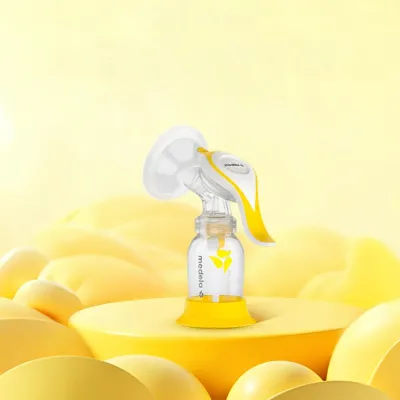
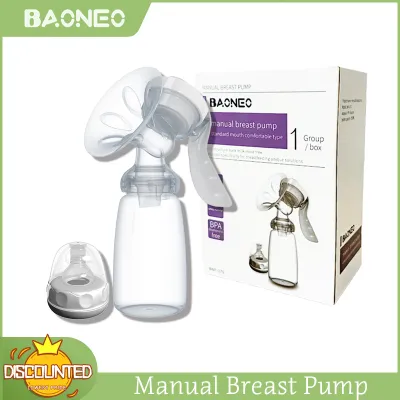
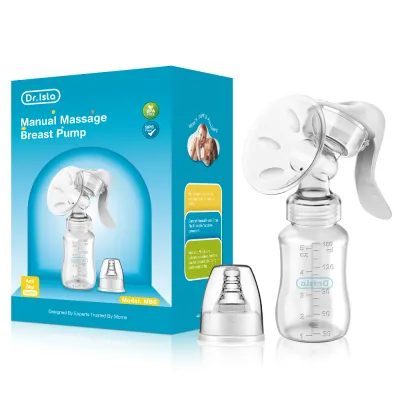
To make an informed decision, it helps to understand the mechanical differences between these two categories of breast pumps. A manual breast pump is entirely hand-operated. It consists of a breast shield (flange), a collection bottle, and a manual lever or handle. When you squeeze the handle, it creates a vacuum seal around the nipple, drawing breast milk into the bottle. Because you control the lever, you have complete command over the suction strength, speed, and rhythm, allowing you to manually mimic your baby’s natural feeding patterns.
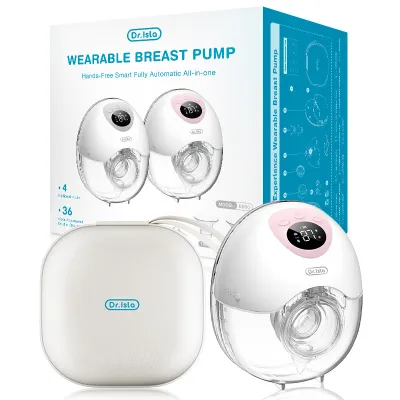
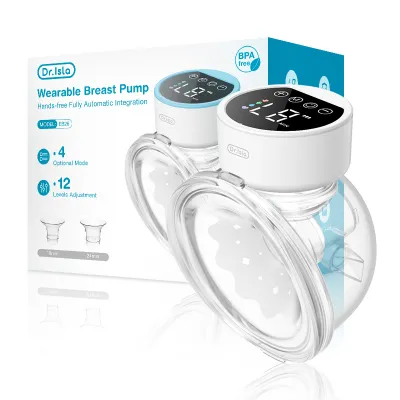
Products mentioned in this guide
![[BESTSELLER] eufy by Anker E20 Wearable Breast Pump with Warming Feature – Hands-Free Portable & Comfortable Pumping](https://img.lazcdn.com/g/p/7211fe03f7a3fcfcec7caed3e2e65742.png_400x400q80.png_.webp)
Prices are valid at publication and may change. Please refer to the product page for the latest price.
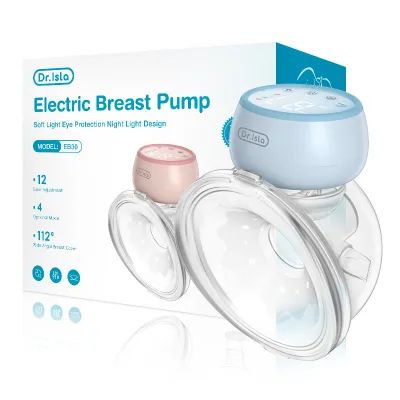
In contrast, an electric breast pump relies on an electric motor to generate negative pressure and suction. These pumps are powered either by plugging into an electrical outlet, utilizing a rechargeable lithium-ion battery, or using standard disposable batteries. Electric pumps feature automated cycles designed to mimic a baby’s natural nursing rhythm, typically starting with a fast, light stimulation mode to trigger your let-down reflex before transitioning to a slower, deeper expression mode. They are available in single configurations (pumping one breast at a time) or double configurations (pumping both breasts simultaneously).
Regardless of the type you choose, proper preparation is vital for hygiene and safety. Always read the manufacturer’s instructions for correct assembly, cleaning, and sterilization before your first use. In a warm and humid tropical environment, ensuring that all pump components are thoroughly washed, sterilized, and completely air-dried is crucial to prevent the growth of bacteria or mold in the collection system.
Core Comparisons: Efficiency, Portability, and Comfort
Evaluating how each pump performs across daily lifestyle dimensions will help you visualize how a specific model fits into your routine. Efficiency, transportability, and physical comfort are the three pillars of a sustainable pumping experience.

Pumping Efficiency and Time Commitment
If you plan to express milk multiple times a day, time efficiency will likely be your highest priority. Double electric breast pumps are the clear winners in this category because they allow you to pump both breasts simultaneously. This dual action stimulates a higher prolactin response in your body, which can help increase your overall milk yield while cutting your pumping time in half—usually taking only 15 to 20 minutes per session. This efficiency is incredibly beneficial for busy schedules, especially for mothers returning to work or school.
Manual breast pumps require a much larger time commitment and continuous physical effort. Because you can only pump one breast at a time, a full session can take 30 to 45 minutes of active, repetitive hand squeezing. Over time, this constant manual action can lead to hand and wrist fatigue, sometimes contributing to repetitive strain injuries like “mommy’s wrist” (De Quervain’s tenosynovitis). If you plan to pump frequently throughout the day, relying solely on a manual pump may become physically exhausting.
Portability, Noise, and Discretion
When evaluating portability, manual breast pumps offer unmatched convenience. They are lightweight, compact enough to fit into a standard handbag or diaper bag, and completely independent of power sources. This makes them highly reliable for travel, outdoor activities, or navigating areas with inconsistent power grids. In regions prone to tropical storms and sudden power outages, having a manual pump ensures you can always express milk safely without worrying about finding an electrical outlet or recharging a battery.
Standard electric breast pumps are naturally bulkier due to the motor unit, power cords, and tubing. While modern battery-operated and wearable electric pumps offer hands-free mobility, you must carefully verify their weight, battery life, and suction capabilities before purchasing, as smaller motors may sometimes offer less suction power than heavy-duty desktop models. Additionally, noise levels differ significantly: manual pumps are virtually silent, allowing for discreet pumping in public spaces or next to a sleeping baby, whereas electric pumps produce a noticeable mechanical hum that may feel less private in quiet office environments or shared rooms.
Comfort, Suction Control, and Flange Fit
Physical comfort is directly tied to your milk output, as pain or stress can inhibit the release of oxytocin, the hormone responsible for your milk let-down reflex. Electric breast pumps provide precise customization, offering multiple preset massage and expression modes with adjustable suction levels measured in millimeters of mercury (mmHg). This allows you to find the exact level of suction that feels comfortable. Manual breast pumps rely entirely on your hand strength and squeezing rhythm, which offers highly intuitive control but requires active physical effort to maintain consistency.
Regardless of whether you choose a manual or electric pump, proper flange (breast shield) sizing is the most critical factor for comfort and milk yield. The flange is the funnel-shaped plastic piece that fits over your nipple. Using an incorrectly sized flange can cause friction, nipple swelling, tissue damage, blocked milk ducts, and a significant drop in milk output. To ensure a safe and comfortable fit, follow these steps:
- Measure your nipple base: Use a ruler or a printable sizing tool to measure the diameter of your nipple at the base in millimeters, excluding the areola, before a pumping session.
- Add room for expansion: Choose a flange size that is roughly 2 to 4 millimeters larger than your nipple measurement to allow your nipple room to move freely inside the tunnel during suction.
- Observe a session: Watch your nipple during pumping; it should move freely in and out of the tunnel without rubbing against the sides, and minimal areola should be drawn into the tunnel.
- Verify with the brand: Always check the specific manufacturer's sizing charts, as sizing conventions and available flange inserts can vary widely between brands.
Budgeting for Your Pump: Upfront Costs and Long-Term Value
Your financial investment is another major factor in this decision. Breast pumps vary widely in cost, and understanding the relationship between upfront expenses and long-term value will help you budget effectively.
Manual breast pumps represent a highly accessible, low upfront cost. They generally range from entry-level prices under ₱1,500, making them an excellent choice for budget-conscious families or those who only need a pump for occasional use. Electric breast pumps require a higher initial investment, with single electric pumps starting around ₱2,000 to ₱4,000, and high-quality double electric or wearable hands-free models ranging from ₱5,000 to over ₱15,000. However, if you plan to pump daily for several months or years, the time saved and the physical ease easily justify the higher upfront cost.
In the Philippines, it is helpful to explore your coverage options. While standard PhilHealth packages and basic private Health Maintenance Organization (HMO) plans do not typically cover the direct purchase of personal breast pumps, some comprehensive corporate wellness programs, employer-sponsored health accounts, or flexible spending benefits may offer partial reimbursements. Under Republic Act 10028 (the Expanded Breastfeeding Promotion Act of 2009), workplaces are mandated to provide lactation stations and paid lactation breaks, so it is highly recommended to speak with your Human Resources department to see if they offer any support or facilities for pumping mothers.
Additionally, remember to factor in the ongoing cost and local availability of replacement parts. To maintain sanitary conditions and proper suction, consumable parts—such as silicone duckbill valves, diaphragms, membranes, tubing, and flanges—must be replaced periodically. Before committing to a specific brand, verify that replacement parts are easily purchasable through local baby boutiques or reliable online marketplaces, as importing specialized parts can quickly become expensive and inconvenient.
Decision Framework: Matching the Pump to Your Lifestyle
To finalize your decision, match your daily routine and feeding goals against the specific scenarios below to see which pump type fits your lifestyle.
Choose a Manual Pump If…
- You pump occasionally: You are primarily directly breastfeeding and only need to express milk once or twice a week to let a partner feed the baby or to run quick errands.
- You need to relieve engorgement: You experience sudden fullness or engorgement between feeds and want to express just enough milk to soften the breast without overstimulating your supply.
- You travel frequently or face power limits: You commute often, enjoy outdoor activities, or live in an area prone to seasonal power interruptions where reliable electrical access is not guaranteed.
- You are on a tight budget: You want a highly cost-effective tool to assist with your breastfeeding journey without a large upfront financial commitment.
- You need a compact backup: You want a lightweight, silent, and reliable pump to keep permanently in your diaper bag for emergencies.
Choose an Electric Pump If…
- You are an exclusive pumper: Your baby does not latch directly, and you rely entirely on expressed milk for all daily feedings.
- You are returning to work or school: You will be away from your baby for long stretches and need to express milk efficiently during short, designated breaks throughout the day.
- You need to build a freezer stash quickly: You want to maximize your milk storage in a short amount of time before returning to your busy routine.
- You pump multiple times a day: You require a durable, automated system that can handle frequent daily use without causing physical hand fatigue.
- You need to stimulate your milk supply: You are working to increase a low milk supply and require the consistent, automated stimulation of a double electric pump to signal your body to produce more milk.
Consider a Dual Approach or Wearable Options If…
- You want maximum flexibility: You use a high-quality double electric pump as your primary "workhorse" at home or at the office, but keep a compact manual pump in your bag for quick trips, travel, or power outages.
- You need hands-free multitasking: You choose wearable electric pumps that fit directly inside your bra, allowing you to move around, do light household chores, or work at your desk while pumping. If opting for wearables, always verify their suction strength, flange compatibility, and leak-proof guarantees to ensure they match your physical anatomy and active lifestyle.
Crucial Specifications and Safety Checks Before You Buy
Before finalizing your purchase on any retail platform or brand store, use this practical verification checklist to ensure the product is safe, hygienic, and suitable for your needs:
- System Design (Closed vs. Open): Always verify if the pump features a "closed system." Closed-system pumps utilize a physical barrier (such as a silicone diaphragm) that prevents milk and moisture from backing up into the tubing and motor. This is highly superior for hygiene, as open systems can trap moisture in the motor, leading to mold and bacterial growth that is impossible to clean.
- Materials: Ensure that all plastic and silicone components that come into direct contact with your breast milk or skin are certified BPA-free and DEHP-free to protect your baby from chemical leaching.
- Power Options: For electric pumps, check for flexible power sources. Models that support USB charging, built-in rechargeable lithium-ion batteries, or standard AA battery backups offer much greater freedom during commutes and power outages.
- Warranty and Support: Review the manufacturer's warranty terms, specifically for the motor unit of electric pumps. Ensure there is an accessible customer service channel or an authorized local distributor in the Philippines to assist you if the motor malfunctions.
If you experience persistent pain, bleeding, or severe discomfort while pumping, stop using the device immediately. Consult an International Board Certified Lactation Consultant (IBCLC) or your healthcare provider. You should also seek professional medical guidance if you have a history of breast surgery, experience recurring blocked ducts, or if your pediatrician indicates that your baby is not gaining weight adequately.
Frequently Asked Questions (FAQ)
Can I use a manual pump to build a large freezer stash?
While it is physically possible to build a large freezer stash using a manual pump, doing so requires an immense amount of time and physical effort. Because manual pumps express milk from one breast at a time and require continuous hand squeezing, attempting to build a high-volume stash can lead to severe hand and wrist fatigue. If your goal is to build a large milk reserve quickly and comfortably, a double electric pump is highly recommended, allowing you to reserve the manual pump for travel or occasional relief.
Do electric breast pumps cause more nipple pain than manual ones?
No, electric breast pumps do not inherently cause more pain than manual pumps. When pain occurs, it is typically caused by using an incorrect flange size, setting the suction level too high, or pumping for too long. To prevent discomfort, always start your electric pump on the lowest suction setting and gradually increase it to a level that is effective yet comfortable. If you experience persistent pain regardless of the pump type, verify your flange fit and consult a lactation professional.
How often should I replace breast pump parts?
How often you need to replace your pump parts depends on your daily usage and the manufacturer’s specific care guidelines. Generally, highly active silicone parts like duckbill valves should be replaced every 1 to 3 months, while silicone diaphragms and membranes should be replaced every 3 to 6 months. Tubing should be replaced immediately if you notice moisture, condensation, or mold inside. Regularly inspect all parts for tears, warping, or loss of suction, and replace them promptly to maintain hygiene and pumping efficiency.
Community discussion
Share your experience or ask a question. Comments are reviewed before publication.