
Choosing the right maternity supplements is one of the most important decisions you will make during your pregnancy journey. Your body undergoes a profound transformation over these nine months, and its nutritional requirements change dynamically from one week to the next. While a standard prenatal multivitamin offers a helpful baseline, a one-size-fits-all approach rarely addresses your unique dietary habits, lifestyle, or physical symptoms.
Instead of purchasing every bottle on the pharmacy shelf, a more effective strategy involves understanding what your body needs during each specific phase of fetal development. By assessing your daily diet, recognizing trimester-specific demands, and working closely with your healthcare provider, you can build a targeted supplement plan that supports both your health and your baby’s growth safely and efficiently.
Assessing Your Baseline: Diet, Health Conditions, and Supplement Gaps
Before introducing any maternity supplements, evaluate your current nutritional baseline by tracking your daily meals for a week to identify potential gaps. For instance, a diet rich in local fish, fresh vegetables like malunggay, and fortified grains provides an excellent foundation, but it may still fall short of the elevated nutrient levels required during pregnancy.
Products mentioned in this guide
![[Vitanad+] Folic acid 480mcg + Iron (365 Days) Made in Japan Supplement Preconception Pregnancy Maternity Postpartum Lactation](https://img.lazcdn.com/g/ff/kf/S90276126cffa42ddb14948bf65f77460S.jpg_400x400q80.jpg_.webp)
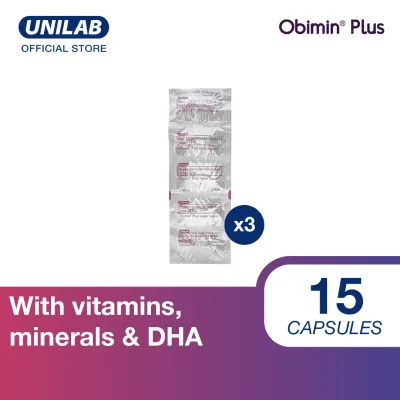
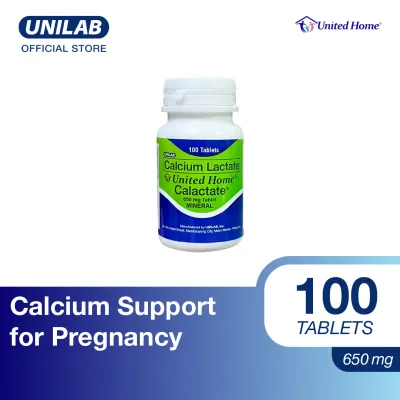


Prices are valid at publication and may change. Please refer to the product page for the latest price.
Your personal health profile, dietary restrictions, and lifestyle also shape your nutritional needs. If you follow a vegan or vegetarian diet, you may require targeted supplementation for vitamin B12 and iron, which are more readily absorbed from animal sources. Similarly, lactose intolerance or a dairy-free lifestyle might necessitate a closer look at your calcium and vitamin D intake. Pre-existing conditions, such as chronic anemia, further customize your requirements.
Because every pregnancy is unique, never self-prescribe a complex supplement regimen. The most critical step is consulting your OB-GYN, midwife, or a registered dietitian. They can order routine blood tests to identify actual deficiencies and help you select high-quality, targeted supplements that complement your diet without causing unnecessary overlap or digestive strain.
First Trimester: Critical Early Development and Nausea Management
The first trimester is a period of rapid cellular division and organ formation, making early nutritional support vital. During these initial twelve weeks, your primary focus should be on verifying the presence and form of folate on your supplement labels. Folate, or its synthetic form, folic acid, is critical for the early development of the baby’s neural tube, which eventually becomes the brain and spinal cord. When reading ingredient panels, look for active forms like L-methylfolate, which some individuals absorb more efficiently, and ensure the dosage aligns with your healthcare provider’s recommendations.

Managing early pregnancy symptoms is another key priority during this phase. Morning sickness and severe nausea can make it difficult to keep food or standard prenatal vitamins down. To help manage these symptoms safely, look for provider-approved formulations that include vitamin B6 or ginger extracts, both of which are widely recognized for their ability to soothe an upset stomach. Taking your supplements with a small snack or right before bed can also minimize nausea.
Avoiding excessive amounts of certain vitamins is also crucial during early development. Preformed vitamin A, often listed on labels as retinol or retinyl palmitate, can be harmful to a developing fetus if consumed in high doses. Carefully inspect your supplement facts panels to ensure that any vitamin A present is primarily in the form of beta-carotene, which the body converts safely, or that the total amount remains well within the safe limits established by prenatal guidelines.
Second Trimester: Adapting to Increased Blood Volume and Bone Growth
As you enter the second trimester, your body’s blood volume expands significantly to support the growing placenta and fetus. This dramatic physical shift increases your demand for iron, which is essential for producing hemoglobin and preventing gestational anemia. When evaluating iron supplements, check the label for highly absorbable forms such as iron bisglycinate or ferrous gluconate, which tend to be gentler on the stomach. To maximize absorption, consider taking your iron with a source of vitamin C, such as a squeeze of fresh citrus, while staying hydrated to manage potential digestive side effects like constipation.
This phase also marks a period of rapid skeletal development for your baby, requiring a steady supply of calcium and vitamin D. While calcium supports bone and tooth formation, vitamin D is necessary for your body to absorb that calcium effectively. However, calcium and iron compete for the same absorption pathways in your digestive tract. To ensure you get the full benefit of both, space these supplements out by at least two hours rather than taking them at the same time.
Pay close attention to your body’s physical signals during the second trimester. Persistent fatigue, unusual weakness, or frequent muscle cramping in your calves can be indicators of nutritional gaps, such as low iron or magnesium levels. If you experience these symptoms, discuss them with your OB-GYN, who can perform targeted blood tests and adjust your supplement dosages safely.
Third Trimester: Final Brain Development and Physical Preparation
The third trimester brings rapid fetal brain growth and physical preparation for labor. To support your baby’s cognitive and visual development, check your supplement labels for omega-3 fatty acids, specifically docosahexaenoic acid (DHA). If you prefer to avoid fish-derived products, look for high-quality, algae-based DHA supplements. Because the warm, humid climate of the Philippines can cause softgels to stick together or spoil, store your omega-3 supplements in a cool, dry place or even the refrigerator to preserve their freshness.
Magnesium is another nutrient that often becomes highly relevant in the final weeks of pregnancy. It plays a key role in muscle relaxation, which can help alleviate late-pregnancy leg cramps, and supports better sleep quality during a time when physical discomfort is common. Always consult your healthcare provider before introducing a magnesium supplement, as they can recommend the safest form and dosage for your specific physical needs.
As your supplement stack grows, it is vital to review the entire collection to prevent accidental overlapping of fat-soluble vitamins. Unlike water-soluble vitamins, which your body flushes out in urine, fat-soluble vitamins like A, D, E, and K accumulate in your body’s tissues. Taking multiple individual supplements alongside a comprehensive prenatal multivitamin can lead to excessive levels, so carefully cross-reference all ingredient panels to ensure your total daily intake remains within safe, professional boundaries.
Building Your Personalized Supplement Checklist
Creating a safe maternity supplement routine requires systematically reading product labels. When shopping, look closely at the supplement facts panel to identify any hidden additives, artificial colors, or unnecessary fillers that you might prefer to avoid. Verify that the serving size matches your expectations, as some brands require taking multiple capsules daily to achieve the listed nutrient amounts.
Your nutritional needs are not static, meaning your supplement checklist should evolve as your pregnancy progresses. Establish specific milestones at the start of each trimester to review your routine with your healthcare provider. These check-ins, often accompanied by routine blood work, allow you to adjust your dosages, phase out nutrients you no longer need in high amounts, and introduce new ones based on your current health status.
Finally, always prioritize safety by monitoring how your body reacts to each supplement. If you experience severe abdominal pain, persistent vomiting, skin rashes, or any other unusual physical symptoms, stop taking the supplement immediately and seek professional medical advice. Keeping an open line of communication with your OB-GYN ensures that your prenatal nutrition plan remains both safe and highly supportive of your journey.
Frequently Asked Questions (FAQ)
Can I just take one prenatal vitamin for the entire pregnancy?
A standard prenatal multivitamin provides an excellent baseline, but it may not cover your changing needs across all trimesters. For example, the demand for iron increases significantly in the second trimester, and DHA becomes highly critical in the third. Depending on your diet and routine blood test results, your healthcare provider may recommend adding specific, targeted supplements to your daily routine alongside your primary prenatal vitamin.
Are gummy maternity supplements as effective as pills?
Gummies can help if you suffer from severe morning sickness and struggle to swallow tablets. However, they often lack essential minerals like iron and calcium because these ingredients have a strong metallic taste that is difficult to mask. Additionally, in warm and humid tropical climates, gummies are prone to melting and clumping. If you choose gummies, check the label for added sugars and verify that you are meeting your daily iron and calcium requirements through other sources.
What should I do if my prenatal vitamin makes me nauseous?
If your prenatal vitamin causes stomach upset, try taking it with a meal or right before bed to minimize discomfort. You can also talk to your doctor about switching to a different formulation, such as a food-based capsule, a liquid option, or splitting your daily dose into smaller amounts taken throughout the day. Always consult your healthcare provider before stopping your prenatal vitamins entirely, as they can help you find a gentle alternative that keeps you and your baby healthy.

Community discussion
Share your experience or ask a question. Comments are reviewed before publication.