
Navigating the world of prenatal nutrition can feel overwhelming, but understanding your body’s changing needs trimester by trimester simplifies the process. While a balanced diet is the foundation of a healthy pregnancy, prenatal vitamins for pregnant women serve as an essential safety net, ensuring both you and your developing baby receive the precise nutrients required at each stage of growth. Because your baby’s developmental milestones shift dramatically from the first week to the final month, your nutritional priorities must adapt accordingly.
Understanding Your Changing Nutrient Needs During Pregnancy
During pregnancy, your body undergoes a profound physiological transformation to support a growing life. This process increases your daily requirement for several key vitamins and minerals. While eating a diverse diet rich in local vegetables, lean proteins, and whole grains is highly beneficial, meeting these elevated nutritional demands through food alone can be challenging. Morning sickness, food aversions, and busy schedules often make it difficult to consistently consume the necessary daily values. This is where prenatal supplements step in to fill critical dietary gaps, acting as a reliable insurance policy for your health and your baby’s development.
A one-size-fits-all approach to prenatal supplementation often overlooks the specific developmental milestones of each trimester. For instance, the rapid cellular division and neural tube closure that occur in the first few weeks require vastly different nutritional support than the skeletal mineralization of the second trimester or the rapid weight gain and brain development of the third. Relying on a single, unadjusted formula throughout your entire pregnancy may leave you lacking in certain areas while over-supplementing in others.
Products mentioned in this guide
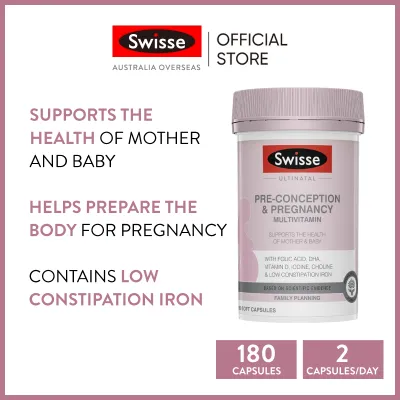

Prices are valid at publication and may change. Please refer to the product page for the latest price.
Before starting any new supplement or altering your current regimen, consulting your obstetrician-gynecologist (OB-GYN) or a qualified healthcare provider is the most critical step you can take. Every pregnancy is unique, and factors such as your baseline nutritional status, pre-existing health conditions, and lifestyle choices will influence your specific requirements. Your doctor can perform routine blood tests to identify precise deficiencies and recommend a tailored supplementation plan that ensures safety and efficacy for both you and your baby.
First Trimester: Key Nutrients for Early Development
The first trimester, spanning from week 1 to week 12, is a period of rapid embryonic development where the foundational structures of your baby’s body are established. During these early weeks, the neural tube—which eventually becomes the brain and spinal cord—closes. To support this critical process, folic acid or its active form, folate, is the most vital nutrient to look for on your prenatal supplement labels. Ensuring adequate intake of folic acid before conception and during the first trimester significantly reduces the risk of neural tube defects. When reading labels, look for products providing the recommended daily amount of folic acid, or consult your doctor about bioavailable forms like L-methylfolate, which some individuals absorb more efficiently.

Fatigue and morning sickness are incredibly common during these early weeks, often caused by rapid hormonal shifts. To help manage these symptoms, check your prenatal vitamin labels for adequate levels of Iron and Vitamin B6 (pyridoxine). Iron is essential for producing hemoglobin, the protein in red blood cells that carries oxygen to your tissues and your growing baby. Since your blood volume begins to expand early in pregnancy, maintaining healthy iron levels helps combat early pregnancy fatigue. Meanwhile, Vitamin B6 is widely recognized for its role in easing mild to moderate pregnancy-related nausea, helping you maintain a more stable appetite.
While ensuring you get enough of the right nutrients is crucial, the first trimester also requires vigilance against potential nutritional red flags. Excessive dosages of certain vitamins can be harmful to a developing embryo. In particular, high doses of preformed Vitamin A (often listed as retinol or retinyl palmitate) have been linked to developmental complications. When evaluating prenatal vitamins, verify that the Vitamin A content is within safe limits and primarily derived from beta-carotene, which the body safely converts into Vitamin A as needed. Always check the ingredient list carefully and avoid taking additional high-dose multivitamins alongside your prenatal supplement.
Second Trimester: Supporting Rapid Bone and Brain Growth
Entering the second trimester, from week 13 to week 26, often brings a welcome relief from morning sickness and a noticeable boost in energy. During this phase, your baby’s skeletal system begins to develop rapidly, transitioning from soft cartilage to hard bone. To support this intense bone formation while protecting your own bone density, you must evaluate your intake of Calcium and Vitamin D. If your daily diet does not provide enough calcium, your body will naturally draw this mineral from your own bones to supply the baby. Checking your supplement labels for calcium and Vitamin D—which is essential for calcium absorption—helps ensure both maternal and fetal skeletal health remain strong.
This trimester also marks a period of accelerated neurological and visual development. The baby’s brain and eyes grow at a rapid pace, making omega-3 fatty acids, specifically docosahexaenoic acid (DHA) and eicosapentaenoic acid (EPA), highly important. When comparing prenatal supplements, check the labels for high-quality, purified DHA and EPA. These fatty acids support cognitive development and visual acuity. If your primary prenatal vitamin does not contain DHA, discuss with your healthcare provider whether adding a separate, high-quality omega-3 softgel is appropriate for your daily routine.
Your iron requirements also continue to climb during the second trimester as your blood volume expands by up to fifty percent. This dramatic increase in blood volume is necessary to support the placenta and deliver oxygen to your growing baby. However, it also increases the risk of gestational anemia. Rather than self-prescribing high-dose iron supplements, it is essential to adjust your iron intake based on routine blood tests, such as hemoglobin and hematocrit checks, performed by your doctor. Your healthcare provider can recommend the precise dosage of iron needed to keep your energy levels steady and support healthy fetal growth without causing unnecessary digestive discomfort.
Third Trimester: Preparing for Labor and Postpartum Recovery
The third trimester, from week 27 until birth, is characterized by rapid fetal weight gain and the final maturation of vital organ systems. During this stretch, your baby accumulates nutrient reserves that they will rely on during their first few months of life. To support this late-stage growth and prepare your own body for the physical demands of labor, you should verify that your supplements contain adequate levels of Vitamin C, zinc, and Vitamin K. Vitamin C aids in tissue repair and collagen production, zinc supports immune function and cellular growth, and Vitamin K plays a key role in healthy blood clotting mechanisms.
As your belly grows, physical discomforts like muscle cramps—particularly in the calves—and disrupted sleep can become daily challenges. Checking your supplement labels for Magnesium can be highly beneficial during these final weeks. Magnesium plays a vital role in muscle relaxation, nerve function, and maintaining a healthy heart rhythm. Ensuring adequate magnesium intake can help alleviate painful nighttime leg cramps and promote a more restful night’s sleep, helping you conserve the physical energy you will need for labor and delivery.
As your due date approaches, it is also time to start thinking about your nutritional needs after your baby arrives. The physical toll of childbirth, combined with the demands of lactation, requires continuous nutritional support. Transitioning to postnatal vitamins is an excellent way to ensure your body recovers efficiently and your breast milk contains the essential nutrients your baby needs. Discuss the timing of this transition with your OB-GYN during your late-pregnancy checkups. They can help you identify a high-quality postnatal formula that prioritizes nutrients like choline, iodine, Vitamin D, and iron to support your postpartum recovery and breastfeeding journey.
How to Compare and Select the Best Prenatal Supplement Format
When shopping for vitamins for pregnant women, you will encounter a wide variety of formats, including tablets, capsules, softgels, gummies, and powders. Choosing the right format depends largely on your personal tolerance, ease of swallowing, and how your stomach reacts to different preparations. Tablets and capsules are often the most nutritionally complete, but they can be large and difficult to swallow, especially if you are dealing with a sensitive gag reflex. Softgels are typically easier to swallow and frequently combine fat-soluble nutrients with omega-3 fatty acids. Powders can be dissolved in water or smoothies, offering an alternative for those who cannot tolerate swallowing pills, though they require careful mixing to ensure you consume the full dose.
Reading the Supplement Facts panel carefully is crucial to understanding exactly what you are putting into your body. Pay close attention to the active forms of the vitamins listed. For example, look for L-methylfolate instead of synthetic folic acid if your doctor has recommended a highly bioavailable form of folate. Additionally, check the source of minerals like iron; forms such as ferrous bisglycinate are often gentler on the stomach and less likely to cause constipation than ferrous sulfate. Taking the time to decode these labels ensures you select a product that is both highly effective and comfortable for your digestive system.
Quality assurance is another vital factor when selecting a prenatal supplement. Because dietary supplements are not regulated as strictly as prescription medications, you should check for third-party testing and quality seals from reputable independent organizations. These seals verify that the product actually contains the ingredients listed on the label without harmful levels of contaminants like heavy metals. Furthermore, always check the expiration date before purchasing. In tropical climates with high humidity, such as the Philippines, supplements can degrade more rapidly if not stored correctly. Ensure the product packaging is tightly sealed, and store your vitamins in a cool, dry place away from direct sunlight to preserve their potency.
Budgeting is a practical reality for many growing families, and finding a high-quality supplement that fits your financial plan is essential. When browsing local pharmacies in the Philippines, evaluate the cost per serving rather than just the retail price of the bottle. A bottle that costs ₱1,500 but contains a three-month supply may offer better long-term value than a bottle priced at ₱600 that only lasts for thirty days. Many reliable, high-quality prenatal options are available at various price points, ranging from approximately ₱15 to ₱50 per daily serving. Compare these costs carefully to find a sustainable option that fits your budget without compromising on the essential nutrient profile your doctor has recommended.
Safety Guidelines, Side Effects, and When to Consult Your Doctor
While prenatal vitamins are designed to support your health, they can sometimes cause mild side effects. The most common complaint among pregnant women is constipation, which is typically triggered by the iron content in the supplement. To mitigate this discomfort safely, focus on general lifestyle adjustments rather than self-medicating with laxatives. Increasing your daily intake of fiber-rich foods, such as local fruits and vegetables, and drinking plenty of clean water throughout the day can significantly improve digestion. Engaging in light, doctor-approved physical activity, like daily walks, also helps keep your digestive system moving smoothly.
It is important to recognize warning signs that indicate you should stop taking a supplement and contact your healthcare provider immediately. If you experience severe abdominal pain, persistent vomiting that prevents you from keeping food or fluids down, or signs of an allergic reaction—such as hives, itching, difficulty breathing, or swelling of the face and throat—discontinue the supplement right away. These symptoms require prompt medical evaluation to rule out adverse reactions or underlying complications.
Finally, always practice caution to avoid accidental nutrient toxicity. It can be tempting to think that taking more vitamins will provide extra benefits for your baby, but exceeding the recommended daily dosage can be highly dangerous. Doubling up on multivitamins or combining multiple prenatal products can lead to an overaccumulation of fat-soluble vitamins, such as Vitamins A and D, which store in your body’s tissues and can cause harm. Stick strictly to the dosage recommended by your healthcare provider, and always consult them before adding any new single-nutrient supplements to your daily routine.
Frequently Asked Questions (FAQ)
Can I take regular multivitamins instead of prenatal vitamins?
Regular multivitamins are formulated for the general adult population and do not meet the unique nutritional demands of pregnancy. They often lack sufficient amounts of critical nutrients like folic acid and iron, which are vital for fetal development and maternal blood volume. Furthermore, standard multivitamins may contain high levels of preformed Vitamin A (retinol), which can be harmful to a developing fetus in large doses. Prenatal-specific vitamins are carefully balanced to provide safe, effective ratios of nutrients tailored specifically for pregnancy.
What should I do if I forget to take my prenatal vitamin?
If you miss a daily dose of your prenatal vitamin, do not double the dose the following day to make up for it. Taking a double dose can lead to an excessive intake of certain nutrients, particularly iron, which can cause severe digestive upset or toxicity. Instead, simply take the missed dose if you remember it on the same day, provided it does not upset your stomach close to bedtime. If you do not realize it until the next day, skip the missed dose entirely and resume your normal daily schedule.
Are gummy prenatal vitamins as effective as pills?
Gummy prenatal vitamins can be a helpful alternative for women who struggle with swallowing large pills or experience severe morning sickness. However, they often have notable nutritional gaps due to manufacturing limitations and taste preservation. Most notably, gummy vitamins typically lack iron and calcium, as these minerals have strong metallic tastes that are difficult to mask in a gummy format. If you choose to take gummy prenatals, read the label carefully to identify these missing nutrients and discuss with your doctor whether you need to supplement them separately.
Community discussion
Share your experience or ask a question. Comments are reviewed before publication.