
Choosing the right kids cup for your baby is a crucial step in their developmental journey, marking the transition from bottle or breast to independent drinking. The ideal cup depends directly on your baby’s age, physical milestones, and weaning stage. While a soft-spout cup may ease the initial transition at six months, introducing straw cups and open trainer cups at later stages supports oral motor development and speech skills. Matching the cup type to your child’s developmental readiness ensures a smoother transition and protects their developing teeth and palate.
Signs Your Baby Is Ready to Transition to a Kids Cup
Transitioning to a kids cup is a major milestone that depends heavily on physical readiness rather than a strict calendar date. Most babies show signs of readiness around six months of age, coinciding with the introduction of solid foods. In the tropical climate of the Philippines, ensuring your baby stays adequately hydrated becomes even more important as they begin to explore liquids other than breast milk or formula.
Before introducing any transitional cup, observe your baby’s physical capabilities during meal times. Your baby must be able to sit up unassisted with good head and neck control, which prevents choking when swallowing liquids from a new source. They should also demonstrate the ability to grasp objects with intent and bring them to their mouth, showing the basic hand-eye coordination required to handle a cup.
Products mentioned in this guide
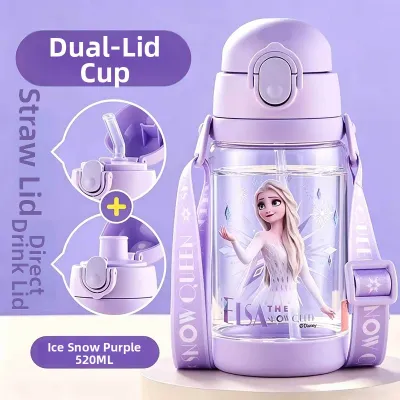
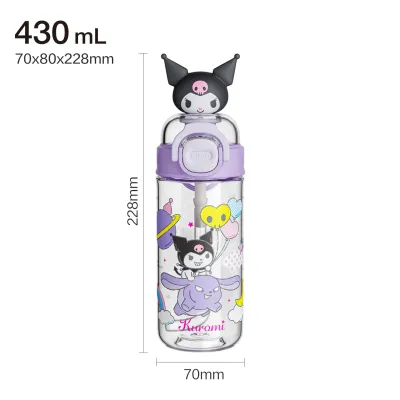

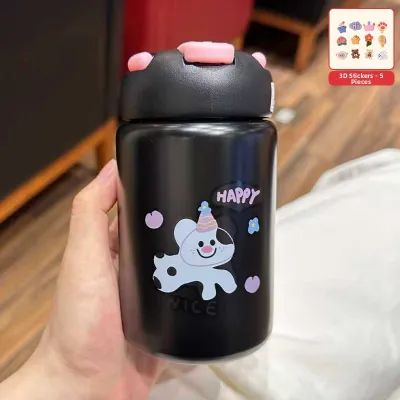

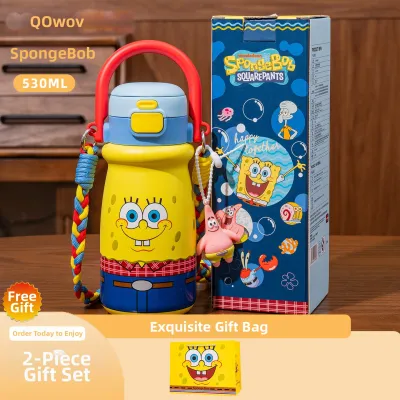
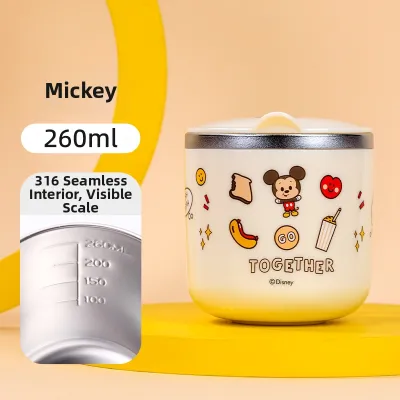
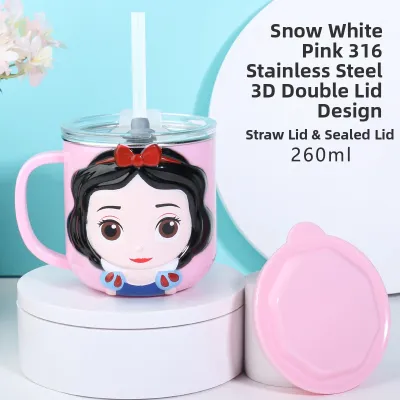
Prices are valid at publication and may change. Please refer to the product page for the latest price.
Another key indicator is your baby’s interest in what you are drinking. If they reach for your glass or mimic your drinking motions, they are mentally preparing for the transition. Additionally, if they have successfully started swallowing semi-solid foods without automatically pushing them out with their tongue—a reflex known as the tongue-thrust reflex—their oral motor skills are maturing enough to handle a cup.
While general age guidelines offer a helpful starting point, every baby develops at their own pace. Forcing a cup before your baby is physically ready can lead to frustration, refusal, or accidental aspiration. If you have any concerns about your baby’s oral motor development, physical milestones, or weaning timeline, consult your pediatrician or a pediatric dentist for personalized guidance.
Sippy Cups: Introducing a Kids Cup in the Early Weaning Stage (6–9 Months)
Sippy cups are often the first transitional cups parents introduce during the early weaning stage, typically between six and nine months. These cups feature a spout—either soft and flexible or hard and rigid—and are designed to help babies learn the mechanics of holding a cup and tilting it to receive liquid. They serve as a familiar bridge because the sucking action required is similar to what babies use with a bottle or breast.

During this early stage, soft-spout cups made of medical-grade silicone are generally preferred. The soft texture is gentle on sensitive, teething gums, and the familiar suction helps ease the anxiety of moving away from the bottle. Hard-spout cups, on the other hand, are more durable and can withstand biting from emerging baby teeth, but they do not offer the same tactile comfort as silicone.
Despite their convenience, pediatric dentists recommend limiting the prolonged use of traditional spouted cups. Continuous sucking on a rigid spout can alter the natural alignment of developing teeth and potentially affect the shape of the hard palate. To support healthy oral development, view the sippy cup as a temporary training tool rather than a long-term bottle replacement.
When shopping for a cup, always verify the manufacturer’s age and developmental recommendations on the packaging. Ensure the product is explicitly labeled as BPA-free to protect your baby from harmful chemicals. Always inspect the cup before each use for signs of wear, such as cracks or torn silicone, and follow the manufacturer’s care instructions to maintain hygiene.
Straw Cups: Building Oral Motor Skills (9–12 Months)
As your baby approaches nine to twelve months, introducing a straw-style kids cup can significantly benefit their oral motor development. Unlike spouted cups, which encourage a forward tongue movement similar to bottle feeding, straw cups require your baby to retract their tongue and seal their lips tightly around the straw. This action strengthens the muscles in the lips, cheeks, and tongue, which are critical for both mature swallowing and future speech development.
Recognizing when your baby is ready for a straw cup involves looking for specific behavioral cues. Your baby should be able to close their lips firmly around an object and show an understanding of suction mechanics without simply biting down on the straw. If they can successfully sip purees from a spoon or show advanced control over soft finger foods, they likely possess the coordination needed for straw drinking.
Teaching a baby to use a straw can sometimes require a bit of patience. A highly effective method is the pipette technique:
- Dip a clean, open straw into a small amount of water or breast milk.
- Place your index finger firmly over the top opening of the straw to trap the liquid inside.
- Bring the bottom of the straw to your baby's lips and slowly release your finger to let a few drops flow into their mouth.
- Repeat this process to help them associate the straw with receiving liquid, eventually encouraging them to draw the liquid up themselves.
In the warm and humid climate of the Philippines, maintaining the cleanliness of straw cups is of utmost importance. The narrow silicone tubes and complex valves of straw cups are highly susceptible to mold and bacterial growth if left damp. To prevent health risks, fully disassemble all parts of the cup after every single use, wash them thoroughly with warm, soapy water using a specialized straw brush, and allow them to air-dry completely in a well-ventilated area. Always follow the manufacturer’s specific disassembly and cleaning guidelines to avoid damaging the leak-proof valves.
360-Degree and Open Cups: Mastering Independent Drinking (12+ Months)
By the time your child reaches their first birthday, their hand-eye coordination and oral motor control have progressed to the point where they can begin mastering independent drinking. This stage involves moving away from transitional suction-based cups and learning to drink from a rim, which mimics adult drinking patterns and supports optimal dental health.
360-Degree Cups
A 360-degree cup is an innovative kids cup designed to act as a spill-proof bridge between straw cups and open cups. These cups feature a specialized lid with an edge-activated silicone valve that releases liquid only when the baby applies gentle lip pressure to the rim. This unique design allows your child to drink from any side of the rim, just like a regular open cup, without the risk of messy spills.
Pediatric dentists often favor 360-degree cups because they encourage normal muscle development in the mouth. Because there is no spout or straw to bite or suck on, your child learns to seal their lips against the rim and tilt their head back naturally. This helps reinforce the mature swallowing pattern necessary for transition to standard glassware later on.
Open Cups
The open cup remains the ultimate goal of the weaning process. Introducing an open trainer cup around twelve months helps your child develop precise hand-eye coordination, spatial awareness, and a mature swallowing reflex. Drinking from an open cup forces the tongue to retract and the jaw to stabilize, which are essential physical milestones for speech clarity.
To introduce an open cup safely and minimize frustration, follow these practical steps:
- Use close adult supervision: Never leave your baby unattended with an open cup to prevent accidental choking, spills, or aspiration of liquid into the lungs.
- Start with tiny amounts: Pour only a tablespoon or two of water or milk into the cup at a time so that spills are manageable and do not overwhelm your child.
- Choose the right material: Opt for lightweight, shatterproof materials such as food-grade silicone or BPA-free plastic. Weighted bases can also help prevent the cup from tipping over easily on the high chair tray.
- Guide their hands: Place your hands over your baby's hands to help them lift the cup, tilt it gently to their lips, and set it back down safely.
Diagnostic Checklist: When to Upgrade to the Next Cup Stage
Determining when to transition your baby to the next stage of kids cup requires careful observation of their daily habits and physical cues. Use this diagnostic checklist to evaluate if your baby is ready for an upgrade or if their current cup is no longer meeting their developmental needs:
- Spout Chewing: Your baby constantly bites or chews aggressively on their sippy cup spout instead of drinking from it, which can damage the silicone and indicates they need a different oral sensory outlet.
- Flow Frustration: Your baby shows signs of anger, whining, or pulling away from the cup because the liquid flow is too slow for their growing appetite.
- Imitative Behavior: Your child repeatedly reaches for your open glass, tries to drink from the rim of their current cup, or mimics your drinking motions during family meals.
- Frequent Spills on 360 Cups: Your toddler has figured out how to press the silicone valve of a 360 cup with their fingers to intentionally flood their high chair tray, suggesting they are ready for the responsibility of an open cup.
When introducing a new cup, choose relaxed, low-stress meal times when your baby is not overly tired or excessively hungry. If your child shows extreme frustration, cries, or completely refuses to drink from the new cup, do not force the issue. It is entirely normal to temporarily revert to their previous, familiar cup for a few days before trying again. Remember that weaning is not a strictly linear process; many babies prefer a straw cup for active daytime hydration and an open cup during supervised family dinners.
Frequently Asked Questions (FAQ)
When should I completely stop using a sippy cup?
Most pediatric dentists and pediatricians recommend transitioning away from traditional spouted sippy cups by twelve to eighteen months of age. Prolonged use of spouts can interfere with natural dental alignment and oral muscle development. Shifting your child toward straw cups or open trainer cups as they near their first birthday helps support healthy speech patterns and jaw alignment. If you notice persistent dental misalignment or have concerns about your child’s bite, consult a pediatric dentist for a personalized assessment.
Are straw cups better for speech development than sippy cups?
Yes, speech-language pathologists and pediatric dentists generally prefer straw cups and open cups over traditional sippy cups. Drinking from a straw requires active tongue retraction, lip sealing, and cheek muscle engagement, which are the exact motor skills used to produce speech sounds. In contrast, spouted cups encourage a forward tongue-thrust motion similar to bottle feeding, which does not challenge or strengthen the oral muscles in the same way.
How do I clean a kids cup to prevent mold in the valves?
To prevent mold and bacteria from growing in your kids cup, especially in warm and humid environments, you must clean it thoroughly after every use. Begin by completely disassembling all components, including silicone valves, straws, lids, and rubber seals. Wash each part in warm, soapy water using specialized small-diameter brushes to clean inside narrow straw tubes. Rinse all parts thoroughly, and lay them out on a clean drying rack to air-dry completely before reassembling the cup. Always refer to the manufacturer’s care instructions, as some cups are dishwasher-safe while others require strict hand-washing.

Community discussion
Share your experience or ask a question. Comments are reviewed before publication.