
Choosing the right kids car seat is one of the most critical decisions you will make to protect your child on the road. While many parents rely on age as a quick reference, the safest way to select and transition between seats is by tracking your child’s exact weight and height. In the Philippines, where navigating busy city traffic or embarking on long family road trips is common, understanding these physical thresholds ensures your child remains secure in the event of sudden stops or collisions.
Every developmental stage requires a specific type of protection tailored to your child’s growing body. This guide breaks down the three primary categories of kids car seats, details the precise physical indicators that signal it is time to upgrade, and provides essential installation checks to keep your little one safe on every ride.
Quick Diagnosis: Matching Seat Types to Your Child's Current Size
To keep your child as safe as possible, you must match their current physical size to the correct category of kids car seat. The three primary options available are rear-facing infant seats, convertible seats, and booster seats. Each category is engineered to manage crash forces differently based on a child’s skeletal development.
Products mentioned in this guide
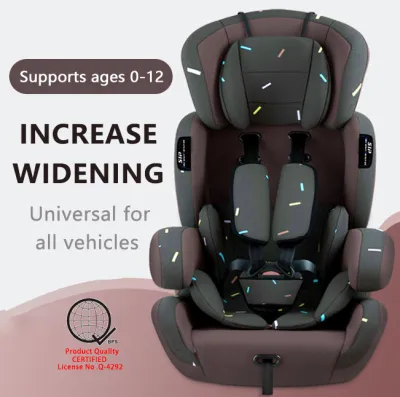
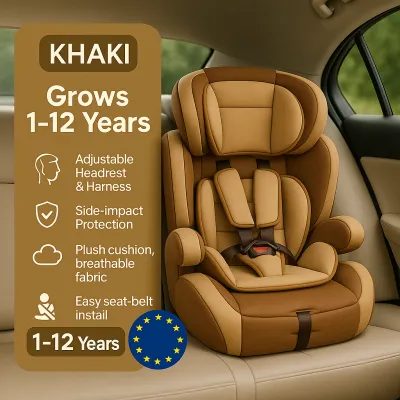
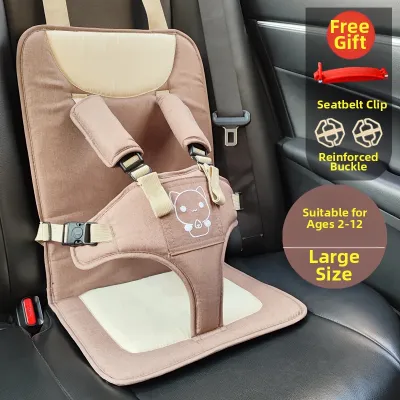
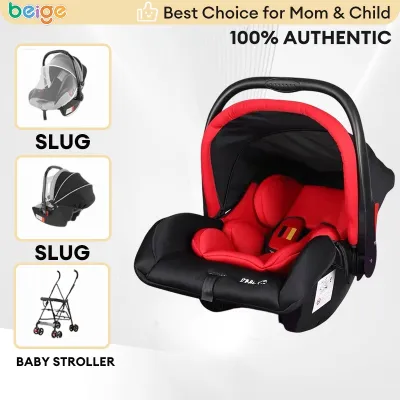
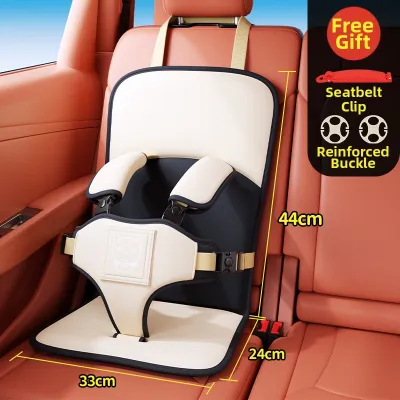
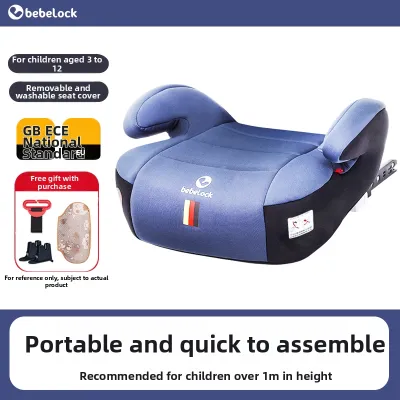
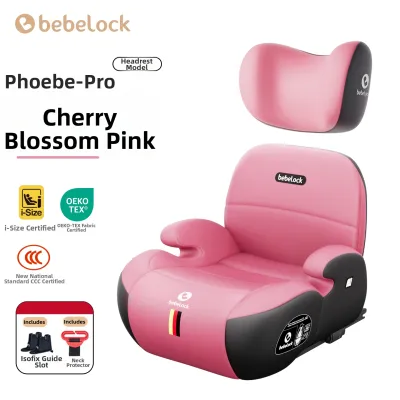
Prices are valid at publication and may change. Please refer to the product page for the latest price.
While age brackets are frequently printed on packaging as a general guideline, they should never be the sole basis for your decision. Your child’s exact weight and height are the true safety metrics. Children grow at highly individual rates, meaning a tall toddler might outgrow a specific seat far sooner than an average-weight peer of the exact same age.
Before purchasing or installing any seat, you must locate and read the manufacturer’s label and instruction manual. This documentation outlines the absolute minimum and maximum weight and height limits for that specific model. Because these limits vary widely between brands and individual product lines, never assume one seat’s limits apply to another.
The gold standard of passenger safety is to keep your child in their current car seat stage for as long as possible. Do not rush to transition them to the next level. Only move your child to a forward-facing seat or a booster once they have fully reached the maximum weight or height limit allowed by the manufacturer for their current configuration.
Rear-Facing Infant Seats: For Newborns and Young Babies
Rear-facing infant car seats are specifically designed for newborns and young infants, typically featuring a distinct “bucket” shape. These seats almost always consist of two parts: a stay-in-car base that you install semi-permanently, and a carrier portion with a convenient carry handle that clicks securely into the base. This design allows caregivers to transport a sleeping baby to and from the vehicle without disturbing them, making it highly practical for daily errands.

This exclusive rear-facing orientation is a critical safety requirement. In a collision, a rear-facing seat cradles the child’s entire back, neck, and head. Instead of the child’s head being thrown forward violently—which can cause severe spinal injuries due to their relatively heavy heads and weak neck muscles—the car seat shell absorbs the impact forces and distributes them evenly across the strongest parts of their body.
Achieving a proper harness fit is vital to ensuring this protective shell can do its job. When securing your baby, the harness straps must emerge from the slots at or just below your baby’s shoulders. The chest clip must be positioned exactly at armpit level to keep the harness straps properly aligned over the shoulders. Additionally, the straps must be snug enough that there is no slack, preventing the child from shifting during a sudden stop.
Parents must remain vigilant for physical signs that their baby has outgrown this initial stage. While weight limits are crucial, many babies outgrow infant carriers by height first. If your baby’s head is within one inch of the top of the hard plastic shell, or if they exceed the manufacturer’s stated weight or height limits, they must transition to a larger seat, even if they are still very young.
Convertible Car Seats: For Growing Toddlers and Preschoolers
A convertible kids car seat is a highly versatile option designed to grow alongside your child through multiple developmental stages. Unlike infant-only carriers, a convertible seat can be installed in a rear-facing position for babies and toddlers, and then reinstalled in a forward-facing position as the child grows larger. Because of this dual functionality, these seats are typically heavier, bulkier, and remain installed in the vehicle permanently rather than clicking in and out of a base.
Safety experts strongly recommend keeping your child in the rear-facing position for as long as possible, up to the maximum weight and height limits specified by the convertible seat’s manufacturer. Many modern convertible seats can accommodate children rear-facing up to 18 to 22 kilograms. This extended rear-facing period provides superior protection for your toddler’s developing spine during the crucial early years of growth.
When your child finally outgrows the rear-facing limits, you will transition the seat to the forward-facing configuration. During this transition, you must use the top tether strap, which hooks to an anchor point in your vehicle. This tether is a critical safety feature that significantly reduces how far the child’s head moves forward during a crash. Additionally, you must adjust the harness straps so they emerge from the slots at or above your child’s shoulders.
Because the transition thresholds and installation steps vary significantly between different models, always consult your specific product manual. Never rely on general advice or guess the correct settings, as an improperly configured convertible seat cannot provide the intended level of protection.
Booster Seats: For School-Aged Children Ready for Seat Belts
Booster seats represent the final stage of specialized child passenger safety before your child is large enough to use the vehicle’s standard seat belt alone. The primary function of a booster seat is simple yet life-saving: it elevates your child so that the vehicle’s adult lap and shoulder belts fit correctly across their body. Without a booster, an adult seat belt will ride up across a child’s soft abdomen and neck, risking severe internal organ damage or airway restriction during a crash.
A proper booster seat ensures the lap belt rests low and snug across the child’s strong hip bones, while the shoulder belt crosses the center of the chest and shoulder. Beyond physical size, graduating to a booster requires a high level of behavioral maturity. Your child must be capable of sitting properly for the entire duration of every ride—without slouching, leaning over, tucking the shoulder belt behind their back, or unbuckling themselves.
High-Back Boosters
High-back booster seats are highly recommended for vehicles that do not have built-in headrests or have low seat backs that do not support the child’s head. The integrated backrest of a high-back booster provides crucial head, neck, and spinal support, which is especially important during side-impact collisions. Furthermore, these models feature built-in plastic guides that help position the vehicle’s shoulder belt perfectly across the child’s collarbone, making them an excellent choice for younger or smaller children transitioning from a harnessed seat.
Backless Boosters
Backless booster seats are compact, lightweight, and highly portable, making them a popular choice for families who frequently switch cars or travel. However, they are suitable only for vehicles that have adequate built-in headrests capable of supporting the child’s head up to the top of their ears. While backless boosters are highly convenient, they do not offer the side-impact head protection or the structured shoulder belt guidance provided by high-back models, making it essential to verify your vehicle’s seat design before choosing this option.
5 Clear Signs It Is Time to Transition to the Next Car Seat
Knowing exactly when to upgrade your child’s seat is essential for maintaining continuous protection. Watch for these five clear, observable signs to determine if your child has outgrown their current setup:
Sign 1: Exceeding Weight or Height Limits. Never guess or assume your child still fits based on their age. Locate the manufacturer’s sticker on the side or bottom of the car seat shell to read the exact maximum weight and height limits for your specific model, and compare these directly to your child’s latest measurements.
Sign 2: Head Clearance (Rear-Facing). When your child is seated in a rear-facing position, their head must not come too close to the top of the seat. If the top of their head is less than one inch from the top edge of the hard plastic shell, they have outgrown the seat’s height capacity and must transition to a larger model.
Sign 3: Head Clearance (Forward-Facing). For forward-facing harnessed seats or booster seats, head support remains critical. Your child has outgrown this stage when the tops of their ears reach or exceed the top of the car seat back or the fully extended headrest.
Sign 4: Harness Strap Position. The physical location of the harness slots relative to your child’s shoulders is a non-negotiable safety check. If you can no longer adjust the straps to sit at or below the shoulders for a rear-facing seat, or at or above the shoulders for a forward-facing seat, the seat is no longer safe to use.
Sign 5: Behavioral Maturity (For Boosters). Transitioning to a booster seat requires more than just physical size. If your child cannot consistently sit still, keep the seat belt properly positioned across their shoulder and hips, and avoid playing with the buckle for the entire trip, they are not ready for a booster and should remain in a forward-facing harnessed seat.
Crucial Safety and Installation Checks Before Every Ride
Even the highest-rated kids car seat cannot protect your child if it is installed or used incorrectly. Incorporate these vital safety checks into your daily routine to ensure your child is secure before you start the engine:
The Pinch Test: Once your child is buckled into their harness, verify the tightness of the straps. Try to pinch the harness webbing horizontally at the child’s collarbone using your thumb and forefinger. If you can pinch any excess webbing into a fold, the harness is too loose and must be tightened until your fingers slip smoothly off the flat strap.
The Inch Test: To verify that the car seat is installed securely in your vehicle, grab the seat firmly at the belt path where the seat belt or LATCH straps pass through. Give it a firm tug side-to-side and front-to-back; the seat should not move more than one inch (2.5 centimeters) in any direction. If it moves more than this, reinstall it tighter.
Manual Cross-Reference: Always read both the car seat manufacturer’s instruction manual and your vehicle owner’s manual before installation. Vehicle manufacturers have specific rules regarding where car seats can be placed, and LATCH lower anchors have strict weight limits that vary by car model, requiring a transition to a seat belt installation as your child grows heavier.
Climate Consideration: In the tropical climate of the Philippines, parked cars can quickly reach extreme temperatures under the intense sun. Before placing your child in their seat, always test the temperature of the metal buckles, plastic adjusters, and fabric surfaces with the back of your hand to prevent painful contact burns on your child’s sensitive skin.
Stop and Consult: If you encounter conflicting instructions between your car manual and the car seat manual, discover missing or damaged parts, or if the seat has been involved in a moderate to severe crash, stop using the seat immediately. Consult the manufacturer directly or seek guidance from a certified child passenger safety technician to verify if the seat is still safe to use.
Frequently Asked Questions (FAQ)
Can I use a second-hand car seat if it looks clean and undamaged?
You should exercise extreme caution when considering a second-hand kids car seat. A car seat should only be used if you personally know its entire history, can verify it has never been involved in any vehicle crash, has not expired (always check the manufacturer’s expiration date stamped on the plastic), and has no active safety recalls. Avoid buying used seats from online marketplaces or unknown sellers, as critical internal structural damage, micro-fractures in the plastic, or missing safety components are often completely invisible to the naked eye.
Is it safe to let my child sleep in the car seat outside the vehicle?
No, it is not safe to use a car seat as a routine sleeping environment outside the vehicle. Kids car seats are engineered and angled specifically for travel within a car. When an infant carrier is placed on a flat floor, a table, or attached to an incompatible stroller, the seat’s angle can shift, causing a baby’s heavy head to fall forward onto their chest. This can lead to positional asphyxia, a silent and dangerous restriction of their airway. Once you reach your destination, always transfer a sleeping baby to a firm, flat crib or bassinet.
How do I know if my car's seat belts fit my child without a booster?
Your child is ready to transition from a booster seat to using the vehicle’s standard seat belt alone once they can pass the 5-step seat belt fit test. First, the child must be able to sit with their back completely flat against the vehicle’s seat back. Second, their knees must bend naturally and comfortably over the edge of the seat cushion. Third, the lap belt must rest low and snug across their upper thighs, not their soft stomach. Fourth, the shoulder belt must cross the center of their chest and shoulder, never their neck or face. Finally, they must be mature enough to maintain this exact position for the entire ride.

Community discussion
Share your experience or ask a question. Comments are reviewed before publication.