
Finding the right breast pump is a personal decision that directly impacts your breastfeeding journey, physical comfort, and daily schedule. For mothers in the Philippines, this choice is often shaped by lifestyle factors, such as navigating long commutes, returning to a demanding office, or managing a household in a warm, humid climate. Horigen offers a diverse range of breast pumps, but selecting the ideal model requires matching their specific technology with your personal routine.
The right pump should integrate into your day, whether you need to express milk quickly between office meetings, stimulate supply at home, or gently relieve engorgement. By evaluating your pumping frequency, mobility needs, and comfort preferences, you can narrow down the Horigen lineup to find a model that supports your goals. This guide provides a detailed breakdown of Horigen’s categories, key features, and selection criteria to help you make an informed investment.
Quick Answer: Which Horigen Pump Category Fits Your Routine?
To find the most suitable Horigen breast pump, you must first define how and where you plan to use it. There is no single ‘best’ pump, as the ideal choice depends on the intersection of your daily schedule, budget, and pumping frequency.
Products mentioned in this guide
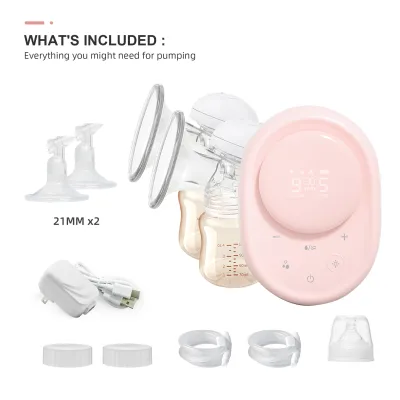
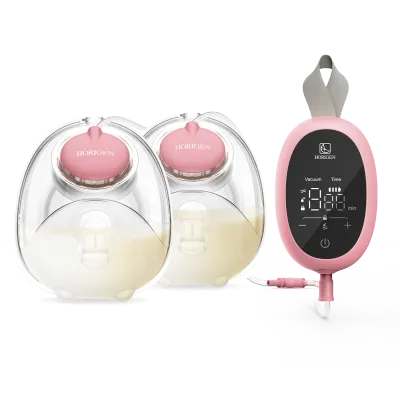
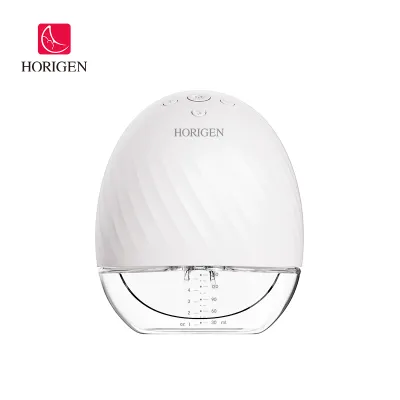
Prices are valid at publication and may change. Please refer to the product page for the latest price.
Choose a manual or basic single electric Horigen model if you primarily direct-breastfeed and only need to pump occasionally. These models are affordable, lightweight, and perfect for relieving engorgement, expressing an occasional bottle, or keeping in your diaper bag as a travel backup.
Choose a double electric Horigen model if you are returning to work full-time, exclusively pumping, or need to build a milk stash efficiently. Double pumping stimulates prolactin production more effectively than single pumping, helping you maintain supply while cutting pumping time in half.
Choose a portable or wearable Horigen model if your routine involves heavy commuting, multitasking, or pumping discreetly in shared workspaces. These hands-free options fit directly inside your nursing bra, allowing you to express milk without being tethered to an outlet or holding bottles.
Assessing Your Breastfeeding Needs and Lifestyle
Before comparing technical specifications, analyze your daily environment and breastfeeding goals. Your pumping routine dictates the durability, battery life, and portability you require.

Pumping Frequency and Volume Needs Your feeding method is the critical factor. Mothers exclusively pumping—meaning the baby receives breast milk solely via bottles—require a heavy-duty motor designed for frequent daily use, typically six to eight sessions. For this demanding schedule, a robust double electric pump with a durable motor is necessary. If you primarily direct-breastfeed and only pump once or twice a day to build a modest freezer stash, a lighter, less intensive model will meet your needs without overstretching your budget.
Mobility, Commuting, and the Local Environment Your physical environment plays a massive role. Commuting in major Philippine cities often involves long hours in transit. If you need to pump during a commute or in an office lacking a private lactation room, a bulky, plug-in double pump will cause stress. In these scenarios, a compact, battery-operated wearable pump that slips into your bra offers the discretion needed. Furthermore, the tropical climate and high humidity in the Philippines mean you must consider how comfortable the pump parts feel against your skin and how easily they can be cleaned and transported safely.
Budget, Long-Term Value, and Ongoing Costs A breast pump is an investment in your child’s nutrition and your comfort. While manual pumps are highly budget-friendly, they require significant physical effort, which may not be sustainable long-term. Electric models represent a higher initial financial outlay but save hours of labor over weeks of use. When establishing your budget, factor in the ongoing cost of replacement parts, such as silicone valves, diaphragms, and tubing, which wear out and must be replaced to maintain proper suction.
Power Accessibility and Reliability Consider where you will pump and whether you can rely on a steady power supply. If you reside in an area prone to seasonal power interruptions or plan to pump where outlets are scarce, a model relying solely on mains power is risky. Opting for a Horigen pump with a built-in, USB-rechargeable lithium-ion battery provides peace of mind, ensuring you can complete sessions during a brownout or while traveling. Always verify the battery capacity to ensure it lasts through your typical workday.
Key Features to Compare Across Horigen Models
When looking at Horigen breast pumps, understanding technical features listed on product packaging will help you determine how comfortable and effective the pump will be.
Suction Strength and Cycle Modes A common misconception is that stronger suction yields more milk; in reality, excessive suction can cause pain and inhibit your let-down reflex. Look for Horigen models offering adjustable suction levels, typically measured in millimeters of mercury (mmHg), allowing you to customize the pull. Additionally, verify that the pump features distinct phase settings: a rapid ‘stimulation’ mode to trigger milk flow, followed by a slower ‘expression’ mode to efficiently draw out milk.
Noise Levels and Discreet Operation If you plan to pump in a shared office, a quiet cubicle, or next to a sleeping baby, the sound of the pump motor is a major consideration. High-decibel motors can cause anxiety and affect your let-down reflex. When comparing models, look for specifications indicating quiet operation, ideally below 50 decibels. Many modern electric pumps utilize advanced miniature motors and sound-dampening casings to ensure the hum is barely noticeable.
Flange Sizing and Compatibility Using the correct flange size is critical for comfortable pumping. A flange that is too small compresses milk ducts and rubs painfully, while a flange that is too large pulls too much areola into the tunnel, reducing milk output. Before purchasing, measure your nipple diameter and check what flange sizes are included in the box. If your measurements do not match the included sizes, verify whether Horigen sells compatible alternative sizes or insert adaptors separately.
Ease of Cleaning, Assembly, and Hygiene Maintaining strict hygiene is vital to protect your baby from bacteria, especially in warm, humid climates where moisture encourages mold. Evaluate how many individual parts make up the pump assembly; models with fewer components are easier to wash and sterilize. Always consult the manufacturer’s manual to verify which parts are safe for sterilization. Ensure the pump features a closed system with a physical barrier to prevent milk from backing up into the tubing or motor.
Power Options and Battery Life For electric models, compare power source flexibility. Some entry-level double electric pumps must remain plugged into an outlet, limiting movement. If you prioritize freedom, look for models featuring built-in rechargeable batteries powered via USB. This allows you to charge your pump using a power bank, making it convenient for active lifestyles. Look for models offering at least 90 to 120 minutes of continuous use on a single charge.
Understanding the Horigen Breast Pump Categories
Horigen organizes its lineup into distinct categories designed to address different lifestyles, budgets, and physical needs. Understanding these categories allows you to narrow down your choices efficiently.
Manual and Basic Single Electric Pumps
Manual and basic single electric pumps are designed for simplicity, affordability, and occasional use. A manual pump relies entirely on hand coordination to compress a lever, giving you complete control over speed and suction. Single electric pumps automate this process with a small motor but only express milk from one breast at a time.
These models are highly suited for mothers who primarily direct-breastfeed and only need to pump occasionally to relieve fullness. Their compact design makes them easy to slip into a diaper bag for travel, and they do not require electrical outlets, making them highly reliable during power outages.
The trade-off is the time and physical effort required. Pumping one breast at a time doubles the duration of your session, and manual pumping can cause hand fatigue. If you need to express milk multiple times a day, these models are best used as a convenient backup.
Double Electric Pumps
Double electric pumps are the standard choice for mothers who need to express milk frequently and efficiently. By stimulating and emptying both breasts simultaneously, these pumps maximize the release of prolactin, helping establish and maintain a robust milk supply over the long term.
These models are ideal for exclusive pumpers or those returning to full-time work who need to maximize milk output during limited break times. The powerful motors in double electric pumps are engineered for durability, allowing them to handle multiple daily sessions without a drop in performance.
However, double electric pumps are generally bulkier than single or manual options. They require you to sit relatively still unless you pair them with a specialized hands-free pumping bra. They also feature more parts, which increases the time required for cleaning and assembly.
Portable and Wearable Electric Pumps
Portable and wearable electric pumps are engineered for highly active mothers who require discretion and freedom of movement. Wearable pumps house the motor, battery, and milk collection cup in a single unit that fits entirely inside your standard nursing bra.
This design is highly beneficial for multitasking, allowing you to pump while working at your desk, doing light chores, or caring for your baby. Because there are no external tubes, you can maintain a discreet profile in shared environments, making them a popular choice for office workers.
However, wearable pumps come with specific trade-offs. The integrated motor adds weight inside your bra, which some find heavy. Additionally, the milk capacity of wearable cups is often lower than standard bottles, and the compact motors may not offer the exact same suction customization as heavy-duty double electric desktop pumps. Secure fit is critical, as any shifting can cause friction or leaks.
How to Make Your Final Decision and Verify Your Choice
Selecting the perfect Horigen breast pump comes down to aligning your daily reality with the strengths of each product category. By systematically matching your primary needs to the correct design, you can ensure a comfortable and successful breastfeeding journey.
A Simple Decision Matrix To finalize your choice, identify your most critical daily requirement. If your budget is limited and you only pump occasionally, a manual or basic single electric model is your best option. If your priority is building a high milk supply quickly while working a structured office job with scheduled breaks, invest in a high-quality double electric pump. If you have an active lifestyle, a long commute, or need to multitask constantly, a wearable electric pump will provide the freedom you need.
Verification and Authenticity Checks Because a breast pump is a medical device that comes into contact with breast milk, ensuring safety and authenticity is paramount. Only purchase your Horigen pump from authorized local distributors, official brand stores, or reputable, licensed pharmacies in the Philippines. Avoid buying from unverified third-party sellers on online marketplaces, as counterfeit pumps may use sub-standard, non-food-grade plastics containing harmful chemicals like BPA, and their electrical components may lack proper safety certifications.
Warranty, Support, and Replacement Parts Before completing your purchase, always verify the warranty terms. A reliable manufacturer’s warranty is crucial for electric pumps, as motors and batteries can occasionally experience issues. Ensure that local customer support is accessible and that replacement parts—such as valves, diaphragms, and tubing—are readily available for purchase in the Philippines. Having easy access to spare parts ensures your pumping routine is not disrupted.
The Safety Boundary and Professional Support While a high-quality breast pump is an invaluable tool, it cannot solve every breastfeeding challenge. If you experience persistent pain, nipple tissue damage, bruising, or low milk output despite adjusting settings, stop using the pump immediately and consult a certified lactation consultant or a healthcare professional. These issues are often caused by incorrect flange sizing or improper positioning rather than a mechanical fault in the pump itself.
Frequently Asked Questions (FAQ)
Are Horigen breast pump parts compatible with other brands?
It is highly recommended to use only genuine parts designed for your exact Horigen breast pump model. While some third-party flanges or bottles may appear to fit, mixing components from different brands can compromise the airtight seal required for proper suction, leading to reduced milk output and motor strain. Furthermore, using incompatible parts can cause milk to back up into the tubing or motor, creating hygiene risks, and will typically void your manufacturer’s warranty.
How often should I replace the silicone parts of my pump?
Silicone components, such as duckbill valves, diaphragms, and breast shield inserts, lose elasticity over time due to constant stretching and heat. As a general guideline, duckbill valves should be inspected and replaced every one to three months, while diaphragms should be replaced every three to six months, depending on how frequently you pump. Regularly inspect these parts for tiny tears, stretching, or cloudiness, and always refer to your specific Horigen user manual for the manufacturer’s recommended replacement schedule.

Community discussion
Share your experience or ask a question. Comments are reviewed before publication.