
Choosing the right Hi Kidz vitamins for kids involves matching your child’s age, daily dietary habits, and specific growth milestones with the correct product formulation. Because children’s nutritional requirements shift rapidly as they transition from toddlers to active school-aged students, a one-size-fits-all approach to supplementation does not work. To find the ideal variant, you must evaluate your child’s current food intake, identify any observable nutritional gaps, and carefully verify the age indications and active ingredients printed on the product packaging.
While a balanced diet remains the primary source of essential nutrients, targeted supplementation can help address specific needs like picky eating or seasonal immunity support. This guide will help you navigate the available vitamin categories, understand how to read product labels for age-appropriate dosing, and establish safe supplementation habits in consultation with your pediatrician.
Understanding Your Child's Nutritional Needs by Age
During the toddler years, typically spanning ages one to three, children undergo rapid physical and cognitive development. This stage is often characterized by erratic appetites, selective eating habits, and a natural slowdown in growth rate compared to infancy. Toddlers require a steady supply of essential nutrients to support bone development, brain growth, and the establishment of a healthy immune system. Because their stomachs are small, the density of nutrients in their daily diet is highly critical, making them particularly vulnerable to gaps if they consistently refuse key food groups.
Products mentioned in this guide
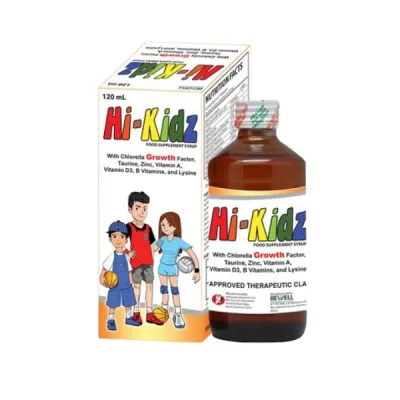
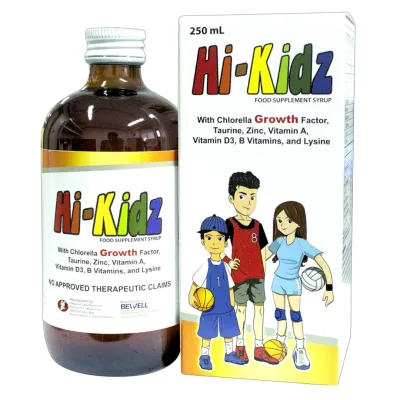
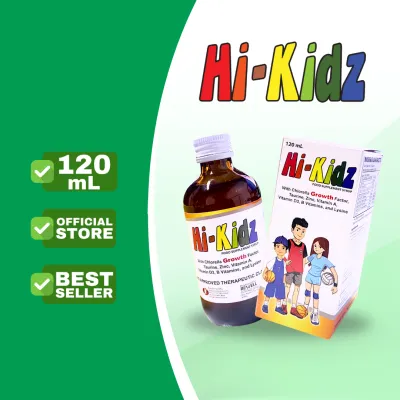
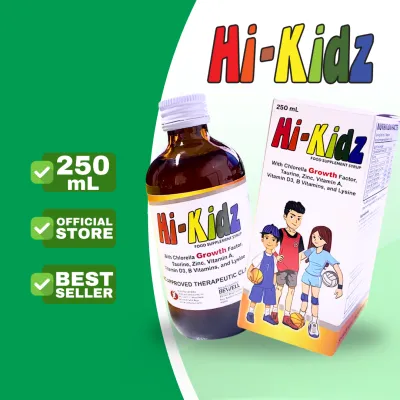
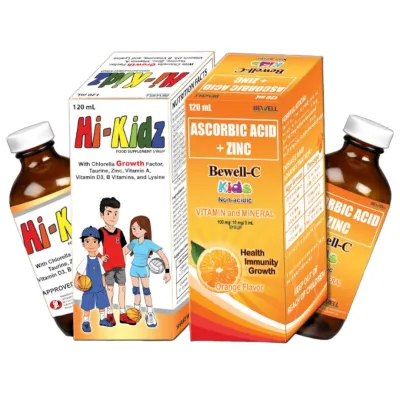

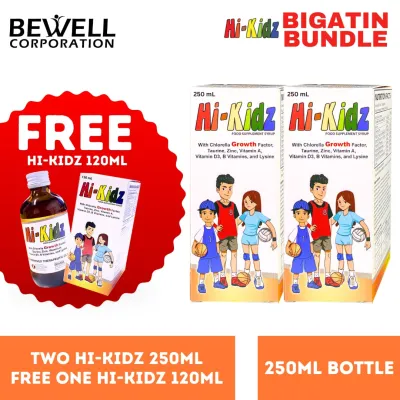
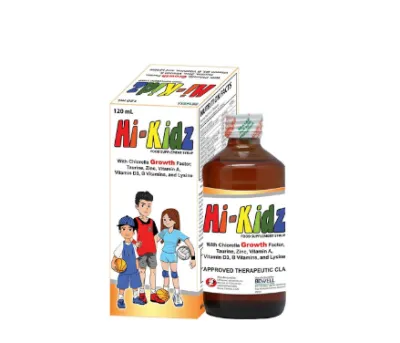
Prices are valid at publication and may change. Please refer to the product page for the latest price.
As children transition into school age, generally from age four and upward, their nutritional demands shift to support increased physical activity, academic focus, and social interaction. School-aged children face greater exposure to environmental pathogens in classrooms and playgrounds, placing a higher demand on their immune defenses. Their energy expenditure increases significantly, requiring adequate intake of B-complex vitamins to help convert food into usable energy, alongside minerals that support skeletal strength and muscle function during active play.
Parents can often observe physical and behavioral cues that may suggest a need for nutritional support. Persistent picky eating, where a child rejects entire food categories like vegetables or proteins for weeks at a time, is a common indicator. Other observable signs include frequent complaints of fatigue, low energy levels during normal playtime, slow recovery from minor seasonal discomforts, or a noticeable plateau in meeting expected height and weight milestones. These signs should always be discussed with a healthcare professional rather than diagnosed independently.
Despite the convenience of supplements, a diverse, whole-food diet must always serve as the foundation of your child’s nutrition. Whole foods provide a complex matrix of vitamins, minerals, dietary fiber, and natural phytonutrients that work synergistically to support absorption and overall health. Supplements are designed to act as a supportive safety net, filling specific, identified dietary gaps rather than replacing wholesome meals. Establishing healthy eating habits early in life remains the most effective way to ensure long-term wellness.
Matching Hi Kidz Variants to Specific Health Goals
Lysine-based formulations are commonly explored by parents seeking to support their child’s appetite and physical growth. Lysine is an essential amino acid that plays a vital role in protein synthesis, tissue repair, and the production of enzymes. In pediatric supplements, lysine is frequently paired with B-complex vitamins, which are essential for metabolic processes and energy production. If your child is experiencing a prolonged phase of poor appetite or food refusal, a lysine-based variant may be considered to help support their nutritional intake. However, because these formulations are concentrated, you must strictly check the product packaging to ensure the variant is approved for your child’s exact age group.

Multivitamin variants serve as a broad-spectrum nutritional insurance policy, particularly for children with highly selective eating habits. These formulations typically combine a range of essential vitamins, such as Vitamin A for vision, Vitamin D for calcium absorption, and Vitamin E for cellular protection, often alongside key minerals like Zinc. When choosing a multivitamin variant, it is important to review the specific nutrient inclusions against your child’s typical dietary intake. This helps ensure you are addressing actual gaps without introducing unnecessary excesses of nutrients they already receive in sufficient quantities from their daily meals.
Immunity-focused variants, particularly those highlighting Vitamin C and Zinc, are often utilized during seasonal transitions or periods of high exposure to common illnesses. In tropical climates like the Philippines, the transition from the hot dry season to the wet rainy season frequently correlates with an increase in schoolyard bugs and seasonal discomforts. Vitamin C is a powerful antioxidant that supports immune cell function and aids in the absorption of iron from plant-based foods, while Zinc is crucial for maintaining mucosal barriers and immune responses. When administering these variants, parents must be careful to monitor total daily intake to avoid exceeding the established upper limits for their child’s age.
Because product formulations, ingredient concentrations, and age recommendations can be updated by manufacturers, direct verification is a critical step for caregivers. Never rely solely on historical knowledge, online summaries, or recommendations from other parents. Always inspect the physical box and bottle of the specific product you purchase to confirm the exact variant name, active ingredient list, and age indications. Ensuring that the product in your hand matches your child’s current developmental stage is essential for safe and effective use.
How to Read the Label and Determine the Correct Dosage
Reading a supplement label accurately is the most important step in ensuring your child receives a safe and effective dose. Every reputable pediatric supplement features a detailed “Supplement Facts” panel and a dedicated directions section on the packaging. Locate the age-based and weight-based dosing charts provided by the manufacturer. Because children of the same age can vary significantly in physical size, some labels provide dosage recommendations adjusted by weight. Always use the precise measuring device—such as a calibrated syringe, dropper, or dosing cup—included in the product packaging, as standard household spoons are highly inaccurate and can lead to accidental underdosing or overdosing.
Caregivers must also be highly vigilant about potential nutrient overlaps from other dietary sources. Many modern children’s products, including growing-up milks, fortified breakfast cereals, and powdered juices, are enriched with significant amounts of vitamins and minerals. If your child consumes these fortified foods daily while also taking a multi-nutrient supplement, they may inadvertently exceed the recommended daily intake for certain vitamins, particularly fat-soluble ones like Vitamin A and Vitamin D, which accumulate in the body. Keep a detailed list of all fortified products your child consumes regularly and compare them with the active ingredients in your chosen supplement.
Understanding the difference between the Recommended Daily Allowance (RDA) and the actual nutrient amounts per serving is essential for making informed decisions. The RDA represents the average daily dietary intake level sufficient to meet the nutrient requirements of nearly all healthy individuals in a particular life stage. The values listed on a supplement label indicate the specific amount of each nutrient provided in a single serving, often expressed alongside a percentage of the daily value. A supplement does not always need to provide 100% of the RDA for every nutrient; rather, it should complement what your child is already obtaining from their daily diet to achieve a safe, balanced intake.
Safety Checks and When to Consult a Pediatrician
While pediatric supplements are formulated to be safe when used as directed, caregivers must remain alert for any signs of adverse reactions or potential vitamin toxicity. Early indicators of sensitivity or excessive intake can manifest as digestive upset, including unexplained nausea, vomiting, diarrhea, or abdominal discomfort. Other signs to watch for include unusual fatigue, persistent headaches, skin rashes, or sudden changes in behavior. If you observe any of these symptoms after introducing a new supplement, discontinue use immediately and seek professional medical advice to identify the underlying cause.
Consulting your child’s pediatrician before starting any new supplement regimen is an indispensable safety practice. A qualified healthcare professional can evaluate your child’s unique health profile, assess their growth trajectory, and determine whether supplementation is genuinely necessary. This consultation is especially critical if your child has an underlying medical condition, known food or chemical allergies, or is currently taking prescription medications, as certain vitamins and minerals can interact dynamically with medications or exacerbate existing health issues.
Proper storage of pediatric supplements is vital to prevent accidental overconsumption and maintain product integrity. Many children’s vitamins are formulated with appealing sweet flavors and bright colors, which can easily lead a child to mistake them for candy or juice. Always store supplements in their original, child-resistant containers, tightly sealed, and placed in a high cabinet completely out of your child’s sight and reach. Furthermore, the high heat and humidity characteristic of tropical climates like the Philippines can accelerate the degradation of active ingredients and cause liquid formulations to spoil. Ensure the storage area is cool, dry, and shielded from direct sunlight to preserve the safety and efficacy of the product.
Frequently Asked Questions (FAQ)
Can my child take Hi Kidz vitamins if they are already eating a balanced diet?
If your child consistently consumes a diverse, well-balanced diet that includes a wide variety of fruits, vegetables, whole grains, healthy fats, and proteins, they may not require daily vitamin supplementation. Supplements are designed specifically to fill identified nutritional gaps rather than serve as a substitute for wholesome meals. Providing unnecessary supplements to a child who already meets their nutritional needs through food can lead to nutrient excesses. It is highly recommended to consult your pediatrician to evaluate your child’s actual dietary intake and determine if additional vitamins are truly necessary for their growth and development.
What should I do if my child accidentally takes more than the recommended dose?
If you suspect or confirm that your child has accidentally consumed more than the recommended dose of vitamins, take immediate action while remaining calm. Keep the product packaging close at hand so you can provide medical professionals with the exact ingredient list and concentrations. Contact your pediatrician, a local hospital emergency room, or a national poison control center immediately for professional guidance. Do not attempt to induce vomiting or administer home remedies unless explicitly instructed to do so by a medical professional. Monitor your child closely for any immediate symptoms, such as nausea, vomiting, lethargy, or abdominal pain, while you await professional medical assistance.

Community discussion
Share your experience or ask a question. Comments are reviewed before publication.