
Choosing the right baby bottle can feel overwhelming with so many options on the shelves. When looking at the Gulicola range, you will find glass, polypropylene (PP), polyphenylsulfone (PPSU), and silicone. There is no single “best” material for every family. Instead, the right bottle depends on your baby’s age, who is feeding them, and your daily lifestyle.
For parents prioritizing ultimate hygiene and chemical-free longevity, glass remains an exceptional choice. If you need something lightweight, shatterproof, and easy for your baby to hold, PP offers a budget-friendly option, while PPSU provides a premium, highly durable plastic alternative. Meanwhile, silicone bottles offer a soft, squeezable texture that closely mimics the breast, making them a favorite for babies transitioning from breastfeeding. By understanding the unique strengths of each material, you can build a bottle collection that fits your family’s needs perfectly.
Quick Guide to Gulicola Bottle Materials
Before diving into the technical details, a quick summary can help you narrow down your choices. Every material has distinct physical traits that affect how you feed, clean, and store your baby’s bottles.
Products mentioned in this guide
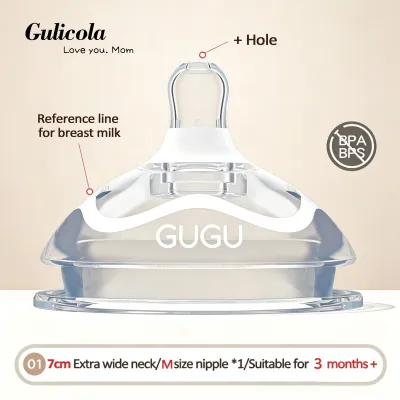
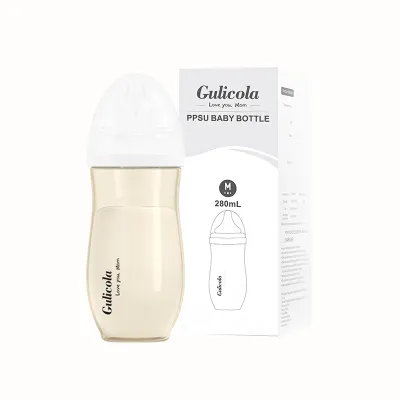
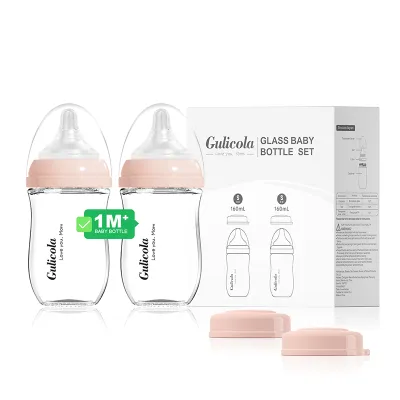
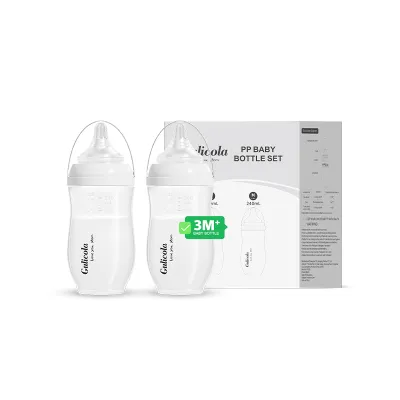
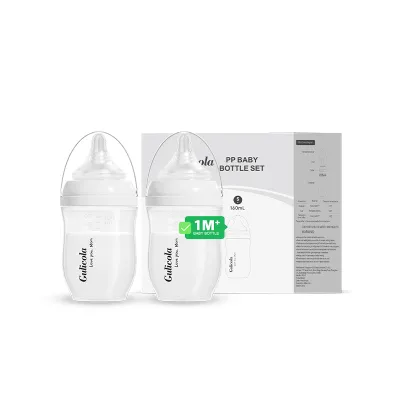
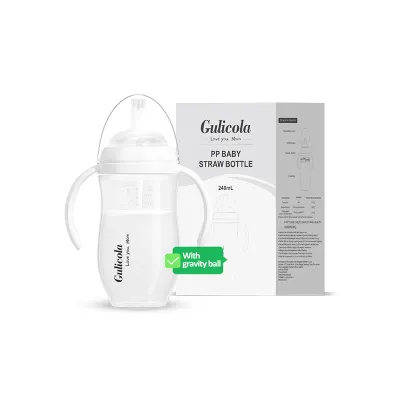
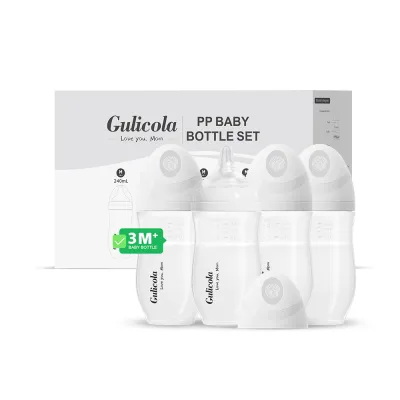
Prices are valid at publication and may change. Please refer to the product page for the latest price.
- Glass: This is the gold standard for hygiene. It is highly scratch-resistant and does not absorb odors or milk fat, but it is heavy and can break if dropped.
- Polypropylene (PP): This lightweight, shatterproof plastic is highly affordable and widely accessible, though it has a lower heat tolerance and needs more frequent replacement.
- Polyphenylsulfone (PPSU): Often recognized by its natural honey-colored tint, this medical-grade plastic is incredibly durable, highly heat-resistant, and lightweight.
- Silicone: Soft, pliable, and skin-like, silicone is excellent for breastfed babies, though its texture can attract dust in humid tropical environments.
Ultimately, your choice will likely evolve as your baby grows from a cradled newborn into an active, self-feeding toddler.
Comparing the 4 Main Gulicola Bottle Materials
Glass Feeding Bottles
Glass has been trusted by generations of parents, and for good reason. It is completely free from industrial chemicals and offers a non-porous surface that is incredibly easy to clean. Because glass does not scratch easily, there are no microscopic crevices where bacteria or milk fat residues can hide after washing. This scratch resistance also means the bottles maintain crystal-clear transparency even after months of daily use and sterilization.

However, glass bottles come with practical trade-offs that parents must consider. They are significantly heavier than plastic or silicone alternatives, which can tire your wrists during long late-night feeds. This weight also means that young babies cannot safely hold the bottle themselves. The most obvious drawback is fragility; a single drop on a tiled kitchen floor can result in dangerous shards. To mitigate this risk, parents should check if their specific Gulicola glass bottle comes with or supports a protective silicone sleeve, which enhances grip and absorbs minor impacts.
Polypropylene (PP) Feeding Bottles
Polypropylene, commonly known as PP, is the standard plastic used in most affordable baby bottles. Its primary advantage is its lightweight nature, which makes it incredibly easy to pack in a diaper bag or for your baby to hold independently. It is also highly shatterproof, giving you peace of mind when your little one inevitably tosses the bottle from a high chair or stroller. For parents looking to build a large bottle stash without spending a fortune, PP is generally the most budget-friendly option.
The trade-off for this affordability is long-term durability. PP is a softer plastic, meaning it is highly prone to micro-scratches from bottle brushes. These tiny scratches can trap milk residue and bacteria over time, leading to a cloudy appearance and lingering odors. PP also has a lower heat tolerance compared to other materials. Frequent exposure to high-heat sterilization can cause the plastic to warp, degrade, or become brittle over time, requiring you to replace these bottles more frequently than glass or PPSU.
Polyphenylsulfone (PPSU) Feeding Bottles
If you want the lightweight convenience of plastic but the durability and heat resistance of glass, PPSU is the premium solution. Easily recognizable by its distinct amber or golden tint, PPSU is a medical-grade thermoplastic that is incredibly tough. It does not absorb odors or stains easily, and it maintains its structural integrity even after hundreds of sterilization cycles. This makes it an increasingly popular choice for parents who want a long-lasting bottle system.
The primary limitation of PPSU is its upfront cost. A single PPSU bottle can cost significantly more than a standard PP bottle, which can be a barrier if you need to buy a large set. However, because PPSU is highly resistant to impact and high temperatures, these bottles last much longer without warping or scratching. For many families, the higher initial investment pays off because they do not need to replace the bottles nearly as often during the baby’s first year.
Silicone Feeding Bottles
Silicone bottles represent a modern approach to infant feeding. Made from food-grade silicone, these bottles feature a soft, squeezable body that feels warm and skin-like to the touch. This tactile feedback can be incredibly comforting to babies, especially those who struggle to transition from breast to bottle. Silicone is also highly heat-resistant, shatterproof, and free from rigid plastic chemicals, making it a very safe and durable option.
However, the flexible nature of silicone requires some adjustment. Older babies with developing motor skills might squeeze the pliable body too hard, which can cause an unexpected rush of milk to spray from the nipple. Additionally, in humid tropical climates, the slightly tacky surface of silicone has a natural tendency to attract lint, pet hair, and airborne dust. When choosing a silicone bottle, it is helpful to check if it features a rigid plastic collar or outer shell to provide structural support and prevent accidental spills during assembly.
Matching the Bottle Material to Your Baby's Daily Routine
To make the best decision, it helps to look at how these materials fit into your daily life, especially within the context of a busy household.
Age and Motor Skills During the first few months, when you are doing all the holding and feeding, a glass bottle is excellent because of its hygiene and ease of cleaning. However, around the six-month mark, babies begin to develop their fine motor skills and want to hold the bottle themselves. At this stage, transitioning to lightweight PP or PPSU is highly recommended. These materials are light enough for tiny hands to lift and will not cause injury or break if dropped onto the floor.
Home vs. Daycare and Travel Your feeding environment should also dictate your material choice. If your baby attends daycare or frequently travels to visit family, shatterproof materials like PP, PPSU, or silicone are essential. Diaper bags get tossed around, and daycare centers often prefer or require non-glass bottles to prevent accidental breakage in shared play areas. Keep your glass bottles safely at home for controlled, quiet feeding sessions where the risk of dropping is minimized.
Caregiver Factor Consider who will be handling the bottles daily. If grandparents or nannies are assisting with feedings, heavy glass bottles can sometimes be difficult to manage, especially during exhausting middle-of-the-night feeds. A lightweight PPSU or PP bottle is much easier for tired hands to grip securely. Using lighter bottles also reduces the physical strain on caregivers who might be feeding the baby multiple times a day.
Budget and Replacement Cycles While PP bottles are highly affordable upfront—often costing a fraction of premium materials—they wear out quickly. If you calculate the cost of replacing scratched or cloudy PP bottles every few months, investing in a few high-quality PPSU or glass bottles can actually be more economical in the long run. Consider your budget not just as an immediate expense, but as a long-term investment over your baby’s first year of life.
Climate Considerations Living in a warm, humid tropical climate like the Philippines introduces specific storage challenges. Silicone bottles, with their soft and slightly static-prone surfaces, can easily collect dust and fine fibers from the air. If you choose silicone, you must store the washed and dried bottles in closed, airtight containers rather than on open drying racks. This extra step ensures that the bottles remain perfectly clean and ready for the next feed.
Cleaning and Sterilizing Gulicola Bottles by Material
Proper cleaning and sterilization are crucial to keeping your baby healthy, but each material reacts differently to heat and cleaning tools.
The Golden Rule Before applying any heat or chemical sterilizers, always check the specific Gulicola product label, packaging, and user manual. Manufacturer instructions vary, and verifying the exact temperature limits of your specific bottle model is the only way to prevent damage and ensure safety. If instructions are missing or conflict with general advice, contact the manufacturer directly.
Boiling and Steam Sterilization Glass, PPSU, and silicone are highly resilient and can easily withstand the high temperatures of steam sterilizers and boiling water. PP bottles can also be boiled, but they are much more sensitive to heat. If you leave a PP bottle in boiling water for too long, or if it touches the hot bottom of the pot, it can easily warp or degrade. Always monitor PP closely and stick strictly to the manufacturer’s recommended boiling times.
UV Sterilizers UV sterilizers are incredibly convenient, but they can affect materials differently. Prolonged exposure to UV light can cause certain plastics, particularly PP, to yellow, become brittle, and degrade much faster than normal. Glass and PPSU are generally much more stable under UV light. To protect your investment, always check the product packaging to confirm if your specific bottle material is rated as UV-compatible before placing it in a UV machine.
Cleaning Tools To extend the life of your bottles, avoid abrasive cleaning tools. Coarse sponges or stiff plastic-bristled brushes can create microscopic scratches on PP and PPSU surfaces. Instead, opt for soft silicone brushes or soft-bristled nylon brushes. These gentle tools clean thoroughly without compromising the smooth inner surface of the bottles, keeping them hygienic and clear for longer.
When to Replace Regardless of the material, you must inspect your baby’s bottles regularly for signs of wear. It is time to retire and replace a bottle immediately if you notice:
- Deep scratches or cracks on the inner or outer surface.
- Persistent cloudiness or discoloration that does not wash away.
- A sticky or tacky texture, which indicates the material is breaking down.
- Heavy warping that prevents a secure, leak-free seal with the collar.
- A lingering sour milk odor that persists even after thorough cleaning and sterilization.
Frequently Asked Questions (FAQ)
Can I mix different Gulicola bottle materials for the same baby?
Yes, mixing different materials is a highly practical approach used by many parents. You might prefer using glass bottles at home for their hygiene, while keeping lightweight PPSU or silicone bottles in your diaper bag for travel and daycare. While your baby may notice the slight difference in weight and texture, they will generally adapt quickly as long as you use the same nipple shape and flow rate across all bottles.
How often should I replace plastic or silicone feeding bottles?
There is no fixed calendar schedule for replacing bottles, as it depends entirely on how often they are used, washed, and sterilized. As a general guideline, standard PP bottles often need replacement every 3 to 6 months due to scratching and cloudiness. High-quality PPSU and silicone bottles can last significantly longer, but you should still inspect them daily and replace them immediately if you see any cracks, deep scratches, or changes in texture.
How do I verify if a Gulicola bottle is safe for boiling?
To verify if your bottle can be boiled safely, look at the base of the bottle or the original packaging for heat-tolerance symbols or temperature ranges. Most baby bottles will display a maximum temperature limit (such as 110°C for PP or 180°C for PPSU). Always consult the manufacturer’s official user guide to confirm the recommended boiling duration and to ensure that all parts, including the collar and cap, are also heat-safe.

Community discussion
Share your experience or ask a question. Comments are reviewed before publication.