
Choosing the right feeding bottle for baby boy 1 year old toddlers involves balancing durability, safety, and daily convenience. At twelve months old, children are rapidly developing their motor skills, which means bottles are frequently dropped, tossed, or knocked off high chairs. For most active toddlers, silicone and high-grade plastic bottles offer the most practical, shatterproof performance for independent holding. However, glass remains an excellent alternative for parents who prioritize maximum hygiene and chemical purity, provided the bottle is paired with a protective sleeve and used under direct supervision.
Understanding Your 1-Year-Old's Feeding Needs
At one year of age, a toddler’s physical capabilities and behavioral patterns undergo significant changes that directly impact how they interact with their feeding gear. Fine motor skills are developing rapidly, allowing your child to grasp, lift, and tilt objects independently. This developmental milestone also comes with a natural desire to explore cause and effect, which often manifests as throwing or dropping bottles onto the floor. Consequently, impact resistance becomes a primary safety consideration for any bottle used during this active stage.
Chemical safety remains a critical priority as your child continues to grow. When selecting any feeding vessel, caregivers must carefully inspect the packaging and product labels to verify that the materials are entirely free from Bisphenol A (BPA), Bisphenol S (BPS), and phthalates. Because toddlers consume multiple meals a day, ensuring that their feeding equipment does not leach unwanted chemicals during heating or cleaning is essential for long-term peace of mind.
Products mentioned in this guide
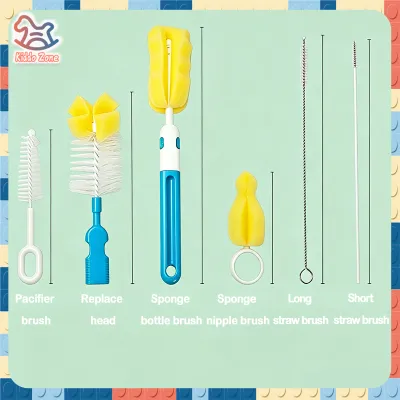
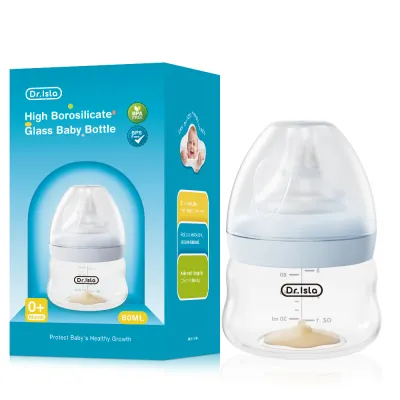
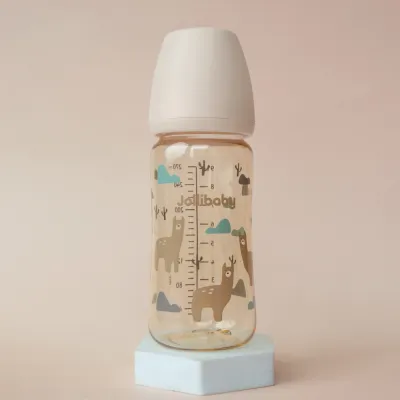
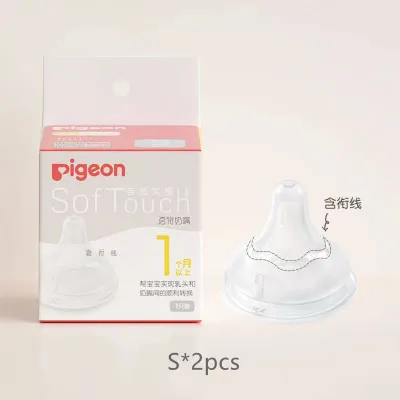
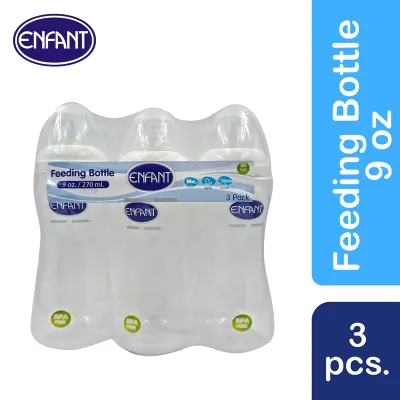
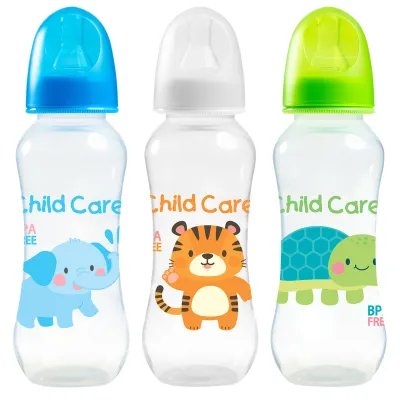
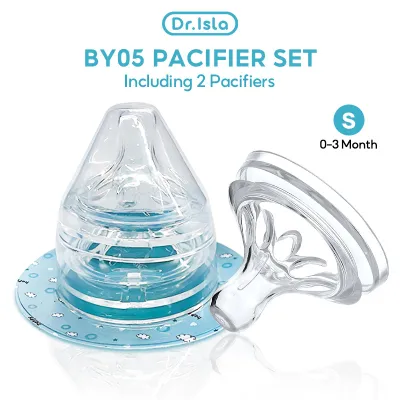
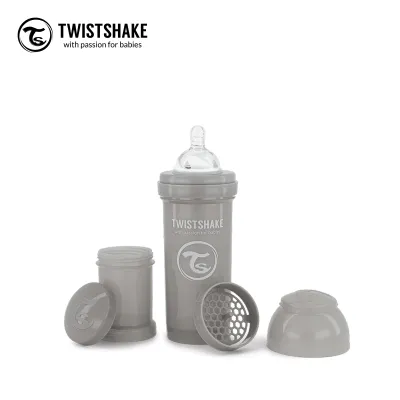
Prices are valid at publication and may change. Please refer to the product page for the latest price.
This period also marks a major transition toward self-feeding and independent holding. A bottle that is too heavy or awkward to grip can frustrate a toddler, leading to fatigue and messy spills. Lightweight materials encourage your child to hold their own bottle, boosting their confidence and coordination. Selecting a bottle that matches your child’s physical strength ensures a smoother transition during daily meal times.
Glass, Plastic, and Silicone: Material Profiles
Navigating the market requires understanding the distinct physical properties of glass, plastic, and silicone. Each material offers unique advantages and trade-offs in terms of durability, weight, and ease of maintenance. Before making a purchase, always check the manufacturer’s age recommendations and safety certifications printed on the product label to ensure the bottle is rated for toddler use.

Glass Bottles
Glass bottles are highly regarded for their exceptional hygiene benefits. Because glass is a non-porous material, it does not absorb milk fats, food colors, or stubborn odors over time. This makes it incredibly easy to clean, as milk residue washes away smoothly without leaving a cloudy film or persistent smell, even after months of continuous use.
However, the weight of glass is a significant factor for a developing toddler. Glass bottles are noticeably heavier than their plastic or silicone counterparts, which can make it difficult for a one-year-old to hold the bottle steady for extended periods. This added weight can lead to hand fatigue, causing the child to drop the bottle more frequently during feeding sessions.
This weight also introduces a clear breakage risk. When dropped onto hard surfaces, such as ceramic tiles common in tropical homes, unprotected glass can shatter into dangerous shards. To mitigate this hazard, caregivers must use a thick, shock-absorbing protective silicone sleeve. This sleeve provides a non-slip grip and cushions the glass against moderate impacts, though supervised feeding remains necessary.
Plastic Bottles
Plastic bottles are a popular choice for families on the go due to their lightweight design. They are exceptionally easy for a one-year-old to lift, hold, and carry around independently. This lightweight nature reduces the physical effort required for self-feeding, making meal times more manageable for both the toddler and the caregiver.
In terms of durability, plastic excels at surviving high-velocity drops. When a toddler throws a plastic bottle from a high chair, it bounces safely without breaking. However, plastic is susceptible to micro-scratches on the interior walls, often caused by stiff bottle brushes during cleaning. These tiny scratches can trap milk proteins and harbor bacteria over time, requiring more diligent scrubbing and eventual replacement.
When choosing plastic, rigorous label verification is mandatory. Caregivers should look for high-quality, food-grade plastics such as polypropylene (PP) or polyphenylsulfone (PPSU). Always verify that the packaging explicitly states the bottle is BPA-free and BPS-free to ensure it remains safe under repeated exposure to warm liquids.
Silicone Bottles
Silicone bottles offer a unique, flexible texture that closely mimics the soft feel of skin. This squeezable design can be highly comforting for toddlers who are transitioning from breastfeeding to bottle-feeding or cup-feeding. The pliable body allows small hands to get a secure, tactile grip, which aids in developing fine motor control.
These bottles boast an incredibly high drop survival rate. Because silicone is naturally elastic and shock-absorbing, it cannot shatter, crack, or chip when dropped onto hard floors. This makes it one of the safest options for active toddlers who like to toss their belongings during play.
Despite these benefits, silicone has specific heat tolerance limits that caregivers must verify. While high-quality silicone can withstand standard boiling water, some designs may warp or degrade if exposed to extreme, prolonged heat in certain electric sterilizers. Additionally, the slightly porous nature of silicone means it can occasionally retain odors from milk fats if it is not washed promptly with warm, soapy water.
Comparing Materials Across Daily Use Dimensions
To choose the most practical bottle for your daily routine, it helps to compare how these three materials perform across key practical categories. Active toddlers require gear that can withstand daily wear while remaining easy for parents to clean and maintain.
Drop survival is a major differentiator. In homes with hard tile or concrete floors, an unprotected glass bottle is highly vulnerable to cracking or shattering upon impact. Plastic and silicone bottles, by contrast, easily survive repeated drops without structural damage, making them far more resilient for independent toddler use.
Weight and grip also play a vital role in self-feeding success. Glass is heavy and can be slippery when wet, requiring a sleeve to improve traction. Plastic is incredibly light but rigid, while silicone is both lightweight and naturally slip-resistant, offering the easiest grip for small, developing hands.
Cleaning and drying requirements vary significantly, especially in warm, humid climates where mold can develop quickly. Glass dries rapidly and does not harbor bacteria in scratches. Plastic dries quickly but must be inspected regularly for interior scratches that can trap residue. Silicone is highly durable but can take longer to dry completely in humid environments, requiring well-ventilated drying racks to prevent moisture buildup.
| Comparison Dimension | Glass Bottles | Plastic Bottles | Silicone Bottles |
|---|---|---|---|
| Drop Survival | Low (requires protective sleeve) | High (shatterproof) | Excellent (naturally shock-absorbing) |
| Weight & Grip | Heavy; requires sleeve for grip | Very lightweight; smooth surface | Lightweight; soft, non-slip texture |
| Cleaning & Drying | Easy to clean; dries very quickly | Prone to scratches; dries quickly | Odor-retentive; requires good ventilation |
| Best For | Maximum hygiene under supervision | Budget-friendly, lightweight travel | Active toddlers who drop bottles often |
Making the Final Decision: Which Material Fits Your Routine?
Selecting the right bottle material ultimately depends on your household environment, feeding habits, and daily routine. By matching the material’s strengths to your specific lifestyle, you can ensure a safer and more convenient feeding experience.
Consider choosing glass if you prioritize chemical purity above all else and prefer a material that will never scratch, stain, or retain odors. Glass is ideal for families who conduct feeding sessions in carpeted or cushioned areas and are committed to supervising their toddler closely while using a protective silicone sleeve.
Opt for plastic if you need a highly portable, budget-friendly option that saves you several hundred pesos (₱) over time and is easy to pack for outdoor trips. This is the right choice if you want a lightweight bottle that your child can easily hold on their own, and you are willing to inspect and replace the bottles regularly at the first sign of wear or scratching.
Select silicone if your toddler is highly active, frequently throws objects, and needs a soft, drop-proof bottle that can survive rough handling. Silicone is perfect for encouraging independent holding without the risk of breakage, provided you wash the bottles promptly to prevent milk odors from settling into the material.
Before finalizing your choice, always verify the compatibility of your chosen bottle with your existing home appliances. Check the manufacturer’s instructions to ensure the bottle material can safely withstand the temperatures of your specific electric steam sterilizer, UV sanitizer, or bottle warmer, as some plastics and silicones have strict temperature limits.
Frequently Asked Questions (FAQ)
When should I transition my 1-year-old from a feeding bottle to a sippy or straw cup?
Most pediatric guidelines recommend introducing a cup around six months of age and aiming to transition away from feeding bottles entirely by twelve to eighteen months. Prolonged bottle use can impact developing dental structures and alignment. Caregivers can look for observable signs of readiness, such as a toddler’s ability to sit upright independently, hold objects with a stable grip, and show interest in drinking from an open cup. To ease the transition, start by replacing one midday bottle feeding with a straw cup, gradually moving to morning and evening feedings over several weeks.
How do I know when it is time to replace a plastic or silicone bottle?
Caregivers should perform regular visual and tactile checks on all toddler bottles. Plastic bottles should be discarded immediately if you notice deep scratches, persistent cloudiness, cracks, or a stubborn sour odor that does not disappear after washing. These physical imperfections can harbor harmful bacteria that standard washing cannot reach. Silicone bottles should be replaced if they develop tears, sticky surfaces, or severe discoloration. Regularly inspecting your child’s feeding gear ensures that every meal remains clean, hygienic, and safe.

Community discussion
Share your experience or ask a question. Comments are reviewed before publication.