
Choosing the safest baby bottle involves balancing chemical stability, physical durability, and daily hygiene practices. There is no single material that is universally perfect or absolutely safe for every family; instead, glass, plastic, and silicone each present distinct safety profiles and practical trade-offs. Your choice should align with your baby’s developmental stage, your daily sterilization routine, and how carefully you can monitor the wear and tear of each bottle.
Quick Guide: Evaluating Baby Bottle Safety
When evaluating baby bottle safety, caregivers must look beyond marketing claims and focus on three primary dimensions: chemical leaching, physical hazards, and hygiene maintenance. Chemical leaching refers to the potential migration of synthetic compounds from the bottle material into milk, especially when exposed to high temperatures during warming or sterilization. Physical hazards include the risk of glass breakage or small, torn components becoming choking hazards. Hygiene maintenance involves how easily a material can be thoroughly cleaned and dried without harboring bacterial biofilms or mold.
Before purchasing any bottle, always check the manufacturer’s packaging for age recommendations, flow rates, and specific safety warnings. Understanding these specifications ensures you are using the product as intended by the manufacturer. While some materials offer superior chemical inertness, they may carry higher physical risks, making it essential to weigh these trade-offs against your household’s daily routine and your baby’s physical development.
Products mentioned in this guide
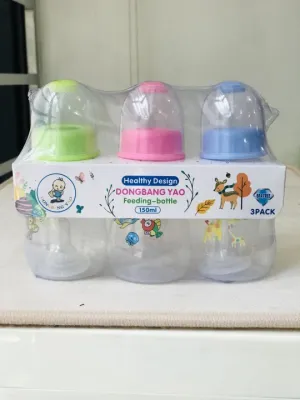
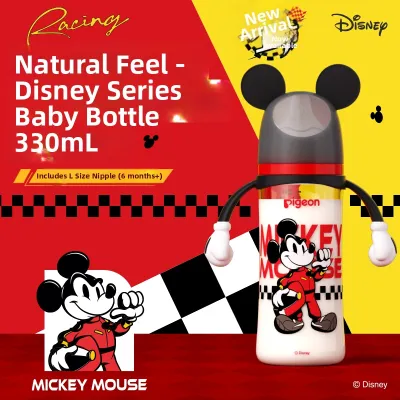
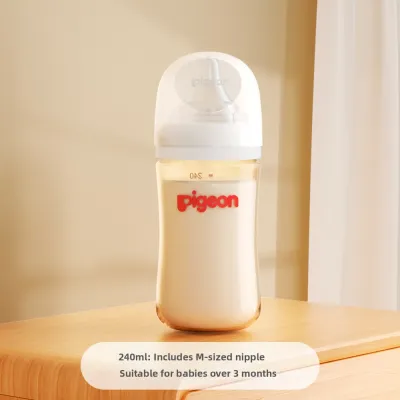
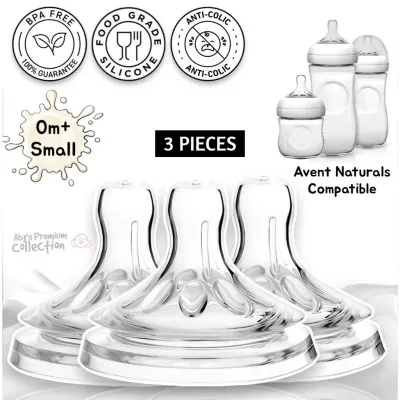
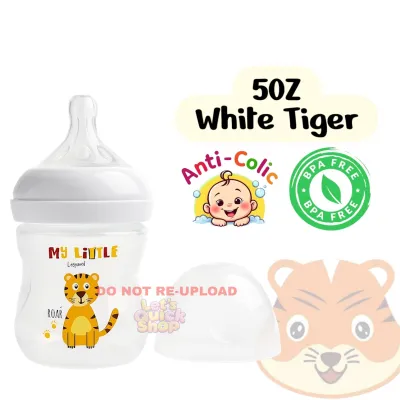
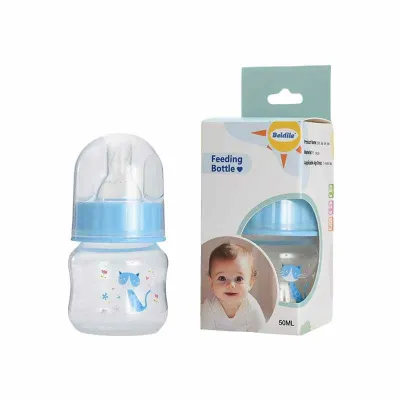
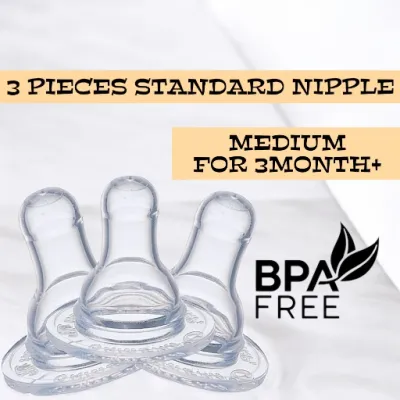
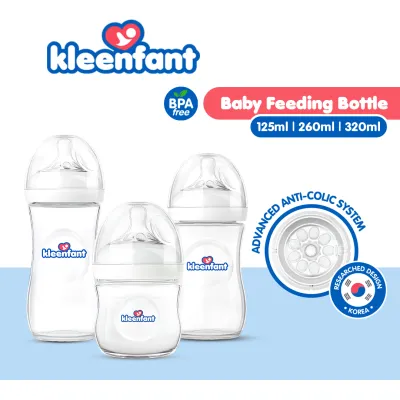
Prices are valid at publication and may change. Please refer to the product page for the latest price.
Glass Baby Bottles: Inertness and Physical Handling
Glass baby bottles are highly regarded for their chemical inertness, meaning they do not leach chemicals or absorb odors and stains over time. When selecting glass bottles, verify on the product label whether they are made from borosilicate glass or standard soda-lime glass. Borosilicate glass is engineered to offer high thermal shock resistance, allowing it to transition safely from cold refrigeration to warm water without cracking. Standard glass is more sensitive to rapid temperature changes and requires more gradual warming.

Despite their chemical stability, glass bottles present clear physical safety risks due to their fragility. Dropping a glass bottle can result in immediate breakage or create micro-cracks that compromise the bottle’s structural integrity during subsequent uses. To mitigate this risk, many caregivers use protective silicone sleeves, which help absorb impact during accidental drops. However, these sleeves do not make the bottle entirely shatterproof, and regular visual inspections for hairline cracks remain necessary.
Weight is another critical factor when handling glass bottles. Glass is significantly heavier than plastic or silicone, which can make it difficult for older infants to hold the bottle independently during self-feeding transitions. Because of this weight and the risk of breakage, close caregiver supervision is always required when a baby is feeding from a glass bottle to prevent accidental drops on hard floors.
Plastic Baby Bottles: Navigating Wear and Chemical Labels
Plastic baby bottles are lightweight, shatterproof, and highly convenient for active families, but they require careful monitoring to ensure ongoing safety. When choosing plastic, instruct yourself to read the recycling codes on the bottom of the bottle and look for explicit manufacturer claims of being “BPA-free” and “BPS-free.” Common safe plastics include polypropylene (PP), polyphenylsulfone (PPSU), and polyethersulfone (PES), each offering different levels of heat resistance and durability.
Over time, plastic is highly susceptible to physical degradation. Cleaning plastic bottles with abrasive bottle brushes can create micro-scratches on the inner walls, which can trap milk residue and harbor bacteria. Caregivers should regularly inspect plastic bottles for signs of wear, such as cloudiness, persistent odors, or visible scratches. If any of these signs are present, the plastic has begun to degrade, and the bottle must be discarded and replaced.
Heat exposure is a primary catalyst for plastic degradation. You must strictly follow the manufacturer’s instructions regarding temperature limits during sterilization and warming. Overheating plastic bottles during boiling or steam sterilization can accelerate the breakdown of the polymer structure, potentially releasing microplastics into the milk. Always allow plastic bottles to cool completely after sterilization before filling them.
Silicone Baby Bottles: Flexibility and Material Verification
Silicone baby bottles have gained popularity due to their soft, flexible texture, which closely mimics natural feeding. When purchasing silicone bottles, verify that the product label indicates the use of food-grade or medical-grade silicone, which complies with established safety standards. These grades of silicone are free from harmful chemical additives and can withstand high temperatures without degrading.
To check the quality of a silicone bottle at home, you can perform a simple “pinch test” by pinching and twisting a flat section of the silicone. If a white color shows through the pinched area, it may indicate the presence of cheap chemical fillers rather than pure silicone. While the pinch test is a helpful quick check, keep in mind that it is an informal observation and cannot replace professional laboratory testing or official certification labels.
Silicone is highly heat-resistant, but its semi-permeable nature means it requires specific care to maintain hygiene. In humid tropical climates like the Philippines, improper drying can quickly lead to moisture retention and mold growth inside the bottle walls or collar rings. To prevent this, ensure all silicone parts are completely disassembled, thoroughly washed, and placed on a well-ventilated drying rack in a dry area to air out completely before reassembly.
Matching Bottle Materials to Your Feeding Routine
Selecting the right bottle material depends heavily on your lifestyle, travel habits, and budget. Comparing the physical properties of each material can help you determine which option fits best into your daily routine.
| Material | Weight | Travel Suitability | Lifespan | Cleaning Effort |
|---|---|---|---|---|
| Glass | Heavy | Low (risk of breakage) | Long (unless chipped) | Low (easy to sanitize) |
| Plastic | Very Light | High (shatterproof) | Short (3-6 months) | Moderate (scratches easily) |
| Silicone | Light | High (flexible) | Medium (6 months) | Moderate (requires thorough drying) |
Budget considerations should also factor into your decision, especially when looking at the long-term cost of frequent replacements. In local baby boutiques and online marketplaces, plastic bottles are often the most affordable upfront option, typically ranging from ₱150 to ₱350, but their short lifespan means you will need to replace them frequently. Glass and silicone bottles require a higher initial investment, often ranging from ₱500 to over ₱900, but they can offer better long-term value if maintained carefully.
Many families find success by adopting a hybrid feeding strategy rather than relying on a single material. For example, you might choose to use stable, chemically inert glass bottles for controlled feedings at home where drops are less likely. For travel, daycare, or stroller outings, lightweight and shatterproof silicone or plastic bottles can provide greater convenience and peace of mind.
Essential Cleaning, Sterilization, and Inspection Rules
Regardless of the bottle material you choose, establishing strict cleaning and sterilization habits is paramount to your baby’s health. Always follow the specific sterilization, boiling, and cleaning instructions provided by the bottle manufacturer. Different materials have unique heat tolerances, and using incorrect sterilization methods—such as boiling certain plastics for too long—can warp the parts or accelerate material breakdown.
Regularly inspect all bottle components, including nipples, collar rings, valves, and anti-colic vents. Gently pull on the silicone nipples and valves to check for tiny tears, stickiness, discoloration, or blockages. Damaged or worn-out nipples can cause improper milk flow, leading to feeding frustration, or they can tear completely and present a severe choking hazard.
If you observe any structural damage, cracks, or persistent cloudiness, stop using the bottle immediately. If your baby exhibits sudden feeding aversion, excessive gas, or signs of physical discomfort during or after feeding, consult a qualified pediatrician to rule out underlying health issues and ensure your feeding equipment is suitable for your baby’s developmental needs.
Frequently Asked Questions (FAQ)
Can I mix different bottle materials for my baby?
Yes, mixing different bottle materials is a practical way to handle various feeding scenarios, such as using glass at home and plastic or silicone while traveling. However, when mixing materials, try to keep the nipple shape and flow rate consistent across all bottles to prevent nipple confusion or feeding frustration for your baby. Additionally, make sure to track and follow the distinct cleaning, heating, and sterilization instructions required for each specific material to avoid damaging them.
How often should I replace my baby bottles?
Replacement timelines depend on the material and visible signs of wear. Plastic bottles should generally be replaced every 3 to 6 months, or immediately if they become cloudy, scratched, or retain a strong odor. Silicone bottles typically last about 6 months but must be discarded if they feel sticky, show discoloration, or develop tiny tears. Glass bottles can be used indefinitely as long as they are free of chips, cracks, or deep scratches. Always inspect bottle nipples daily and replace them every 2 to 3 months, or sooner if the flow rate becomes too fast or the material degrades.
Community discussion
Share your experience or ask a question. Comments are reviewed before publication.