
Deciding which Dr. Isla milk storage option to pack for an outing depends on your travel duration, diaper bag capacity, and feeding setup. When preparing for a trip with your baby, matching your storage format to your specific itinerary helps keep breast milk fresh and feeding times organized. Whether you choose flexible storage bags, stackable cups, or ready-to-feed bottles, each format offers distinct advantages depending on how long you will be away from home.
For brief trips, such as a quick run to the local grocery store or a short visit to a nearby park, carrying a pre-filled bottle is often the most straightforward approach. For extended day trips, family gatherings, or travel through warm, humid environments, maximizing space in an insulated cooler bag becomes your top priority. In these longer scenarios, flat-laying storage bags or stackable cups paired with reusable ice packs provide the thermal efficiency and compact organization needed to keep milk fresh.
Matching Dr. Isla Storage Formats to Your Outing Scenario
Selecting the right storage format requires balancing three main variables: the total duration of your trip, your planned feeding method, and the physical space inside your diaper bag. Each format presents specific trade-offs between convenience, weight, and thermal stability. Understanding these factors allows you to pack efficiently without carrying unnecessary bulk or risking milk spoilage.
Products mentioned in this guide
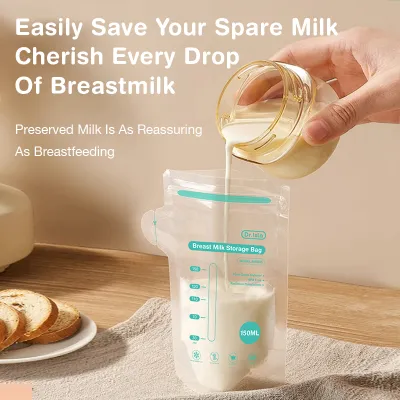
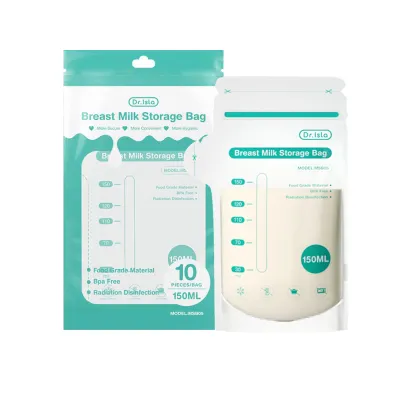
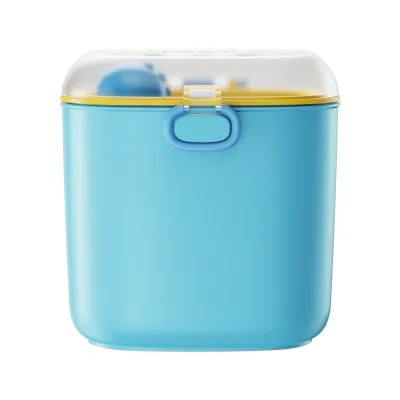
Prices are valid at publication and may change. Please refer to the product page for the latest price.
Quick Errands and Short Trips
When you are only stepping out for an hour or two, simplicity is key to a stress-free outing. Pre-filled baby bottles are highly practical for short durations because they eliminate the need for extra transfer steps or adapters when feeding time arrives. You can simply warm the bottle if necessary, feed your baby, and store the empty bottle back in your bag.
However, rigid bottles do carry more physical weight and take up a fixed amount of space in your diaper bag, regardless of whether they are full or empty. If you prefer to travel light, carrying a single pre-filled bottle alongside a compact, empty backup container can keep your load manageable.
Direct feeding from a bottle also minimizes the risk of spills during transit, as you do not have to pour milk between different containers while on the go. This makes bottles a practical choice for quick errands where you want to feed your baby quickly and return home without managing multiple loose parts.
Long Outings and Full-Day Travel
For full-day travel or extended outings, managing the temperature of your stored milk is critical, especially in tropical climates where ambient heat can accelerate spoilage. Milk storage bags excel in these situations because they can be frozen flat ahead of time. This flat profile allows you to stack multiple bags tightly inside an insulated cooler bag, maximizing the contact area with your ice packs.
If you prefer reusable options, stackable storage cups offer a sturdy alternative for full-day trips. These cups are designed to lock together or stack neatly, preventing them from rolling around inside your cooler bag and helping maintain an even distribution of cold air.
When planning for extended hours away, you must verify that your cooler bag is packed with enough high-quality ice packs to maintain a consistently cold environment. Monitoring the condition of the ice packs throughout the day helps you decide when it is time to use the milk or seek a refrigerator.
Comparing Bags, Cups, and Bottles for On-the-Go Use
To make the final decision on which format to pack, it helps to compare how bags, cups, and bottles perform across key practical categories. Each option has unique physical characteristics that affect your packing space, feeding workflow, and cleaning routine while away from home.

Space and weight dynamics change significantly depending on whether your containers are full or empty. Milk storage bags are incredibly lightweight and take up virtually zero space once they are empty, making them a highly efficient option for keeping your diaper bag light on the return journey. Reusable cups and bottles, on the other hand, retain their rigid shape and volume even when empty, requiring you to carry the same bulk throughout the entire trip.
The feeding workflow is another major differentiator. Bottles are ready for immediate use, requiring no transfer of milk, which reduces the risk of contamination and accidental spills. Storage cups and bags typically require you to pour the milk into a compatible feeding bottle, though some systems allow direct attachment with specific adapters. If you choose a format that requires transferring milk, you must find a clean, stable surface to perform the transfer safely while out in public.
Cleaning and maintenance requirements should also guide your choice, especially if you do not have access to a clean sink during your outing. Storage bags are single-use items that you can simply discard after feeding, eliminating the need to carry dirty containers home. Reusable cups and bottles must be stored securely in a wet bag after use and thoroughly washed and sterilized once you return to your home kitchen.
Essential Safety and Preparation Checks Before Leaving
Before walking out the door, performing a few quick quality and safety checks can prevent leaks, contamination, and spoiled milk. Taking these precautionary steps helps ensure that your feeding equipment remains functional and your baby’s milk stays properly preserved.
First, carefully inspect the seals, zippers, and caps of your chosen storage containers. For milk storage bags, run your fingers firmly along the double-zipper seal to verify it is completely locked, and check for any micro-tears near the seams. For cups and bottles, inspect the silicone sealing rings inside the lids and ensure you screw the caps on straight to avoid cross-threading, which is a common cause of slow leaks during transit.
Second, verify the compatibility of all your feeding accessories before you leave. If you plan to pump directly into a bag or cup, or if you use adapters to feed directly from a storage container, test the connections at home first. Ensure that the threads align smoothly and lock securely according to the manufacturer’s instructions, as mismatched parts can lead to spilled milk or loose attachments during a feed.
Finally, optimize your cooler bag setup to withstand local weather conditions. Place your frozen milk storage bags or chilled cups directly between frozen ice packs to create a cold core, and avoid opening the cooler bag unnecessarily during your trip. If you are traveling in high humidity or extreme heat, consider using a cooler bag with thick insulation and dedicated compartments to keep your milk at a safe, stable temperature until it is ready to be consumed.
Frequently Asked Questions (FAQ)
Can I feed my baby directly from a milk storage bag?
Feeding directly from a milk storage bag is possible if you use compatible adapters and bottle nipples designed to attach securely to the bag’s opening. You must check the manufacturer’s instructions to verify which specific accessories are approved for direct feeding to ensure a leak-free connection. If compatible adapters are not available, you should always transfer the milk into a clean, standard feeding bottle before offering it to your baby.
How do I prevent leaks when carrying milk cups or bottles in my bag?
To prevent leaks, always inspect the silicone seals inside the lids for proper alignment and ensure the caps are screwed on tightly without cross-threading. Placing your cups or bottles upright in a dedicated, insulated compartment of your diaper bag helps keep them stable during movement. For added security, you can place individual containers inside a separate waterproof pouch to protect the rest of your diaper bag’s contents from accidental spills.

Community discussion
Share your experience or ask a question. Comments are reviewed before publication.