
Feeding your baby while running errands, traveling, or visiting family requires careful planning, especially when managing expressed breast milk or prepared formula. The ideal milk container storage system for on-the-go feeding must be leak-proof, highly portable, and easy to clean. In warm and humid climates, maintaining the safety and freshness of your baby’s milk becomes even more critical, as temperature fluctuations can quickly compromise its quality. By choosing containers designed specifically for travel, you can minimize the risk of spills, simplify feeding times, and keep your baby well-nourished wherever you go.
Core Requirements for On-the-Go Milk Storage
Leak-proof sealing mechanisms are the absolute baseline for any travel-friendly milk container. Diaper bags undergo constant movement, tipping, and jostling during transit. A single leak can ruin diaper bag essentials, clothes, and precious milk. Look for containers with reinforced double-zipper seals for disposable bags, or secure silicone gaskets and deep-threaded caps for reusable bottles.
Portability and space efficiency are equally vital when packing for an outing. Travel diaper bags fill up quickly with diapers, wipes, and extra clothes, leaving limited space for bulky items. Compact, stackable, or slim-profile containers help maximize storage space. Some reusable silicone containers can even collapse when empty, saving valuable room on your return journey.
Products mentioned in this guide
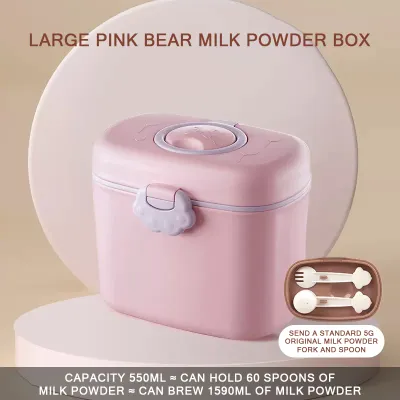
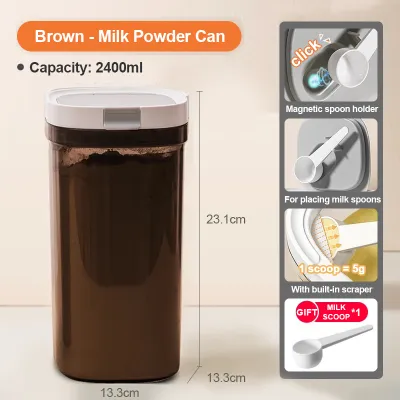
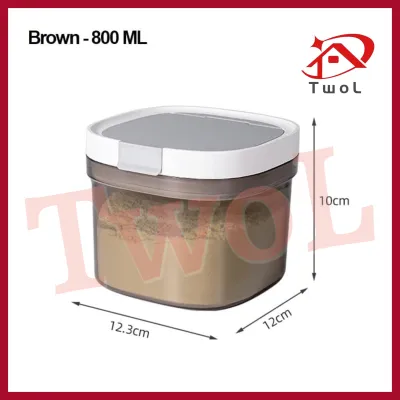
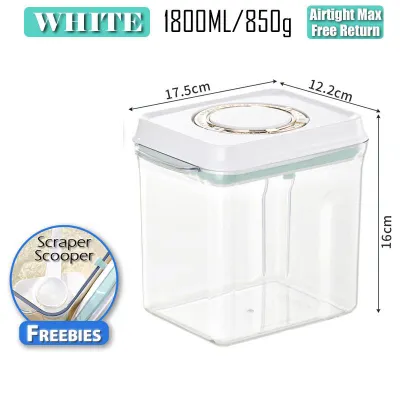
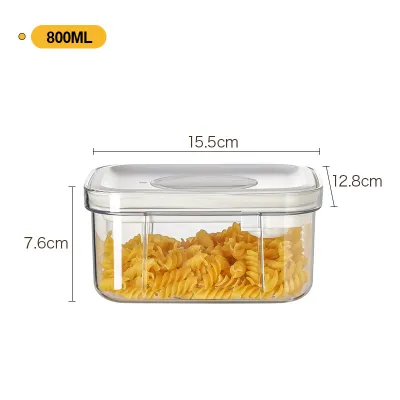
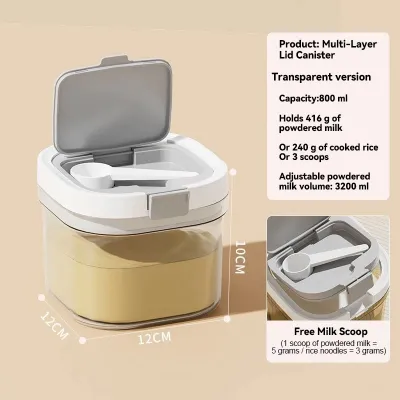
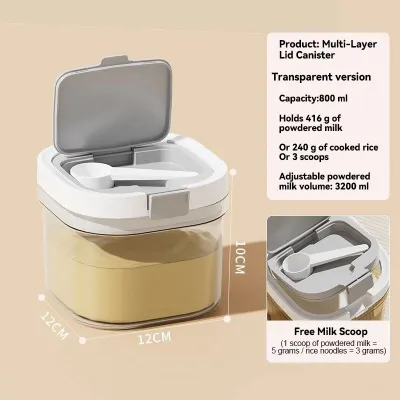
Prices are valid at publication and may change. Please refer to the product page for the latest price.
Compatibility with external cooling and warming methods is another essential factor. When traveling in tropical conditions, milk must be kept cold using insulated bags and ice packs. Your storage containers should fit snugly alongside these cooling elements to ensure even temperature distribution. Additionally, the material must be resilient enough to handle rapid temperature transitions, such as moving from a cold cooler bag directly into a warm water bath for feeding.
Evaluating Materials and Container Designs
Glass containers are highly valued for their durability, non-porous surface, and resistance to scratches. They do not retain odors or stains from milk fats, making them exceptionally hygienic and easy to clean. However, glass is significantly heavier than other materials and carries a risk of breaking if dropped on hard surfaces like mall floors or outdoor pavements. This makes them less ideal for active travel or quick feedings in crowded public spaces.

Food-grade plastics, such as polypropylene (PP) or polyphenylsulfone (PPSU), offer a lightweight and shatterproof alternative. These materials are highly durable and can withstand the inevitable drops and bumps of travel. PPSU is particularly known for its high heat resistance and durability, though it often comes at a higher price point. When choosing plastic containers, always verify that the product labels explicitly state they are BPA-free and certified food-safe to ensure no harmful chemicals leach into the milk.
Food-grade silicone is another increasingly popular option for modern parents. It is lightweight, flexible, and highly resistant to temperature extremes. Some silicone containers are squeezable, which can assist with feeding, and they are virtually unbreakable. However, silicone can sometimes absorb soapy scents or strong odors if not washed with mild, fragrance-free dish soap, so diligent cleaning is necessary.
Beyond the body material, pay close attention to the lid design. Screw-top lids provide a highly secure seal but must be aligned correctly to prevent cross-threading. Snap-lock lids offer quick access but rely on plastic hinges that can wear out over time. Lids with integrated silicone rings provide the most reliable barrier against leaks, provided the ring is seated flat and inspected regularly for wear.
Temperature Control and Safe Transit Strategies
Keeping milk at a safe temperature during transit is a primary concern, especially in warm climates where bacteria can multiply rapidly. An insulated cooler bag paired with contoured ice packs is indispensable for travel. To maximize cooling efficiency, place the milk containers in direct contact with the ice packs rather than loose in the bag. Keep the cooler bag zipped closed as much as possible to maintain a stable internal environment.
Always consult official pediatric guidelines or manufacturer instructions to verify safe storage durations for breast milk or formula at various temperatures. While general rules of thumb exist, local climate conditions and the quality of your insulation will affect these limits. If you are traveling for an extended period, plan your route around locations where you can replenish ice or access a refrigerator.
Protect your storage containers from direct heat sources during your journey. Avoid leaving your diaper bag or cooler in a parked car, under direct sunlight at a park, or near vehicle air vents blowing warm air. Temperature fluctuations can cause condensation inside the container, which may affect the milk’s quality and encourage bacterial growth.
Cleaning, Sterilizing, and Maintenance Away from Home
Maintaining hygiene while away from home requires a proactive approach. Always rinse your milk containers with clean water immediately after your baby finishes feeding. Allowing milk residue to dry inside the container makes it much harder to clean later, as milk fats and proteins cling to corners and crevices, creating a breeding ground for bacteria in warm weather.
For longer trips where full kitchen facilities are unavailable, look into portable sterilization methods. Many travel-friendly containers are compatible with portable steam sterilizing bags, boiling water, or cold-water sterilizing tablets. Before using these methods, check the manufacturer’s guidelines to ensure your containers can tolerate the heat or chemical exposure without warping or degrading.
Ensure all container parts are completely dry before reassembling or storing them. Moisture trapped inside sealed containers can lead to mold and mildew growth, especially in humid environments. If you are on the go, lay the washed parts on a clean paper towel or a portable travel drying rack in a well-ventilated area to air-dry thoroughly.
Streamlining the Transition from Storage to Feeding
Minimizing milk waste and simplifying the feeding process are key to a stress-free outing. Choosing storage containers that connect directly to standard baby bottle nipples is highly efficient. This eliminates the need to pour milk from a storage bag or vial into a separate feeding bottle, reducing the risk of accidental spills and minimizing exposure to airborne contaminants.
Pre-portioning your milk into single-feeding amounts before you leave home is another smart strategy. Because babies often do not finish an entire bottle, storing milk in smaller increments (such as 2-ounce or 4-ounce portions) ensures you only warm what your baby will consume. Once a baby begins drinking from a bottle, any leftover milk must be discarded within a short timeframe, so pre-portioning directly prevents wasting precious breast milk or formula.
When it is time to feed, warm the stored milk safely using portable bottle warmers or a simple warm water bath. You can ask for a cup of hot water at a cafe or restaurant to submerge the container until it reaches room temperature. Always follow the instructions for any portable warming devices, and avoid using microwaves, which can create dangerous hot spots in the milk that could burn your baby’s mouth.
Frequently Asked Questions (FAQ)
Can I use regular water bottles for storing baby milk on the go?
It is highly recommended to avoid using standard water bottles for storing baby milk. Single-use plastic water bottles are typically made from thin PET plastic, which is not designed to withstand the high temperatures required for proper sterilization. Additionally, their narrow necks make them extremely difficult to clean thoroughly, increasing the risk of bacterial buildup. Dedicated baby milk storage containers are made from certified food-safe, durable materials designed specifically to handle milk fats and rigorous cleaning.
How do I know if a milk storage container is truly leak-proof?
To verify if a container is leak-proof before your trip, perform a simple at-home water test. Fill the container with water, seal it securely, and turn it upside down over a sink. Shake it gently and apply light pressure to see if any water escapes through the threads or seals. Regularly inspect the silicone gaskets for cracks, warping, or debris, as even a tiny gap can lead to leaks when the container is jostled inside a diaper bag.
Community discussion
Share your experience or ask a question. Comments are reviewed before publication.