
Choosing the right disposable nipple cover depends on your immediate breastfeeding or pumping needs, whether you are managing heavy milk let-down, protecting sensitive skin from friction, or seeking relief from soreness. For heavy leakage, highly absorbent disposable nursing pads made of cotton, bamboo, or synthetic blends are the most practical choice. If you are dealing with cracked or tender skin post-pumping, soothing hydrogel pads offer cooling relief and support skin recovery. For those who simply need a discreet barrier under light clothing to prevent friction, thin, non-absorbent silicone-like disposable covers provide a smooth profile. Matching the material and design features to your daily routine, wardrobe, and skin sensitivity ensures both comfort and hygiene throughout your lactation journey.
Identifying Your Primary Need: Leakage, Friction, or Healing
Before browsing online marketplaces or baby specialty stores, it is essential to pinpoint the primary challenge you want to address. Breastfeeding and pumping journeys are highly dynamic, and your needs can shift from week to week. For many mothers, especially in the early weeks of lactation, managing heavy milk leakage is the main priority. Uncontrolled let-down can easily saturate clothing, making highly absorbent, moisture-wicking covers a daily necessity to keep the skin dry and comfortable.
For other mothers, the primary issue is not leakage but intense friction caused by clothing rubbing against highly sensitive skin. This discomfort often occurs during active daily movement or when wearing structured bras. In these cases, a thick absorbent pad might feel bulky or unnecessary, and a thin, protective barrier that shields the nipple from direct contact with fabric is much more suitable.
Products mentioned in this guide
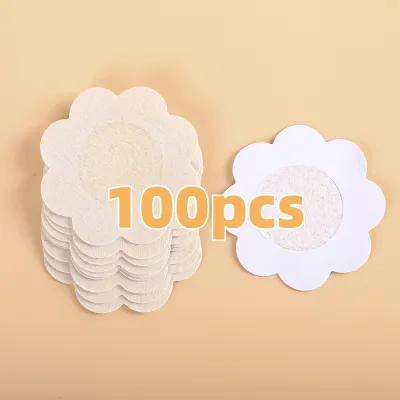
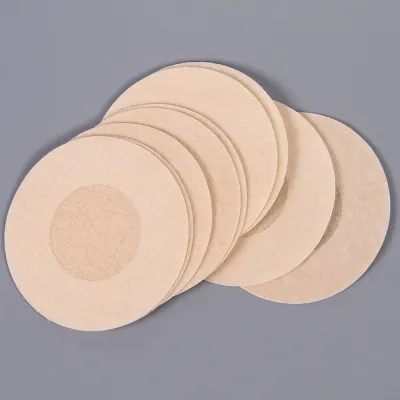


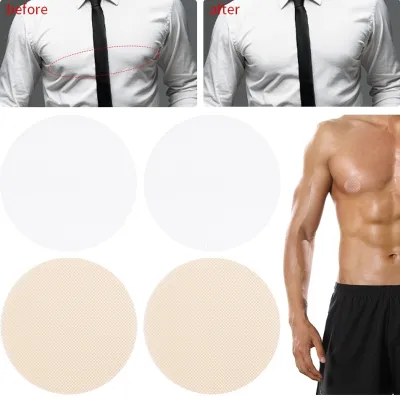
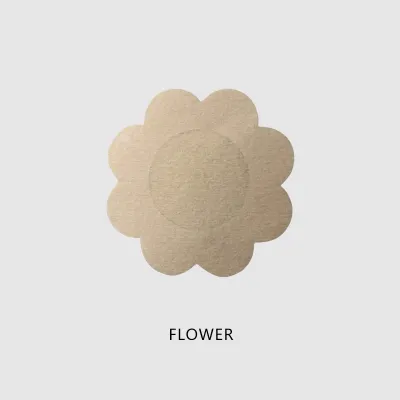
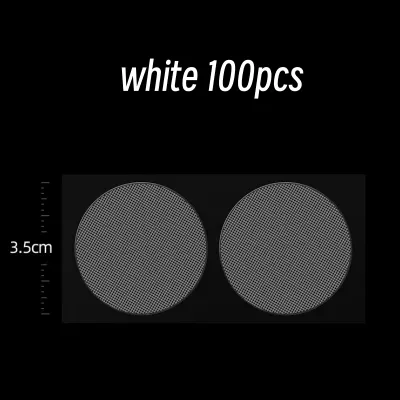
Prices are valid at publication and may change. Please refer to the product page for the latest price.
If you are experiencing soreness, cracking, or minor skin damage from a poor latch or intense pumping sessions, your primary need shifts toward healing and soothing. Standard dry pads can sometimes stick to damaged skin, causing further pain during removal. In this scenario, specialized soothing covers that provide a moist, cooling environment are ideal for promoting skin recovery between feeding sessions.
Your daily routine and environment also play a major role. In warm, humid tropical climates like the Philippines, trapped moisture can quickly lead to skin maceration or bacterial growth. If you are active and outdoors, you need a reliable, highly breathable option that maintains its structural integrity even when exposed to sweat and humidity.
Finally, consider your wardrobe. Light, thin fabrics common in warm weather can easily reveal the outlines of bulky, flat pads. If you frequently wear fitted clothing, look for contoured designs with ultra-thin edges that blend seamlessly under your clothes.
Comparing Common Disposable Nipple Cover Materials
Understanding the physical properties and limitations of different materials is key to making an informed purchase. Manufacturers use a variety of natural and synthetic fibers, as well as specialized gels, to target specific lactation concerns.

Absorbent Pads (Cotton, Bamboo, and Synthetic Blends)
Disposable absorbent pads are the traditional choice for managing milk leakage. These pads typically feature a multi-layer construction designed to draw moisture away from the skin and lock it inside the core. Natural fibers like cotton and bamboo are highly valued for their soft texture and natural breathability, making them gentle on sensitive skin. Synthetic blends, often utilizing super-absorbent polymers, can hold a significant volume of liquid relative to their thickness, keeping you dry for longer periods.
When evaluating these pads, it is crucial to read the packaging labels for details on breathability and moisture-wicking capabilities. Some disposable pads include a plastic outer backing to prevent milk from leaking onto your clothes. While effective at stopping leaks, these non-breathable plastic barriers can trap heat and humidity against your skin. In warm climates, this trapped moisture creates an ideal environment for thrush or bacterial infections, so prioritizing pads with breathable outer layers is highly recommended.
The physical profile of these materials also varies. Natural fiber pads tend to be thicker and may bunch up inside your bra. Synthetic polymer pads are often compressed and ultra-thin when dry, expanding only as they absorb liquid. If a discreet look is your priority, look for synthetic blends that feature contoured shaping.
Soothing and Protective Covers (Hydrogel and Silicone-like Disposables)
For mothers focusing on skin recovery rather than leakage control, hydrogel and silicone-like disposable covers offer specialized benefits. Hydrogel pads consist of a water-based gel formulation designed to cool and soothe irritated, cracked, or burning nipples on contact. They do not absorb large volumes of milk; instead, they maintain a moist healing environment that helps soothe damaged tissue and prevents the pad from sticking to open wounds.
Disposable silicone-like covers, on the other hand, are ultra-thin, flexible barriers designed primarily to prevent friction. These covers adhere gently to the skin, creating a smooth, invisible shield under the thinnest clothing. They are highly effective for mothers who experience discomfort from fabric contact but do not have significant milk leakage. Because they are non-absorbent, any unexpected milk let-down will collect beneath the cover, meaning they must be monitored closely in warm weather.
Before using either hydrogel or silicone-like disposable covers, always verify the manufacturer’s instructions on the packaging regarding infant feeding. Some soothing covers must be completely removed, and the breast area wiped clean, before you latch your baby or apply a breast pump. Ensuring no gel residue or adhesive remains on the skin is a vital safety step for your baby.
Design Features to Verify on Product Labels
When selecting a disposable nipple cover, small design details can make a significant difference in your daily comfort and skin health. Reading the product packaging carefully before purchasing helps you avoid common pitfalls like skin irritation or visible clothing lines.
First, compare adhesive versus non-adhesive backings. Many disposable absorbent pads feature small adhesive strips on the back to secure the pad to your nursing bra. If you prefer to wear loose clothing or go braless at home, non-adhesive pads that rely on a snug fit may be more practical. For covers that adhere directly to the skin, ensure the adhesive is medical-grade and formulated for sensitive skin to prevent painful removal.
Second, evaluate the shape of the cover. Flat, circular pads are common and budget-friendly, but they tend to fold, bunch, or crease when placed inside a bra, causing friction. Contoured or darted shapes are pre-formed to fit the natural slope of the breast, providing a smoother profile and a more secure, comfortable fit.
Third, check for specific breathability features and removal instructions. Look for labels that explicitly mention micro-porous backing sheets or breathable outer layers. Additionally, review the manufacturer’s instructions for safe removal. Some adhesives require a gentle peel from the outer edge inward, while others may recommend dampening the pad with warm water if it feels stuck to sensitive skin.
Decision Framework: Matching the Right Cover to Your Scenario
To simplify your purchasing decision, you can match your specific daily situations and physical needs to the most appropriate product features.
Choose highly absorbent synthetic polymer pads with a contoured shape if:
- You experience heavy milk let-down or leaking between feeding sessions.
- You need a discreet profile under professional wear or fitted clothing.
- You are active throughout the day and need a pad that locks in moisture quickly to prevent wetness against your skin.
Choose natural cotton or bamboo disposable pads if:
- You have highly sensitive skin prone to irritation from synthetic materials.
- Your milk leakage is light to moderate, allowing for frequent pad changes.
- You prefer a softer, more natural texture against your skin.
Choose cooling hydrogel pads if:
- You are recovering from sore, cracked, or bleeding nipples due to pumping or latch issues.
- You require immediate, cooling relief between feeding or pumping sessions.
- You want to maintain a moist environment to support skin healing.
Verify first if you have specific sensitivities or severe skin conditions:
- If you have a history of medical adhesive allergies, opt for non-adhesive pads or covers that stay in place via bra compression rather than direct skin contact.
- If you experience severe nipple trauma, deep cracks, or bleeding, consult a healthcare professional before applying any adhesive or gel-based covers.
- If you notice persistent redness, itching, or a burning sensation after using a specific brand, discontinue use immediately and check the ingredient list for potential irritants.
When planning your budget, evaluate the cost-per-use by comparing packaging quantities. A box of disposable pads in the Philippines can range from approximately ₱150 for basic packs to ₱800 or more for specialized hydrogel or organic cotton options. Calculate your estimated daily consumption—typically 4 to 8 pads per day depending on leakage levels—to determine the most cost-effective pack size for your monthly budget.
Safe Usage, Hygiene, and When to Seek Professional Help
Maintaining strict hygiene when using disposable nipple covers is essential to protect both your skin health and your baby’s safety. Because lactation creates a warm, moist environment, improper use of covers can easily lead to skin breakdown, irritation, or infections.
Always follow the manufacturer’s guidelines regarding maximum continuous wear time. Even if an absorbent pad does not feel completely saturated, it should be changed regularly—ideally every 3 to 4 hours, or immediately after a feeding or pumping session. Leaving a damp pad against your skin for extended periods can cause skin maceration, which weakens the skin barrier and increases the risk of painful cracks and infections.
Monitor your skin daily for any observable signs of irritation, allergic reactions, or infection. Discontinue use immediately if you notice localized redness, swelling, itching, a rash, or an unusual warmth in the breast area. These symptoms can indicate a reaction to the pad’s materials or adhesives, or they may point to a developing fungal or bacterial issue.
It is vital to know when to stop home care and seek professional assistance. While mild tenderness is common in the early days of breastfeeding, persistent or worsening pain is not normal. Consult a lactation consultant or a healthcare provider immediately if you experience deep breast pain, shooting pains during or after feeding, cracked nipples that fail to heal, fever, chills, or flu-like symptoms. These can be signs of mastitis or a thrush infection, both of which require professional diagnosis and targeted treatment.
Frequently Asked Questions (FAQ)
Can I sleep with disposable nipple covers on?
You should always check the specific manufacturer’s instructions on the packaging to determine if a particular disposable nipple cover is approved for overnight wear. Many standard disposable pads can be worn to sleep, provided they are fresh and positioned correctly to prevent shifting. However, sleeping with covers carries an increased risk of trapped moisture, as you cannot monitor or change the pad immediately when leakage occurs. If the manufacturer does not explicitly recommend overnight use, consider alternative nighttime strategies, such as placing a soft, breathable towel beneath you or wearing a loose, comfortable nursing bra with highly breathable, non-adhesive natural fiber pads.
Are hydrogel pads safe to use while actively breastfeeding?
Hydrogel pads are designed to soothe and protect the skin between feeding or pumping sessions, rather than during the actual feed. Before nursing your baby, you must verify the product label to see if the specific brand requires removal and skin cleaning prior to latching. Even if a brand claims to be non-toxic, it is a necessary safety practice to gently wipe the nipple and areola with a clean, damp cloth to remove any residual gel or adhesive before your baby feeds. This ensures your baby does not ingest any foreign substances and can establish a secure, natural latch without slipping.

Community discussion
Share your experience or ask a question. Comments are reviewed before publication.