
The “best” nipple cream depends entirely on your skin sensitivities, your baby’s latch, and your ingredient preferences. Because formulations and individual reactions vary, there is no single universal winner. As a conditional guide: choose highly purified lanolin for standard dryness if no wool allergies exist; opt for plant-based balms for vegan preferences or lanolin sensitivities; and consider hydrogel pads for acute, severe cracking. Your first step is to verify ingredient safety, check for local availability in the Philippines, and address any underlying latch issues with a professional.
In the warm, humid climate of the Philippines, finding the right balance between skin protection and comfort is essential. High humidity can affect how heavy creams feel on your skin and how they interact with nursing pads. Selecting a product that matches your daily routine, budget, and physical comfort will make your breastfeeding journey much smoother.
Identifying Your Breastfeeding Needs and Skin Sensitivities
Breastfeeding is a natural process, but the physical adjustment can cause temporary discomfort, especially during the first few weeks. It is crucial to distinguish between standard friction dryness, severe cracking, and potential infections. Standard dryness often presents as mild tenderness or flaking skin, which typically responds well to daily moisturizing. In contrast, deep cracks, bleeding, or sharp, shooting pains may indicate a more serious issue that requires specialized care or medical treatment.
Products mentioned in this guide
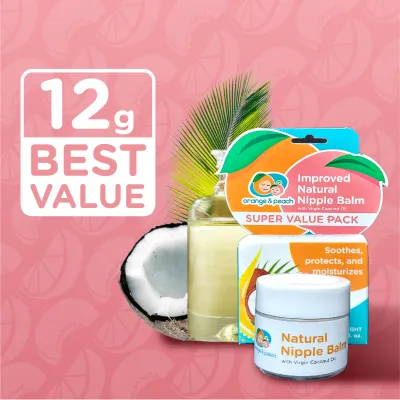
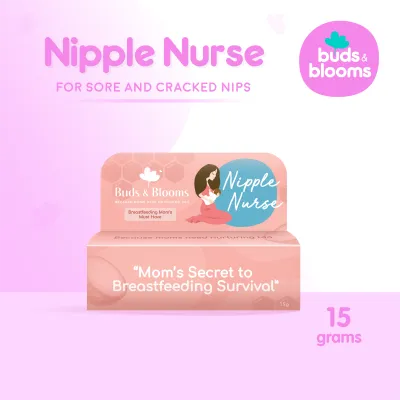
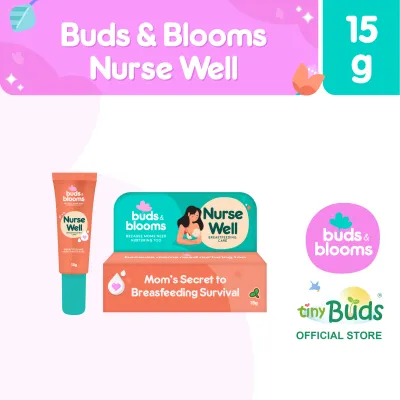
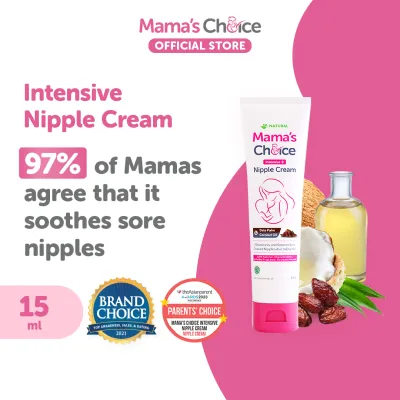
![[Bundle of 3] Mama’s Choice Intensive Soothing Nipple Cream | Breastfeeding Nipple Cream | Postpartum Essential](https://img.lazcdn.com/g/p/a48c144261706243f0f53d38b9af3bbe.png_400x400q80.png_.webp)
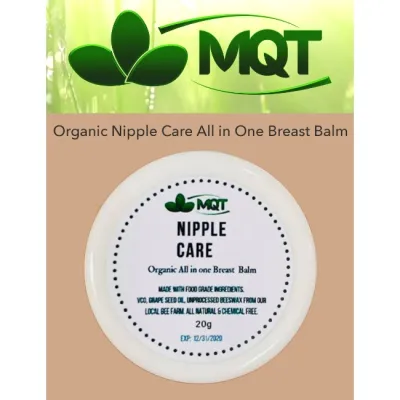
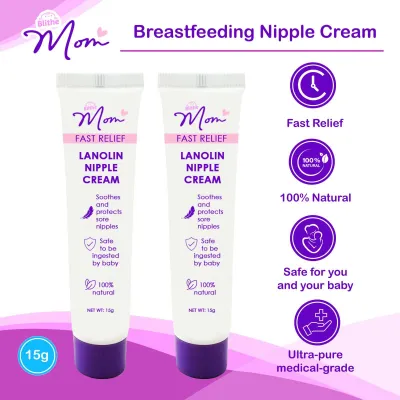
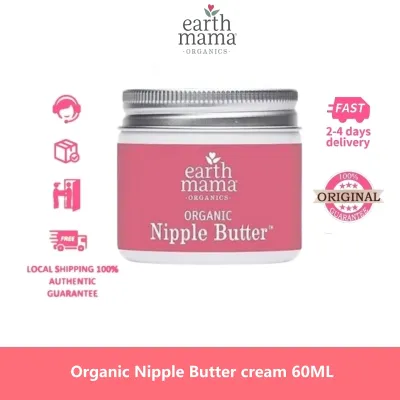
Prices are valid at publication and may change. Please refer to the product page for the latest price.
Your personal and family medical history plays a significant role in selecting a safe topical product. For instance, a history of wool allergies or eczema should immediately prompt you to avoid standard lanolin products, as lanolin is derived from sheep’s wool. Using a product that triggers an allergic reaction will only worsen skin inflammation and increase discomfort.
Additionally, consider your baby’s feeding frequency and latch quality. While a high-quality cream can soothe irritated skin, it is a supportive measure rather than a cure for a poor latch. If your baby is not latching deeply, the friction will continue to cause damage regardless of how much cream you apply.
Key Ingredients to Verify on the Label
When shopping for nipple care products, reading the ingredient list is your most reliable safety check. Look for highly purified lanolin, often labeled as HPA lanolin, if you choose an animal-based option. This specific grade undergoes an intensive purification process to minimize pesticide residues, environmental impurities, and natural allergens, making it exceptionally safe for sensitive skin.

If you prefer plant-based alternatives, verify that the formulation uses food-grade, baby-safe oils and butters. Ingredients like olive oil, shea butter, and sunflower seed oil are common bases. However, you must check that the product is entirely free of essential oils, artificial fragrances, and botanical extracts that might alter the taste of your breast milk or cause allergic reactions in your newborn.
Avoid products containing parabens, synthetic preservatives, or petroleum-derived ingredients. Because your baby will frequently come into direct contact with your breast, minimizing exposure to synthetic chemicals is a priority.
Always confirm whether the specific product requires wiping off before feeding by reading the manufacturer’s label. While many modern formulations are designed to be left on the skin, some multi-ingredient creams or local traditional remedies must be thoroughly washed off to prevent infant ingestion.
Comparing the Main Types of Nipple Creams
Nipple care products generally fall into three main categories: purified lanolin, plant-based balms, and hydrogel soothing pads. Each category offers distinct physical properties, textures, and absorption rates that affect how they feel under your clothing. Understanding these differences helps you choose a product that fits your comfort preferences and daily routine.
In tropical climates, texture is particularly important. A cream that is too heavy might feel sticky and uncomfortable in hot weather, while a balm that is too thin might melt quickly or require constant reapplication.
Purified Lanolin Creams
Purified lanolin has long been a traditional standard for nipple care due to its excellent emollient properties. Lanolin closely mimics the natural lipids found in human skin, allowing it to create a thick, semi-occlusive barrier that locks in moisture and promotes natural healing. This barrier protects sensitive tissue from the constant friction of clothing and nursing pads.
However, lanolin has a very thick, sticky texture that can be challenging to apply, especially when your skin is already tender. You will often need to warm a pea-sized amount between your clean fingers for a few seconds to soften it before gently patting it onto your skin.
Because lanolin is a natural byproduct of sheep’s wool, it is strictly contraindicated for mothers or babies with known wool allergies. If you or your family members have sensitive skin prone to wool-induced contact dermatitis, you should bypass this category entirely.
Plant-Based and Vegan Balms
Plant-based and vegan balms offer a lighter, smoother alternative to heavy lanolin creams. These products typically blend plant oils, such as coconut or olive oil, with natural plant waxes and butters like shea or cocoa butter. The resulting texture is usually softer, making it much easier to spread over sore skin without causing additional friction.
Because these balms absorb more quickly into the skin, they tend to feel less sticky in hot and humid weather. This rapid absorption can be a significant advantage if you find the heavy, wax-like feel of lanolin uncomfortable during warm Philippine afternoons.
The trade-off is that plant-based oils may require more frequent reapplication because they do not form the same long-lasting, heavy occlusive barrier as lanolin. Additionally, you must carefully verify that every botanical ingredient is explicitly food-grade and safe for infant consumption, as your baby will inevitably swallow small amounts during nursing.
Hydrogel Pads and Cooling Balms
Hydrogel pads represent a non-traditional, highly specialized option designed specifically for acute pain and severe tissue damage. These pads are cool, water-based sheets that adhere gently to the breast, providing immediate cooling relief to hot, inflamed, or cracked skin. They create a moist healing environment that can accelerate skin recovery.
Unlike rub-in creams, hydrogel pads are applied directly over the nipple and worn inside your bra between feedings. This physical barrier prevents your clothing from sticking to open wounds, which is a common source of pain when removing a bra or nursing pad.
While highly effective for temporary relief, hydrogel pads have a higher cost per use compared to standard tubes of cream. They are generally used as an intensive, short-term treatment for severe discomfort rather than a daily preventative moisturizer.
Evaluating Price, Size, and Value
When comparing nipple creams in the Philippines, looking at the price per gram or milliliter is the most accurate way to assess value. Nipple creams are sold in various sizes, ranging from small travel tubes of 7 grams to larger household tubes of 40 grams or more. While a larger tube has a higher upfront cost in ₱, it usually offers a much lower unit price.
You should also factor in the expected frequency of application. Thinner, plant-based balms may require more frequent reapplication throughout the day, meaning you might go through a tube much faster than you would with a thick, concentrated lanolin cream.
To ensure safety, purchase your chosen product from official brand stores, authorized pharmacies, or verified online mall stores. Counterfeit baby products are a serious risk on unauthorized online marketplaces, and using a counterfeit cream with unverified ingredients poses a direct health hazard to your nursing infant.
Decision Framework: Which Option Fits Your Situation?
To make your final decision, consider how your specific physical symptoms and lifestyle preferences align with each product type:
- Choose purified lanolin if you want a traditional, long-lasting moisture barrier, have no history of wool allergies, and do not mind a thicker, stickier texture that requires warming before application.
- Choose plant-based balms if you prefer vegan ingredients, have a known sensitivity to lanolin, or want a lighter, faster-absorbing texture that feels more comfortable in warm, humid weather.
- Choose hydrogel pads if you are dealing with acute, severe cracking, bleeding, or intense burning sensations and require immediate cooling relief alongside your daily moisturizer.
Regardless of the product you select, remember that topical creams only manage symptoms. If your nipple pain persists, worsens, or is accompanied by deep breast pain, consult a certified lactation consultant or your pediatrician to check your baby’s latch and rule out underlying issues.
Safe Application and When to Stop Use
Proper application ensures that you get the maximum benefit from your nipple cream while keeping your baby safe. Always wash your hands thoroughly with soap and clean water before touching your breasts or applying any product. Squeeze a tiny, pea-sized amount of cream onto your fingertip, warm it if necessary, and gently pat or massage it onto the nipple and areola after each feeding.
Monitor your skin closely for any adverse reactions. If you notice increased redness, swelling, itching, or a new rash after applying a product, stop using it immediately. These symptoms often indicate an allergic reaction or sensitivity to an ingredient in the cream.
Be aware of red flags that require immediate medical attention rather than self-treatment. If you experience shooting pains deep inside the breast, shiny or flaky skin on the areola, fever, flu-like symptoms, or warm, red streaks on your breast, contact a healthcare professional. These signs can indicate conditions like thrush or mastitis, which require prescription medical treatment.
Frequently Asked Questions (FAQ)
Do I need to wipe off nipple cream before breastfeeding?
Most highly purified lanolin creams and food-grade, plant-based balms are specifically formulated to be safe for infant ingestion and do not need to be wiped off before feeding. However, you must always read the manufacturer’s label on your specific product to confirm this. If a product contains non-food-grade ingredients, synthetic preservatives, or active medical ingredients, it must be thoroughly washed off before your baby latches.
Can I use regular body lotion or coconut oil from my kitchen instead?
You should avoid using standard body lotions on your nipples, as they frequently contain synthetic fragrances, alcohols, and chemical preservatives that are unsafe for babies to ingest and can irritate broken skin. Pure, food-grade virgin coconut oil can serve as a safe, temporary alternative due to its natural moisturizing properties. However, coconut oil is thin and absorbs very quickly, meaning it does not provide the long-lasting, protective physical barrier that specialized nipple creams offer.
Will nipple cream fix a painful latch?
No, nipple cream cannot fix a painful latch. While a high-quality cream or hydrogel pad will soothe irritated skin and help heal surface damage, it only treats the symptoms of friction and dryness. If your baby has a shallow latch, the underlying physical friction will continue to cause pain and damage. Persistent pain, flattened or misshapen nipples after feeding, or clicking sounds during nursing are clear signs that you should consult a certified lactation consultant to address the root cause.
Community discussion
Share your experience or ask a question. Comments are reviewed before publication.