
Choosing the right diaper rash cream for your baby depends on the current state of their skin, the level of moisture they encounter, and how quickly you need to establish a protective barrier. In tropical climates like the Philippines, where high humidity and heat can trap sweat and urine against delicate skin, diaper rash can escalate rapidly from a mild pink flush to raw, uncomfortable irritation. Desitin offers different formulations—ranging from daily preventive options to high-concentration maximum strength pastes—to address these varying levels of severity. By matching the specific condition of your baby’s skin to the correct zinc oxide concentration and texture, you can soothe discomfort effectively while avoiding unnecessary friction during diaper changes.
Understanding Your Baby's Diaper Rash Severity
Mild rash usually presents as faint pink patches or dry, slightly rough skin confined to areas in direct contact with the diaper. Your baby might not show signs of discomfort during diaper changes, and the skin remains intact. Moderate diaper rash involves more defined, bright red patches, slight swelling, and noticeable discomfort or fussiness when you wipe the area. Severe diaper rash is characterized by intense redness, raw or peeling skin, raised bumps, or even open sores that cause significant distress during movement or cleaning.
Standard friction or moisture rash typically stays within the boundaries of the diaper and improves quickly with frequent changes and basic barrier creams. In contrast, a yeast infection (often caused by Candida) thrives in warm, humid environments and usually presents as a bright red, bumpy rash with distinct satellite lesions or small red spots spreading into the folds of the thighs and lower abdomen. Bacterial infections may feature yellowish crusts, pus-filled blisters, or oozing areas. These infectious rashes do not respond to standard barrier creams alone and require targeted medical treatments.
Products mentioned in this guide
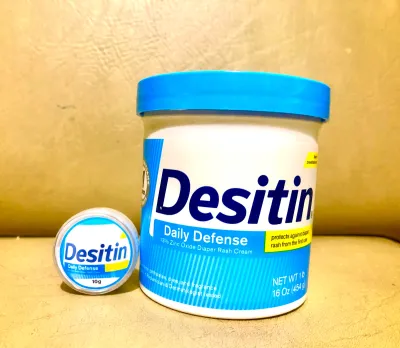
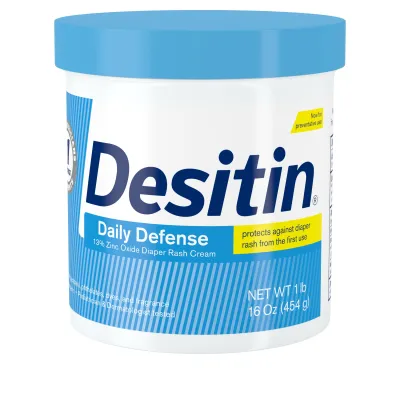
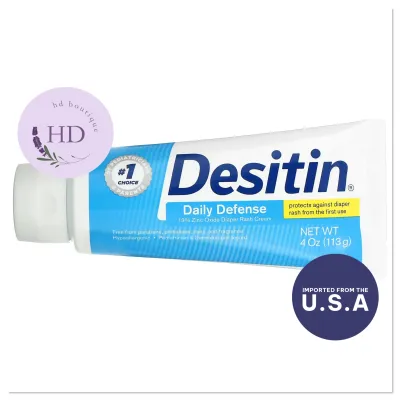
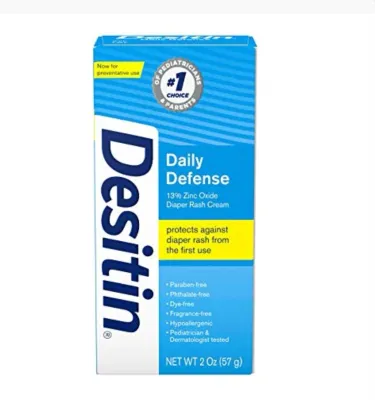
Prices are valid at publication and may change. Please refer to the product page for the latest price.
Zinc oxide is the primary active ingredient in most diaper rash creams, acting as a physical barrier that repels moisture and protects compromised skin from the enzymes found in urine and stool. Higher concentrations of zinc oxide create a thicker, more durable shield that stays in place longer, which is crucial for severe irritation. Lower concentrations offer a lighter, more breathable layer that is easier to apply and remove, making them ideal for daily prevention and mild redness.
Comparing Desitin Variants: Preventive, Rapid Relief, and Maximum Strength
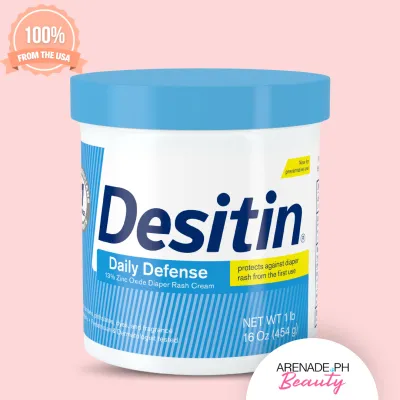
Desitin segments its product line to address different stages of diaper care, from daily maintenance to acute treatment. The daily defense or preventive formulas are designed to keep healthy skin protected from moisture on a day-to-day basis. The rapid relief variants are formulated to soothe and treat mild to moderate flare-ups quickly. The maximum strength formulas contain the highest level of zinc oxide available over the counter, specifically engineered to treat and protect against severe, stubborn rashes.

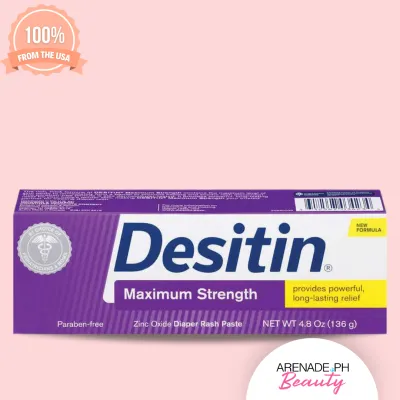
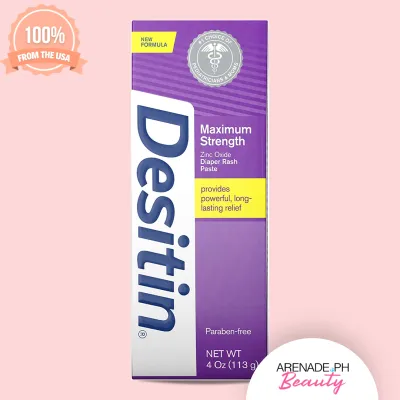
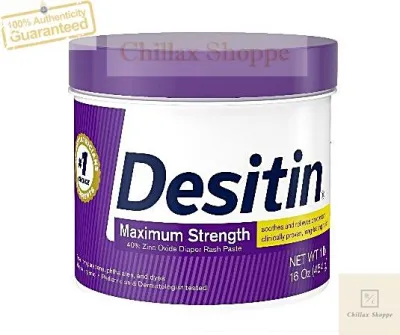
The preventive and daily defense formulas have a smooth, creamy texture that glides on easily and wipes away with minimal effort, containing a lower percentage of zinc oxide (typically around 10% to 13%). Rapid relief formulas maintain a similar creamy consistency but are optimized to spread quickly over irritated skin to provide immediate soothing action. Maximum strength formulas are thick, heavy pastes containing a high concentration of zinc oxide (typically 40%), which creates a dense, white barrier that resists breakdown from wetness but requires more care during application and removal.
While it might be tempting to reach for the strongest formula at the first sign of redness, a thick paste is not always the most suitable choice for minor irritation. Overusing heavy pastes can trap residual moisture against the skin if the area is not completely dry before application. Additionally, the effort required to wipe away a thick, sticky paste can cause unnecessary friction and mechanical irritation on skin that only has mild redness, potentially worsening the condition.
Preventive and Daily Defense Formulas
Daily defense formulas are well suited for routine use when your baby’s skin is completely clear or showing only the earliest signs of dryness. They are particularly useful during periods when diaper rash is more likely to occur, such as during teething, when introducing solid foods, or during hot, humid afternoons when sweat accumulation is high. Applying a thin layer during nighttime diaper changes can also help protect the skin during longer sleep stretches.
These lighter formulas are characterized by their lotion-like or soft cream consistency, which allows caregivers to apply them quickly without tugging on sensitive skin. Because they do not form an impenetrable, sticky layer, they can be wiped away easily with a damp cotton ball or a gentle baby wipe during subsequent diaper changes. This ease of cleanup minimizes skin friction, which is essential for maintaining a healthy skin barrier over time.
When selecting a daily defense formula, it is beneficial to check the product label for supportive ingredients that help maintain skin hydration. Many preventive creams include emollients like aloe vera, beeswax, or mineral oil, which help keep the skin soft and supple. Ensure these ingredients are free from artificial fragrances or common allergens if your baby has highly sensitive skin or a family history of eczema.
Rapid Relief Formulas
You should consider transitioning to a rapid relief formula when you notice moderate redness, small raised bumps, or when your baby flinches slightly during diaper wipes. These signs indicate that the skin barrier has been compromised by moisture or friction and requires active treatment rather than just daily protection. Rapid relief formulas are designed to work quickly to reduce redness and soothe irritation within hours of application.
Rapid relief creams strike a balance between providing a reliable moisture barrier and allowing the skin to breathe. They contain enough zinc oxide to shield the skin from acidic stools and urine, yet the formulation remains pliable and light enough to prevent trapping heat and sweat. This breathability is particularly important in tropical climates, where trapped heat can exacerbate skin inflammation and create a breeding ground for yeast.
To apply rapid relief formulas effectively, first ensure the diaper area is completely clean and dry; patting the skin gently with a soft cloth or letting it air-dry is highly recommended. Apply a generous, even layer of the cream over the entire affected area, paying close attention to the skin folds where moisture tends to pool. Avoid rubbing the cream vigorously into the skin; instead, smooth it on like frosting on a cake so that a visible layer remains to protect the skin.
Maximum Strength Formulas
Maximum strength formulas are reserved for severe diaper rash, characterized by deep red or purple discoloration, raw or bleeding skin, peeling, and intense discomfort that makes your baby cry during diaper changes. If a moderate rash has not improved after several days of using lighter creams, or if the skin looks shiny, tight, and highly inflamed, a high-concentration zinc oxide paste is necessary to provide an uncompromising physical shield.
The primary trade-off of using a maximum strength paste is its density and stickiness, which makes it highly resistant to water but difficult to remove. Attempting to wipe off every trace of this thick paste during every diaper change can cause significant friction, further damaging the raw, healing skin underneath. Caregivers must balance the need for a strong barrier with the potential for mechanical irritation during cleanup, often leaving a base layer intact rather than scrubbing it clean.
It is crucial to read and follow the manufacturer’s instructions regarding the frequency and duration of use for maximum strength formulas. These pastes are designed for targeted treatment of active, severe rashes and are generally not intended for indefinite daily use once the skin has healed. If the rash does not show signs of improvement within the timeframe specified on the packaging, it is time to reassess the treatment plan rather than continuing to apply the heavy paste.
How to Read the Label and Check Ingredients
When purchasing a diaper rash cream, always turn the packaging over to examine the “Drug Facts” label. The active ingredient, which is almost always zinc oxide in these formulations, will be listed at the top along with its percentage. Daily defense creams typically contain 10% to 13% zinc oxide, while maximum strength variants contain 40%. Understanding these percentages allows you to make an informed decision based on your baby’s current skin condition rather than relying solely on front-of-pack marketing terms.
The inactive ingredients list is equally important, especially for babies with sensitive skin or allergies. Look out for added fragrances, parabens, phthalates, or specific preservatives that can trigger contact dermatitis or worsen an existing rash. In tropical regions, heavy fragrances can sometimes react with sweat and heat to cause further skin irritation, so fragrance-free options are generally preferred for compromised skin.
While terms like “pediatrician-tested,” “clinically proven,” or “hypoallergenic” are common on diaper cream labels, they do not guarantee that a product will be completely free of adverse reactions for every individual baby. These claims indicate that the product has undergone standard safety testing, but they are not regulated medical certifications. Always perform a patch test on a small, unaffected area of your baby’s skin before applying a new product extensively, and consult the ingredient list directly to verify its suitability.
When to Stop Using Cream and Consult a Pediatrician
Under normal circumstances, a standard diaper rash treated with frequent diaper changes, proper air-drying, and an over-the-counter barrier cream should show noticeable improvement within 48 to 72 hours. If you have been applying a rapid relief or maximum strength cream consistently for three days and the rash shows no signs of fading, or if it continues to worsen, you should stop using the cream and seek professional medical advice.
Caregivers must monitor the diaper area closely for signs of secondary bacterial or fungal infections. Stop using standard barrier creams and consult a pediatrician immediately if you observe blisters, pus-filled bumps, open sores, bleeding, or if your baby develops a fever. Other warning signs include a rash that spreads rapidly beyond the diaper area to the abdomen, back, or limbs, or if the rash becomes extremely painful to the touch, causing your baby to cry inconsolably.
Applying a thick zinc oxide barrier cream over an undiagnosed yeast infection can actually worsen the condition. Because yeast thrives in warm, moist, and dark environments, a heavy paste can trap the fungal organisms against the skin, allowing them to multiply. Yeast infections require specific antifungal ointments prescribed by a healthcare professional; continuing to apply standard diaper cream will only delay proper treatment and prolong your baby’s discomfort.
Frequently Asked Questions (FAQ)
Can I use Desitin Maximum Strength for every diaper change?
While the manufacturer states that maximum strength formulas can be used as often as needed, doing so for routine diaper changes on healthy skin is generally unnecessary. The high concentration of zinc oxide (40%) is designed to treat active, severe rashes by creating an exceptionally thick barrier. For daily prevention, a lighter formula with a lower zinc oxide percentage is more practical, as it is easier to apply, simpler to wipe away, and less likely to cause friction during routine cleanups. Save the maximum strength paste for active flare-ups, nighttime protection, or periods of prolonged diaper wear.
How do I safely remove thick Desitin paste without scrubbing?
To remove thick zinc oxide paste without irritating your baby’s skin, avoid vigorous scrubbing with dry wipes or rough cloths. Instead, apply a small amount of mineral oil or baby oil to a soft cotton ball or a gentle, alcohol-free wipe, and gently sweep it over the area; the oil will naturally break down the thick paste. If the skin is highly inflamed or raw, you do not need to remove every trace of the cream during a wet-only diaper change. Simply wipe away the soiled top layer and apply a fresh layer of cream directly over the clean, remaining base to minimize friction.
Is it safe to use Desitin on newborns?
Most standard zinc oxide diaper rash creams are formulated to be gentle enough for newborn skin, but caregivers should always check the specific product packaging for age recommendations and warnings. Newborn skin is exceptionally thin and sensitive, making it more susceptible to absorbing chemicals and experiencing irritation from added fragrances or preservatives. When caring for a newborn, prioritize frequent diaper changes, gentle cleaning with warm water and cotton balls, and thorough air-drying. If a barrier cream is necessary, select a fragrance-free, hypoallergenic formula and consult your pediatrician if you have any doubts.

Community discussion
Share your experience or ask a question. Comments are reviewed before publication.