
Choosing the right Desitin variant for your baby depends entirely on the current condition of their skin and whether you are trying to prevent irritation or treat an active, stubborn rash. While all Desitin products utilize zinc oxide to form a protective physical barrier against wetness, they are formulated with different concentrations and textures to address specific stages of diaper dermatitis. For daily prevention and mild redness, a lighter, easily spreadable formula is ideal, whereas a severe, highly inflamed rash requires a high-concentration paste to shield compromised skin and allow it to heal.
Before applying any product, caregivers should inspect the diaper area closely to assess the severity of the irritation. Matching the formula to the specific state of your baby’s skin ensures effective relief without causing unnecessary friction during application or removal.
Identifying Your Baby's Rash Severity
To select the most effective barrier cream, you must first objectively evaluate the diaper area. A mild diaper rash typically presents as slight pinkness or localized, faint red patches on the skin surfaces that come into direct contact with the diaper. The skin remains intact, without any peeling, bumps, or open sores, and your baby will likely show little to no discomfort during routine diaper changes.
Products mentioned in this guide
Prices are valid at publication and may change. Please refer to the product page for the latest price.
Moderate to severe diaper rashes present more obvious challenges. You will observe bright red, inflamed, and widespread patches that may spread into the skin folds. The skin might appear slightly swollen, warm to the touch, or exhibit small bumps and rough patches. During cleaning, your baby may flinch, cry, or show clear signs of localized pain and sensitivity.
Certain symptoms serve as critical red flags indicating that home care with over-the-counter barrier creams is no longer sufficient. If you observe blisters, bleeding, oozing pus, open cracked skin, or if your baby develops a fever, stop using the cream immediately. Additionally, a rash that presents as bright red dots with distinct outer scaling or tiny “satellite” pustules often points to a fungal or yeast infection. In all of these scenarios, you should bypass standard barrier creams and consult a pediatrician immediately for a professional diagnosis and targeted treatment plan.
Choosing the Right Desitin Variant
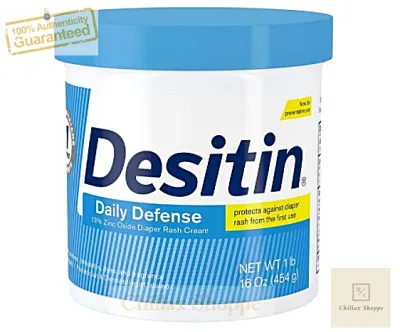
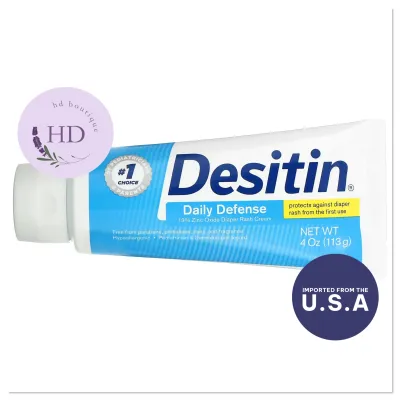
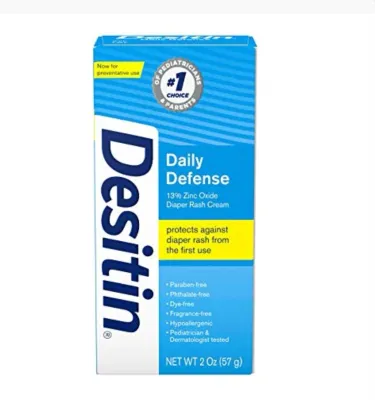
If your baby’s skin is currently healthy or showing only the earliest signs of friction, the Daily Defense variant is the most appropriate choice. This formula is designed for routine use during every single diaper change. It provides a light, breathable moisture barrier that prevents urine and stool from irritating the skin. In tropical, high-humidity environments where sweat and moisture easily accumulate inside the diaper, applying this preventative layer consistently helps maintain skin integrity.

When mild to moderate redness has already developed, the Rapid Relief variant is highly effective. This option is formulated to soothe irritated skin on contact while remaining easy to spread. Because inflamed skin is highly sensitive to touch, the smooth, creamy texture of Rapid Relief allows you to apply a protective layer quickly and gently, minimizing the friction and discomfort associated with spreading thicker pastes.
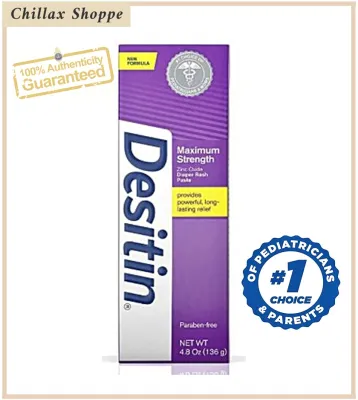
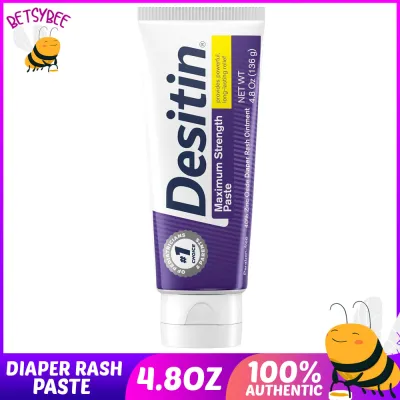
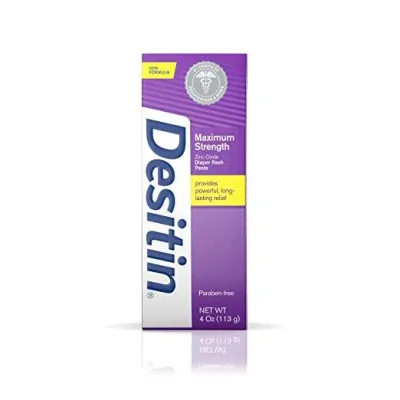
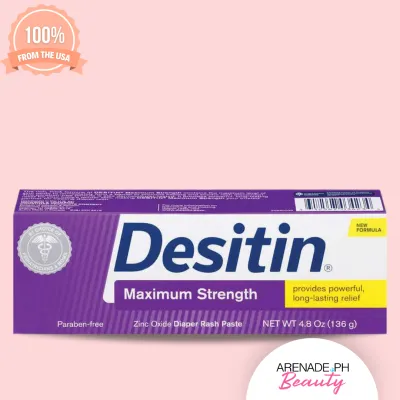
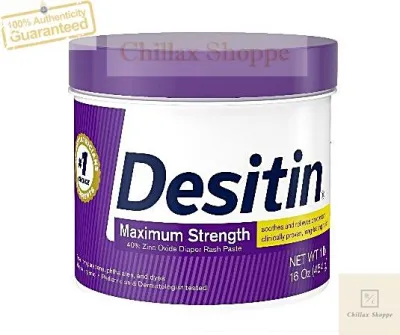
For severe, stubborn, or highly inflamed diaper rashes, the Maximum Strength variant is necessary. This formula contains a significantly higher concentration of zinc oxide, creating a dense, rich, and highly water-resistant barrier. It is specifically designed to seal out wetness under the most challenging conditions, protecting deeply compromised skin from the acidic enzymes found in stool and urine so the underlying tissue can regenerate.
Regardless of the variant you select, always verify the product label before application. Check the active ingredient concentration, look for potential allergens if your baby has sensitive skin, and ensure the product is appropriate for your baby’s specific age group. If a severe rash does not show visible signs of improvement after a few days of consistent maximum-strength treatment, discontinue use and seek professional medical advice.
Comparing Desitin Variants at a Glance
To help you quickly determine which formula fits your baby’s current skin care needs, refer to the comparison guide below. Always check the physical product packaging for the most up-to-date ingredient percentages and safety warnings.
| Desitin Variant | Primary Use Case | Zinc Oxide Level (Verify on Label) | Texture and Consistency |
|---|---|---|---|
| Daily Defense | Everyday prevention and moisture protection | Lower concentration | Smooth, creamy, and easy to wipe away |
| Rapid Relief | Soothing mild to moderate active redness | Lower concentration | Soft, easily spreadable, and fast-acting |
| Maximum Strength | Treating severe, stubborn, or raw diaper rashes | Higher concentration | Thick, paste-like, and highly water-resistant |
Because manufacturers may occasionally update their formulations, always read the active ingredients list on the tube you purchase to confirm it matches your baby’s specific skin requirements.
Safe Application and When to See a Doctor
Proper application technique is just as important as choosing the right product. Begin by gently cleaning the diaper area using lukewarm water and a soft cloth, or a fragrance-free, alcohol-free baby wipe. Avoid rubbing or scrubbing the skin, which can worsen irritation. Once clean, pat the skin completely dry with a clean towel or allow it to air-dry for a few moments. Ensuring the skin is entirely dry before applying the cream is crucial, especially in warm, humid climates, as trapping moisture beneath a zinc oxide barrier can inadvertently lock in dampness and exacerbate the rash.
When applying the cream, do not rub it into the skin like a standard moisturizing lotion. Instead, apply a thick, even layer over the entire affected area, similar to frosting a cake. The cream must sit on top of the skin to act as a physical shield. When it comes to removing stubborn, thick zinc oxide residue during subsequent diaper changes, avoid vigorous wiping. Instead, apply a small amount of baby-safe mineral oil or coconut oil to a soft wipe or cotton ball to gently dissolve and lift the paste without irritating the healing skin beneath.
Always monitor the progress of the rash closely. If the irritation worsens, spreads to other parts of the body, or fails to improve after several days of consistent application, stop using the product. These signs, along with the appearance of peeling skin, fluid-filled blisters, or a persistent diaper rash accompanied by a fever, require an immediate consultation with a pediatrician to rule out secondary bacterial or fungal infections.
Frequently Asked Questions (FAQ)
Can I use Desitin Maximum Strength for everyday prevention?
While you can use the Maximum Strength variant daily, it is generally not recommended for routine prevention on healthy skin. Its high-concentration zinc oxide formula is exceptionally thick and highly water-resistant, making it more difficult to wipe away during regular diaper changes. For daily maintenance, lighter formulas are preferred because they provide adequate moisture protection while being much easier to clean, reducing the risk of skin friction and unnecessary buildup.
Does Desitin treat yeast infections?
No, Desitin products do not treat yeast infections. Zinc oxide serves strictly as a physical moisture barrier and skin protectant; it does not contain antifungal properties. If your baby has a fungal diaper rash, which typically presents as bright red patches with small satellite spots in the skin folds, you must consult a pediatrician. A doctor will need to prescribe a targeted antifungal treatment, which can then be paired with a barrier cream if advised.
How thick should the layer of Desitin be?
The ideal thickness depends on the variant you are using and the condition of your baby’s skin. For daily prevention using a lighter formula, a thin, even layer that covers the skin is sufficient to block moisture. However, when treating an active, moderate to severe rash with the Maximum Strength paste, you should apply a very thick, generous layer. The cream should visibly cover the skin like thick frosting, ensuring that urine and stool cannot penetrate the barrier.
Community discussion
Share your experience or ask a question. Comments are reviewed before publication.